

Date: May 28, 2026
Category: Market Analysis & Collector’s Guide
Executive Overview
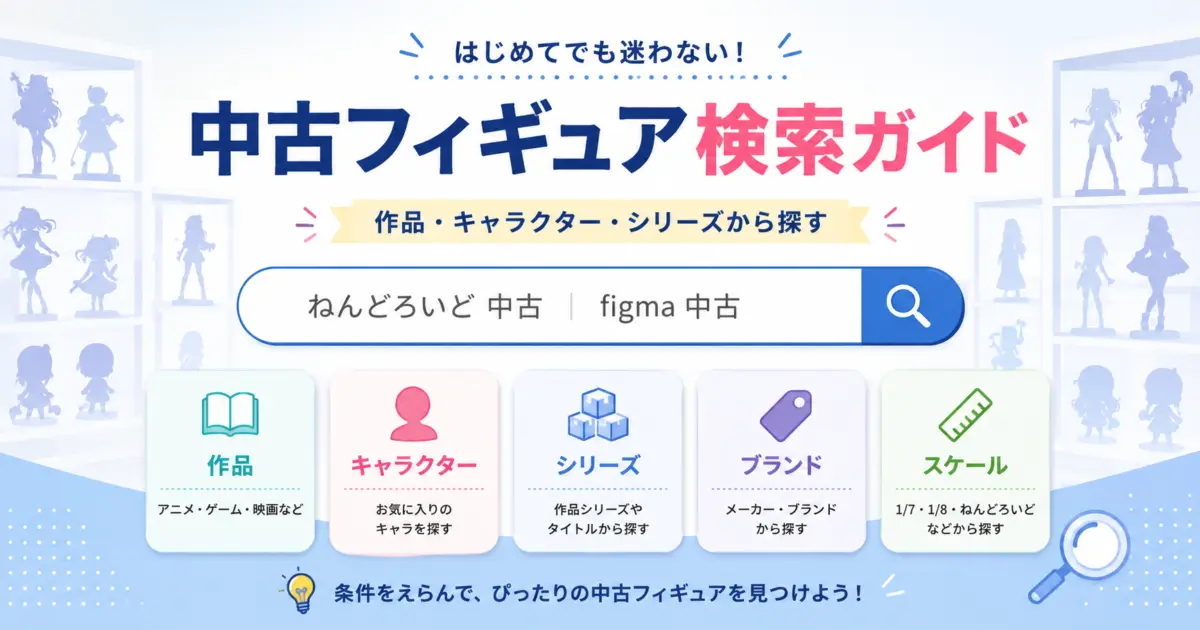
The global collector’s market for character merchandise has experienced unprecedented growth over the past decade. Driven by a surge in mainstream pop culture appreciation, high-end scale figures, limited-edition releases, and meticulously crafted statues have transitioned from niche hobbies into mainstream financial and cultural assets.
As the primary retail sector faces frequent supply chain fluctuations, instantaneous sell-outs, and rising production costs, collectors increasingly turn to the secondary market. Platforms such as Yahoo! Auctions, specialized aftermarket storefronts, and peer-to-peer trading ecosystems have become critical infrastructure for modern enthusiasts. This shift introduces both remarkable opportunities and unique challenges. While seasoned veterans leverage these platforms to secure rare grails and complete elusive sets, newcomers often navigate a labyrinth of fluctuating pricing dynamics, counterfeit risks, and grading discrepancies.
This report offers an authoritative, in-depth investigation into the mechanisms of the pre-owned figure market. We examine pricing trends, platform reliability, verification protocols, and strategic sourcing to equip collectors with the insights necessary to navigate this evolving ecosystem safely and successfully.
Detailed Chronology of the Secondary Market Evolution
To understand the current landscape of pre-owned figures, one must examine how the market matured from informal enthusiast forums into sophisticated global marketplaces.
Phase 1: The Forum Era (Early 2000s – 2010s)
In the early days of international figure collecting, the secondary market relied heavily on community-driven message boards, localized imageboards, and auction platforms with limited cross-border support. Transactions were largely trust-based, utilizing direct PayPal transfers without escrow protection. Pricing was volatile, and access to authentic goods depended entirely on personal connections within specialized fan communities or expensive import proxies.
Phase 2: Platform Professionalization (2010s – 2020)
As major manufacturers like Good Smile Company, Alter, Max Factory, and Kotobukiya scaled production to meet international demand, dedicated secondary platforms emerged. Japanese domestic market (JDM) platforms such as Yahoo! Auctions Japan, Mandarake, and Surugaya began offering international shipping through proxy services. This bridge transformed localized secondhand stores into global competitors, establishing standardized grading systems and more reliable authentication processes.
Phase 3: The Modern Digital Marketplace (2020 – Present)
Today’s secondary market is characterized by algorithmic pricing tools, instant currency conversions, and integrated authentication guarantees. Dedicated storefronts operate with the sophistication of traditional luxury resale markets. However, the sheer volume of transactions has also attracted bad actors, making robust verification protocols and data-driven purchasing strategies more critical than ever.
Supporting Context & Market Metrics: Understanding Valuation
Valuation in the pre-owned figure market is governed by complex economic principles. Unlike traditional commodities, pop culture collectibles derive their value from emotional resonance, manufacturing constraints, and pop-cultural relevance.
Key Drivers of Secondary Market Value
- Manufacturer Reputation: Figures produced by industry giants (e.g., Good Smile Company, Alter, Aniplex, and Megahouse) typically retain or appreciate in value better than mass-market productions due to superior sculpt quality, paint application precision, and material durability.
- Scarcity and Limited Releases: "Limited," "Exclusive," or "Event-Only" variants command significant premiums. When a figure is tied to a specific convention or closed pre-order window, its secondary market ceiling is often dictated by pure supply-and-demand friction.
- Condition and Packaging Integrity: The presence of the original box (often abbreviated as "MIB" – Mint in Box, or "BIS" – Boxed in Shrink/Opened Box) heavily influences pricing. A figure missing its blister pack or box can suffer a 20% to 50% depreciation in resale value, even if the PVC figure itself is flawless.
- Franchise Momentum: The popularity of the source anime, manga, or video game directly impacts secondary pricing. A sudden second season announcement or a trending multimedia franchise can cause character merchandise values to spike overnight.
Platform-by-Platform Evaluation & Risk Assessment
Choosing the right platform is the single most important decision a collector makes when sourcing pre-owned items. Each ecosystem comes with distinct advantages, risk profiles, and operational nuances.
1. Yahoo! Auctions Japan & Mercari Japan (via Proxy)
- Overview: The heartbeat of the JDM secondary market. These platforms offer access to native Japanese sellers who often list items significantly below international markup prices.
- Pros: Unmatched selection; access to rare domestic releases; transparent bidding histories.
- Cons: High proxy fees, international shipping costs, and currency exchange volatility; zero return policy for international buyers in most cases.
2. Specialized Specialist Stores (Mandarake, AmiAmi Pre-Owned, Surugaya)
- Overview: Professional secondhand retailers with physical store inventories cataloged online.
- Pros: Highly reliable grading systems; professional packaging; guaranteed authenticity; staff inspection of items prior to listing.
- Cons: Fierce competition for popular items ("sniping"); prices can lean higher due to the retailer’s overhead and guaranteed condition.
3. Peer-to-Peer Marketplaces (eBay, Facebook Groups, Reddit r/AnimeFigures)
- Overview: Direct transactions between individual collectors.
- Pros: Negotiation flexibility; potential for bundled deals.
- Cons: Elevated risk of counterfeits (bootlegs); varying shipping standards; potential disputes over item grading.
Official Guidelines and Best Practices for Safe Transactions
Navigating the secondary market safely requires vigilance, technical knowledge, and adherence to proven risk-mitigation strategies.
Identifying Counterfeits (Bootlegs)
The proliferation of high-grade counterfeit figures—particularly from manufacturers like Good Smile Company and Alter—remains a persistent threat. Collectors must scrutinize:
- Box Printing: Authentic boxes feature crisp typography, official licensing holographic stickers (e.g., Toei Animation, Kadokawa, or Good Smile authenticity seals), and accurate company logos. Bootlegs often display blurry text, misspelled words, or missing holographic stamps.
- Paint Application and Seams: Genuine figures exhibit clean separation lines between colors, smooth gradients, and matte or semi-gloss finishes appropriate to the material. Bootlegs frequently feature sticky plastic, sloppy paint bleeding, visible mold lines, and chemical odors.
- Base Stability: Authentic scale figures fit securely into their designated bases. Counterfeits often suffer from warped peg alignment, causing the figure to lean or fail to mount entirely.
Transaction Security Protocols
- Use Protected Payment Methods: Always utilize payment processors that offer buyer protection (such as PayPal Goods & Services). Avoid "Friends & Family" or direct wire transfers for unfamiliar sellers.
- Request Detailed Verification: For high-value purchases on peer-to-peer platforms, request timestamped photos featuring the seller’s username alongside the figure and box from multiple angles.
- Understand Shipping Insurance: Ensure that high-value shipments are fully insured against transit damage. PVC figures, particularly delicate hair strands and accessories, are susceptible to snapping under rough postal handling.
Future Outlook: The Next Era of Figure Collecting
As the secondary market continues to mature, several trends are poised to redefine how collectors buy, sell, and preserve their investments.
Technological Integration
The integration of blockchain-based provenance tracking and NFC-enabled authentication chips embedded directly into figure bases is beginning to emerge among elite manufacturers. These technologies aim to render counterfeit production economically unviable and streamline the verification process for secondary market platforms.
Sustainability and the Circular Economy
With environmental considerations taking center stage globally, the pre-owned figure market is increasingly viewed through the lens of sustainability. Extending the lifecycle of PVC and ABS collectibles through robust resale ecosystems reduces manufacturing waste and aligns with the evolving consumer preferences of younger, eco-conscious demographics.
Conclusion
The secondary market for pre-owned anime and character figures is a dynamic, high-reward ecosystem that demands both passion and prudence. By mastering platform mechanics, understanding valuation metrics, and rigorously applying authentication protocols, collectors can safeguard their investments while building collections that stand the test of time. Whether you are hunting for a elusive grail or clearing space on your shelves, informed navigation remains your greatest asset.








Belum ada komentar. Jadilah yang pertama berkomentar!