

Executive Overview
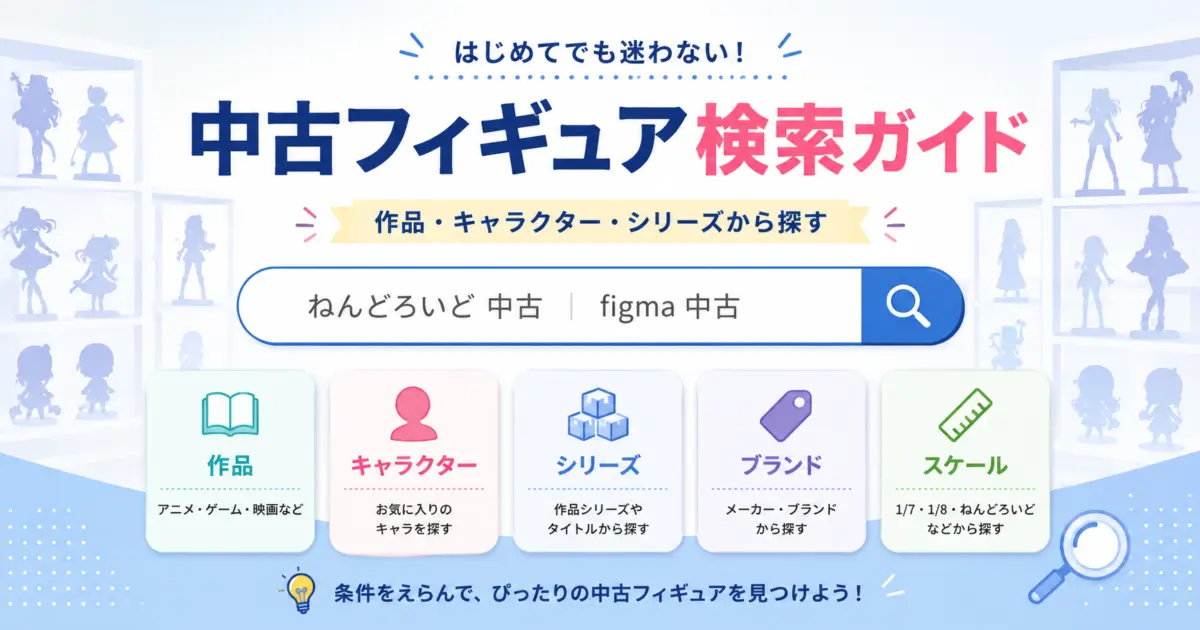
The global collector’s market has undergone a profound transformation over the past decade, shifting from a niche, hobbyist subculture into a multi-billion-dollar global industry. At the heart of this expansion lies the thriving secondary market for pre-owned anime, manga, and pop-culture figures. Once confined to dusty shelves in back-alley hobby shops or volatile online auction boards, the trade of secondary-market figures has matured into a sophisticated ecosystem supported by real-time pricing data, standardized grading metrics, and robust authentication platforms.
For both seasoned collectors and novice enthusiasts, navigating this secondary landscape requires more than just an eye for aesthetic appeal. Understanding the nuances of pre-owned valuation, identifying counterfeit goods, and tracking market trends are essential skills for protecting investments and curating a meaningful collection. This comprehensive guide explores the structural mechanics of the secondary figure market, examines current valuation methodologies, and provides actionable insights for acquiring, maintaining, and eventually parting with pre-owned collectibles.
Detailed Chronology: The Evolution of the Secondary Figure Market
The journey of the secondary figure market from an informal peer-to-peer exchange to a structured commercial sector is marked by several key milestones:
- The Early 2000s (The Analog Era): Characterized by localized meetups, physical conventions, and early online forums where collectors traded items with minimal pricing standardization. Information was scarce, and valuation was largely subjective.
- The Mid-2010s (The Digital Awakening): The rise of specialized online marketplaces, global shipping solutions, and social media enthusiast groups democratized access to rare imports. Pricing data began to aggregate, laying the groundwork for transparent market valuation.
- The Late 2010s to 2020s (Data-Driven Standardization): Platforms began integrating real-time sales history, historical price trends, and community-driven verification processes. The introduction of comprehensive grading systems transformed how buyers and sellers assessed the condition of pre-owned items.
- The Current Landscape (2026 and Beyond): Today’s secondary market is heavily digitized. Automated price trackers, image-recognition authentication tools, and specialized index funds for high-end collectibles reflect the financial maturity and mainstream acceptance of the hobby.
Supporting Context & Metrics: Understanding Pre-Owned Valuations
Valuing a pre-owned figure is both an art and a science. Unlike mass-market consumer electronics or standard retail goods, collectible figures derive their value from scarcity, manufacturing quality, brand prestige, and emotional resonance within fandoms.
Key Valuation Drivers
- Manufacturer and Lineage: Figures produced by industry giants—such as Good Smile Company, Alter, Max Factory, and Kotobukiya—frequently command higher resale values due to their meticulous sculpting, superior paint application, and durable PVC/ABS materials.
- Rarity and Limited Runs: Exclusive convention releases, limited-edition lottery prizes (such as Ichiban Kuji grand prizes), and out-of-print manufacturing runs naturally appreciate over time as supply dwindles relative to growing demand.
- Box Condition and Completeness: In the secondary market, a figure complete with its original blister packaging, accessories, interchangeable parts, and undamaged outer box (often abbreviated as "CIB" or Complete In Box) will invariably command a 20% to 50% premium over loose or unboxed alternatives.
Official Statements & Industry Perspectives
Industry analysts and veteran curators emphasize that the secondary market operates under strict economic principles where consumer trust is paramount.
"As the hobby continues to scale globally, transparency is no longer optional—it is the foundational pillar of market stability," notes an independent pop-culture market analyst. "When buyers can instantly cross-reference real-time sales data, inspect verified grading reports, and identify counterfeit warnings within seconds, the entire ecosystem benefits from reduced fraud and healthier liquidity."
Furthermore, prominent aftermarket platforms have doubled down on consumer protection. Recent updates to major trading hubs now incorporate automated alerts for bootleg listings, high-resolution condition-reporting standards, and secure escrow services designed to protect both parties during high-value transactions.
Future Outlook: The Next Decade of Collectible Preservation
Looking ahead, the secondary market for pre-owned figures is poised for continued innovation. Emerging technologies, including blockchain-based provenance tracking for ultra-rare statues and AI-driven condition-grading tools, promise to further streamline transactions.
However, the core tenets of collecting remain unchanged. Proper environmental control—protecting figures from direct sunlight, humidity fluctuations, and dust accumulation—will always be the ultimate determinant of long-term value retention. As the community expands, maintaining a balance between passion and financial prudence will ensure that collecting pre-owned figures remains a rewarding, sustainable pursuit for generations to come.




Belum ada komentar. Jadilah yang pertama berkomentar!