

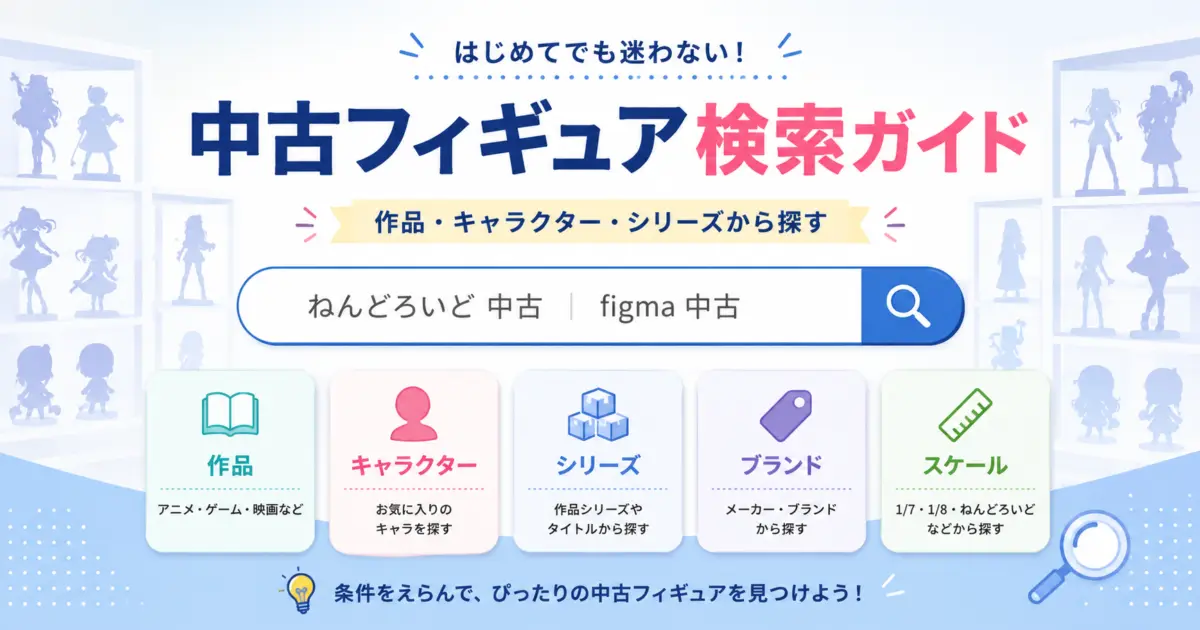
Executive Overview
The global collector economy has experienced an unprecedented paradigm shift over the past decade. What was once viewed as a niche hobby—often confined to physical specialty shops, underground collector forums, and localized comic book stores—has matured into a multi-billion-dollar digital marketplace. Today, secondary market trading platforms, peer-to-peer marketplaces, and digital aggregation tools handle billions of dollars in annual transactions. This boom is fueled by a global surge in pop-culture enthusiasm, rising disposable incomes among millennial and Gen Z demographics, and the mainstreaming of anime, video game, and comic book culture.
However, navigating this vast ecosystem requires more than just passion; it demands a sophisticated understanding of valuation metrics, condition grading standards, authentication protocols, and platform logistics. This comprehensive guide provides collectors, investors, and casual enthusiasts with the investigative insights and structural frameworks necessary to master the pre-owned figure market safely and profitably.
Detailed Chronology: The Evolution of the Secondary Figure Market
To fully understand the current state of the pre-owned figure market, one must examine its historical trajectory. The ecosystem has transformed from localized, high-risk physical trades into a hyper-connected, globalized digital economy.
Phase 1: The Analog Era (Late 1990s – Mid 2000s)
In the early days of international figure collecting, acquiring pre-owned merchandise meant navigating physical import shops in pop-culture hubs like Akihabara (Tokyo) or Chinatown districts in major Western cities. Transactions were cash-heavy, information was scarce, and buyers relied heavily on physical inspection. Price transparency was virtually non-existent, and international shipping options were slow, expensive, and unreliable.
Phase 2: The Forum and Auction Boom (Late 2000s – 2010s)
The rise of specialized enthusiast forums, image boards, and early auction platforms (such as Yahoo! Auctions Japan and eBay) democratized access. Collectors could finally browse listings from across the globe. However, this era was fraught with pitfalls: high rates of counterfeit bootlegs, lack of standardized grading systems, and unreliable escrow services made purchasing pre-owned items a high-stakes gamble.
Phase 3: The Digital Aggregation & Platform Economy (2020s – Present)
Today, the market is characterized by advanced data aggregation, specialized pricing tools, verified seller ratings, and global logistics optimization. Platforms now integrate real-time market tracking, automated authentication guides, and buyer-protection escrow systems. Modern collectors no longer have to guess a figure’s market value; algorithmic tracking and historical sales data are available at their fingertips.
Supporting Context & Metrics: Decoding the Data
Understanding the financial underpinnings of the secondary market requires a deep dive into liquidity, rarity indices, and demand-supply dynamics.
Liquidity and Asset Classes
Not all figures hold or gain value equally. The pre-owned market generally segments figures into distinct asset tiers:
- Mass-Market PVC Figures: High production runs mean high availability, leading to depreciation on the secondary market unless tied to a massive, ongoing cultural phenomenon.
- Limited Edition & Scale Figures: Produced in restricted quantities by premier manufacturers (e.g., Good Smile Company, Alter, Megahouse), these items exhibit strong value retention and, in many cases, significant appreciation.
- Garage Kits & Resin Statues: Highly fragile, limited-run, and often requiring professional assembly and painting, these represent the high-end luxury tier of the secondary market, trading at premium valuations.
Market Transparency Drivers
The proliferation of price-tracking extensions, browser plugins, and dedicated aggregator sites has radically shifted power toward the consumer. Buyers can now view historical price charts spanning multiple years, allowing them to time their purchases around market dips or manufacturer re-release announcements.
Official Statements and Industry Insights
Leading industry analysts and secondary market platform operators emphasize that while consumer protections have improved dramatically, education remains the ultimate defense against fraud.
"The secondary market for pre-owned figures has matured from a wild-west subculture into a structured alternative asset class. However, as values rise, so does the sophistication of counterfeiters. Transparency, data literacy, and strict adherence to grading standards are no longer optional for serious collectors—they are essential safeguards."
— Global Collectibles Market Research Group
Industry roundtables continually stress the importance of platform-mediated transactions. Direct peer-to-peer trades outside of protected environments remain the leading vector for fraud, reinforcing the necessity of utilizing marketplaces equipped with robust dispute resolution mechanisms and verified seller histories.
Future Outlook: Trends Shaping Tomorrow’s Collector Economy
As we look toward the future, several technological and structural trends are poised to redefine how pre-owned figures are bought, sold, and valued:
- AI-Driven Authentication: Emerging tools utilize computer vision and machine learning to analyze promotional photos versus user-submitted images, instantly flagging bootlegs, box damage, and repainted components.
- Blockchain-Backed Provenance: High-end statues and limited-edition releases are increasingly paired with digital certificates of authenticity (NFTs or secure cloud ledgers) to track ownership history and verify factory-sealed authenticity across multiple secondary sales.
- Global Logistics Streamlining: Faster, integrated customs clearing and localized fulfillment hubs are reducing the friction of cross-border secondary trading, allowing Japanese collectors to seamlessly trade with North American and European counterparts.
By combining historical market awareness with modern analytical tools, collectors can successfully navigate the complexities of the secondary figure market—protecting their investments while celebrating the artistry of their favorite characters.









Belum ada komentar. Jadilah yang pertama berkomentar!