

Executive Overview
In an aggressive maneuver to solidify its presence in the digital interactive entertainment sector, streaming giant Netflix has officially launched Netflix Playground, a dedicated gaming application for iPhone and iPad users. Much like Apple Arcade, the newly minted hub introduces a curated selection of ad-free digital experiences entirely devoid of in-app purchases, loot boxes, or microtransactions—a persistent pain point for parents navigating modern children’s mobile media.
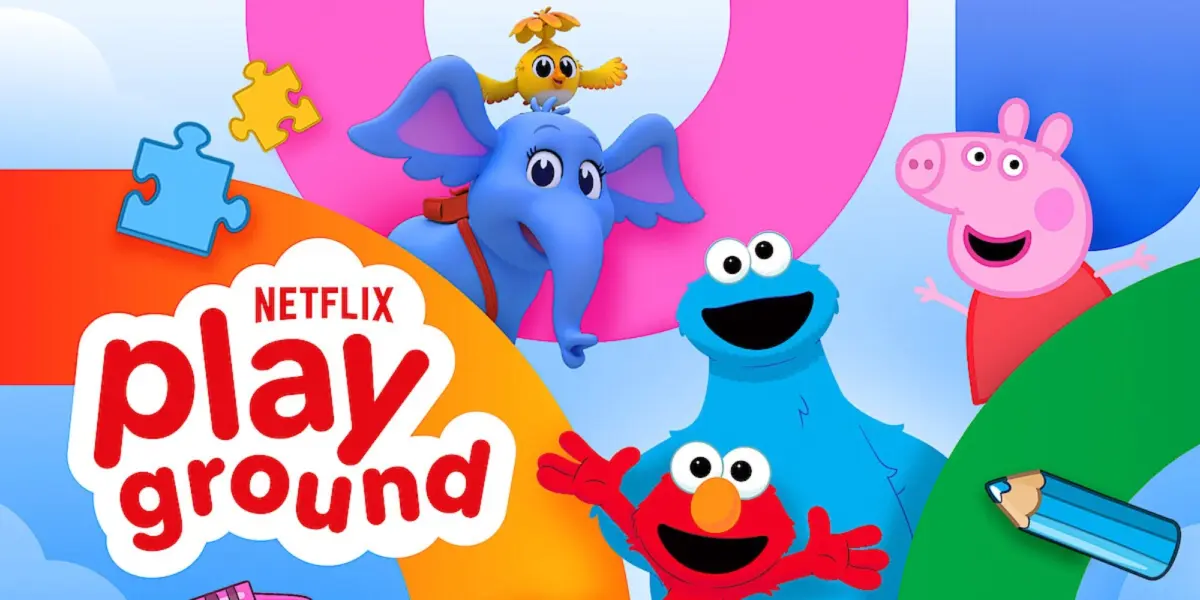
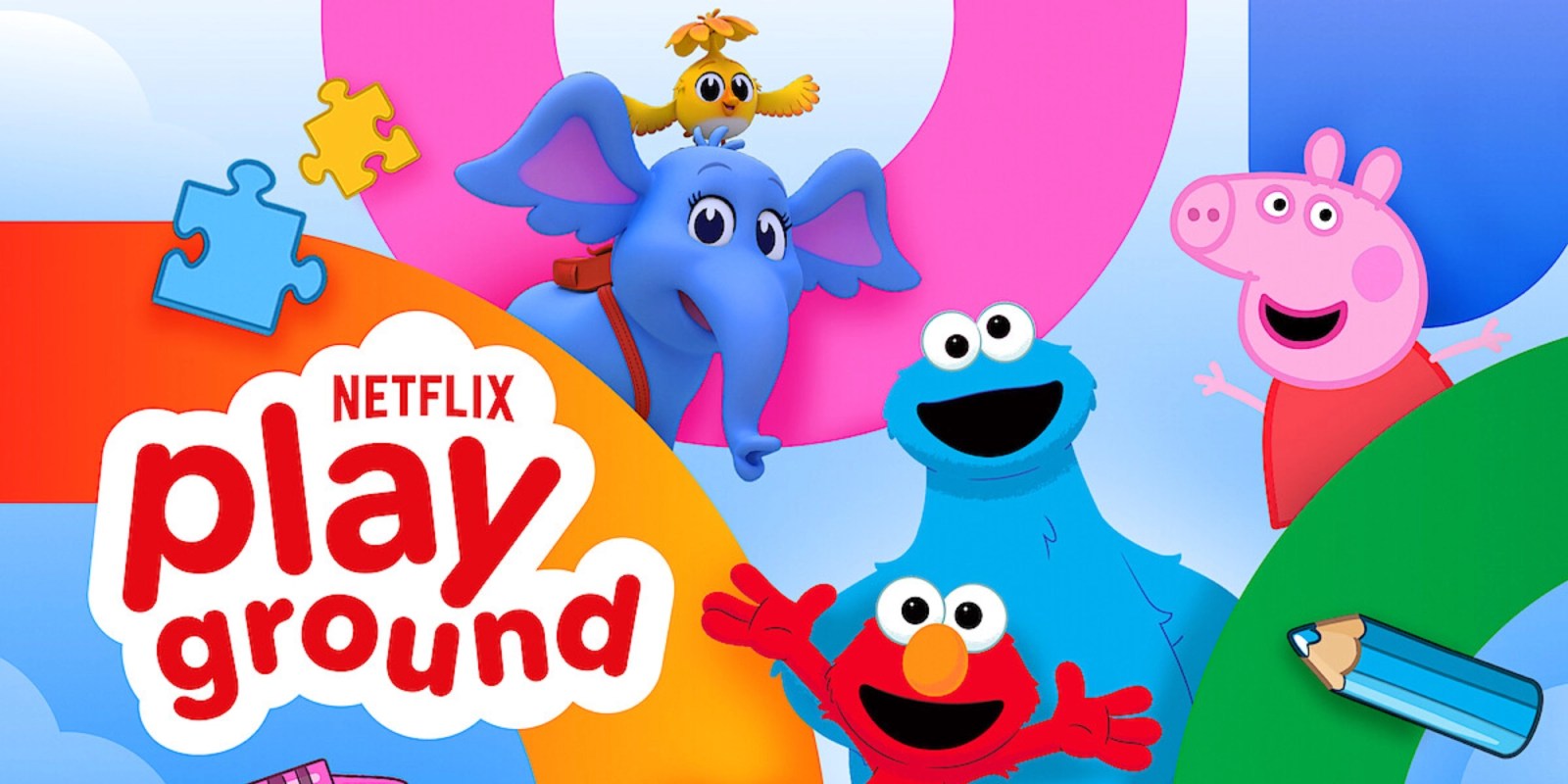
Targeting younger demographics, Netflix Playground debuts with an initial lineup of seven mini-games rooted in globally recognized intellectual properties (IPs) such as Peppa Pig, Sesame Street, and Dr. Seuss. Crucially, Netflix has structured this offering as an inclusive perk rather than an upcharged tier. Access to Netflix Playground is bundled into every active membership level, spanning everything from budget-conscious ad-supported plans to premium ultra-HD tiers.
This release represents a fascinating convergence of streaming, mobile gaming, and family-oriented digital safety. By capitalizing on beloved children’s media franchises and packaging them within an optimized, standalone app ecosystem, Netflix is attempting to capture the attention of younger audiences not just on the television screen, but across portable Apple devices. As competition in the subscription gaming and streaming space intensifies, Netflix Playground signals a maturing strategy: moving away from scattered gaming experiments toward targeted, high-retention vertical hubs.
Detailed Chronology of the Launch
The road to Netflix Playground did not happen overnight; it is the culmination of a multi-year evolutionary strategy that began when the streaming pioneer first dipped its toes into the interactive entertainment waters.
From In-App Additions to Dedicated Hubs
When Netflix initially rolled out gaming capabilities back in late 2021, the titles were exclusively accessible through the primary Netflix mobile application. Users looking to play titles had to navigate through a dedicated gaming tab, locate a game of interest, and be redirected to the iOS App Store or Google Play Store to download individual titles. While functional, this friction-heavy user journey created hurdles for casual users—particularly children and parents trying to quickly locate family-friendly entertainment.

Recognizing the need for a more streamlined, user-friendly interface tailored specifically to younger demographics, Netflix product engineering teams began conceptualizing a centralized destination. The conceptual framework for Netflix Playground began taking shape behind closed doors as the company sought to separate its growing library of prestige titles (such as Grand Theft Auto remasters and critically acclaimed indie darlings) from lightweight, character-driven experiences designed for toddlers and young children.
The App Store Debut
In April 2026, the strategy materialized into a concrete release. Netflix officially dropped the standalone Netflix Playground app onto the Apple App Store for iPhones and iPads. The launch was accompanied by a rollout of promotional materials, including an official trailer highlighting the app’s core value proposition: safe, offline-capable, character-driven entertainment for children, completely free of the monetization traps that plague contemporary app marketplaces.
Upon download, users are greeted with a colorful, intuitive dashboard optimized for younger touchscreens. The launch iteration features seven distinct mini-games, with an aggressive roadmap already mapped out for subsequent content drops throughout the remainder of the year.
Supporting Context & Metrics: The Mechanics of Netflix Playground
To fully appreciate the significance of Netflix Playground, it is necessary to examine the technical architecture, content pipeline, and pricing strategy underpinning the platform.
Content Lineup and Future Roadmap
At the time of its initial deployment, Netflix Playground features seven specialized mini-games. While the individual titles vary in gameplay mechanics, they share a common thread: deep integration with universally trusted children’s entertainment brands. The launch portfolio pulls directly from properties like Peppa Pig, Sesame Street, and Dr. Seuss, providing a comforting, recognizable environment for young children.
However, the launch roster is merely the baseline. Netflix has confirmed a robust content pipeline slated for rollout over the course of the year. Upcoming additions slated for the platform include prominent franchises such as:
- Gabby’s Dollhouse
- KPop Demon Hunters
- PJ Masks
- My Little Pony
- PAW Patrol
This aggressive expansion underscores Netflix’s vast licensing network and its unique ability to leverage cross-media synergies—transforming popular streaming shows into interactive digital playgrounds.
Technical Implementation: Offline Play and Storage Management
A standout feature of the Netflix Playground architecture is its handling of local device storage. Rather than forcing users to download a monolithic application packed with every available game—which would quickly bloat storage capacities on entry-level iPads and iPhones—Netflix has engineered a modular system.
Each mini-game within Netflix Playground can be downloaded individually directly from within the app interface. This gives parents granular control over device storage allocations. Once a specific mini-game is downloaded to the device, it becomes fully accessible offline. This design choice makes Netflix Playground an ideal travel companion, ensuring that children can remain entertained during flights, road trips, or in low-connectivity environments without requiring an active cellular or Wi-Fi connection.
Pricing, Monetization, and Accessibility
In an era where digital storefronts for children are routinely criticized for predatory monetization tactics—such as deceptive in-app purchases, recurring subscription prompts for virtual currency, and intrusive banner ads—Netflix Playground takes a radically consumer-friendly stance.

Mirroring the philosophy of Apple Arcade, Netflix Playground is entirely ad-free and features zero in-app purchases. What makes Netflix’s approach particularly disruptive is its accessibility structure. The company has confirmed that access to Netflix Playground is included as part of every membership tier. Unlike features locked behind expensive premium tiers or ad-free upgrades, subscribers on the entry-level ad-supported plans enjoy the exact same unhindered access to the Playground ecosystem as top-tier subscribers. This universal inclusion is expected to drive high adoption rates among family households.
Official Statements and Industry Perspective
While Netflix has historically played its cards close to the chest regarding specific user metrics for its gaming division, executive commentary surrounding the broader gaming strategy highlights a clear corporate trajectory.
Industry analysts point out that Netflix’s expansion into gaming is not necessarily designed to compete directly with Sony’s PlayStation or Microsoft’s Xbox, but rather to deepen subscriber engagement, reduce churn, and increase the perceived value of the core subscription. By creating a dedicated ecosystem for children, Netflix is effectively capturing household mindshare from an early age.
In official statements accompanying the rollout, Netflix representatives emphasized the platform’s focus on safety, learning, and frictionless family entertainment. The company noted that parents are increasingly exhausted by the digital minefield of the modern App Store, where finding high-quality, educational, or safe recreational software for kids often requires weeding through low-effort clone apps and aggressive monetization loops.
By leaning on trusted franchises like Sesame Street and Peppa Pig within a walled, secure garden, Netflix is positioning Playground as a trusted digital babysitter for modern parents.

Future Outlook: Where Does Netflix Gaming Go From Here?
The launch of Netflix Playground on iOS devices raises provocative questions about the future trajectory of Netflix’s interactive division. Several key trends and potential developments loom on the horizon:
1. Expansion to Android and Smart Ecosystems
While the initial rollout has focused exclusively on Apple’s iOS and iPadOS ecosystems—capturing a massive share of the tablet and mobile market favored by families—it is virtually certain that an Android counterpart is in development. Scaling the Playground framework to Google Play will exponentially increase its addressable market.
2. Deeper Educational Integration
As children’s digital platforms evolve, parents increasingly expect recreational screen time to carry educational value. With properties like Sesame Street already anchoring the platform, Netflix has a golden opportunity to weave foundational early-childhood learning mechanics—such as literacy, numeracy, and spatial reasoning—deeper into future mini-game iterations.
3. Consolidation of the Netflix Gaming Identity
Netflix has experimented with various ways to present its gaming catalog, ranging from embedded tabs in the primary video app to standalone titles scattered across app stores. The introduction of Netflix Playground—alongside rumors of other genre-specific hubs—suggests that Netflix is moving toward a fractured yet highly organized app architecture. Just as users navigate separate apps for video streaming, reading (if applicable), and gaming, specialized demographic hubs like Playground may become the blueprint for future software deployments.
Conclusion
Netflix Playground is far more than a simple collection of children’s mini-games; it is a calculated strategic play to cement Netflix as an indispensable daily utility for families. By offering an ad-free, microtransaction-free, offline-capable gaming environment backed by powerhouse intellectual properties—and bundling it across all subscription tiers—Netflix has delivered a compelling ecosystem value-add. For parents seeking safe digital engagement on iPhones and iPads, Netflix Playground marks a welcome evolution in the streaming giant’s growing interactive portfolio.









Belum ada komentar. Jadilah yang pertama berkomentar!