

Executive Overview
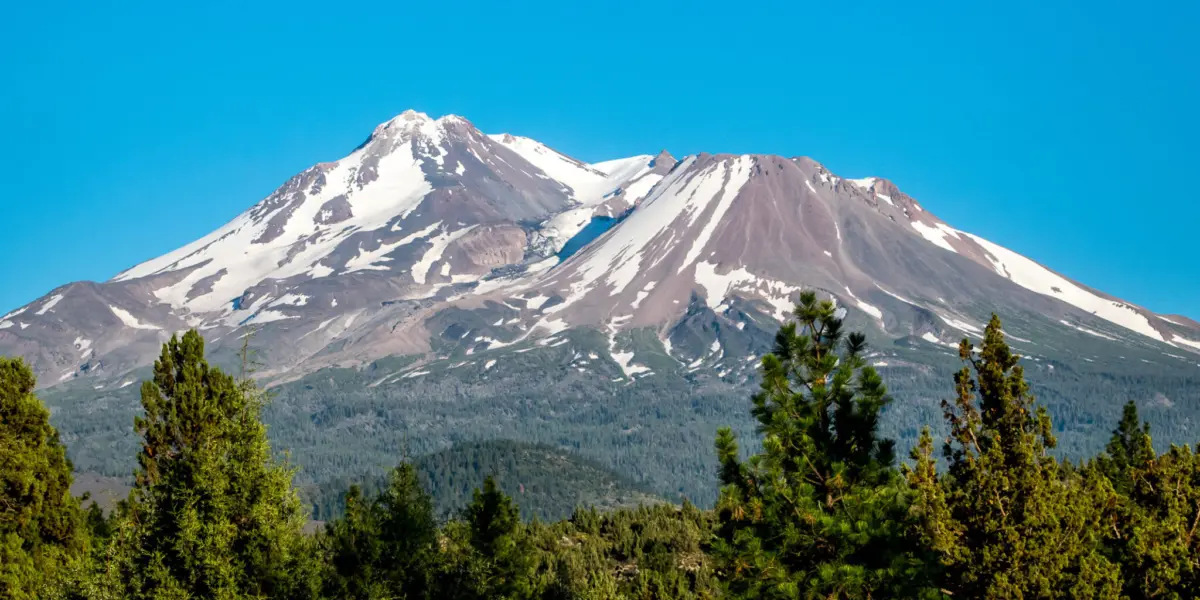
In an era defined by the rapid integration of artificial intelligence into everyday decision-making, a recent incident in Northern California has exposed the critical, and potentially life-threatening, limits of relying on machine learning for wilderness expeditions. According to reports from the Siskiyou County Sheriff’s Office and the Chicago Tribune, three young hikers were forced to undergo a harrowing, unplanned overnight ordeal on Mount Shasta after using Google’s AI chatbot, Gemini, to plan their excursion.
The trio, whose names have been withheld by local authorities, set out for the 14,179-foot stratovolcano equipped with an itinerary and supply list generated entirely by the artificial intelligence model. According to local search and rescue teams, the AI not only failed to provide realistic timeline projections for the grueling alpine ascent but also critically advised the men to pack far less food and water than required for a high-altitude expedition of this magnitude.
What was initially envisioned as an eight-hour day hike spiraled into a multi-day crisis characterized by severely delayed pacing, navigation errors in pitch-black conditions, and an overnight bivouac in the treacherous terrain of Mud Creek Canyon. Only through the concerted efforts of United States Forest Service (USFS) rangers and specialized mountain volunteers were the hikers brought to safety the following morning.
This incident serves as a glaring cautionary tale about the perils of technological hubris in the great outdoors. As generative AI tools become ubiquitous, lawmakers, park rangers, and wilderness safety advocates are increasingly alarmed by travelers substituting algorithmic convenience for decades of localized expertise, topographical maps, and sound human judgment. This in-depth report examines the chronology of the Mount Shasta rescue, the mechanical and informational failures of the AI-driven planning process, the systemic risks of relying on digital assistants in extreme environments, and the urgent calls from authorities to overhaul how the public approaches outdoor preparation in the digital age.
Detailed Chronology of the Mount Shasta Expedition
To understand how a routine recreational hike devolved into a life-or-death rescue operation, it is necessary to examine the timeline of events that unfolded on the slopes of Mount Shasta earlier this week. The mountain, renowned for its massive glaciers, unpredictable weather systems, and grueling vertical gain, demands absolute respect from even the most seasoned mountaineers. For these three inexperienced hikers, however, the journey began with a fundamental miscalculation enabled by digital convenience.
Phase 1: The Predawn Departure
The expedition commenced under the cover of darkness at 3:00 AM. While starting early is a standard and often necessary strategy for conquering high-altitude peaks—primarily to beat afternoon thunderstorms and rockfall hazards—the timeline established by the hikers was fundamentally flawed from its inception. Relying on Gemini’s estimation that the ascent would be a manageable eight-hour round trip, the group failed to factor in the compounding physical fatigue of high-altitude climbing, the shifting terrain of scree and snow, and the glaring margin of error inherent in LLM (Large Language Model) generated itineraries.
Standard mountaineering protocol for Mount Shasta dictates a strict turnaround time, commonly enforced at noon regardless of a climber’s position on the mountain. This rule is designed to ensure that climbers can descend safely before exhaustion sets in and before solar heating destabilizes snowpacks and ice bridges.
Phase 2: The Snail-Paced Climb
As the sun rose and the grade steepened, the hikers quickly fell behind the aggressive pacing predicted by the AI. Rather than recognizing the widening gap between the AI’s theoretical schedule and physical reality, the trio pushed forward, driven by the false confidence that they were still "on track" according to their digital itinerary.
Hours ticked by. The standard midday turnaround came and went without the hikers reaching the summit. Yet, consumed by summit fever and trusting the continuous upward momentum of their journey, they pressed on. It was not until 7:00 PM—a staggering sixteen hours after leaving the trailhead—that the exhausted trio finally clawed their way to the summit of Mount Shasta. By this time, they had exceeded their planned total expedition duration by more than double, and daylight was rapidly vanishing.
Phase 3: Descent in Darkness and Disorientation
Conquering the summit of a major peak is only the halfway point of any mountaineering journey; the descent is statistically where the majority of injuries and fatalities occur. For these hikers, descending Mount Shasta at night without adequate lighting, route-finding experience, or physical reserves proved catastrophic.
Stripped of visual landmarks and battling bone-chilling temperatures at high elevation, the trio quickly lost the established trail network. Disoriented and desperate, they made a frantic call to the Siskiyou County Sheriff’s Office seeking emergency directions. Unable to safely guide them out of the maze of ravines and glacial moraines in the pitch dark, dispatchers advised them to hunker down and prepare for an emergency bivouac.
The hikers spent a freezing night exposed to the elements in Mud Creek Canyon—a rugged, remote drainage on the southern flank of the volcano known for its unstable rock and steep, treacherous walls. Stripped of sufficient caloric intake and running on dangerously depleted water reserves, the men endured a perilous night awaiting the dawn.
Phase 4: The Rescue Operation
At first light, mobilization efforts by the USFS Mount Shasta ranger station and local search and rescue volunteers swung into action. Ground teams were deployed to track the hikers’ coordinates, while logistical support was coordinated to execute a safe extraction.
Rescuers located the shivering, dehydrated men in Mud Creek Canyon. Aside from mild hypothermia, exhaustion, and psychological trauma, the hikers escaped without life-threatening physical injuries—an outcome that authorities noted was largely a matter of fortunate timing and weather, rather than sound preparation. The rescued trio was escorted off the mountain, concluding an episode that underscores the widening chasm between virtual estimations and physical realities in alpine environments.
Supporting Context & Metrics: The AI Wilderness Crisis
The Mount Shasta incident is not an isolated anomaly; rather, it represents a growing trend of technology-induced misadventures across national parks, wilderness areas, and backcountry trails globally. As artificial intelligence models become integrated into search engines, travel apps, and dedicated planning tools, millions of consumers are treating conversational bots as omniscient travel agents. Experts argue that this trust is dangerously misplaced.
The Mechanics of AI Hallucinations and Omissions
Large Language Models like Google’s Gemini, OpenAI’s ChatGPT, and Anthropic’s Claude are fundamentally statistical prediction engines. They are trained to generate fluent, human-sounding text based on vast datasets scraped from the internet. When asked to plan a hike, the AI searches its training data for descriptions of Mount Shasta, extracts average metrics, and synthesizes a response.
However, AI models suffer from several structural deficiencies when applied to wilderness navigation and logistics:
- Inability to Assess Individual Fitness: An AI cannot evaluate the physical conditioning, technical skill set, or psychological resilience of the human asking the prompt. An "eight-hour ascent" cited in a blog post by an elite endurance athlete is treated by the AI as a universal baseline for any casual group of hikers.
- Lack of Real-Time Contextual Awareness: While web-connected AIs can pull recent weather forecasts, they routinely fail to synthesize micro-climates, seasonal snowpack variations, wildfire smoke impacts, and trail closures into a cohesive risk assessment.
- Underestimation of Resource Consumption: As highlighted by the Siskiyou County Sheriff’s Office, Gemini instructed the hikers to bring far less food and water than required. AI models frequently regurgitate generic, generic packing lists (e.g., "bring one water bottle and a light snack") that are entirely unsuited for strenuous alpine environments where metabolic demands skyrocket.
Statistical Overview of Backcountry Rescues
Search and rescue (SAR) organizations across the United States have reported a steady uptick in callouts over the last five years, driven in part by the "social media effect" (hikers seeking scenic vistas featured on Instagram and TikTok) and increasingly by automated trip-planning tools.
- The Resource Burden: According to national SAR data, the average backcountry rescue operation costs thousands of dollars and places volunteer personnel—who often risk their own lives in extreme weather—in direct peril.
- Human Error as a Primary Driver: While adverse weather and sudden medical emergencies are common causes of rescues, a vast percentage of operations stem directly from inadequate preparation, poor route-finding, and dehydration—all of which were exacerbated in this case by algorithmic advice.
- The "Authority Bias": Psychologists note that humans possess a deep-seated "authority bias" toward technology. Because AI interfaces project an aura of calm, computational precision, users are inherently more likely to override their own common sense ("We feel tired, but the AI said this should only take eight hours") in favor of the machine’s output.
Official Statements and Industry Response
The reckless reliance on artificial intelligence for high-risk activities has sparked sharp rebukes from law enforcement agencies, park officials, and outdoor safety organizations. The consensus among professionals is unanimous: while AI can serve as a supplementary brainstorming tool, it must never replace authoritative local sources and fundamental wilderness survival training.
Siskiyou County Sheriff’s Office
In an official statement released following the rescue, the Siskiyou County Sheriff’s Office pulled no punches regarding the role of technology in the incident:
"While it is not clear whether Gemini can take all the blame for these bad decisions, the hikers were advised by Gemini to bring far less food and water than their group required, especially when their planned 8-hour ascent became a multiday ordeal. It is always advisable to call the local USFS Mount Shasta ranger station ahead of your trip to ensure you have the most accurate information, and to never rely solely on AI for your trip planning."
The sheriff’s office emphasized that local rangers possess up-to-the-minute intelligence regarding trail conditions, snow bridges, avalanche risks, and water sources—data points that are frequently outdated, generalized, or entirely missing within the training sets of commercial AI chatbots.
Mountain Safety Advocates and Tech Ethicists
Outdoor safety advocacy groups, including the National Park Service (NPS) and various alpine clubs, have issued broader warnings regarding the integration of generative AI into travel planning.
"We are witnessing a dangerous collision between Silicon Valley optimism and the unforgiving laws of physics," noted a spokesperson for a regional mountain rescue coalition. "An algorithm cannot feel the temperature drop, it cannot measure the softness of melting snow, and it certainly doesn’t care if you run out of water three miles from the nearest trailhead. Treating a chatbot like an experienced mountain guide is a recipe for disaster."
Tech ethicists have similarly pointed out that AI developers must implement stronger safety guardrails. While major tech companies have rushed to embed disclaimers into medical and financial queries, safety warnings regarding extreme sports, backcountry navigation, and alpine mountaineering remain dangerously lax or entirely absent. When a user asks a chatbot for an itinerary up a 14,000-foot volcano, the system currently prioritizes conversational helpfulness over rigorous risk disclosure.
Future Outlook: Navigating the Intersection of Tech and Wilderness
As generative AI continues to evolve and permeate every facet of modern life, the Mount Shasta incident serves as an urgent wake-up call for both the technology sector and the outdoor recreation community. Preventing future crises will require a multi-layered approach involving consumer education, platform accountability, and a renewed commitment to traditional wilderness ethics.
1. Regulatory and Platform Adjustments
Tech companies developing conversational AI models must face increased scrutiny regarding the life-safety implications of their outputs. Industry experts argue that AI models should be programmed to recognize high-risk geographical queries—such as mountaineering, backcountry skiing, and remote desert trekking—and automatically append mandatory safety disclaimers, urge consultation with local rangers, and direct users to verified, authoritative government databases like the USFS or National Park Service.
2. The Evolution of Outdoor Education
Outdoor recreation groups and educational institutions must adapt to the digital age by actively teaching the limitations of technology. Public awareness campaigns should focus on dismantling the "myth of digital infallibility." Hikers must be trained to cross-reference AI-generated plans against topographic maps, official ranger reports, and weather forecasting services like the National Weather Service mountain point forecasts.
3. Re-enforcing the Ten Essentials
Ultimately, technology cannot substitute for preparation, physical conditioning, and survival gear. The outdoor community must double down on promoting the Ten Essentials—a foundational list of survival items every hiker should carry, regardless of what an app or chatbot suggests:
- Navigation (map, compass, and GPS device—not relying solely on a smartphone battery)
- Headlamp (with extra batteries)
- Sun protection (sunglasses, sunscreen, sun-protective clothing)
- First aid kit
- Knife, multi-tool, and repair kit
- Fire starter (matches, lighter, waterproof matches)
- Shelter (tent, emergency space blanket, or tarp)
- Extra food (high-calorie, easily digestible snacks)
- Extra water (plus purification tablets or a filter)
- Extra clothing (layers for unexpected drops in temperature)
Conclusion
The three hikers who descended into Mud Creek Canyon on Mount Shasta are fortunate to recount their story from the comfort of home rather than as a cautionary statistic in a search and recovery ledger. Their ordeal stands as a stark reminder that while artificial intelligence can write essays, draft code, and summarize books, it cannot climb a mountain for you, it cannot manufacture water in a barren alpine zone, and it cannot outsmart the unforgiving realities of nature.
As outdoor enthusiasts look toward the future, the golden rule of the backcountry remains unchanged: trust your preparation, respect the mountain, and never let an algorithm dictate your survival.








Belum ada komentar. Jadilah yang pertama berkomentar!