

Executive Overview
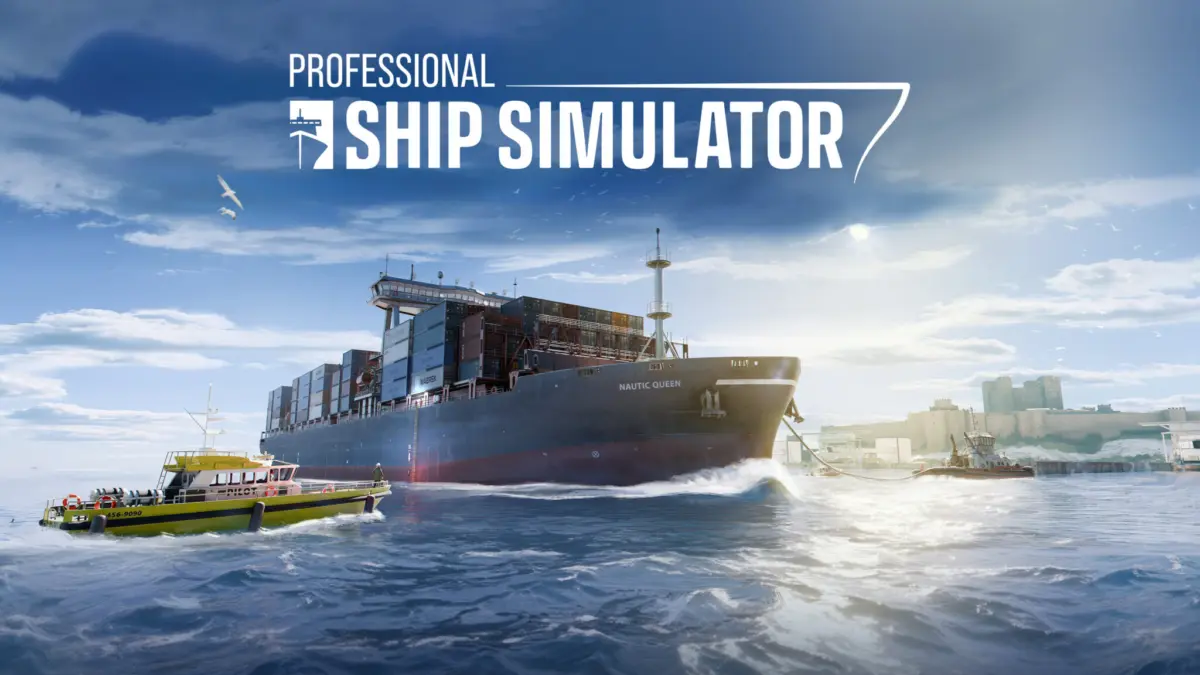
The maritime simulation landscape is undergoing a silent yet profound evolution, shifting away from superficial arcade experiences toward ultra-realistic, mission-critical environments. Set against this backdrop of expanding software fidelity, publisher Aerosoft and developer SWE Systems have officially confirmed the upcoming release of Professional Ship Simulator on Steam, scheduled to debut on September 16, 2026.
This enterprise-grade application bridges the gap between entertainment and professional training, promising a deeply immersive and mathematically rigorous simulation experience. Designed for maritime enthusiasts, professional mariners, and simulation purists alike, Professional Ship Simulator meticulously replicates the complex physics, environmental unpredictability, and operational rigor of modern seafaring.
As global trade continues to rely heavily on complex maritime logistics, the demand for sophisticated training tools has reached an all-time high. Professional Ship Simulator rises to this challenge by offering an expansive array of authentic vessels, highly detailed geographic locales, and advanced navigation systems that mirror real-world bridge operations. This feature-length article explores the technological foundation, game design mechanics, vessel rosters, and broader industry implications of what is poised to become the definitive maritime simulation software of the decade.
Detailed Chronology and Development Background
The journey toward the release of Professional Ship Simulator has been characterized by meticulous planning, iterative engineering, and a steadfast commitment to authenticity.
The Announcement and Release Window
- August 31, 2026: Aerosoft and SWE Systems jointly published the initial announcement for Professional Ship Simulator, confirming its arrival on the Steam platform.
- September 16, 2026: The official release date set for the software’s digital rollout, opening access to a global audience of simulation enthusiasts and maritime professionals.
Behind this timeline lies years of development focused on solving long-standing technical hurdles in maritime physics engines. Traditional ship simulators often struggled to balance user accessibility with the rigid mathematical models required to simulate hydrodynamics accurately. SWE Systems approached this challenge by building a proprietary simulation core capable of calculating real-time fluid dynamics, hull interactions, and environmental forces with unprecedented precision.
The development team engaged active marine pilots, naval architects, and maritime academy instructors during the alpha and beta phases. This collaborative approach ensured that every parameter—from the inertial mass of a loaded container ship to the subtle hydrodynamic effects of shallow water (squat effect)—was calibrated against empirical data gathered from real-world vessels.
Supporting Context & Metrics: Simulation Mechanics and Technical Scope
At the heart of Professional Ship Simulator lies an uncompromising dedication to operational authenticity. The software is not merely a game about steering boats; it is a comprehensive digital workspace that models the multifaceted responsibilities of a modern ship’s master and bridge crew.
Advanced Navigation and Safety Systems
Mariners navigating the digital seas will find themselves utilizing tools that directly correspond to real-world marine electronics. The simulation incorporates:
- AIS (Automatic Identification System) and CPA (Closest Point of Approach) Route Calculators: Essential for collision avoidance and traffic management in congested waterways.
- RADAR and ECDIS (Electronic Chart Display and Information System): Providing accurate cartographic data and radar overlays for precise spatial awareness.
- Voyage Planning and Meteorological Integration: Allowing players to plot courses across vast oceanic distances while accounting for changing weather fronts, barometric pressure drops, and tidal currents.
- VHF Communications: Enhancing the atmospheric realism of port approaches and vessel traffic service (VTS) interactions.
Geographic Scope and Regional Diversity
To test these navigation systems, the software launches with two distinct, meticulously modeled maritime regions:
- The Port of Rotterdam: The largest seaport in Europe, offering intricate industrial docklands, heavy commercial traffic, and complex navigational constraints.
- The Halifax Waterways: Providing contrasting North Atlantic environments characterized by rugged coastlines, variable tidal ranges, and dramatic open-water challenges.
Across these regions, players gain access to over 40 distinct, upgradeable route variations. The dynamic simulation engine introduces randomized weather conditions, day-night cycles, ocean swells, and AI-driven maritime traffic that populates the waterways with realistic behavior, ensuring that no two voyages are ever identical.
Vessel Roster and Operational Diversity
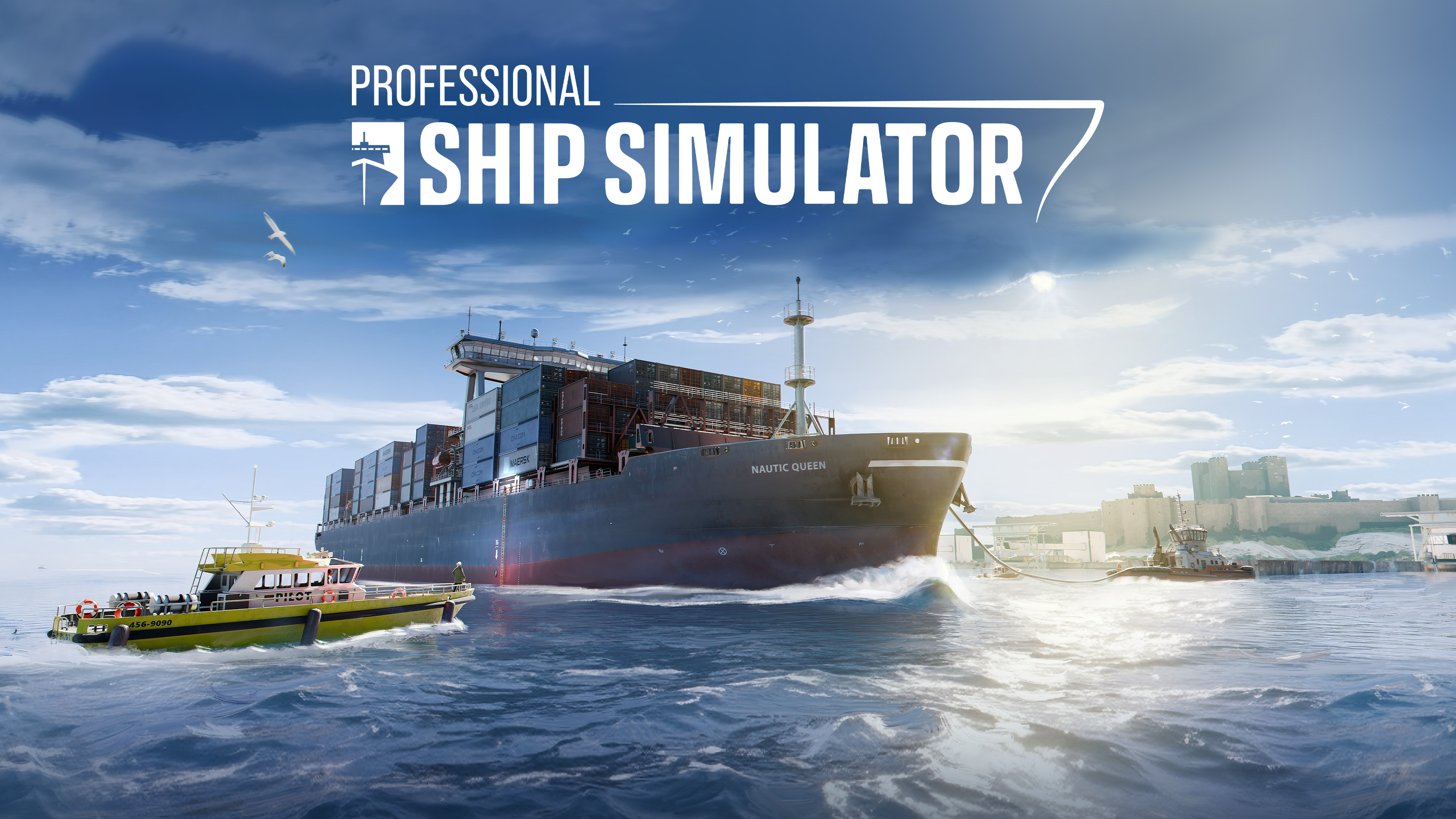
The roster of operable watercraft in Professional Ship Simulator is expansive, catering to a wide spectrum of maritime disciplines. Players can take command of:
- Tugs and Salvage Vessels: Mastering delicate towage operations, harbor maneuvers, and emergency response tasks.
- Container Ships and LNG Carriers: Managing massive inertia, windage profiles, and specialized cargo safety protocols.
- Research Vessels and Passenger Ferries: Executing precise docking procedures under tight schedules and adverse conditions.
Every vessel is fully interactive. Players must manage ballast systems, deploy anchor chains, handle mooring lines, configure radar settings, and coordinate engine telegraphs. The software tracks performance metrics meticulously, grading players on fuel efficiency, adherence to safety regulations, cargo integrity, and docking precision.
Official Statements and Industry Perspective
While specific marketing soundbites from the leadership at Aerosoft and SWE Systems emphasize the dual nature of the software as both an engaging entertainment product and a rigorous training aid, industry analysts have already begun weighing in on its significance.
Maritime simulation experts note that the boundary between commercial training simulators—which often cost tens of thousands of dollars—and consumer-grade software has been narrowing for years. By leveraging modern game engine technology, developers can now render photorealistic water shaders, complex atmospheric scattering, and advanced rigid-body physics on standard consumer hardware.
An excerpt from the collaborative press materials highlights the core philosophy of the project:
"Our objective was never to simplify the ocean. The sea is unforgiving, complex, and deeply technical. By bringing institutional-grade hydrodynamics to a mainstream platform like Steam, we are offering both simulation veterans and aspiring mariners an authentic window into the world of professional seamanship."
Furthermore, the inclusion of robust Mod Support underscores the developers’ long-term vision. By empowering the community to create and integrate custom vessels, port environments, and mission scripts, Aerosoft and SWE Systems have laid the groundwork for a thriving ecosystem that will extend the software’s lifespan well beyond its initial launch window.
Future Outlook
As the maritime industry continues to embrace digitalization, remote monitoring, and automated navigation assist systems, software like Professional Ship Simulator serves an increasingly vital role. It not only preserves the traditional art of manual seamanship and bridge resource management but also introduces a new generation of enthusiasts to the profound responsibilities associated with global maritime commerce.
The September 16, 2026 launch on Steam marks only the beginning for Professional Ship Simulator. With plans for post-launch expansions, additional regional waters, and continuous refinement of its artificial intelligence and physics engines, the platform is well-positioned to set a new benchmark for the genre. For those willing to master the complexities of the open water, the digital bridge is nearly ready for command.





Belum ada komentar. Jadilah yang pertama berkomentar!