

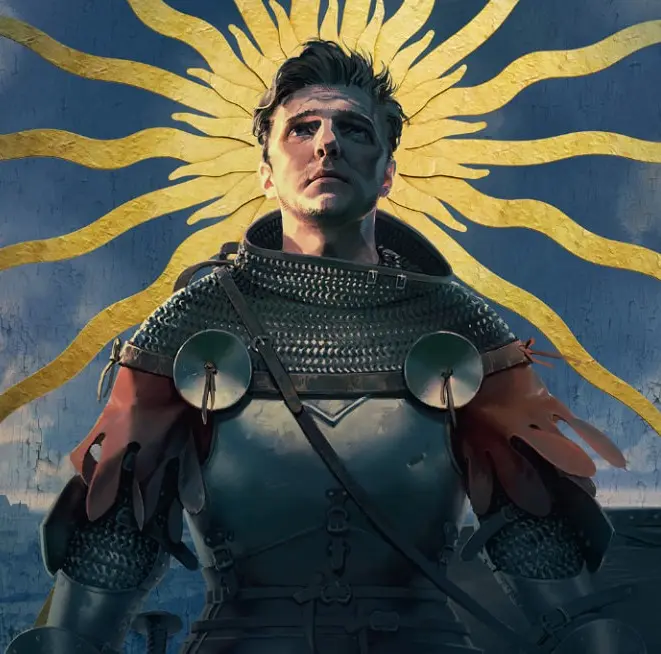
Executive Overview
For over a decade, the Metro video game franchise—born from the apocalyptic imagination of Russian author Dmitry Glukhovsky and meticulously brought to life by Ukrainian developer 4A Games—has stood as a pillar of atmospheric, narrative-driven first-person shooters. Rooted in the claustrophobic, irradiated ruins of a post-nuclear Moscow, the series has long grappled with heavy, existential questions: the unspeakable cost of global nuclear conflict, the grim complexities of human nature, and the desperate struggle for survival in a world fundamentally broken by mankind’s hubris.
However, the creative reality of making a game about the apocalypse has taken a harrowing, irreversible turn for the studio. With core team members operating out of Ukraine under the constant, terrifying duress of Russia’s full-scale invasion, the speculative fiction of the Metro universe has collided with brutal, unvarnished reality. The human toll has been deeply personal; 4A Games tragically lost one of its own animators, Andrii ‘Nizrok’ Korzinkin, who laid down his life while fighting to defend Ukraine against the ongoing Russian assault in 2022.
As 4A Games looks toward the release of its next major title, Metro 2039, the leadership team—including Executive Producer Jon Bloch and Co-Creative Director Pawel Ulmer—has revealed that the studio’s real-world trauma is fundamentally reshaping the franchise’s core narrative philosophy. Abandoning the comfortable tropes of post-apocalyptic moral ambiguity, where everyone is merely the "hero of their own story" amid scarce resources, Metro 2039 introduces a starker, far more definitive perspective. Facing the unmitigated horrors of authoritarian aggression firsthand, the developers have discarded shades of grey in favor of clear moral delineation: when tyranny marches, there is no noble complexity—only pure, unadulterated evil.
Detailed Chronology: From Speculative Fiction to Frontline Reality
To understand the profound transformation underway at 4A Games, one must trace the timeline of the studio’s evolution alongside the geopolitical nightmares unfolding in Eastern Europe.
The Origins of 4A Games and the Pre-War Era
Founded in Kyiv in 2006 by veterans of the Eastern European game development scene, 4A Games established its reputation on crafting deeply immersive, highly atmospheric survival-horror shooters. Metro 2033 (2010) and Metro: Last Light (2013) presented a bleak future where humanity cowered in the subway tunnels beneath Moscow. While the games featured political factions—ranging from militaristic Neo-Nazis to fanatical Soviet revivalists—the overarching narrative maintained a detached, philosophical distance. War was depicted as a cyclical tragedy born of systemic human flaws, a cautionary tale about hypothetical future mistakes.
The Shift to Open-World Ambition and Geopolitical Tensions
By the time Metro Exodus launched in 2019, 4A Games had expanded its footprint, establishing a primary studio in Malta while maintaining its deep engineering and artistic roots in Kyiv. The game moved players out of the claustrophobic tunnels and onto the scorched surface of a ruined Russia, expanding themes of tribalism, hope, and survival. Even then, the political undertones were unmistakable, though they remained safely categorized within the realm of speculative fiction.
The 2022 Full-Scale Invasion and its Human Toll
Everything changed on February 24, 2022, when Russia launched its unprovoked, full-scale invasion of Ukraine. The war violently shattered the boundary between the developers’ professional lives and their physical survival. Studios across Kyiv and the wider country were forced to adapt to air raid sirens, power grid collapses, and the displacement of families.
Amid this national trauma, 4A Games faced the ultimate tragedy: the loss of animator Andrii ‘Nizrok’ Korzinkin, who volunteered to defend his homeland and was killed in action. Korzinkin’s death transformed the abstract grief of the Metro universe into an intimate, bleeding wound for the development team. Concurrently, fellow Ukrainian studio GSC Game World faced similar existential pressures while finalizing S.T.A.L.K.E.R. 2: Heart of Chornobyl, navigating rocket strikes, rolling blackouts, and the loss of team members on the front lines.
The Evolution Toward Metro 2039
For the past four and a half years, the personnel behind 4A Games have lived and worked under the constant shadow of war. This prolonged exposure to the realities of military aggression has profoundly altered their creative trajectory, culminating in the conceptualization and development of Metro 2039. Rather than retreating into escapism, the studio has chosen to channel its lived experiences directly into the artistic DNA of the project, forcing a radical re-evaluation of how morality, heroism, and villainy are portrayed within interactive media.
Supporting Context & Metrics: Art, Politics, and Digital Warfare
The intersection of Ukrainian game development and geopolitical conflict has generated unprecedented metrics and cultural flashpoints over the past few years, illustrating the immense power and visibility that modern video games command.
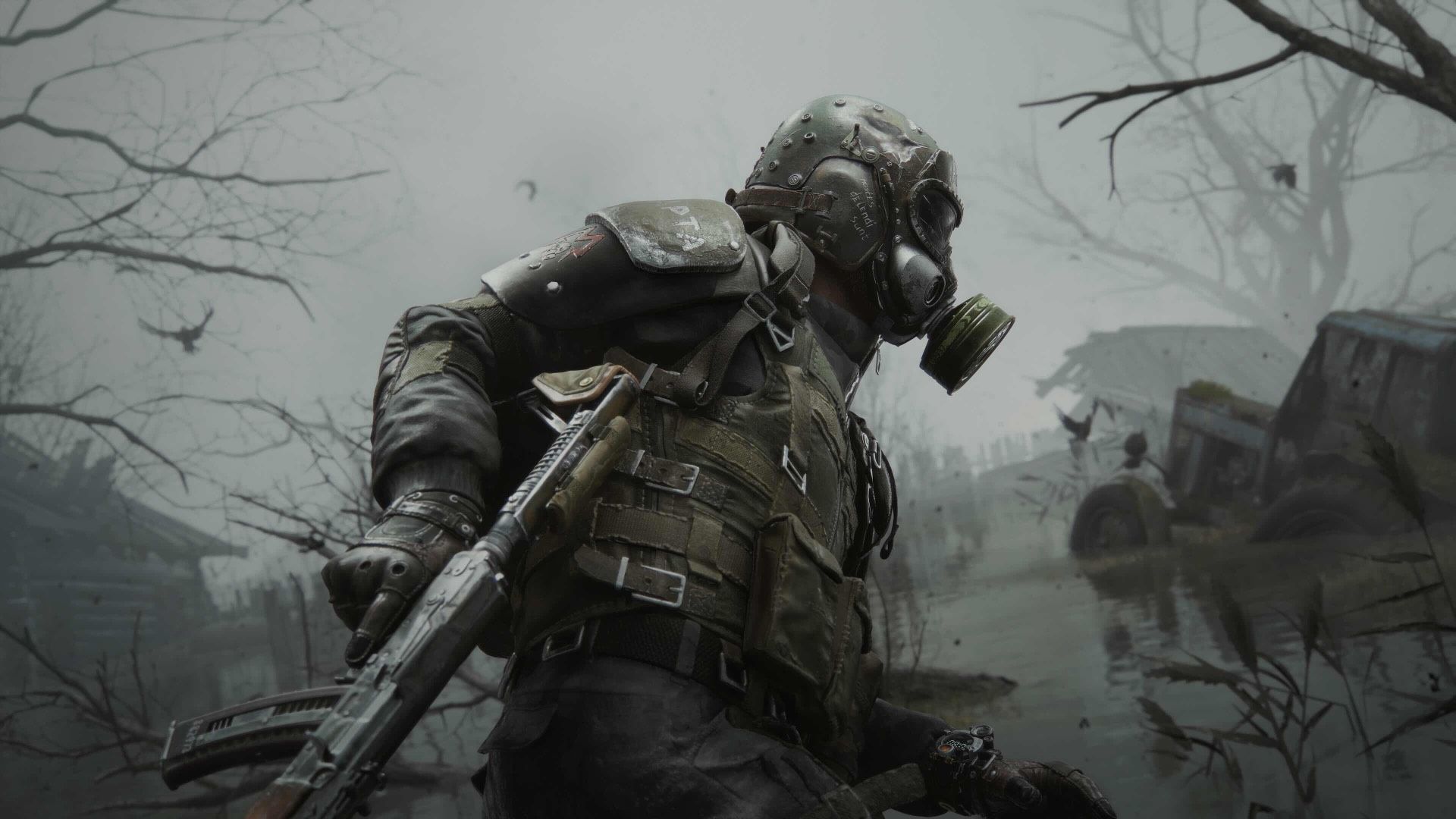
- The Stalker 2 Internet-Throttling Phenomenon: When GSC Game World finally released S.T.A.L.K.E.R. 2, the anticipation and domestic demand within Ukraine were so overwhelming that the digital downloads temporarily throttled the entire nation’s internet infrastructure for hours on launch day. This demonstrated the vital cultural and morale-boosting role that domestic game development plays for a country at war.
- State-Sponsored Disinformation Campaigns: The cultural impact of Ukrainian studios has made them targets of hostile foreign actors. Russian state-backed entities actively attempted to spark international boycotts of S.T.A.L.K.E.R. 2, employing elaborate disinformation campaigns—including fabricated claims that purchasing the game would somehow draft players into the armed conflict in Ukraine.
- Studio Diaspora and Resilience: Despite relocating administrative hubs to places like Malta, 4A Games’ core identity remains inextricably tied to its Ukrainian workforce. The studio has had to balance agile remote work protocols, psychological trauma support for employees under shell fire, and the complex logistics of producing AAA-grade hardware-intensive graphics cards-melting gameplay trailers amidst national infrastructure failures.
Official Statements from the Development Team
In recent interviews, the creative leadership at 4A Games has provided unprecedented insight into how their worldview has shifted, and how that shift dictates the narrative direction of Metro 2039.
Executive Producer Jon Bloch explained to industry media the fundamental philosophical pivot the studio has undergone:
"The previous games were about preventing war; the themes and the morals and all that supported this idea that revolved around ‘how do we as humans stop the cycle that we keep finding ourselves in’. And when Russia started its full-scale invasion of Ukraine, that brought war to our doorstep. Now, our team has been living in a state of war for the last four and a half years. And that changes things. Significantly."
Elaborating on how this affects narrative morality, Bloch dismantled the comfortable narrative tropes of grey post-apocalyptic storytelling:
"In a situation like this, as the story explores what authoritarian regimes do, and what happens when one takes over, and what happens as they grow and take more and more power… there is nothing good about that. There is only evil involved in that. And so the grey morality of the past needs to be more defined now. It needs to be more specific and clear. And so our approach needed to change and, therefore, the story needed to change… Now that war is here, we need to talk about the consequences of it. We’re not building this based off of literal real-world events, but Metro has always been political and it continues to be that in the lessons and the morals that the game tries to teach."
Co-Creative Director Pawel Ulmer echoed these sentiments, emphasizing the unique responsibility artists hold while creating speculative fiction against the backdrop of real-world catastrophe:
"We have this chance to show people what can actually happen if the world would stop working on preventing war. And ironically, we’re making [a game] in a world which is already dead! But our world—the real world—still has a chance. Metro was always about the cult of war, the propaganda, people dying, and the cost of others’ ambitions. It didn’t become politicised; it always has been. But what’s become uncomfortable is that the franchise’s very nature is getting too close to reality."
Future Outlook
As the release of Metro 2039 approaches, the gaming industry finds itself confronting uncomfortable truths about the relationship between entertainment and existential crisis. For decades, Western media has treated nuclear war and authoritarian dystopias as thrilling playground aesthetics—cool backdrops for power fantasies and morally ambiguous role-playing choices.
4A Games is shattering that illusion. By stripping away the comfortable narrative cushion of moral relativism, Metro 2039 promises to deliver an uncompromising look at the mechanics of tyranny and the devastating aftermath of imperial aggression. The developers are no longer writing speculative fiction from a place of detached intellectual curiosity; they are testifying from the front lines of human experience.
Ultimately, the journey of Metro 2039 serves as a stark reminder that while video game worlds may lie in ruins, the real world remains salvageable. Through their art, the resilient creators at 4A Games are issuing a clarion call to global audiences: recognize the warning signs of authoritarianism before the fiction of the metro tunnels becomes the grim reality of the surface world.



Belum ada komentar. Jadilah yang pertama berkomentar!