

Executive Overview
As the scorching days of summer cede to the crisp, cooler breezes of autumn, Japan’s seasonal landscape undergoes a remarkable culinary transformation. The arrival of fall is signaled not merely by falling leaves, but by an unmistakable, comforting aroma that drifts through neighborhoods nationwide: the scent of slowly roasted sweet potatoes. Tapping into this deeply ingrained cultural ritual, Starbucks Coffee Japan has consistently pushed the boundaries of seasonal beverage design. Following the early September rollout of its rich, multi-layered autumn lineup, the coffee giant has announced a purist’s dream: the Mitsuimo Milk.
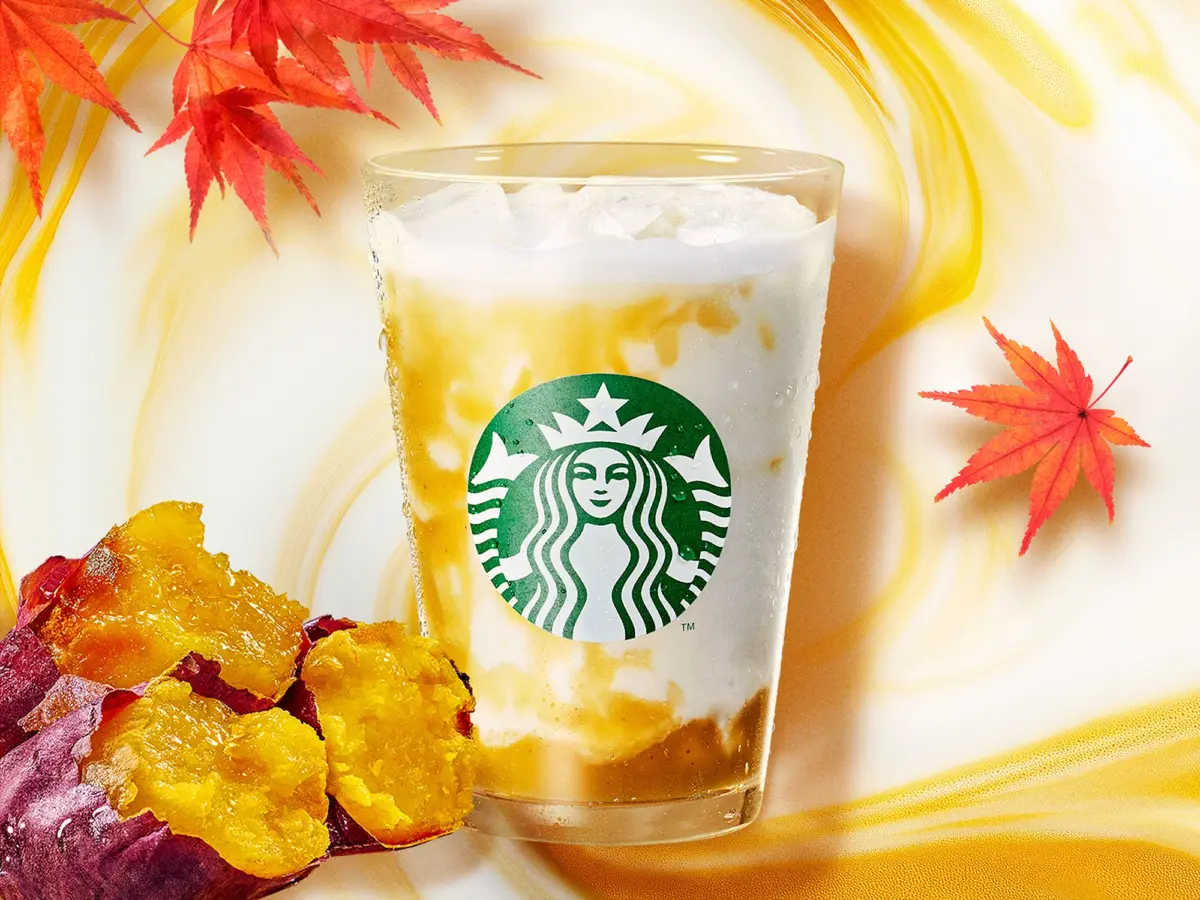
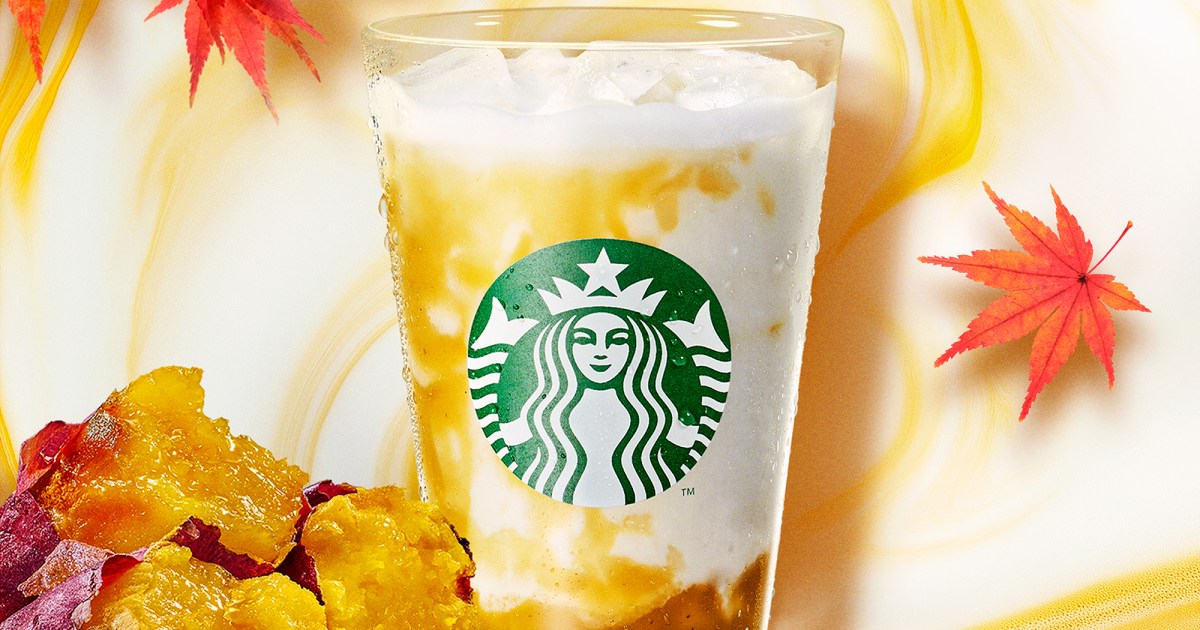
Launching nationwide on September 18, the Mitsuimo Milk strips away the intricate garnishes, complex mousses, and heavy mix-ins of its predecessors to deliver an unadulterated tribute to beni haruka—one of Japan’s most prized sweet potato cultivars. Priced accessibly at 618 yen ($4.10 USD) for takeout and 630 yen for dine-in, this limited-edition beverage promises to elevate the humble root vegetable into an exercise in minimalist gastronomy. By fusing baked sweet potato paste directly with velvety milk, Starbucks Japan is inviting consumers to experience the pure, concentrated essence of mitsuimo ("honey potato"), proving once again that true culinary sophistication often lies in simplicity.
Detailed Chronology: The Evolution of Starbucks Japan’s Autumn Sweet Potato Lineup
To fully appreciate the significance of the Mitsuimo Milk release, one must examine the meticulous pacing and strategic product development that Starbucks Japan employs during the autumn quarter.
Early September 2026: Setting the Stage with Complexity
The seasonal campaign officially commenced earlier this month with the simultaneous drop of two heavy-hitting, highly elaborate beverages: the Melty Mitsuimo Frappuccino and the Melty Mitsuimo Mousse Tea Latte.
These initial offerings were designed to maximize textural contrast and flavor complexity. The Melty Mitsuimo Frappuccino captivated adventurous palates by incorporating chunks of baked sweet potato embedded directly within a rich, blended ice base, layered with sweet potato sauce, and topped with whipped cream and a dusting of purple sweet potato powder. Concurrently, the Melty Mitsuimo Mousse Tea Latte catered to those seeking warmth and sophistication, pairing a fragrant tea foundation with a decadent, airy foam infused with the distinct, sugary notes of caramelized root vegetables.
These early-month releases served a dual purpose. First, they capitalized on the immediate consumer craving for autumn comfort foods. Second, they served as a sensory priming mechanism, reacquamiliarizing the Japanese palate with the distinct, syrupy profile of beni haruka potatoes after a long summer hiatus.
Mid-September 2026: The Pivot to Minimalist Perfection
Building upon the marketing momentum and consumer fervor generated by the Frappuccino and Tea Latte, Starbucks recognized an opening for a more focused, contemplative product. While the early September releases catered to dessert lovers seeking indulgence, market research and consumer feedback indicated a parallel demand for a beverage that allowed the core ingredient to shine without competition.
Enter the Mitsuimo Milk, scheduled for release on September 18. By eliminating secondary flavor notes—such as heavy tea infusions, complex spice blends, or multi-tiered whipped toppings—Starbucks shifted its strategy from culinary maximalism to minimalist reverence. The development team focused entirely on the symbiotic relationship between two components: concentrated baked sweet potato paste and premium, smooth dairy. This deliberate chronological progression—moving from complex and decadent to pure and elemental—masterfully sustains consumer interest throughout the fleeting autumn season.
Supporting Context & Metrics: The Science of Mitsuimo and Japan’s Sweet Potato Culture
Understanding why the Mitsuimo Milk is generating such intense anticipation requires an exploration of Japanese culinary terminology, agricultural science, and shifting consumer demographics within the country’s massive café culture.
The Phenomenon of Mitsuimo
In Japanese, the term mitsuimo literally translates to "honey potato." However, this descriptor refers not to a genetically modified hybrid, but to a miraculous chemical transformation achieved through specialized cooking techniques. When certain high-sugar sweet potato varieties—most notably beni haruka—are baked slowly at low temperatures over an extended period, the starches within the vegetable undergo enzymatic breakdown.
Specifically, beta-amylase enzymes convert the complex starches into maltose and other simple sugars. When these sugars reach a critical concentration within the flesh of the tuber, they liquefy into a viscous, amber-colored syrup that literally oozes out of the potato’s skin during the baking process. This syrupy nectar is intensely sweet, aromatic, and distinctly earthy. For generations, mitsuimo has been the holy grail of yaki-imo (roasted sweet potato) street vendors and specialty shops across Japan.
Agricultural Significance of Beni Haruka
Cultivated extensively across regions like Ibaraki, Kagoshima, and Chiba prefectures, beni haruka has risen to undisputed prominence in the Japanese agricultural market since its official registration in 2010. Its name, translating roughly to "far superior" (referring to its superiority over older varieties like Kintoki and Anno-imo), is well-earned.
Beni haruka boasts a striking appearance—a smooth, elongated purplish-red skin hiding a vibrant, golden-yellow interior. Beyond its aesthetic appeal, it possesses an exceptionally high sugar content and a moist, dense texture even when baked dry. These physical properties make it the ideal candidate for commercial flavoring agents, purees, and beverages. Starbucks Japan’s heavy reliance on beni haruka underscores a commitment to sourcing agricultural products that resonate deeply with domestic consumers who can readily distinguish between generic sweet potatoes and elite cultivars.
Economic and Market Metrics
Japan’s seasonal beverage market is fiercely competitive, dominated by domestic chains like Doutor and Tully’s, alongside international giants. Within this landscape, Starbucks Japan operates as an innovator, regularly driving substantial quarterly revenue spikes through localized, limited-edition menu items (such as annual Sakura-themed drinks in spring and chestnut/sweet potato variants in autumn).
According to retail analytics within Japan’s food and beverage sector, seasonal limited-time offers (LTOs) account for a disproportionate percentage of total customer acquisition and brand engagement during transitional months. Consumers—particularly tech-savvy, trend-conscious urbanites—frequently visit multiple store locations to sample new releases, share aesthetic photographs on social media platforms like Instagram and X (formerly Twitter), and collect digital stamps or promotional items. The Mitsuimo Milk, with its clean, photogenic pastel-yellow hue and straightforward branding, is strategically positioned to dominate social media feeds throughout late September and October.
Official Statements & Product Architecture
While official press releases from Starbucks Coffee Japan emphasize the sensory experience of the beverage, industry analysts have broken down the precise structural mechanics that make the Mitsuimo Milk a technical achievement in beverage engineering.
Deconstructing the Recipe
Unlike traditional lattes that rely on espresso or brewed coffee as a base, the Mitsuimo Milk is entirely caffeine-free, positioning it as an inclusive, comforting evening treat or afternoon pick-me-up for a broad demographic.
- The Sweet Potato Paste Base: At the heart of the drink is a proprietary blend of roasted beni haruka paste. Sourced and processed to retain the micro-fibers and authentic roasted flavors of a freshly baked tuber, this paste provides the thick, velvety body that mimics the mouthfeel of eating a roasted sweet potato with a spoon.
- The Dairy Integration: Starbucks utilizes high-fat, ultra-pasteurized dairy milk designed to bind smoothly with the dense potato starch. This prevents the paste from settling at the bottom of the cup, ensuring a uniform, creamy consistency from the first sip to the last.
- The Flavor Profile: Without competing notes of cinnamon, nutmeg, or espresso, the palate experiences a clean progression: an initial wave of rich, caramelized milk, followed by the deep, buttery, and unmistakably honey-sweet notes of oven-baked beni haruka, finishing with a clean, lingering creaminess.
Pricing and Accessibility
Demonstrating sensitivity to current economic fluctuations and cost-of-living pressures, Starbucks Japan has maintained accessible pricing for the Mitsuimo Milk:
- Takeout (To-go): 618 yen (approx. $4.10 USD)
- Dine-in (Eat-in): 630 yen (approx. $4.18 USD)
By keeping the price point slightly below the more elaborate Frappuccino variants—which often breach the 680-yen threshold due to complex toppings—Starbucks ensures that the Mitsuimo Milk remains an impulse-buy-friendly option for daily commuters and students alike.
Future Outlook: The Longevity of Minimalist Seasonality
The launch of the Mitsuimo Milk raises an intriguing question regarding the future trajectory of seasonal menu development in the global coffee industry. For years, the prevailing trend—exemplified by the ubiquitous pumpkin spice latte phenomenon in North America—has been one of accumulation. Brands continuously piled on artificial flavors, excessive syrups, whipped cream layers, and elaborate drizzles to capture consumer attention in a crowded marketplace.
Starbucks Japan’s pivot toward minimalist celebration of single-origin agricultural products suggests a maturing consumer base. Modern café-goers are increasingly sophisticated; they do not merely want to taste "autumn"; they want to taste beni haruka, hojicha, or sakura in their most authentic, unmasked states.
If the Mitsuimo Milk performs as projected by retail analysts, it could pioneer a new paradigm for Starbucks divisions worldwide. Instead of obscuring local harvests beneath layers of commercial flavoring syrups, future seasonal rollouts may increasingly favor hyper-focused, ingredient-forward preparations that honor the terroir and agricultural heritage of the regions in which they are sold.
As the Mitsuimo Milk hits shelves nationwide on September 18, it brings with it an invitation to pause, step away from the complexities of modern life, and savor the simple, profound magic of a roasted sweet potato transformed into a cup of liquid comfort. For Japan’s legions of autumn enthusiasts, the harvest season has never tasted so pure.








Belum ada komentar. Jadilah yang pertama berkomentar!