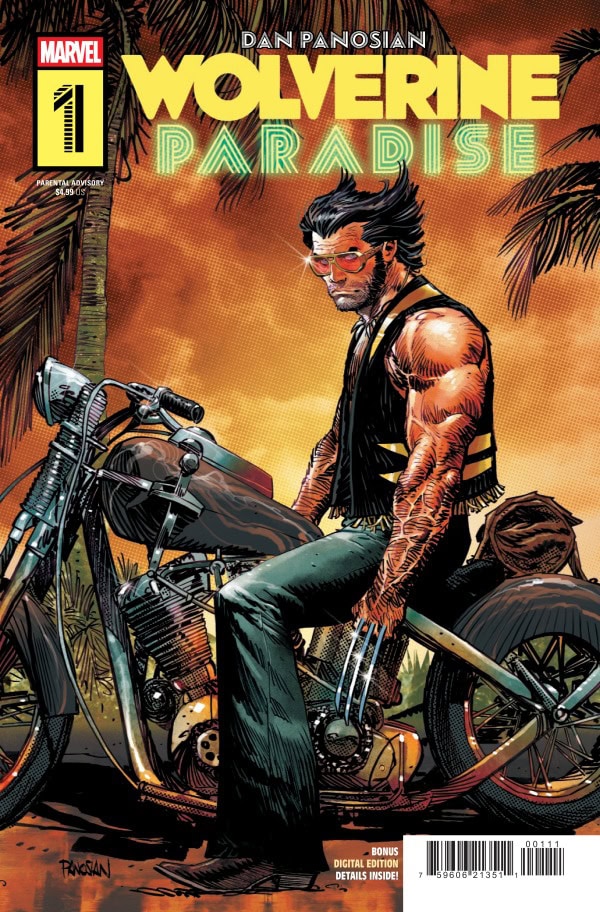
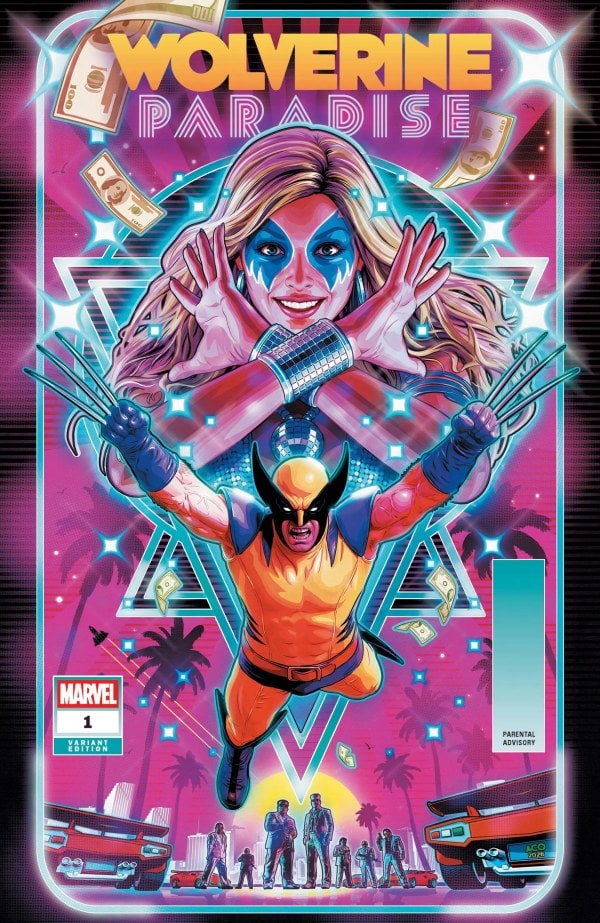
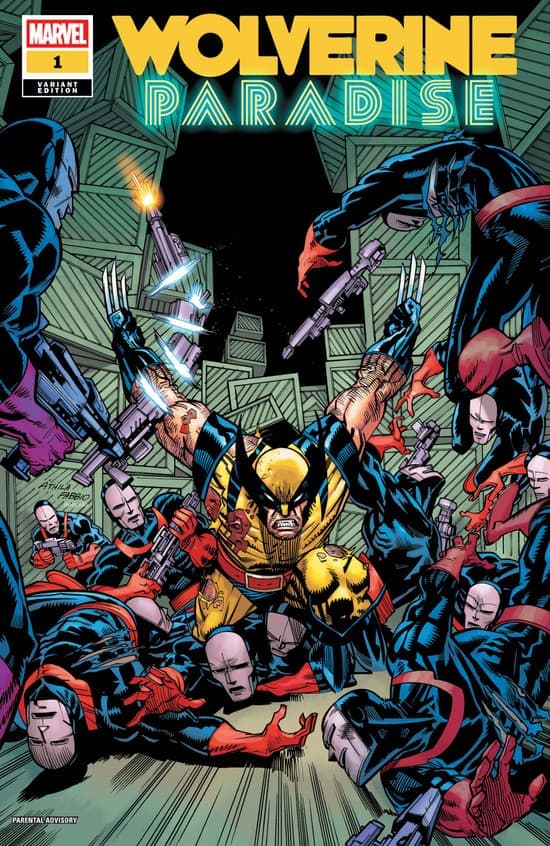
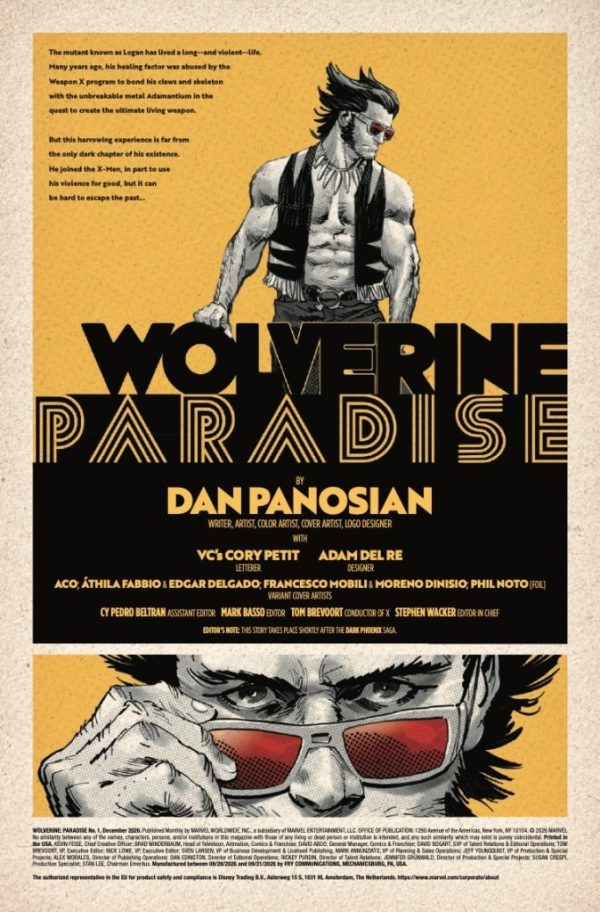
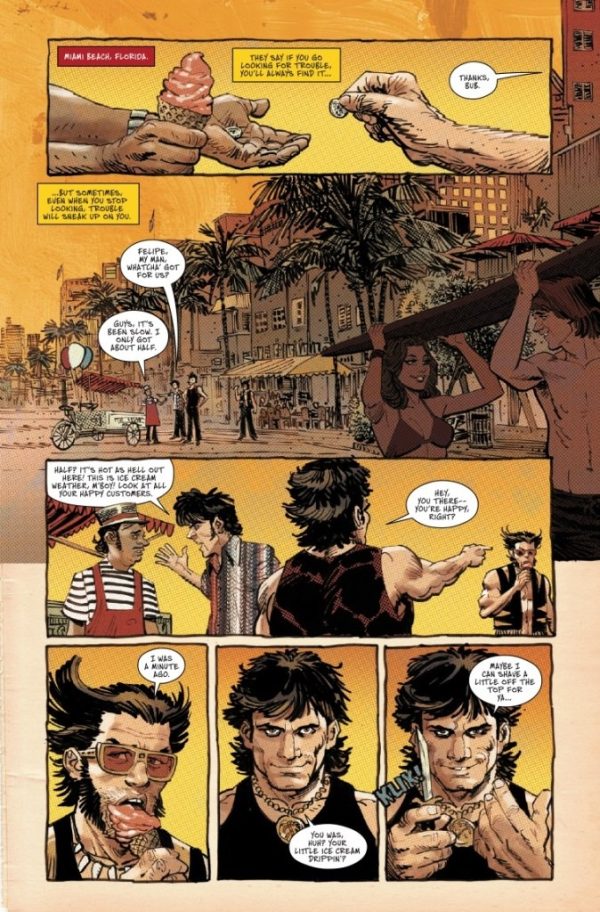
The sun-drenched shores of Miami, Florida, are typically associated with pastel-colored art deco architecture, luxury yachts, and a carefree tourist paradise. However, Marvel Comics is about to drag one of its most ferocious mutants headfirst into the city’s underbelly. This week marks the official release of Wolverine: Paradise #1, an auteur-driven miniseries written and illustrated by industry veteran Dan Panosian.
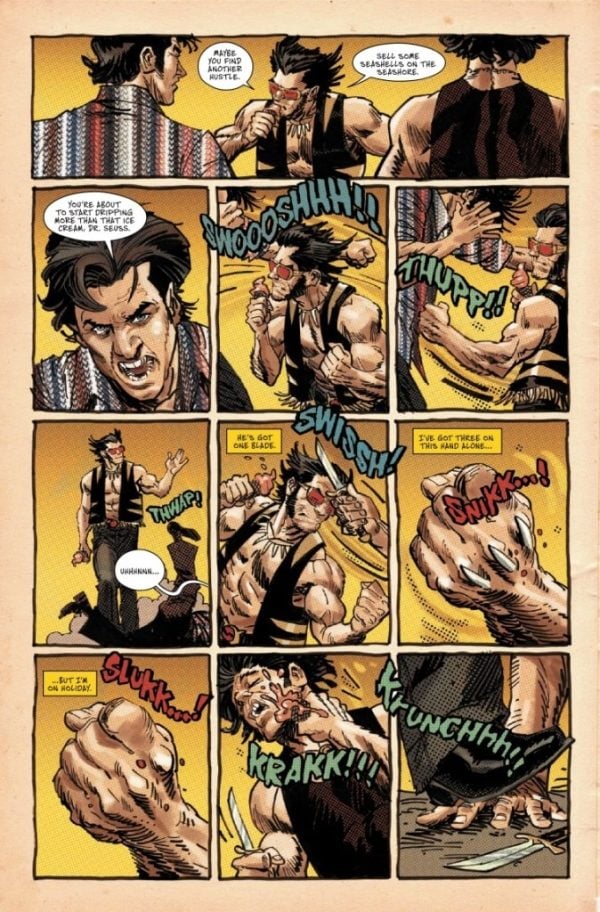
Stepping far away from the sprawling team dynamics, high-stakes galactic conflicts, and mutant politics of the X-Men, this new title zeroes in on Logan in a localized, hard-boiled crime thriller. Beneath the shimmering neon lights and luxurious facade of South Florida lies a simmering criminal underworld—a crucible designed to test the limits of the warrior, the mutant, and the man known as Wolverine.
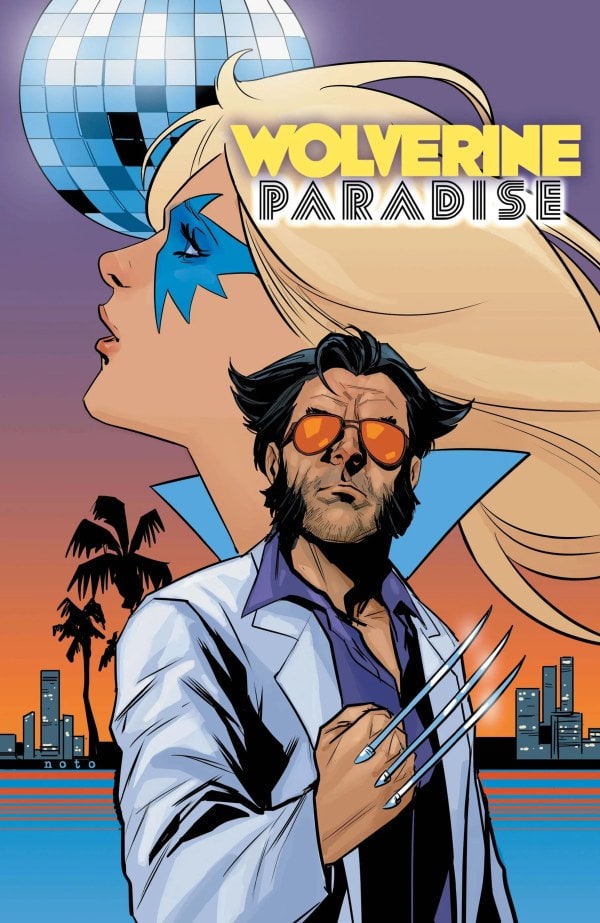
Featuring the high-voltage guest star Dazzler, Wolverine: Paradise #1 promises to subvert expectations of what a tropical getaway looks like for Marvel’s favorite Canucklehead. As fans prepare to grab their copies this October 14th, this deep-dive report explores the creative mechanics behind the book, the narrative trajectory established by Dan Panosian, and what this stylistic shift means for the broader landscape of modern comic book publishing.
Detailed Chronology: The Journey to Paradise
To understand the weight of Wolverine: Paradise #1, one must trace the recent evolutionary steps of Logan’s solo publication history. For years, Marvel’s flagship mutant titles have operated under massive crossovers, spanning continuity-heavy eras like the Kraven-heavy or Krakoa-driven paradigms. Logan has fought alongside his mutant brethren across celestial planes, parallel dimensions, and island utopias.
However, a distinct appetite has grown among comic book readers for "back-to-basics" storytelling—narratives that strip away cosmic baggage and focus squarely on character psychology. The seeds for Wolverine: Paradise were planted when Marvel editorial began actively seeking out creator-driven, self-contained arcs that could appeal to both lifelong enthusiasts and casual readers dropping in for a cinematic standalone experience.
Dan Panosian, widely revered for his distinct artistic style and sharp noir sensibilities, pitched a concept that took Logan entirely out of his comfort zone. Instead of the frozen Canadian wilderness, the shadowy alleyways of Madripoor, or the urban sprawl of New York City, Panosian pitched the sun-baked, claustrophobic pressure cooker of Miami.
Production on the series ramped up throughout the middle of the year, culminating in Marvel’s official rollout of promotional previews, character designs, and interior page leaks. The narrative chronology kicks off this week, positioning Logan on a solitary path that quickly intersects with the glittering pop-star-turned-mutant-hero, Dazzler. What starts as a temporary reprieve from X-Men affairs swiftly degrades into an escalating spiral of violence, betrayal, and underworld intrigue.
Supporting Context & Metrics: The Economics of Solo Mutant Titles
Wolverine remains one of the most bankable and thoroughly analyzed intellectual properties in the entire comic book industry. Understanding the metrics surrounding solo character books sheds light on why Marvel continues to greenlight high-profile, auteur-led miniseries like Paradise.
Market Positioning and Pricing
Release Date: October 14th
Cover Price: $4.99
Format: Single-issue comic book (Print and Digital via Amazon Kindle/ComiXology)
Creative Team: Dan Panosian (Writer & Artist)
The Solo Book Phenomenon
Historically, solo Wolverine ongoing series consistently rank within the top tier of monthly comic book sales charts. Readers have a relentless appetite for stories that explore Logan’s dual nature: the civilized man attempting to suppress his animalistic urges, juxtaposed against the unstoppable berserker.
By framing Paradise #1 at a $4.99 price point, Marvel positions the book as a premium direct-market release. The inclusion of Dan Panosian as both writer and artist—a rare "full-auteur" approach in mainstream superhero comics—adds a layer of artistic cohesion that collectors frequently seek out. Single-creator or dual-role books often experience secondary market surges, particularly when the visual style deviates sharply from house-style norms.
Furthermore, digital accessibility through platforms like ComiXology and Amazon Kindle ensures that the book captures an international audience that might not have immediate access to a physical brick-and-mortar comic book specialty shop.
Official Statements and Creative Vision
The creative direction of Wolverine: Paradise #1 is heavily defined by Dan Panosian’s distinct storytelling philosophy. In promotional materials released by Marvel Comics, the publisher emphasizes the gritty, noir-soaked transformation awaiting the titular character:
"ESCAPE… INTO DANGER! LOGAN steps away from the X-MEN… but awaiting under the glitz and glamour of MIAMI is a simmering criminal underworld and a crucible that will bring out the warrior, the mutant, the Wolverine! Writer-artist DAN PANOSIAN takes the reins of Wolverine, steering him into an all-new, can’t-miss, auteur-driven adventure, where ‘paradise’ ain’t exactly what you’d expect."
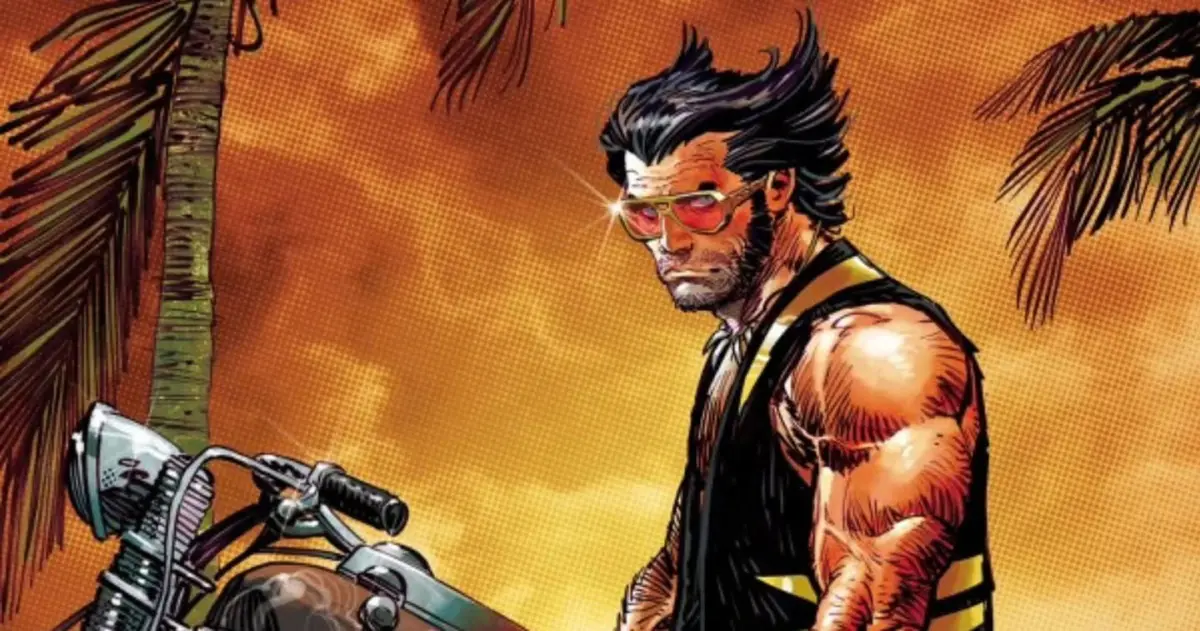
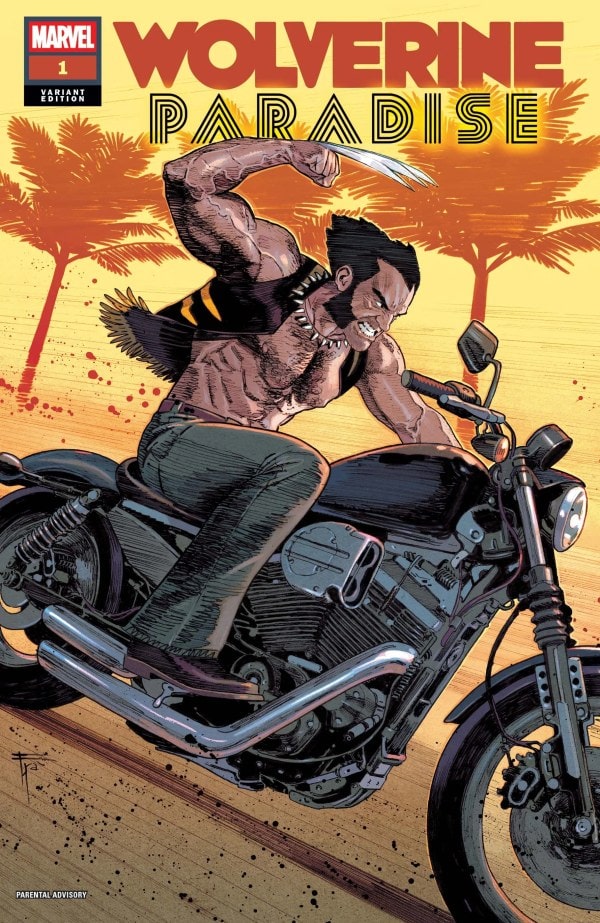
Panosian, whose previous work has often explored morally gray characters and atmospheric settings, leans heavily into the contrast between Miami’s blinding exterior and its dark, violent interior. The bright neon lights, palm trees, and ocean breezes serve as a striking visual counterweight to the blood-stained adamantium claws and visceral combat that define Logan’s presence.
Adding further dimension to the narrative is the integration of Alison Blaire, better known as Dazzler. While Dazzler is frequently celebrated for her dazzling stage presence and light-manipulation powers, placing her alongside Wolverine in a gritty Miami crime drama forces both characters to adapt to an environment where their usual safety nets are stripped away. According to early promotional text:
"Along with guest star DAZZLER, the heat is on and will only cook hotter from here on out, so don’t miss the launch of this all-new series!"
This dynamic offers a fascinating character study. Dazzler’s luminous pop-culture stardom clashes brilliantly with Logan’s shadowy, cynical demeanor, creating an entertaining character friction that grounds the high-stakes action.
Future Outlook: What Paradise Means for Logan’s Future
As Wolverine: Paradise #1 hits shelves, industry analysts and fans alike are looking toward the future to gauge how this miniseries will impact the wider Marvel Universe.
Auteur-driven limited series often serve as testing grounds for new creative directions. If Paradise resonates strongly with readers—both through critical acclaim and robust sales figures—it could pave the way for more localized, genre-bending explorations of classic Marvel heroes. Rather than relying solely on universe-shattering events, Marvel may increasingly look toward self-contained, mood-driven storytelling that treats characters like Logan through the lens of specific cinematic genres, such as neo-noir, westerns, or psychological thrillers.
Moreover, the pairing of Wolverine and Dazzler in such an unconventional setting opens up narrative avenues that future writers can explore. As the storyline progresses through its upcoming issues, readers can expect the stakes to escalate rapidly, forcing Logan to confront enemies who operate outside the traditional binary of mutant-versus-human prejudice, diving instead into the ruthless, cutthroat economics of organized crime.
For collectors and weekly readers, Wolverine: Paradise #1 represents a prime entry point into a fresh, uncompromised artistic vision. Whether you are a die-hard fan of the mutant anti-hero or a newcomer drawn in by the sun-drenched noir aesthetic, this week’s release proves that even in paradise, Logan can never truly escape the shadow of his own claws.










Belum ada komentar. Jadilah yang pertama berkomentar!