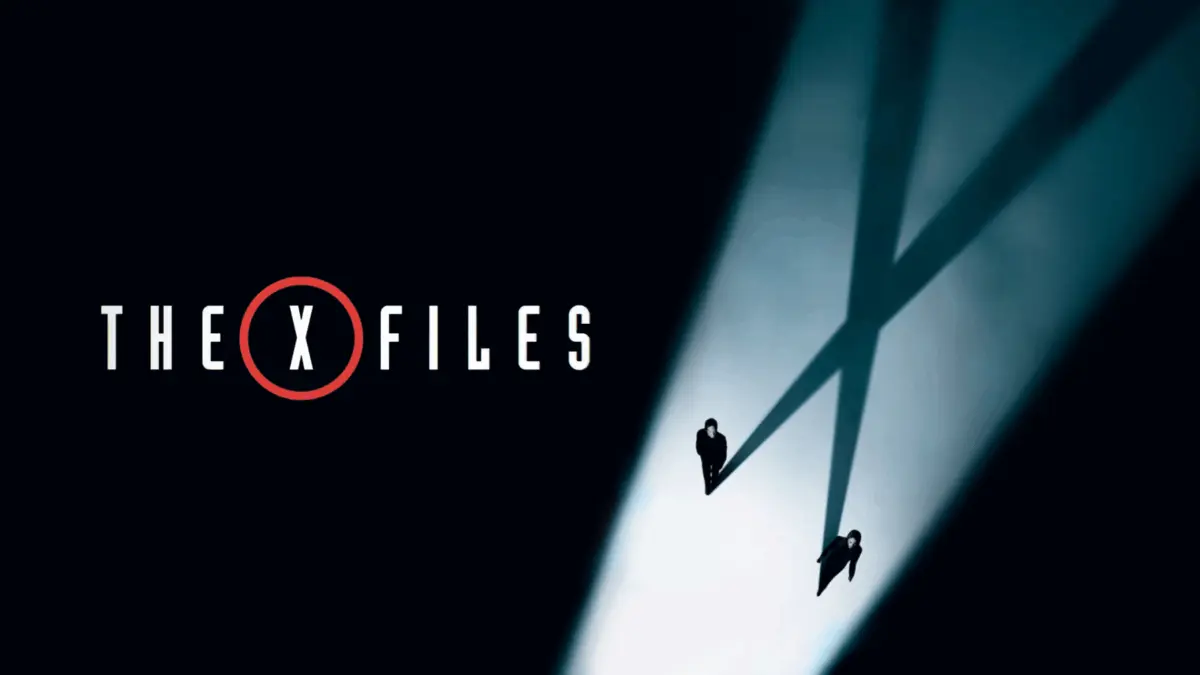
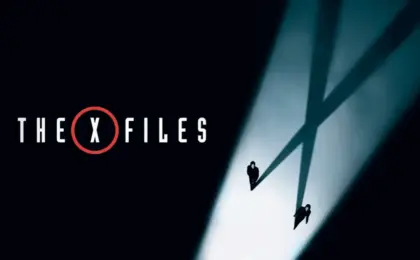
The landmark science-fiction television landscape is preparing for a seismic shift as Hulu officially grants a formal series order to a high-profile reboot of The X-Files. Spearheaded by visionary filmmaker Ryan Coogler—celebrated for his work on cinematic heavyweights such as Black Panther and Sinners—the upcoming series represents a major new chapter for one of the most culturally significant properties in television history.
Coogler, who personally wrote and directed the pilot episode, will serve as an executive producer alongside showrunner Jennifer Yale (See). The production brings together an elite creative ecosystem, including Proximity Media, Onyx Collective, and 20th Television. Stepping into the shadowy shoes previously occupied by television icons David Duchovny and Gillian Anderson are critically acclaimed actors Danielle Deadwyler (The Woman in the Yard) and Himesh Patel (The Odyssey). They will portray two highly decorated yet fundamentally divergent FBI agents forced into an uneasy alliance within a long-shuttered division tasked with investigating unexplained phenomena.
The announcement not only breathes new life into Chris Carter’s legendary mythos but also underscores a broader industry trend: the high-budget, auteur-driven revitalization of foundational genre television for the streaming era. With Carter attached as an executive producer to safeguard the integrity of the original property, the Hulu reboot aims to strike a delicate balance between honoring a beloved 1990s legacy and introducing a bold, contemporary perspective to a new generation of viewers.
Detailed Chronology: From 1990s Phenomenon to Streaming Revival
To fully understand the weight of Hulu’s new series order, one must examine the sprawling, culturally transformative history of The X-Files.
The Fox Era and Cultural Omnipresence (1993–2002)
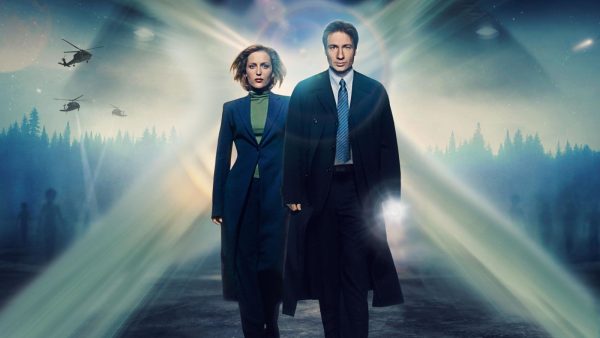
Created by Chris Carter and broadcast on the Fox network, The X-Files premiered on September 10, 1993. The series chronicled the professional and personal dynamics of FBI Special Agents Fox Mulder (Duchovny), a true believer in the paranormal, and Dana Scully (Anderson), a medical doctor and skeptic assigned to debunk his work. Together, they investigated the "X-Files"—marginalized cases dealing with paranormal occurrences, alien abductions, cryptozoology, and government conspiracies.
Over nine original seasons, the series evolved from a cult favorite into a global pop-culture behemoth. It defined 1990s television aesthetic, fueled conspiracy theories during the pre-social-media internet boom, and popularized the phrase "The Truth Is Out There." The show’s influence paved the way for serialized mystery storytelling on network television, directly inspiring shows like Lost, Fringe, and Supernatural.
During its original run, the franchise expanded to the silver screen with the 1998 feature film The X-Files (often referred to as Fight the Future), which bridged the gap between seasons five and six. The television run officially concluded in May 2002 with a two-part series finale, though the cultural footprint remained indelible.
The Revival Era and Extended Universe (2016–Present)
Thirteen years after the series wrapped, Fox successfully lured Carter, Duchovny, and Anderson back for a revival event series. Billed as "Season 10," this six-episode run premiered in January 2016 to massive ratings, proving that the appetite for Mulder and Scully’s dynamic had not waned. Buoyed by its success, a second revival run ("Season 11") consisting of ten episodes aired in early 2018. Although Gillian Anderson stated firmly that Season 11 would be her final outing as Dana Scully, the franchise machine continued to turn.
The subsequent years saw steady expansion across various mediums. In 2008, a second feature film, The X-Files: I Want to Believe, received a director’s cut release titled The X-Files: I Want to Believe — Vrach Frankenshteyn. Furthermore, the transmedia footprint of the property grew significantly when Dynamite Entertainment and Disney announced a brand-new comic book series slated for release this December, promising fresh adventures for Mulder and Scully outside of live-action television.
The Genesis of the Ryan Coogler Reboot
Discussions regarding a modern reimagining of The X-Files first surfaced publicly when Chris Carter revealed that Ryan Coogler had approached him with an interest in taking on the franchise. Rather than executing a direct continuation or a cheap cash-grab sequel, Coogler envisioned a total reinvention of the premise—retaining the eerie, bureaucratic corridors of the FBI and the investigation of the impossible, but filtering it through a distinctly modern, auteur-driven lens.
Following an intensive development period and the successful production of Coogler’s self-penned and self-directed pilot, Hulu has officially committed to a full series order, setting the stage for the next major evolution of the intellectual property.
Supporting Context & Metrics
The decision by Hulu and its parent company Disney to invest heavily in The X-Files brand is supported by compelling industry metrics and shifting media consumption habits.
Intellectual Property Valuation in the Streaming Wars
In an era where streaming platforms vie aggressively for subscriber retention, established intellectual property (IP) with built-in global recognition remains the most valuable currency in Hollywood. The X-Files possesses decades of brand equity, a fiercely loyal multi-generational fanbase, and a sprawling mythos that easily translates across episodic and serialized formats. By housing the reboot on Hulu—and leveraging production backing from Onyx Collective and 20th Television—Disney is positioning the franchise as a prestige-tier tentpole capable of competing with premier sci-fi offerings across rival platforms.
The Auteur Television Model
Ryan Coogler’s involvement signals a continuation of the industry-wide shift toward high-profile cinematic creators taking total creative ownership of television properties. Coogler, whose directorial portfolio boasts critical acclaim and monumental box-office achievements (Black Panther, Creed, Fruitvale Station), brings immense prestige to the project.
Partnering Coogler with showrunner Jennifer Yale—whose writing and production credits include structurally complex, world-building dramas like See—ensures that the series will benefit from both visionary cinematic direction and seasoned television showrunning discipline.
Casting Dynamics: Danielle Deadwyler and Himesh Patel
The casting of Danielle Deadwyler and Himesh Patel marks a pivotal departure from the original series while preserving its core structural dynamic: the pairing of contrasting intellectual and emotional approaches to the unknown.
Danielle Deadwyler: Fresh off her powerhouse performances in projects like Till and The Woman in the Yard, Deadwyler brings immense emotional gravity, intensity, and gravitas to the screen. Her casting suggests a hardened, deeply focused operative who approaches unexplained phenomena with rigorous scrutiny and personal stakes.
Himesh Patel: Known for his versatile work in Yesterday, Station Eleven, and The Odyssey, Patel brings an understated intelligence, vulnerability, and sharp comedic or intellectual timing. His presence establishes an intriguing counterweight to Deadwyler, updating the skeptic-versus-believer dynamic for an era defined by institutional distrust and rapid technological advancement.
Official Statements and Creative Vision
The announcement of the series order was accompanied by enthusiastic remarks from the creative team spearheading the project.
Ryan Coogler expressed deep reverence for the original series while outlining his ambition for the new iteration:
"I’ve loved The X-Files for a long time, so getting the chance to write and direct the pilot has meant a great deal to me," Coogler stated. "What Chris Carter created is special, and we wanted to honor everything that made the original series connect with so many people while also finding our own way into that world."
Coogler also heaped praise on his cast and crew, emphasizing the collaborative nature of bringing the new world to life:
"Danielle and Himesh, along with the rest of our cast, have brought such original perspectives and performances to these characters, and watching that come together has been one of the most rewarding parts of the experience. I couldn’t have asked for better collaborators than my crew, colleagues at Proximity Media and our partners at Onyx Collective and 20th Television. I’m grateful for the trust and support they’ve given us as we take on this new chapter."
Series creator Chris Carter, who remains closely attached to the property as an executive producer, has expressed cautious optimism and support for Coogler’s vision, ensuring that the foundational DNA of the bureau, the clandestine meetings in dark parking garages, and the bureaucratic suppression of truth will remain intact under the new creative banner.
Future Outlook: What Lies Ahead for the Franchise
As pre-production ramps up and cameras prepare to roll on the full series order, several key questions and expectations loom large for the future of the X-Files universe.
1. Mythology vs. Monster-of-the-Week Format
One of the defining structural strengths of the original X-Files was its dual narrative engine: standalone "Monster-of-the-Week" episodes that allowed for creative horror and sci-fi anthologizing, paired with a dense, overarching alien-conspiracy mythology. It remains to be seen how Coogler, Yale, and their writers’ room will balance these elements. In modern prestige television, serialized storytelling often takes precedence, but the episodic nature of paranormal investigation offers endless room for inventive procedural narratives.
2. The Contemporary Conspiracy Landscape
When Mulder and Scully first walked the halls of the FBI in the 1990s, government conspiracies were largely viewed through the prism of Cold War paranoia, UFO cover-ups, and secretive shadow governments (like the Syndicate). Today, the cultural relationship with "conspiracy theories" has radically transformed. In an era dominated by deepfakes, institutional skepticism, algorithmic misinformation, and real-world technological surveillance, a modern iteration of The X-Files has fertile, albeit complex, ground to mine. How the series defines "the truth" in a post-truth society will be its defining creative challenge.
3. Expanding the Transmedia Ecosystem
With Dynamite and Disney launching a fresh comic book line this December, alongside the recent director’s cut release of I Want to Believe, the Hulu reboot arrives during a multi-platform renaissance for the property. If the Coogler-produced series achieves the critical and viewership milestones anticipated by Disney, viewers can expect The X-Files to reclaim its crown as a cornerstone of genre entertainment for years to come.
For now, fans old and new can rest assured: the files are being unsealed, the basement office is reopening, and the eternal reminder remains more relevant than ever—Trust No One, because the truth is out there, waiting to be uncovered.








Belum ada komentar. Jadilah yang pertama berkomentar!