

Executive Overview
For nearly a quarter of a century, Warcraft 3 has stood as a towering titan in the pantheon of real-time strategy (RTS) gaming. Its intricate mechanics, unforgettable lore, and vibrant custom-map scene shaped an entire generation of developers and players alike. When Blizzard Entertainment announced Warcraft 3: Reforged, the community erupted with anticipation. However, the 2020 launch proved to be a catastrophic misfire, plagued by broken promises, stripped-down features, and a severe graphical downgrade that alienated its loyal player base.
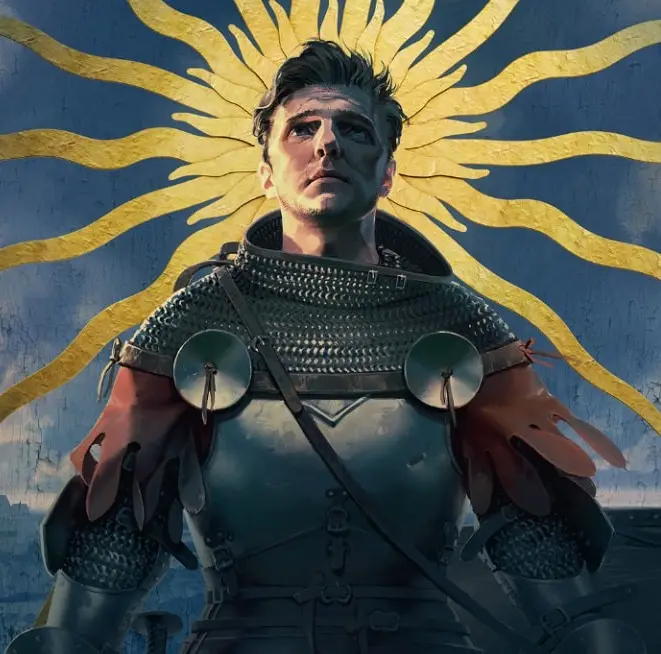
Years of painstaking repair work culminated in a dual-pronged milestone: the release of The Forsaken Kingdom—the first official new Warcraft 3 campaign in 23 years—alongside a massive, game-altering Patch 3.0. This sweeping update brought genuinely thrilling upgrades, including a brand-new graphics mode and a long-awaited quality-of-life feature that doubled the unit selection cap from 12 to 24.
Yet, as the community prepared to celebrate a hard-fought redemption arc, Blizzard snatched defeat from the jaws of victory. Buried within the patch notes were two deeply unpopular changes: Warcraft 3: Reforged now mandates a continuous internet connection, even for single-player modes, and completely strips away local area network (LAN) functionality. While Blizzard pointed players toward the legacy Warcraft 3 client for offline and LAN play, the decision has reignited fierce debates regarding game preservation, corporate overreach, and the perpetual thorn in modern gaming’s side: always-online DRM.
Detailed Chronology: From Launch Disaster to Patch 3.0
To understand the weight of Blizzard’s recent misstep, one must trace the tumultuous history of Warcraft 3: Reforged. The journey from its initial announcement at BlizzCon 2018 to the rollout of Patch 3.0 is a masterclass in how developer-player relations can fracture and slowly, laboriously heal.
The 2020 Debacle
When Warcraft 3: Reforged finally launched in January 2020, it was met with an unprecedented wave of community backlash. Fans who had pre-ordered the game expecting the cinematic storytelling, sweeping camera angles, and completely overhauled cutscenes promised during the initial reveal instead received a title that felt rushed and unpolished. Furthermore, the update forced changes onto the original Warcraft 3 client (often referred to as Classic), rendering old custom maps unstable, removing classic social features, and establishing strict ownership terms over custom game modes.
The backlash was so severe that Reforged briefly became the lowest-user-scored game in Metacritic history. For years, the title remained an embattled product, largely abandoned by casual players while a dedicated hardcore community soldiered on, hoping against hope that Blizzard would eventually fulfill its original vision.
The Long Road to Recovery
Gradually, the development team began implementing crucial bug fixes, ladder systems, and performance optimizations. But the true turning point arrived with the announcement and subsequent release of The Forsaken Kingdom expansion and the 3.0 patch.
The introduction of The Forsaken Kingdom marked a monumental cultural moment for the RTS genre: fresh, officially sanctioned Warcraft 3 single-player content after more than two decades. Alongside this expansion, Patch 3.0 introduced major technical enhancements. Players were gifted a brand-new graphics mode designed to bridge the gap between the hyper-realistic look of the original 2018 pitch and the constraints of the final product. Crucially, the removal of the rigid 12-unit selection cap—raising it to 24—addressed a legacy restriction that had separated Warcraft 3 from more modern RTS titles for over 20 years.
Just as the community was ready to crown Reforged as the definitive, modernized version of the 2002 classic, the rug was pulled out from under them.
Supporting Context & Metrics: The Always-Online Controversy and the Death of LAN
The inclusion of mandatory online connectivity for single-player content and the eradication of LAN capabilities are not isolated issues; they touch upon broader, systemic anxieties within the modern gaming landscape.
+--------------------------------------------------------------------------+
|                     PATCH 3.0: THE DUALITY OF CHANGE                     |
+--------------------------------------------------------------------------+
|  THE GOOD                               |  THE BAD                       |
|  -------------------------------------  |  ----------------------------  |
|  • The Forsaken Kingdom (New Campaign)  |  • Mandatory Always-Online DRM |
|  • 24-Unit Selection Cap (up from 12)   |  • Complete Removal of LAN     |
|  • New Graphics Rendering Mode          |  • Zero Explanation from Devs  |
+--------------------------------------------------------------------------+
The Burden of Always-Online DRM
Always-online requirements have been a persistent source of friction between gamers and publishers since the early 2010s. Proponents argue that continuous connectivity helps curb piracy, streamline telemetry, and protect intellectual property. However, from a consumer advocacy standpoint, the drawbacks are glaring:
- Infrastructure Vulnerabilities: High-speed internet is far from universally accessible, and even urban broadband users experience maintenance outages, server-side maintenance, and ISP disruptions.
- The "Dead Game" Phenomenon: When publishers eventually shutter servers for older titles, always-online games become literal paperweights, completely unplayable by the people who purchased them.
- Single-Player Autonomy: Forcing a player to maintain a handshake with a remote server simply to command AI-controlled orcs and humans in a solitary campaign is widely viewed as an intrusive and unnecessary constraint.
The Cultural Erosion of LAN Parties
Even more perplexing to veteran players is the complete removal of LAN (Local Area Network) capabilities. LAN play is part of the bedrock upon which the competitive RTS scene was built. College dorms, internet cafes, basement gatherings, and local grassroots tournaments thrived on the ability to plug computers into a local switch and play without relying on external servers.
By stripping LAN support from Reforged, Blizzard has paradoxically made the modernized version inferior to the original 2002 release for community-driven events. For a remaster struggling to earn the trust of its most passionate purists, alienating the LAN community feels like an unforced error of staggering proportions.
Official Statements and the "Legacy Client" Workaround
In the wake of the patch, community forums and social media channels erupted with inquiries. Gamers demanded to know why features fundamental to the franchise’s identity were being removed years after release, especially during a moment meant to celebrate the game’s revival.
Interestingly, Blizzard’s patch notes and support documentation offered a curious workaround rather than a direct justification. The company explicitly noted that LAN support and offline single-player accessibility are still offered through the legacy Warcraft 3 client bundled with the purchase of Reforged. To assist players, Blizzard published detailed instructions on its official Battle.net support pages detailing how to locate, download, and install this legacy client.
While this concession ensures that offline and LAN purists aren’t entirely locked out of the ecosystem, it highlights a fractured product identity:
- The Remastered Experience (Reforged): Features upgraded graphics, modern campaigns like The Forsaken Kingdom, quality-of-life adjustments (such as the 24-unit cap), but suffers from always-online restrictions and no local networking.
- The Legacy Experience (Classic): Retains offline play and LAN functionality, but misses out on the modern content updates, graphical overhauls, and the new campaign expansions.
Refusing to provide a direct rationale for these changes in the patch notes has only deepened the community’s frustration, leaving players to speculate whether the restrictions stem from anti-piracy measures, backend architectural changes, or corporate digital rights management (DRM) policies.
Future Outlook: Can Reforged Recover Its Momentum?
The release of The Forsaken Kingdom proved that creative passion for the Warcraft universe remains intensely alive within both its developers and its audience. The technical strides made in Patch 3.0—particularly the long-overdue removal of the 12-unit cap—demonstrate that Blizzard is capable of listening to gameplay feedback and modernizing a rigid 22-year-old framework.
However, trust in the gaming industry is a fragile commodity, earned in drops and lost in buckets. Warcraft 3: Reforged spent years crawling out of the trenches of its disastrous 2020 release. Just as it reached sunlight, these unnecessary infrastructural restrictions dragged it back down into the mud.
Moving forward, Blizzard faces a clear choice if it wishes to cement Reforged as the definitive historical artifact and ongoing platform for RTS gaming:
- Reevaluate DRM Policies: Listening to player feedback regarding single-player offline accessibility would instantly dissolve a massive wave of negative sentiment.
- Restore LAN Functionality: Finding a way to patch local networking back into the modern client would send a powerful message of goodwill to grassroots organizers, tournament runners, and community traditionalists.
Until then, Warcraft 3: Reforged remains an incredible paradox: a game celebrating a brilliant, historic new chapter while simultaneously placing unnecessary shackles on the very players who kept its hearth warm through its darkest hours.






Belum ada komentar. Jadilah yang pertama berkomentar!