

Executive Overview
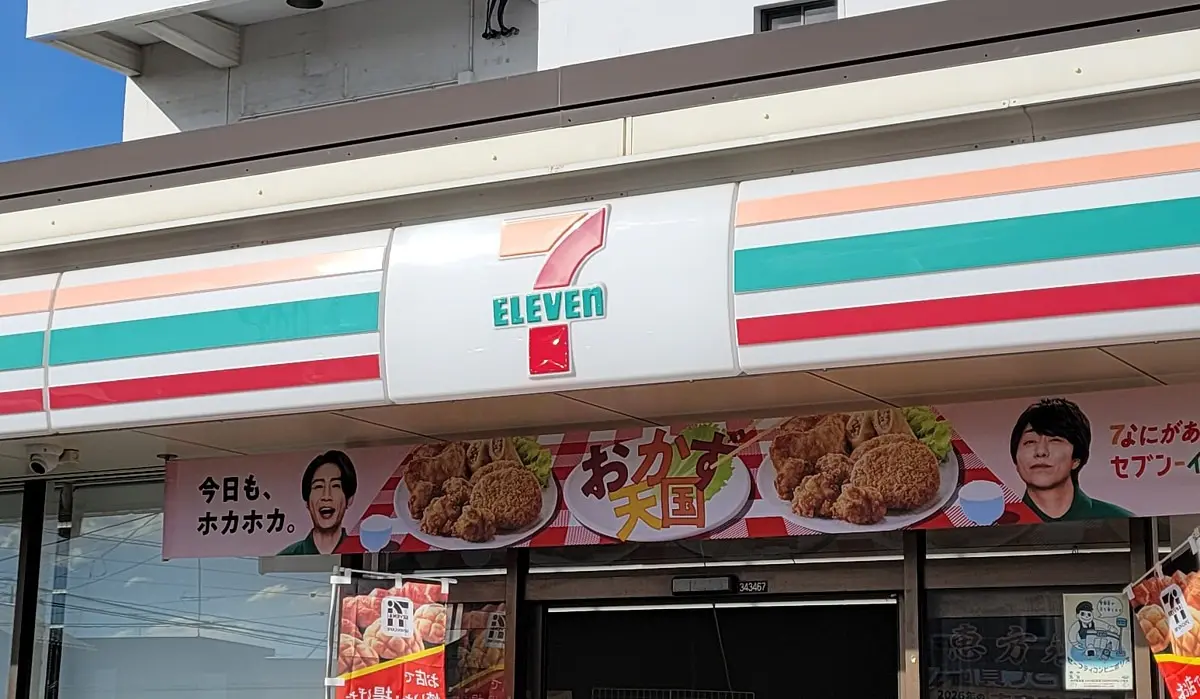
In the hyper-competitive landscape of Japanese convenience store gastronomy—known locally as konbini culture—7-Eleven Japan has long maintained a reputation for defying expectations. While convenience store food in Western markets is often synonymous with compromise, rushed meals, and processed flavor profiles, Japanese konbini operate on an entirely different echelon. From fresh egg salad sandos and gourmet bento boxes to barista-quality iced coffees and freshly blended fruit smoothies, these ubiquitous neighborhood outposts serve as culinary lifelines for millions.
Among the crown jewels of 7-Eleven Japan’s hot food program is its freshly baked pizza line, cooked to order in dedicated in-store ovens designed to replicate the bubbling perfection of an authentic pizzeria. Yet, in an unexpected strategic pivot, the retail giant recently announced a comprehensive overhaul of its signature pizza offerings. Rather than trimming portions or hiking prices to offset rising global inflation—a standard practice across the fast-food and retail sectors—7-Eleven took the audacious step of increasing the physical footprint of its pizzas by a staggering 30 percent while simultaneously re-engineering the dough for enhanced chewiness and moisture retention. Crucially, this dramatic upgrade was executed with zero price adjustments for the consumer.
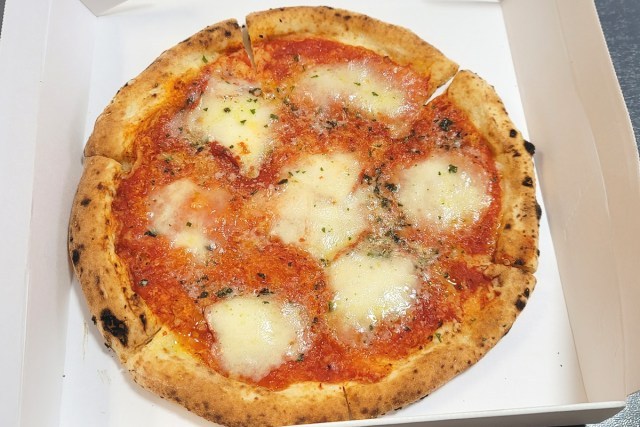
To determine whether corporate hyperbole matched culinary reality, we put the newly launched Margherita to the test. Ordered directly through the chain’s proprietary 7NOW delivery application on September 15—the official rollout date—our investigative tasting session explored the engineering behind the dough, the logistical triumphs of convenience store pizza delivery, and what this bold market maneuver signals for the future of casual dining in Japan.
Detailed Chronology: From Concept to Delivery App
The journey of 7-Eleven Japan’s newly revamped pizza begins long before it reaches a customer’s doorstep. For months, food scientists and product development teams within the corporate hierarchy worked behind the scenes to recalibrate a product that was already considered a fan favorite. The mandate was clear: elevate the sensory experience of the pizza without alienating the loyal consumer base through price hikes.
The Rollout and Ordering Process
On September 15, the nationwide update officially went live across participating stores equipped with dedicated in-store baking infrastructure. To experience the product under real-world conditions, we utilized the 7NOW delivery app—a digital platform that has revolutionized how urban residents in Japan access hot convenience store meals.
The menu features two core varieties:
- The Margherita: Priced at 780 yen (approximately $4.94 USD), focusing on traditional simplicity with vibrant tomato sauce, melted cheese, and aromatic highlights.
- The Teriyaki Chicken: Priced at 880 yen, catering to local flavor preferences with a sweet-savory glaze and savory poultry toppings.
Opting for the classic Margherita, the order was placed and seamlessly tracked through the application, showcasing the impressive logistics network that allows piping-hot, bakery-style items to arrive at residential addresses within minutes.
Unboxing the New Generation
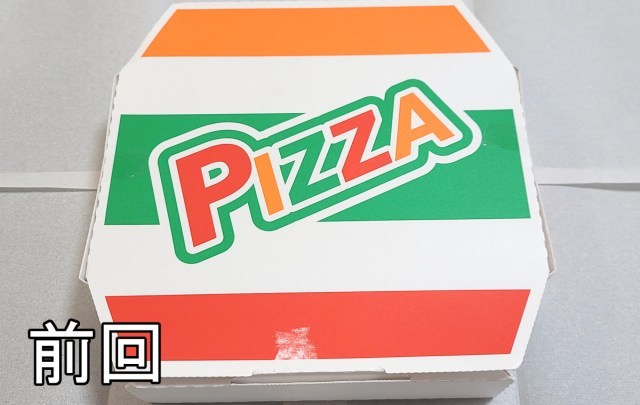
Upon delivery, the first notable departure from the previous iteration was immediately apparent: the packaging. Earlier versions of the pizza arrived in distinctive, slightly octagonal cardboard boxes. The revamped product, however, presented itself in a clean, minimalist square container.
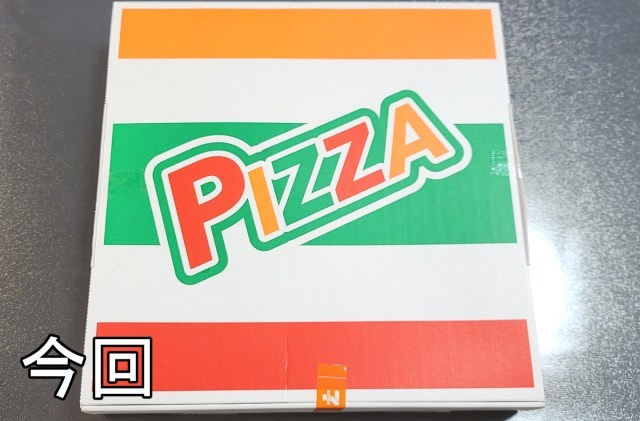
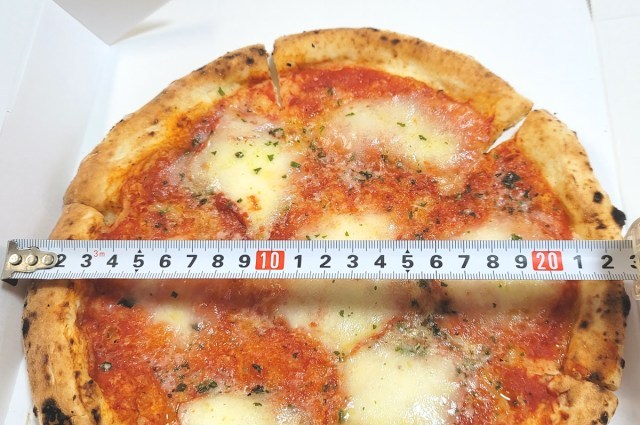
While box redesigns are frequently utilized by corporations as a subtle cost-cutting measure, any skepticism evaporated upon lifting the lid. Inside lay a pristine, aromatic Margherita pizza measuring an impressive 23 centimeters (approximately 9 inches) in diameter. When compared against archival measurements of the pre-update product, the new pizza revealed a 3-centimeter increase in diameter. In geometrical terms, a 15 percent increase in linear diameter translates directly to a roughly 30 percent expansion in total surface area—a quantitative promise delivered in full by the retailer.
Supporting Context & Metrics: The Science of the Slice
Achieving a 30 percent expansion in surface area while maintaining structural integrity, optimal thickness, and the same retail price point requires a masterclass in supply chain management and food science.
Hydration and Dough Engineering
The primary criticism leveled against many quick-service and convenience store pizzas is a tendency for the crust to dry out quickly, turning cardboard-like as it cools. 7-Eleven addressed this structural vulnerability by implementing a proprietary hydration process.
According to corporate disclosures, product developers introduced a specialized technique designed to lock higher moisture content deep within the gluten matrix of the dough. When subjected to the intense heat of the in-store ovens, this elevated moisture level prevents the crumb from desiccating, resulting in a distinctly springy, resilient texture.
Sensory and Textural Analysis
Upon taking the first bite, the results of this molecular engineering were instantly perceptible:
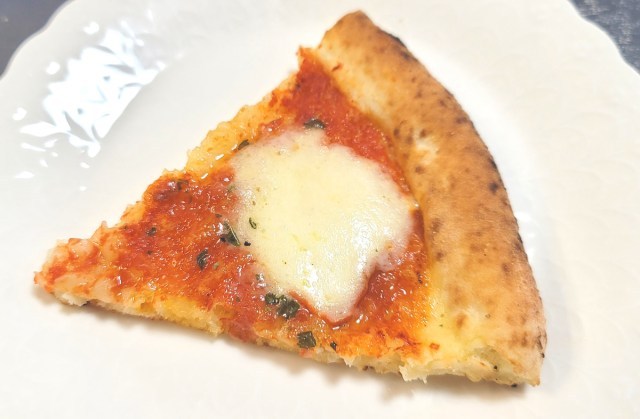
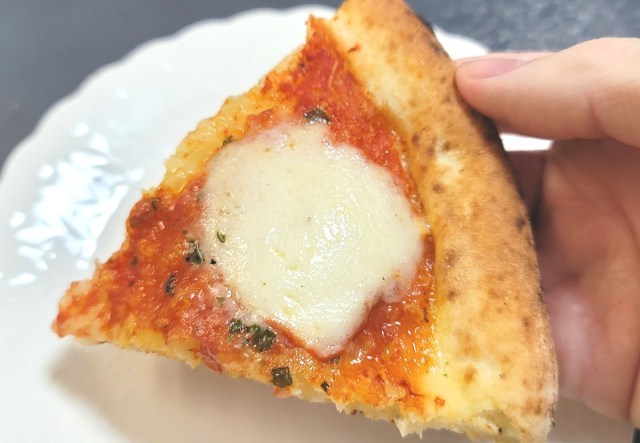
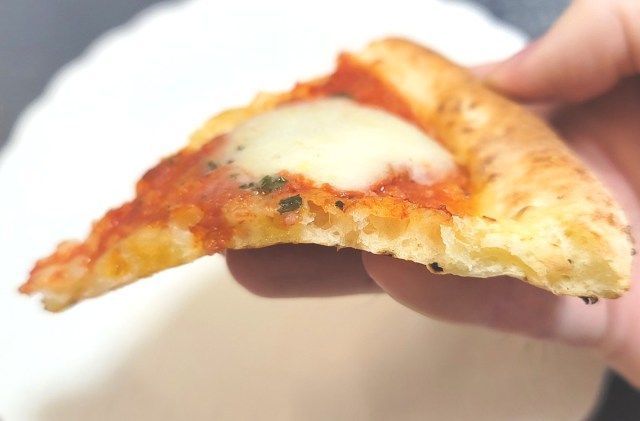
- The Crumb and Chew: The teeth sink significantly deeper into the dough compared to previous iterations. There is a pronounced, highly satisfying chewiness that resists gumminess while offering a robust, elastic bite.
- The Crust: The outer rim achieves a delicate balance—charred and blistered on the exterior from the specialized oven heat, yet pillowy, airy, and hydrated on the interior.
- Flavor Distribution: The increased surface area allows for a more generous, harmonious distribution of the acidic, bright tomato sauce and the rich, emulsified mozzarella cheese. Rather than pooling in the center, the toppings blanket the expanded crust evenly, ensuring every slice delivers a balanced flavor profile from tip to cornicione.
Official Statements and Industry Impact
While 7-Eleven Japan has kept the exact proprietary details of its flour blends and baking parameters tightly guarded, industry analysts have been vocal about the strategic brilliance of the campaign.
In an economic climate defined by stubborn inflation, shrinking product sizes (often referred to in consumer economics as "shrinkflation"), and rising operational costs, 7-Eleven’s decision to expand a product while holding the line on pricing is a profound consumer-relations victory. It signals immense confidence in volume-based sales and brand loyalty.
Industry observers note that this strategic upgrade solidifies the pizza’s unique market positioning. When previously reviewed, 7-Eleven’s pizzas were categorized as existing in a pleasant purgatory—superior to standard frozen supermarket pizzas, yet distinct from the handcrafted pies of artisanal Italian pizzerias. With this recent revamp, that middle ground has been successfully claimed and elevated. The product now operates as a distinct culinary brand within the broader convenience store ecosystem, commanding a loyal following that rivals dedicated fast-food delivery chains.
Future Outlook
The success of the revamped pizza line points to a broader trend within Japanese retail: the relentless blurring of lines between convenience dining and gourmet craftsmanship. As 7-Eleven continues to refine its hot food infrastructure, leverage advanced logistics via apps like 7NOW, and invest in high-margin, high-satisfaction items—mirroring the viral success of their acclaimed in-store smoothie bars—the expectations for what a convenience store can offer will only continue to rise.
For consumers, the takeaway is clear. The neighborhood konbini is no longer merely a place to grab a quick energy drink or an emergency bento; it is an active participant in the casual dining landscape. Whether this aggressive product evolution will prompt retaliatory innovations from rival chains like Lawson and FamilyMart remains to be seen. For now, 7-Eleven has set a formidable benchmark, proving that convenience and culinary excellence are not mutually exclusive—provided you have the right recipe, the right technology, and an unwavering commitment to the customer experience.








Belum ada komentar. Jadilah yang pertama berkomentar!