In the landscape of American independent cinema, few figures command the enduring reverence and stylistic purity of Jim Jarmusch. For over four decades, the Ohio-born auteur has charted an idiosyncratic course through the margins of modern storytelling, championing dry deadpan humor, atmospheric pacing, nocturnal wanderings, and an immutable cool that defies passing cinematic trends.
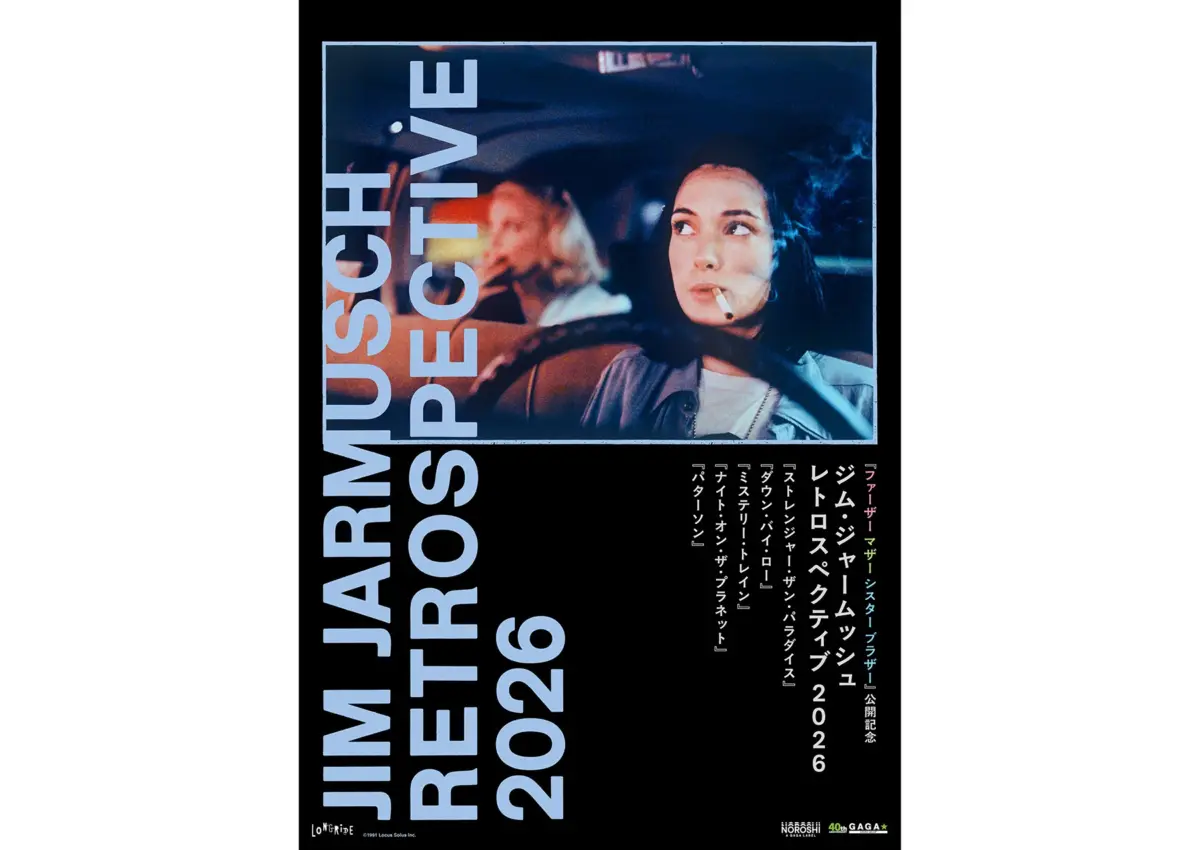
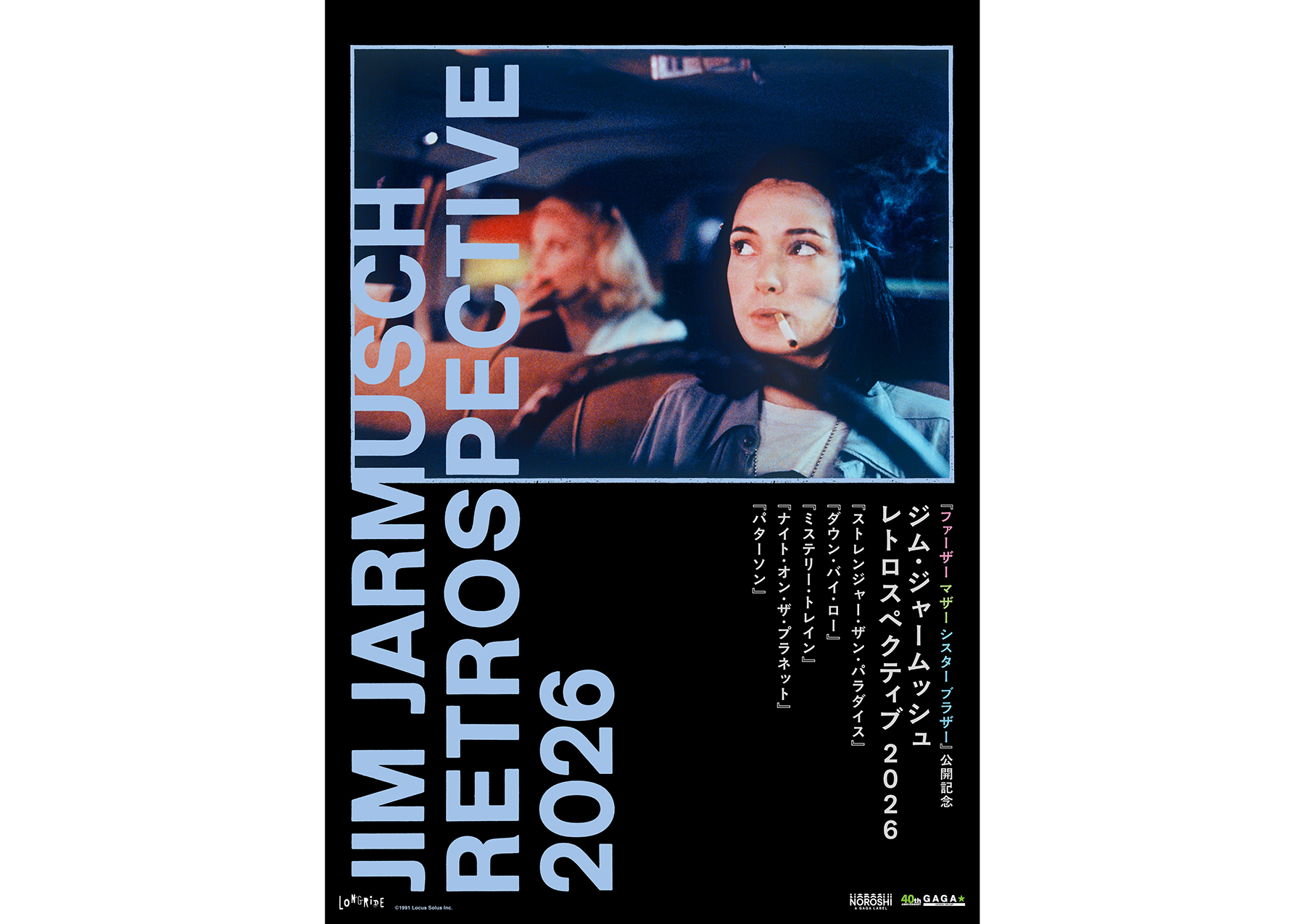
This November 2026, cinephiles and cultural preservationists will have a rare, immersive opportunity to revisit the foundational pillars of Jarmusch’s filmography. Distributed through a special revival initiative by GAGA Corporation—specifically tied to their ongoing arthouse celebration programming—a curated collection of five digitally restored masterpieces will hit the big screen. Running across select theaters this late autumn, the retrospective highlights timeless masterworks from Jarmusch’s golden era, including the celestial odyssey Night on Earth and the poetic, melancholic landscapes of Paterson, alongside critical touchstones of his formative years.
This extensive retrospective is more than a nostalgic trip down memory lane; it serves as a vital cultural intervention for contemporary audiences. In an era dominated by algorithmic franchise content and hyper-accelerated editing, Jarmusch’s cinema invites viewers to slow down, embrace silence, and witness the profound poetry found in the mundane routines of everyday life.
Detailed Chronology: Tracing the Evolution of an Auteur
To understand the weight of this upcoming cinematic showcase, one must examine the trajectory of the films selected for the 2026 retrospective. Spanning nearly four decades of independent filmmaking, these five works capture Jarmusch’s stylistic evolution from gritty, minimalist downtown New York cool to globally resonant, deadpan philosophical musings.
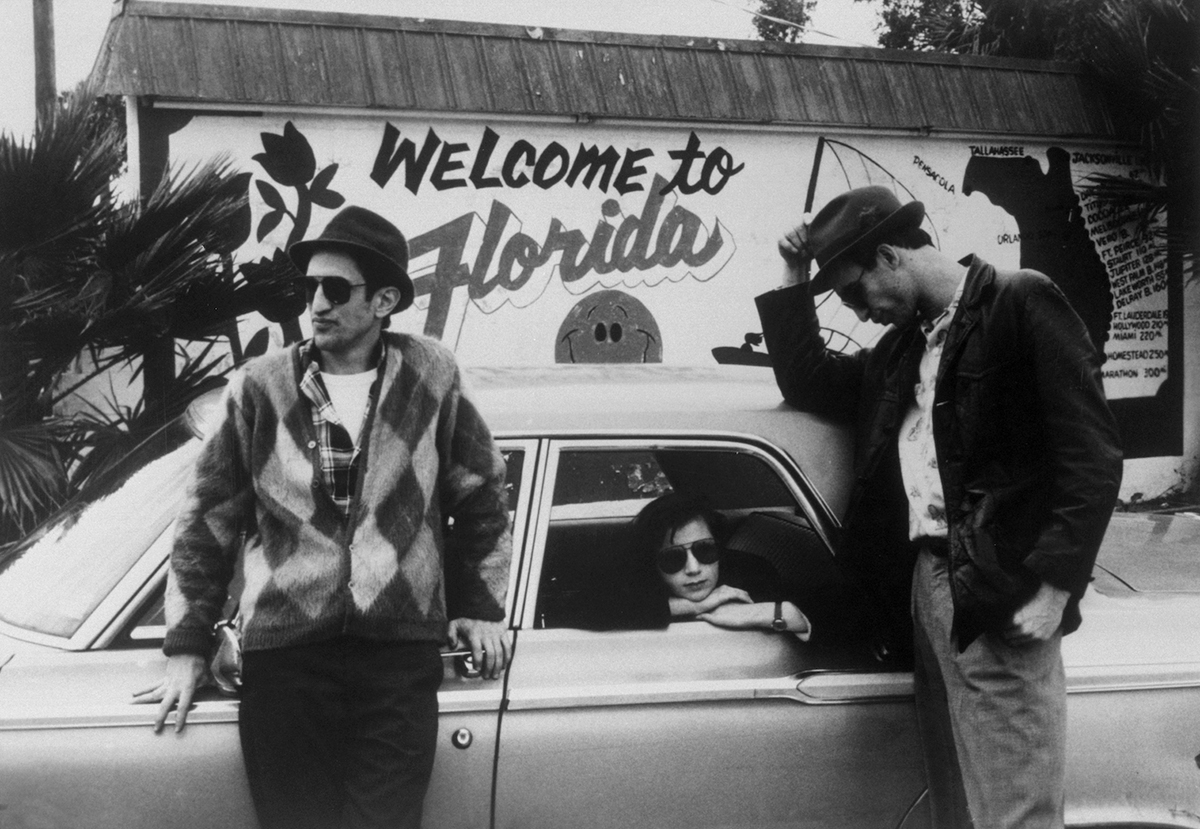
1. Stranger Than Paradise (1984) — The Manifesto of Minimalist Cool
Significance: Widely regarded as the film that launched the American independent cinema boom of the 1980s, Stranger Than Paradise established Jarmusch’s signature visual grammar: static, locked-off camera shots separated by sudden, poetic fades to black. Following Willie, his buddy Eddie, and Willie’s visiting Hungarian cousin Eva across a bleak, snow-dusted itinerary from New York to Cleveland and finally to Florida, the film redefined cinematic geography. It proved that profound human dislocation could be captured on a shoestring budget with deadpan precision and a mesmerizing recurring musical motif by John Lurie.
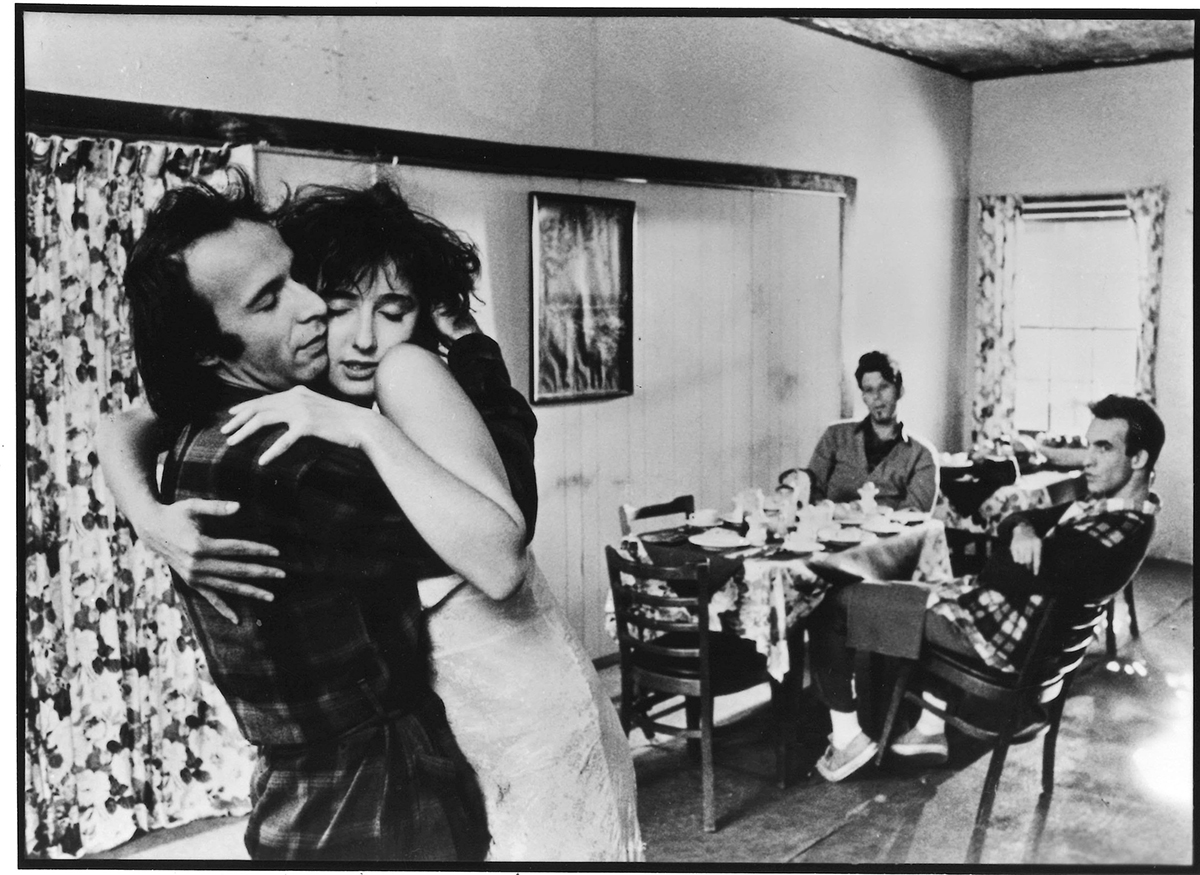
2. Down by Law (1986) — The Poetry of Prison and the Louisiana Swamps
Significance: Building on the minimalist cool of his previous features, Jarmusch teamed up with avant-garde musician Tom Waits, rocker John Lurie, and Italian comedic force Roberto Benigni. Shot in stunning, high-contrast black-and-white by master cinematographer Robby Müller, Down by Law turns a standard prison-escape narrative into an existential comedy of manners. The unlikely trio’s rambling journey through the bayou remains one of the most uniquely charming buddy dynamics in film history.
3. Mystery Train (1989) — Memphis Nights and the Ghost of Elvis
Significance: Shifting from monochromatic grit into rich, neon-lit color palettes, Mystery Train explores the cultural mythos of America through the eyes of foreign travelers. Set in a decaying Memphis hotel over the course of a single night, the film interweaves three distinct vignettes touching on pop culture, Elvis Presley, ghosts, and youthful alienation. Featuring memorable performances by Masatoshi Nagase, Youki Kudoh, and a brilliant cameo by Screamin’ Jay Hawkins, the film solidified Jarmusch’s international reputation as a master of cross-cultural observational comedy.
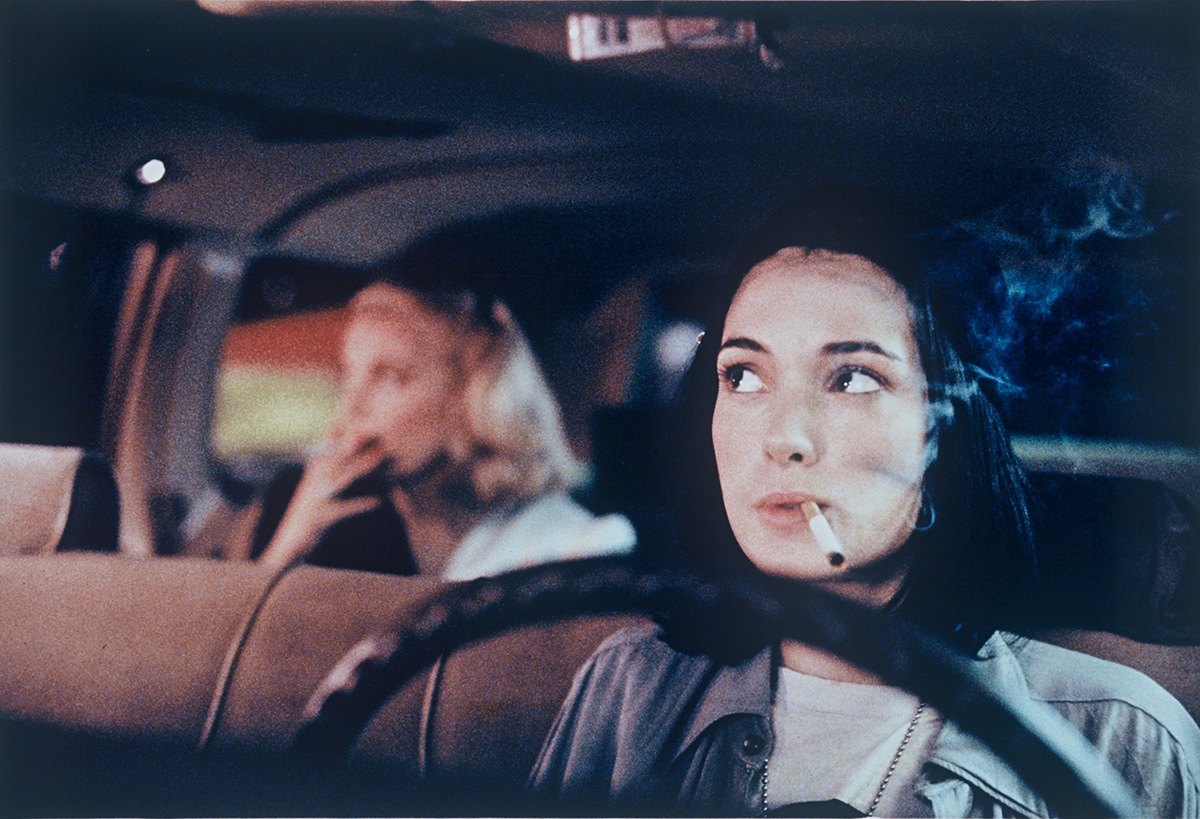
4. Night on Earth (1991) — Simultaneous Human Connections Across the Globe
Significance: Structurally ambitious and deeply empathetic, Night on Earth presents five simultaneous taxicab rides taking place across five different cities around the world—Los Angeles, New York, Paris, Rome, and Helsinki—all unfolding in the local dead of night. Bolstered by an iconic, melancholic score by Tom Waits, Jarmusch brilliantly juxtaposes local cultural idiosyncrasies with universal themes of isolation, mortality, and fleeting human connection. The segments shift effortlessly from uproarious dark comedy to devastating emotional resonance.
5. Paterson (2016) — Finding Magic in the Everyday
Significance: Representing the pinnacle of Jarmusch’s later-career contemplative style, Paterson stars Adam Driver as a bus driver—also named Paterson—living in Paterson, New Jersey, who writes poetry in his spare time. Over the course of a quiet, structured week, the film chronicles the simple, beautiful rhythms of a working-class artist’s life. Devoid of high-stakes cinematic conflict, Paterson operates as a soothing, meditative balm, celebrating the quiet dignity of routine, deep romantic partnership, and the poetry embedded in ordinary conversations.
Supporting Context & Metrics: The Resurgence of Theatrical Retrospectives
The decision by GAGA Corporation to mount a major retrospective for Jim Jarmusch in November 2026 arrives at a fascinating inflection point in global film exhibition. Industry analysts note a marked surge in theatrical attendance for curated repertory programming, driven largely by younger audiences eager to experience cinematic history on the big screen rather than through compressed domestic streaming interfaces.
Retrospective Detail
Information
Event Window
November 13, 2026 – November 20, 2026 (Staggered theatrical rollouts)
Distributor / Organizer
GAGA Corporation (GAGA NOROSHI Special Screening Initiative)
The digital restorations being deployed for this theatrical run bring out the nuanced lighting work of legendary cinematographers like Robby Müller, Tom DiCillo, and Frederick Elmes. For decades, many of these titles were confined to aging DVD transfers or standard-definition streaming broadcasts. Bringing them back to domestic cinemas with pristine visual fidelity ensures that modern audiences can appreciate the texture of the film grain, the striking compositions, and the deliberate pacing that defined Jarmusch’s aesthetic revolution.
In promotional materials released alongside the announcement, GAGA Corporation emphasized the cultural necessity of re-introducing Jarmusch’s works to a new generation of filmgoers.
"Jim Jarmusch represents the absolute gold standard of uncompromising artistic integrity," noted a representative from the distribution team spearheading the NOROSHI special screening initiative. "In an entertainment ecosystem that increasingly prioritizes speed and noise, Jarmusch’s films offer a sanctuary of calm observation, deadpan wit, and profound human curiosity. Bringing these five newly minted digital restorations to the big screen this November is an invitation to slow down and rediscover why independent cinema matters."
Film critics and academic institutions have similarly rallied around the retrospective announcement. Throughout university film departments and independent cinema circles across Tokyo and regional cultural hubs, discussions are already underway regarding companion lecture series and retrospective panels that will contextualize Jarmusch’s enduring influence on contemporary world cinema—tracing a direct line from his early DIY aesthetics to modern transnational independent productions.
Future Outlook: The Enduring Legacy of an Indie Icon
As the entertainment industry navigates the complexities of the mid-2020s, the legacy of directors who carved out their own creative sovereignty remains vital. Jim Jarmusch never bowed to studio pressure, retained full ownership of his negative archives wherever possible, and consistently cast musicians, poets, and international artists who sat outside the traditional Hollywood star system.
The November 2026 retrospective serves as a timely reminder that true cinematic cool never ages. Whether it is the stark, snowy desolation of Stranger Than Paradise, the nocturnal philosophy of Night on Earth, or the quiet suburban poetry of Paterson, Jarmusch’s universe remains one of the most welcoming, stylish, and intellectually stimulating corners of modern art.
Tickets and participating theater listings for the Jim Jarmusch Special Retrospective are available starting this autumn through the official GAGA NOROSHI Special Website. For cinephiles, this limited-run event is undoubtedly one of the essential cultural happenings of the 2026 film calendar.











Belum ada komentar. Jadilah yang pertama berkomentar!