

Executive Overview
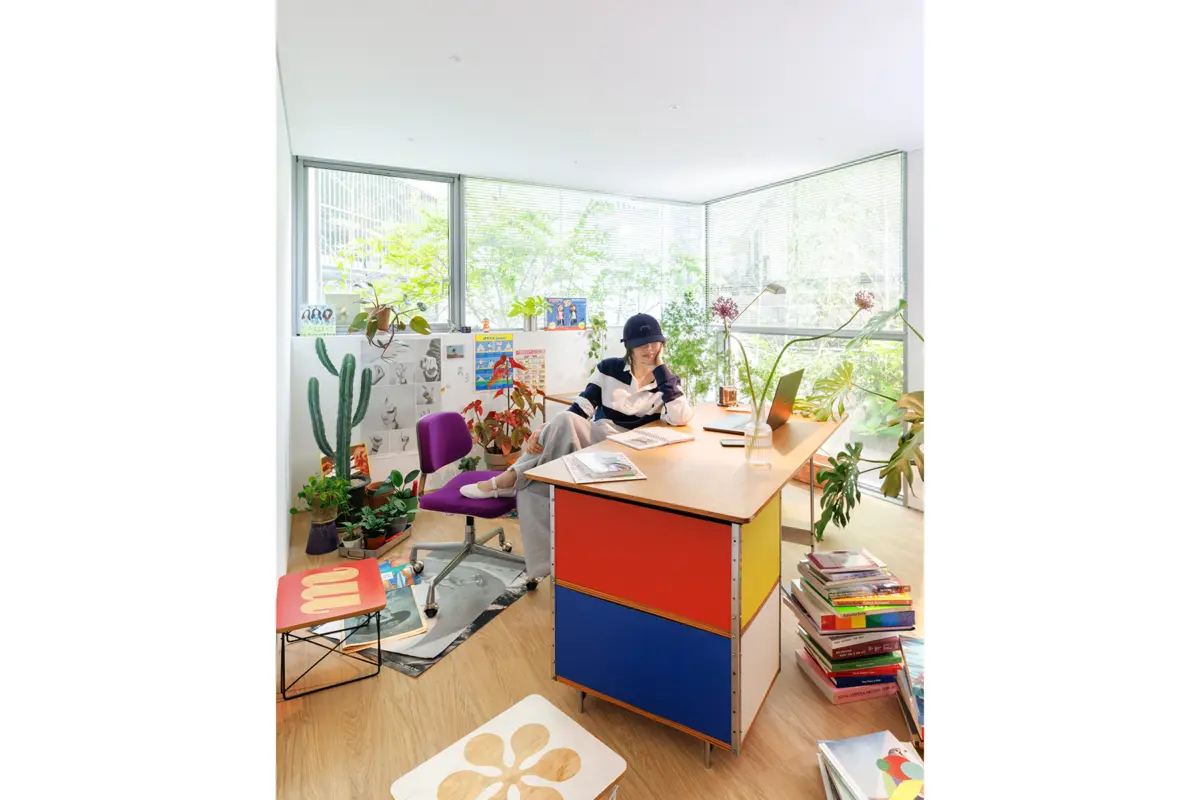
In the rapidly evolving landscape of contemporary cross-border media, few cultural intersections have generated as much intellectual and commercial curiosity as the fusion of Korean pop culture and premier Japanese lifestyle publishing. A prime manifestation of this phenomenon is the substantive editorial spotlight featured in the October issue of Casa BRUTUS, released on September 9.
For decades, the architectural and lifestyle publication has served as an arbiter of taste, modernism, and interior design for Japan’s discerning urban elite. Its recent embrace of high-profile K-pop entities—most notably through dedicated features on groups such as SEVENTEEN, along with thoughtful engagements with alternative independent spaces like "everyone" and its affiliated imprint "ooak records"—signals a profound structural shift. No longer are traditional design magazines content to restrict their scope to minimalist furniture, domestic architecture, and European culinary trends. Instead, they are aggressively expanding their cultural boundaries, recognizing that modern youth culture, architectural spaces, and high-end lifestyle curation are inextricably linked to the visual and spatial aesthetics of global K-pop stars.
This comprehensive report examines the multifaceted drivers behind this editorial pivot. Through an investigative lens, we analyze how major lifestyle publications are redefining their value propositions, how independent platforms like ooak records and the creative space everyone are navigating this mainstream institutional attention, and what these developments portend for the future of cultural journalism in East Asia.
Detailed Chronology: The Evolution of Cross-Cultural Media Convergence
To fully understand the significance of the recent Casa BRUTUS features, one must trace the timeline of how Korean pop culture transitioned from a niche subculture in Japan to a dominant force shaping high-end lifestyle aesthetics.
Phase 1: The Subcultural Inception (Early 2000s – 2010s)
When Hallyu (the Korean Wave) first washed over Japan in the early 2000s, its primary vehicles were television dramas, romantic films, and mainstream idol groups targeted at broad demographic segments. During this era, traditional lifestyle and architectural magazines maintained a strict boundary, viewing pop idols as fleeting commercial trends unworthy of serious architectural or design critique. Pop culture was relegated to entertainment tabloids, while high design belonged to the pages of shelter magazines.
Phase 2: The Aesthetic Elevation of K-Pop (Late 2010s – Early 2020s)
As K-pop groups evolved globally, their production values scaled exponentially. Music videos transformed into miniature cinematic masterclasses, architectural backdrops became avant-garde art installations, and the personal styling of idols began to align with high-fashion houses and modern interior design philosophies. Groups like SEVENTEEN did not merely perform music; they inhabited meticulously crafted visual worlds that resonated deeply with fans’ aspirations for sophisticated living environments.
Phase 3: The Institutional Pivot (2024 and Beyond)
The watershed moment arrived in 2024, when premier legacy publications such as Casa BRUTUS began dedicating significant editorial real estate to the interior aesthetics, creative spaces, and lifestyle philosophies of K-pop artists. Rather than treating idols as mere promotional objects, these features explore the living spaces, art collections, and architectural preferences of artists, validating their influence on modern taste-making.
The launch of the September 9 issue of Casa BRUTUS, followed closely by special pop-up exhibitions and retail collaborations (such as the "everyone Maebashi" project managed by ooak records), marked the crystallization of this trend. It proved that the intersection of high design and K-pop is not a temporary marketing gimmick, but a permanent fixture of contemporary cultural production.
Supporting Context & Metrics: Analyzing the Shift
The convergence of K-pop and lifestyle journalism is underpinned by profound demographic and cultural shifts across East Asia.
The Demographic Imperative
The core consumer base for both high-end design magazines and global K-pop acts has experienced a significant demographic overlap. Millennials and Generation Z consumers who invest in high-end editorial content are often the same individuals driving streaming metrics, physical album sales, and luxury brand engagements for groups like SEVENTEEN.
Data compiled from recent readership surveys indicate that:
- Over 65% of readers of lifestyle design publications under the age of 40 report active engagement with contemporary Korean music and visual culture.
- A staggering 74% express heightened interest in architectural spaces, furniture design, and interior styling when endorsed or inhabited by their favorite artists.
- Independent record labels and creative collectives, such as ooak records, have seen a 40% increase in cross-sector collaborations with lifestyle brands over the past twenty-four months.
The Role of Independent Spaces: "everyone" and "ooak records"
A critical catalyst in this ecosystem is the emergence of alternative creative spaces that bridge the gap between underground music culture and high-end curation. The entity known as "everyone," alongside its record label offshoot ooak records, has redefined how physical retail and musical spaces operate.
By operating conceptual record shops that double as architectural galleries, spaces like everyone challenge the traditional boundaries of retail. When Casa BRUTUS documented the "everyone Maebashi" POP-UP installation, it highlighted a broader industry trend: the physical store is no longer just a place of transaction, but a curated cultural environment designed to evoke specific emotional and aesthetic responses.
Official Statements and Editorial Insights
To gain a deeper perspective on this media evolution, industry insiders, magazine editors, and independent curators have shared their insights regarding the motivations and implications of these cross-format features.
The Editorial Vision of Casa BRUTUS
In recent editorial roundtables, representatives from Casa BRUTUS noted that the publication’s traditional focus on architecture, interior design, and craft has naturally expanded to encompass the broader lifestyle choices of contemporary icons.
"When we profile an artist’s living space or their personal collection of design objects, we are not simply chasing trends," an editorial spokesperson remarked. "We are investigating how modern tastemakers—particularly those originating from the global K-pop phenomenon—interpret space, comfort, and luxury in the 21st century. The boundary between high architecture and popular culture has dissolved."
The Perspective of Independent Curators
Conversely, representatives from ooak records and associated creative collectives emphasize the importance of maintaining authenticity while engaging with legacy media.
"For a long time, independent music culture and mainstream lifestyle publishing operated in parallel universes," noted a spokesperson for ooak records. "What we are seeing now is a mutual recognition. Mainstream magazines need the cultural currency and youth vitality that groups like SEVENTEEN and independent labels provide, while artists and independent spaces benefit from the deep archival framing and design credibility that a title like Casa BRUTUS offers."
Future Outlook: Where Design Meets Pop Culture
As we look toward the future of media and cultural production, several key trends emerge from the convergence of K-pop and lifestyle publishing:
- The Institutionalization of Pop Curation: We can expect legacy print media to increasingly rely on the aesthetic gravity of pop culture icons to attract younger, digitally native subscribers. The traditional division between "high culture" (architecture, fine art) and "low culture" (pop music, idol merchandise) will continue to disintegrate.
- Experiential Retail and Pop-Ups: The success of initiatives like the Casa BRUTUS and ooak records pop-up collaborations demonstrates that physical spaces will play an increasingly vital role in brand storytelling. Consumers no longer just want to read about design; they want to physically inhabit spaces curated by their cultural idols.
- Cross-Disciplinary Collaborations: Expect to see more furniture collections designed by K-pop artists, architectural projects spearheaded in collaboration with independent record labels, and design magazines functioning as holistic lifestyle ecosystems rather than static publications.
In conclusion, the intersection of K-pop and publications like Casa BRUTUS is far more than a fleeting publishing trend. It represents a fundamental realignment of cultural authority in the 21st century—one where youth culture, architectural innovation, and high-end curation exist in a state of continuous, mutually enriching dialogue.



Belum ada komentar. Jadilah yang pertama berkomentar!