

Executive Overview
The intersection of digital entertainment and global philanthropy has reached an unprecedented watershed moment. As the final weeks of the calendar year unfold, YouTube—the world’s largest video-sharing platform—has officially entered the home stretch of its annual "Season of Giving." Over the past several weeks, an international coalition of digital creators, internet personalities, and their devoted communities have mobilized at a scale previously reserved for traditional telethons, raising millions of dollars and unprecedented awareness for critical causes.
What began as decentralized acts of digital charity has matured into a sophisticated, multi-million-dollar philanthropic ecosystem. This week, that "creator frenzy-of-goodness" reaches a fever pitch. Featuring marathon livestreams, high-profile collaborative events, and high-stakes community challenges, the platform is transforming its virtual spaces into engines of real-world impact. From the battle against childhood cancer to global reforestation initiatives and animal rescue operations, YouTube’s premier creators are proving that the digital attention economy can be harnessed for profound societal good.
This report provides an in-depth examination of the ongoing philanthropic campaigns defining YouTube’s Season of Giving, analyzing the mechanics of creator-led fundraising, the staggering metrics driving these movements, and the cultural shift redefining how modern audiences engage with social responsibility.
Detailed Chronology of Giving Week Events
The climax of YouTube’s philanthropic calendar is marked by a meticulously coordinated series of high-impact events, spearheaded by some of the platform’s most influential and enduring channels.
The Game Theorists’ St. Jude Takeover: A Masterclass in High-Stakes Charity
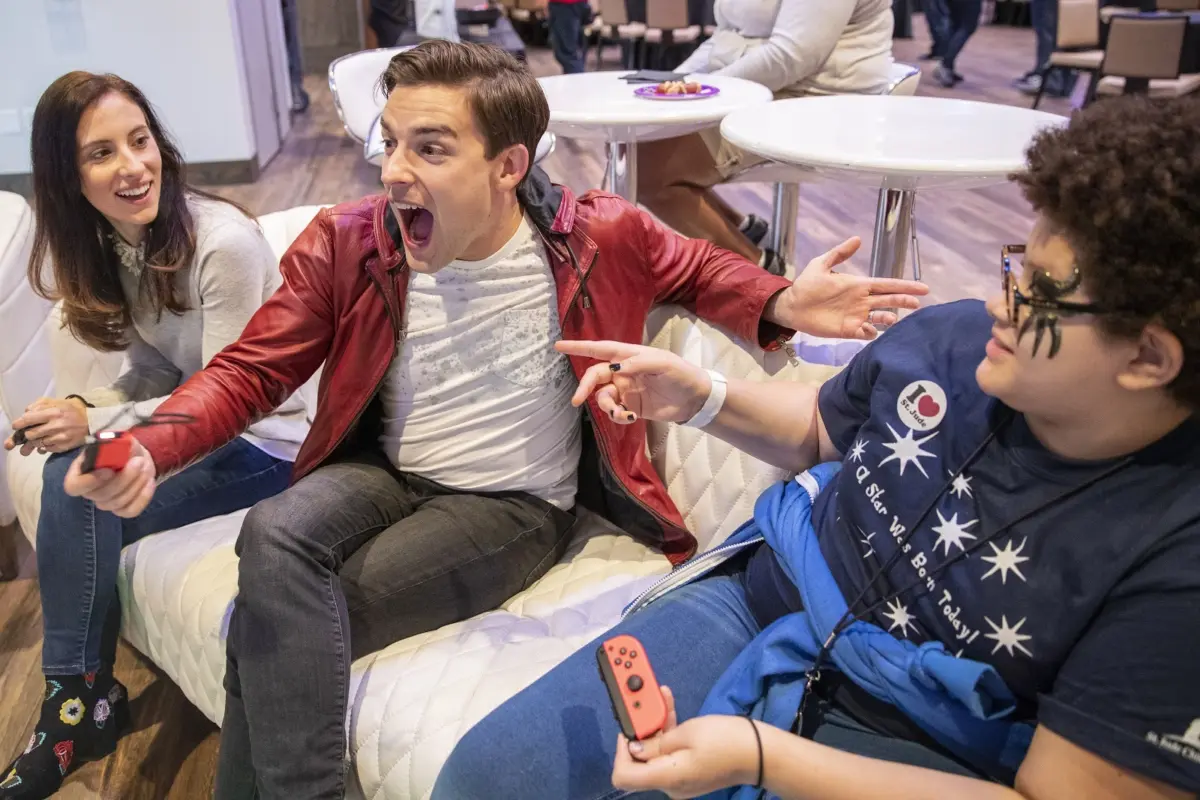
Kicking off on Giving Tuesday, veteran creators MatPat and Stephanie Patrick of The Game Theorists orchestrated what is arguably one of the most ambitious charity livestreams in the platform’s history. Directing their efforts toward St. Jude Children’s Research Hospital—an institution globally renowned for treating and defeating childhood cancer and other life-threatening pediatric diseases—the duo hosted an intensive, nine-hour broadcast designed to captivate audiences while driving massive donations.
The event bypassed conventional livestream formats by gathering an unprecedented super-group of digital talent. The virtual roster featured heavyweights across gaming, comedy, science communication, and lifestyle content, including:
- Binging with Babish
- The Completionist
- Dawko
- Jackie Aina
- Kyle Hill (Because Science)
- Markiplier
- Miranda Sings
- NateWantsToBattle
- TheOdd1sOut
- Rhett and Link
- Rosanna Pansino
- SomethingElseYT
- The Try Guys
- VSauce3
The collective star power ensured continuous, high-engagement entertainment, but the true catalyst for viewer participation came with an extraordinary incentive. Scott Cawthon, the elusive and wildly successful creator of the cultural phenomenon Five Nights at Freddy’s, stepped forward with a high-stakes challenge: Cawthon pledged a personal donation of $500,000 to St. Jude under a singular condition—that the livestream audience successfully uncover a series of hidden Easter eggs within a specially developed, unreleased game launched precisely at the start of the event, all within the span of a single hour.
Guided by veteran streamers MatPat, Markiplier, and Dawko, the chat rooms and social media feeds erupted into a collaborative digital scavenger hunt. The event demonstrated how interactive media and gamified philanthropy can convert passive viewers into active, deeply invested participants in charitable causes.
TeamTrees: The Final Sprint Toward a Historic Environmental Milestone
Running parallel to the creator livestreams is the grand finale of #TeamTrees, the monumental environmental campaign launched by Jimmy "MrBeast" Donaldson and former NASA engineer-turned-creator Mark Rober. Initiated with the audacious goal of raising $20 million to plant 20 million trees by January 1, 2020, the campaign has evolved into a masterclass in grassroots digital mobilization.
Operating on a beautifully simple premise—every single dollar donated translates directly into one tree planted—the campaign captured the global imagination almost immediately. Within its first 48 hours, #TeamTrees secured an astonishing $5 million in contributions. By the end of its first week, community members had uploaded upwards of 3,800 dedicated videos bearing the #TeamTrees tag on YouTube alone.
As the campaign enters its final weeks, the organizers face a narrowing window to close the gap on their remaining goal of four million trees. The initiative has fundamentally shifted perceptions of modern environmentalism, proving that decentralized micro-donations, when amplified by the network effects of social media, can rival the endowments of traditional philanthropic institutions.
A Diverse Ecosystem of Causes: Project for Awesome, Khan Academy, and Beyond
Beyond these marquee events, YouTube’s Giving Week serves as a broad umbrella for dozens of independent, community-driven charitable endeavors:
- Project for Awesome: Hosted by Hank and John Green (the vlogbrothers), the 13th annual iteration of this iconic multi-day livestream event brought the community together to decrease world suck, raising millions for charities chosen by community members themselves.
- Khan Academy: The educational powerhouse hosted specialized "All in for Education" livestreams, highlighting the critical need for accessible, high-quality digital learning resources for underserved students globally.
- Hope For Paws: Dedicated animal rescue organizations utilized the platform’s real-time streaming capabilities to showcase rescue operations, driving direct funding for emergency veterinary care and rehabilitation.
To help audiences navigate this deluge of goodwill, YouTube curated an official playlist highlighting top-tier fundraisers, ensuring that viewers could seamlessly discover, vet, and contribute to causes spanning medical research, education, environmental conservation, and animal welfare.
Supporting Context & Metrics: The Mechanics of Creator-Led Philanthropy
To fully appreciate the scope of YouTube’s Season of Giving, one must examine the underlying structural evolution of the creator economy. Philanthropy on digital video platforms is no longer an ad-hoc afterthought or a peripheral PR exercise; it has become an integrated, sophisticated operational pillar of modern content creation.

The Rise of Native Fundraising Tools
For years, digital creators wishing to raise funds for charitable organizations were forced to rely on clumsy third-party workarounds—external links, complex redirect processes, and unverified donation portals that often created friction and reduced conversion rates. The deployment of native YouTube Giving tools—which allow creators to embed verified donation buttons directly into their live streams and premiere videos—has entirely revolutionized the landscape.
These integrated features offer several distinct advantages:
- Frictionless Transactions: Viewers can donate without ever leaving the video interface or entering credit card information into unfamiliar third-party sites.
- Real-Time Social Proof: On-screen donation tickers and milestone trackers foster a psychological sense of collective momentum, encouraging peer-to-peer giving and competitive generosity among fans.
- Absolute Transparency: Integrated partnerships with platforms like the PayPal Giving Fund ensure that donations flow securely and directly to registered 501(c)(3) organizations, eliminating regulatory and trust bottlenecks.
Quantitative Impact and Audience Demographics
The demographic makeup of the modern YouTube audience—heavily skewed toward digital natives, Millennials, and Generation Z—has historically posed a challenge for traditional charitable institutions relying on direct mail, evening galas, or legacy telethons. Creator-led philanthropy successfully bridges this gap by meeting younger audiences where they already spend their time: inside interactive, community-driven digital spaces.
Consider the compounding metrics of these campaigns:
- Scale of Reach: Marquee livestreams regularly command concurrent viewership numbers in the hundreds of thousands, with cumulative impressions reaching into the tens of millions within 24-hour cycles.
- Velocity of Capital: Campaigns like #TeamTrees and MatPat’s St. Jude takeovers demonstrate an unprecedented velocity of capital acquisition, often raising hundreds of thousands of dollars within the first hour of going live.
- Global Participation: Unlike localized fundraising events, YouTube’s digital-first approach enables borderless contributions. Donors from Tokyo to Toronto, London to Lima, participate simultaneously in the exact same chat rooms and milestone goals.
Official Statements and Industry Perspectives
The convergence of tech platforms, independent creators, and legacy charitable organizations has prompted significant reflection from industry leaders regarding the future of social good.
In official communications released at the onset of Giving Week, YouTube executives emphasized the unique ethos of the platform’s community. "The spirit of generosity and support is one of the things that makes our community so special," a platform representative noted. "Over the past few weeks, creators from all over the country—and the world—have rallied their fans to raise money and awareness for causes near and dear to their hearts. On behalf of everyone at YouTube, thank you to all of the creators, fans, and friends who are using their voices to make the world a better place."
Charitable beneficiaries have likewise echoed profound astonishment at the efficiency and passion of the digital creator ecosystem. Representatives from St. Jude Children’s Research Hospital have frequently highlighted how creator-driven initiatives not only infuse critical financial capital into pediatric research but also introduce life-saving medical missions to entirely new generations of prospective donors who might otherwise remain disengaged from traditional philanthropy.
Similarly, environmental scientists and ecologists partnering with initiatives like #TeamTrees have praised the campaign for democratizing environmental action. By tying the act of planting a tree to a universally understood digital currency (the single dollar bill), creators have successfully demystified climate activism, transforming an overwhelming global crisis into an actionable, bite-sized endeavor for the average internet user.
Future Outlook: The Next Frontier of Digital Altruism
As the current Season of Giving draws to a close, industry analysts and platform strategists are already looking toward the horizon, attempting to forecast how creator-led philanthropy will evolve in the years ahead.
Decentralization and Continuous Giving
While concentrated annual events like Giving Tuesday and end-of-year holiday pushes will undoubtedly remain anchor points for digital philanthropy, the broader trend points toward continuous, year-round integration of charitable giving into everyday content creation. Creators are increasingly establishing permanent charitable streams of revenue—allocating percentages of merchandise sales, channel memberships, and ad-sense revenue to sustained philanthropic foundations.
Technological Integration: AR, VR, and Interactive Livestreaming
Looking forward, emerging technologies promise to deepen the emotional resonance of digital fundraisers. The integration of augmented reality (AR) and virtual reality (VR) within livestream environments will likely allow audiences to experience remote charitable projects—such as walking virtually through a newly planted #TeamTrees forest or touring medical facilities at St. Jude—in real-time from their living rooms. This heightened sensory immersion is expected to further drive donation conversion rates and emotional investment.
Corporate Social Responsibility (CSR) and Brand Partnerships
Brands and corporate sponsors are increasingly recognizing that traditional banner advertising is yielding diminishing returns among younger demographics. Consequently, forward-thinking corporations are shifting their marketing budgets toward co-sponsoring creator-led charity events. By matching viewer donations or underwriting the production costs of massive philanthropic livestreams, corporate entities can achieve authentic brand alignment with causes that matter deeply to modern consumers.
Conclusion
YouTube’s Season of Giving has transcended its origins as a seasonal novelty to become a defining cultural institution of the digital age. By fusing the entertainment value of the creator economy with the urgent needs of global philanthropy, platforms like YouTube have proven that the internet is far more than an arena for passive consumption. It is a powerful engine of empathy, capable of mobilizing millions of individuals across geographic and cultural divides in the relentless pursuit of a better world.



Belum ada komentar. Jadilah yang pertama berkomentar!