

Executive Overview
In the modern digital landscape, the definition of community extends far beyond geographical borders, manifesting instead in shared interests, mutual support, and collective action. Nowhere is this more apparent than on YouTube, where millions of viewers and thousands of content creators coalesce around screens daily. As the calendar turns toward the final weeks of the year, the platform enters its most ambitious period of social mobilization: the culmination of YouTube’s annual Season of Giving.
Over the past few weeks, the digital ecosystem has transformed into a vibrant engine of philanthropy. Creators from across the globe—spanning diverse genres, demographics, and viewer counts—have successfully rallied their fanbases to generate critical funding, drive global awareness, and champion causes close to their hearts. What began as an organic wave of digital generosity has now accelerated into an all-out, week-long frenzy of high-production livestreams, unprecedented creator collaborations, and high-stakes charity events.
This year’s Season of Giving highlights a profound evolution in creator culture. Content creators are no longer viewed merely as entertainers; they have established themselves as influential civic leaders capable of mobilizing millions of dollars for humanitarian, environmental, and medical research initiatives within hours. From multi-hour gaming marathons to environmental juggernauts aiming to reforest the planet, the YouTube community is leveraging its collective reach to redefine the mechanics of modern philanthropy. This report provides a detailed examination of the key events, structural impacts, and community-driven initiatives defining this historic season of giving.
Detailed Chronology: The Road to Giving Tuesday and Beyond
The final sprint of YouTube’s Season of Giving operates on a meticulously timed schedule designed to maximize viewer engagement, emotional resonance, and financial contribution.
Weeks 1–3: The Grassroots Buildup
Long before the official peak of Giving Tuesday, individual creators began laying the groundwork for end-of-year fundraising. Smaller and mid-tier channels utilized YouTube’s integrated community features, merchandise shelves, and Super Chat donations during regular streaming schedules to seed awareness. These early weeks established a baseline of momentum, proving that audiences were eager to participate in structured giving initiatives as the holiday season approached.
Giving Tuesday: The Game Theorists’ St. Jude Takeover
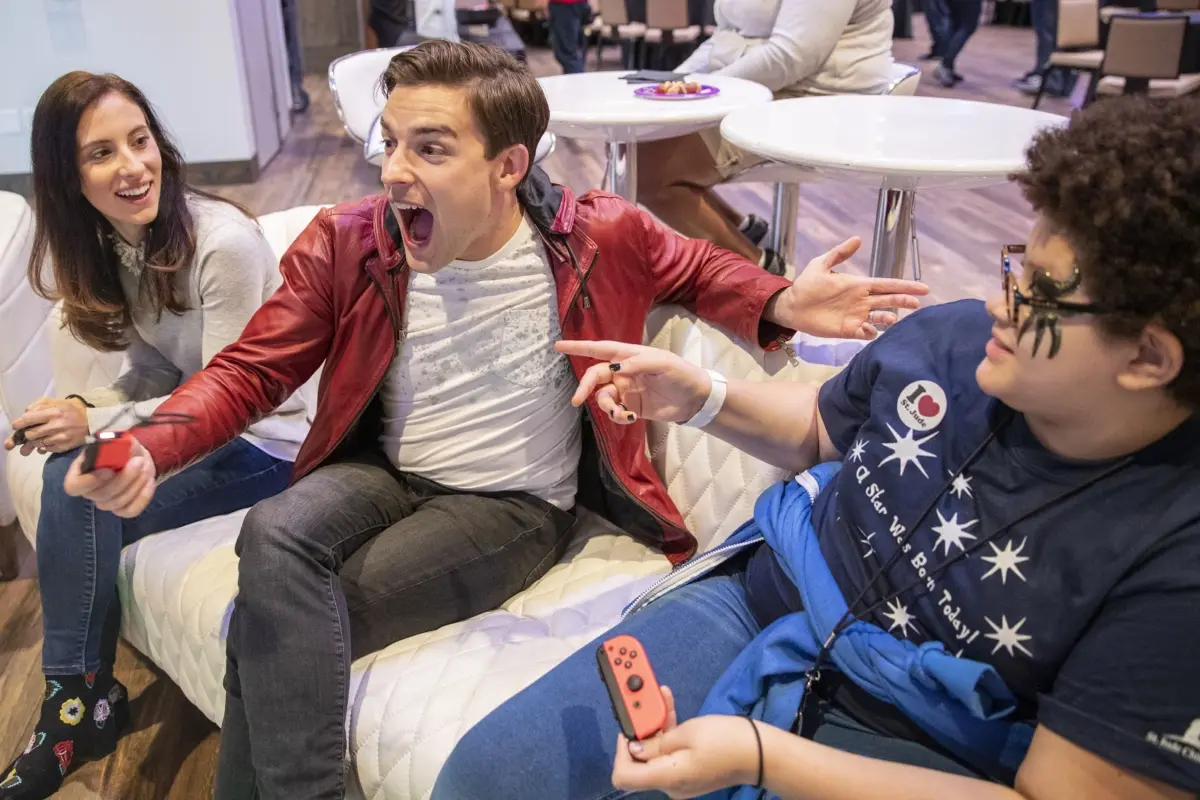
The pinnacle of the giving season arrived on Giving Tuesday, anchored by a historic, nine-hour marathon broadcast hosted by Matthew "MatPat" Patrick and Stephanie Patrick of The Game Theorists. Broadcasted live from St. Jude Children’s Research Hospital in Memphis, Tennessee, the event set a new standard for creator-led medical fundraising.
Rather than relying solely on traditional appeals, the Game Theorists engineered an unprecedented cross-platform collaboration. A formidable roster of YouTube’s elite creators banded together for the cause, including:
- Binging with Babish
- The Completionist
- Dawko
- Jackie Aina
- Kyle Hill (Because Science)
- Markiplier
- Miranda Sings
- NateWantsToBattle
- TheOdd1sOut
- Rhett and Link
- Rosanna Pansino
- SomethingElseYT
- The Try Guys
- VSauce3
The broadcast featured dynamic segments, interactive challenges, and direct appeals aimed at defeating childhood cancer and other life-threatening illnesses.
Adding an extraordinary layer of suspense and incentive to the day, Scott Cawthon, the elusive creator of the globally renowned Five Nights at Freddy’s franchise, issued a high-stakes challenge. Cawthon committed to personally donating $500,000 to St. Jude if the online community could successfully discover hidden easter eggs within a brand-new, unreleased game crafted exclusively for the event—and do so within one hour of the game going live. This gamified approach to philanthropy drove concurrent viewership through the roof, keeping millions glued to their screens as internet personalities collaborated in real time to unlock life-saving funds.
The Final Stretch of #TeamTrees
Running parallel to the live events is the unstoppable momentum of #TeamTrees, the environmental juggernaut spearheaded by creators MrBeast (Jimmy Donaldson) and Mark Rober. As the campaign enters its final weeks leading up to January 1, 2020, the push to reach the monumental goal of planting 20 million trees for $20 million has captured the global imagination. With only a fraction of the goal remaining, the campaign continues to prove that digital platforms can successfully execute real-world, physical infrastructure projects at a global scale.
Ongoing Giving Week Events
Following Giving Tuesday, the calendar maintains its relentless pace of generosity. The 13th annual Project for Awesome, hosted by Hank and John Green (the Vlogbrothers), continues its legendary tradition of raising funds for charities selected by the community. Simultaneously, educational pillars like Khan Academy are running intensive livestreams such as "All in for Education," while animal welfare organizations like Hope For Paws leverage video storytelling to drive urgent rescue operations.

Supporting Context & Metrics: The Scale of Digital Impact
To truly understand the weight of YouTube’s Season of Giving, one must examine the hard metrics and structural foundations that allow these campaigns to scale to unprecedented heights.
The Economics of Micro-Donations
The success of modern digital philanthropy lies in the democratization of giving. Platforms like YouTube have systematically removed friction from the donation process. Features such as Super Chat, integrated donation buttons, and direct links transformed passive viewers into active stakeholders.
- The Power of Volume: As demonstrated by #TeamTrees, the formula of "$1 equals 1 tree" proved that micro-donations, when aggregated across a global audience, can rival the endowments of traditional corporate philanthropy. Within the first 48 hours of its launch, #TeamTrees secured an astounding $5 million.
- Content Amplification: Within the first week of the environmental campaign’s launch, users uploaded over 3,800 dedicated videos featuring the #TeamTrees tag, generating millions of organic impressions and driving continuous traffic to the donation portal.
Collaborative Ecosystems
Historically, creators often operated within their own isolated content verticals—gaming, science, lifestyle, comedy, or education. However, organized charity events act as a powerful solvent, dissolving traditional genre boundaries. When creators like Markiplier (gaming) collaborate with Rosanna Pansino (baking) and The Try Guys (lifestyle entertainment) for a unified medical cause, they cross-pollinate audiences. This exposure introduces distinct viewer demographics to critical humanitarian issues they may not have otherwise encountered.
Institutional Partnerships
The integration of high-profile creators directly with institutions like St. Jude Children’s Research Hospital marks a maturation of the creator economy. Major medical and research facilities now recognize that digital creators possess communication channels that far outstrip traditional broadcast media in terms of engagement, trust, and direct-to-consumer conversion rates among younger generations.
Official Statements and Community Perspectives
The profound cultural shift catalyzed by these digital fundraisers has drawn commentary from key figures across the creator ecosystem and platform leadership.
Reflecting on the collaborative spirit of the community, organizers and participating creators have repeatedly emphasized that philanthropy is no longer an ancillary hobby for internet personalities, but a core pillar of their public identity.
"The spirit of generosity and support is one of the things that makes our community so special," shared a platform representative during the launch of Giving Week. "On behalf of everyone at YouTube, thank you to all of the creators, fans, and friends who are using their voices to make the world a better place."
The philosophy behind these massive undertakings is rooted in collective efficacy—the belief that small, individual acts of kindness accumulate into monumental societal shifts. Whether it is a viewer donating five dollars during a Game Theorists livestream, planting a single tree via the #TeamTrees portal, or purchasing educational resources through Khan Academy’s initiatives, the messaging remains consistent: every participant plays an essential role in the outcome.
Industry analysts note that this shift represents a generational change in how audiences consume media. Younger demographics—Millennials and Generation Z—place a high premium on authenticity and social responsibility. Creators who actively integrate philanthropy into their programming build deeper, more resilient bonds of trust with their audiences.
Future Outlook: The Evolution of Creator-Led Philanthropy
As the final chapters of the current Season of Giving draw to a close, the landscape of digital philanthropy stands forever altered. The successes of late-year campaigns like St. Jude’s Giving Tuesday takeover and the #TeamTrees reforestation initiative serve as a proof-of-concept for what can be achieved when digital infrastructure aligns with human empathy.
What Lies Ahead for Digital Giving?
- Year-Round Integration: While end-of-year giving remains traditional, creators are increasingly embedding charitable components into product launches, milestone celebrations, and routine weekly programming throughout the year.
- Advanced Technological Integration: Future iterations of charity streams will likely feature deeper augmented reality (AR) integrations, real-time donation tracking overlays, and even more seamless cross-platform payment processing to further reduce friction.
- Institutional Legitimacy: We can expect traditional NGOs, research facilities, and global relief organizations to increasingly structure their development departments around digital creator partnerships, treating YouTube channels not as ad-hoc promotional outlets, but as primary media networks.
Ultimately, YouTube’s Season of Giving has transcended its origins as a seasonal event to become a cultural touchstone. It demonstrates unequivocally that the internet—so often criticized for driving isolation and digital fatigue—possesses a unique and powerful capacity to unite humanity in shared purpose, proving that the digital age is also, profoundly, an age of generosity.



Belum ada komentar. Jadilah yang pertama berkomentar!