

Executive Overview
In the fast-paced, highly competitive ecosystem of Japanese retail, private-label brands have transitioned from generic, budget-friendly alternatives to cultural powerhouses. Among the most prominent proponents of this phenomenon is Don Quijote—affectionately dubbed "Donki" by locals and tourists alike—a ubiquitous, zany discount chain renowned for its labyrinthine aisles and eclectic inventory. At the heart of Donki’s private-label success is Jonetsu Kakaku (literally translating to "Passion Price"). This extensive product line is engineered around a core philosophy: delivering fun, highly accessible, and surprisingly practical goods driven entirely by direct consumer feedback.
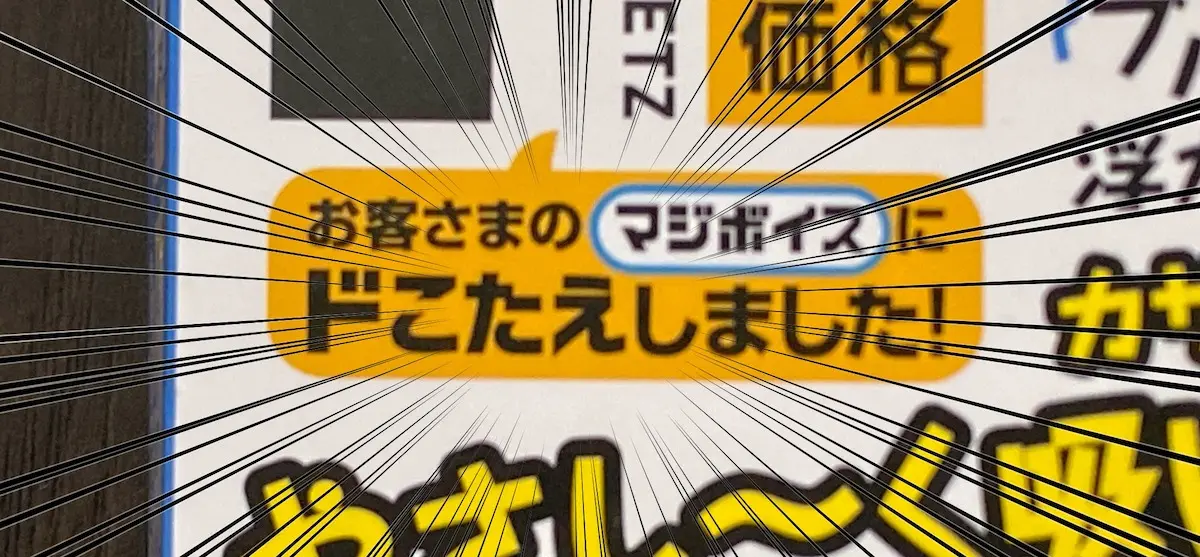
Recently, Don Quijote turned its sights toward a niche yet fiercely debated personal care item within its catalog: the battery-operated electric ear cleaner. Following mixed reviews regarding the suction efficacy of the first-generation model—with many consumers noting that traditional cotton swabs frequently outperformed the motorized gadget—the product development team initiated a comprehensive overhaul. The result is the newly minted Ear Cleaner 2, prominently marketed with a bold consumer-centric pledge emblazoned across its packaging: "We responded to the genuine voice of customers!"
Promising a 25-percent increase in suction power, this upgraded device arrived on shelves with a surprising economic twist. Counter to modern inflationary trends, the second-generation iteration commands a lower price point than its predecessor. To determine whether these engineering adjustments translate to a genuinely superior user experience, SoraNews24 reporter Takashi Harada conducted a rigorous, hands-on comparative analysis. This investigation explores the intersection of consumer responsiveness, private-label manufacturing economics, and the curious mechanics of motorized personal hygiene in modern Japan.

Detailed Chronology: From Consumer Critique to Retail Counter
The journey of the Jonetsu Kakaku Electric Ear Cleaner from a mediocre first-generation product to an aggressively marketed second-generation release underscores the modern corporate pivot toward agile, feedback-driven manufacturing.
Phase 1: The Debut and Shortcomings of Generation One
Roughly two years prior to the release of the updated model, Don Quijote introduced its original battery-operated ear cleaner. Retailing at 1,408 yen (approximately $9 USD at the time), the device was marketed as an innovative, high-tech alternative to traditional bamboo ear picks (mimikaki) and disposable cotton buds. Designed to mechanically vacuum out loose earwax while providing a gentle internal massage, the gadget initially captured the curiosity of gadget enthusiasts and novelty shoppers.
However, as the product saturated households across Japan, the initial novelty gave way to pragmatic critique. Consumer reviews logged by Don Quijote’s feedback channels highlighted a central deficiency: underwhelming suction power. Numerous users reported that the motor lacked the necessary airflow dynamics to effectively clear stubborn or compacted cerumen. A significant portion of the consumer base concluded that standard, inexpensive cotton buds remained vastly superior at maintaining a clean ear canal. Rather than dismissing these critiques as user error, Don Quijote’s product development division categorized the feedback as an actionable blueprint for reform.

Phase 2: The Conception and Launch of Ear Cleaner 2
Armed with specific performance data and consumer grievances, the engineering team set out to re-architect the internal components of the device. The primary objective was straightforward yet technically demanding: boost the suction performance without exponentially increasing the retail price or compromising user safety within the delicate ear canal.
The resulting product, officially designated as Ear Cleaner 2, hit Don Quijote stores with a redesigned packaging wrapper explicitly celebrating its consumer-informed pedigree. Spotting the device during a routine retail excursion, reporter Takashi Harada—who happened to own the original first-generation model—recognized an ideal opportunity for a direct, side-by-side empirical test. Purchasing the new unit for 1,099 yen, Harada initiated a multi-week preparatory and testing protocol to evaluate the tangible differences between the two generations.
Supporting Context & Metrics: Price, Design, and Performance Analysis
Conducting a thorough journalistic evaluation of a personal care gadget requires examining multiple variables, ranging from economic positioning to acoustic and tactile performance.

Economic Anomalies: Cheaper, Not Costlier
In an era where product iterations are routinely accompanied by upward price adjustments justified by "enhanced R&D costs," Don Quijote’s pricing strategy for the Ear Cleaner 2 came as a distinct surprise.
- First-Generation Model (Original): Released at 1,408 yen (~$9 USD).
- Second-Generation Model (Ear Cleaner 2): Launched at a reduced price of 1,099 yen (~$7 USD).
This counter-intuitive deflation highlights the unique supply-chain efficiencies and high-volume distribution models characteristic of Don Quijote’s Jonetsu Kakaku brand. By refining manufacturing processes and leveraging economies of scale based on the guaranteed demand for a known product category, the company successfully delivered a mechanically upgraded device at a lower cost to the consumer.
Physical and Mechanical Comparison
Upon unboxing both units, Harada noted a striking visual and structural similarity. At first glance, the surface architecture, plastic molds, and modular parts appeared virtually indistinguishable. Both devices maintained the compact, handheld cylindrical body optimized for grip and portability.

Upon closer inspection, however, subtle manufacturing variations emerged:
- The Nozzle Interface: The silicone/plastic suction nozzle on the new model exhibited a firmer tactile rigidity compared to the older unit. While this initially suggested a design modification, Harada noted that this variance could largely be attributed to material degradation and wear-and-tear on his two-year-old original device rather than a fundamental design overhaul.
- Acoustic Signatures: Upon powering up both units, the acoustic disparity was immediate. The Ear Cleaner 2 produced a demonstrably sharper, more robust whirring sound, signaling an increase in motor revolutions per minute (RPM) and internal turbine velocity.
The Empirical Test: Two Weeks of Accumulation
To establish a standardized testing environment, Harada intentionally abstained from cleaning his ears for a period of two weeks, ensuring an adequate and balanced accumulation of cerumen in both auditory canals.
Operating both devices simultaneously—inserting the original cleaner into one ear and the Ear Cleaner 2 into the other—Harada documented distinct sensory experiences:

- Suction Force: The physiological sensation confirmed the manufacturer’s claims. The Ear Cleaner 2 exerted a clearly discernible increase in pulling force, validating the advertised 25-percent boost in suction capability.
- Extraction Efficiency: Interestingly, empirical results did not strictly follow raw suction metrics. Upon inspecting the collection chambers post-test, the original first-generation cleaner had surprisingly retrieved a higher volume of earwax than its upgraded counterpart. Harada prudently noted that this outcome was likely influenced by natural anatomical variances in wax distribution between his left and right ears rather than a failure of the new motor.
Official Statements & Consumer Feedback Integration
The core ethos of the Jonetsu Kakaku brand relies heavily on a transparent feedback loop between the purchaser and the corporation. Unlike traditional electronics manufacturers who often treat consumer complaints as internal metrics, Don Quijote actively weaponizes customer dissatisfaction as a marketing asset.
By printing statements like "We responded to the genuine voice of customers!" directly onto the product packaging, the company transforms a potential vulnerability—acknowledging that their previous product was subpar—into a badge of corporate accountability and customer-centric dedication.
Industry analysts point out that this transparent approach builds profound brand loyalty, particularly among budget-conscious shoppers and novelty hunters who frequent Donki stores. When customers feel their specific criticisms regarding minor lifestyle gadgets are systematically addressed, they are significantly more inclined to trial subsequent iterations. This community-driven product lifecycle mirrors the successes seen in Don Quijote’s other novelty culinary releases, such as their viral instant TKG (Tamago Kake Gohan / raw egg over rice) seasoning sauces, which similarly rely on iterative flavor adjustments based on consumer taste-testing panels.

Future Outlook: The Role of Novelty Electronics in Modern Retail
As the personal care and grooming market continues to flood with imported novelty electronics from global manufacturing hubs, retail chains like Don Quijote must continually differentiate their private-label offerings through rapid iteration and humorous, practical utility.
Practical Recommendations for End-Users
Based on Harada’s comprehensive field test, the verdict on the Jonetsu Kakaku Ear Cleaner 2 is nuanced:
- Recommendation: Consumers seeking an affordable, fun, and slightly high-tech alternative to traditional cotton buds will find the Ear Cleaner 2 to be a worthwhile, budget-friendly purchase.
- Safety Precautions: As with any foreign object introduced into the ear canal, medical professionals universally advise exercising extreme caution. Motorized cleaners should be used strictly according to manufacturer guidelines, avoiding deep insertion into the canal.
- Optimal Conditions: For peak operational efficiency, users should ensure the ear canal is completely dry prior to utilizing suction-based cleaning devices, as moisture can obstruct airflow dynamics and reduce particulate extraction rates.
The Road Ahead for Jonetsu Kakaku
Looking forward, the success of the Ear Cleaner 2 signals that Don Quijote’s iterative development model is scalable across minor personal care categories. By demonstrating that a product can be simultaneously improved in performance and reduced in price, Donki sets a high benchmark for competing domestic discount chains. Whether consumers will entirely abandon their trusted cotton buds in favor of motorized vacuum cleaners remains unlikely; however, gadgets like the Ear Cleaner 2 secure a permanent, entertaining niche in the ever-expanding universe of Japanese retail novelties.








Belum ada komentar. Jadilah yang pertama berkomentar!