Following Rockstar Games’ blockbuster 26-minute extended gameplay reveal for Grand Theft Auto VI, the internet has naturally ignited with frenzied analysis. While the broader gaming community has uniformly marveled at the staggering fidelity of Vice City, the unprecedented scale of the open world—reported to be vastly larger than its predecessors—and the slick criminal mechanics showcased by protagonist Lucia, a surprising controversy has taken center stage.
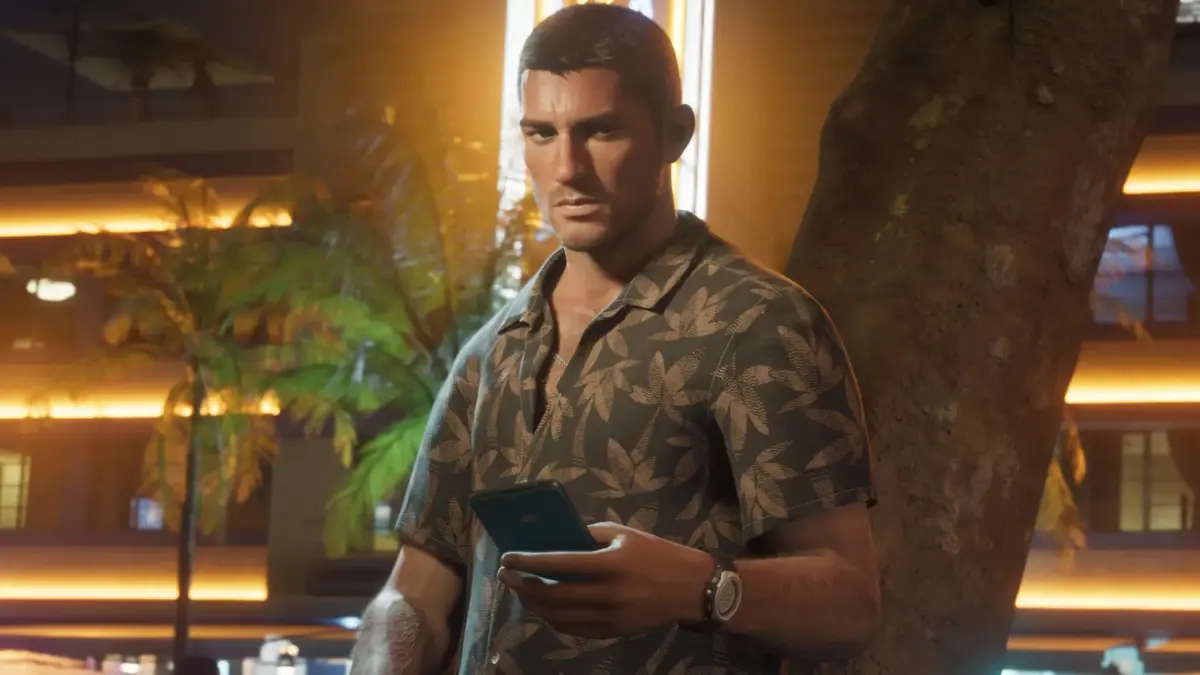
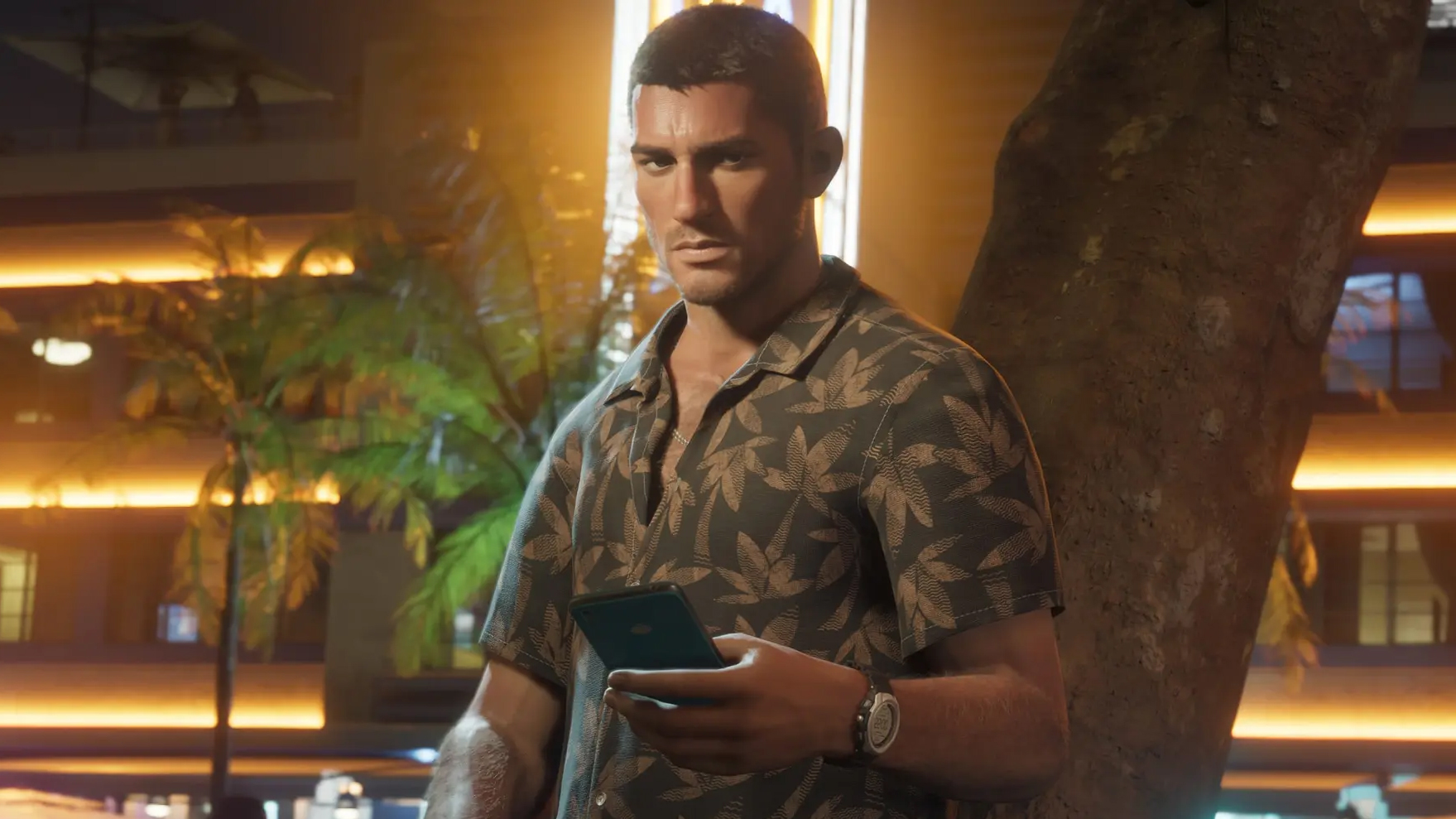
The focal point of this intense debate is not a technical glitch, a pricing model, or map boundaries, but rather Jason, the male half of the game’s central criminal duo.
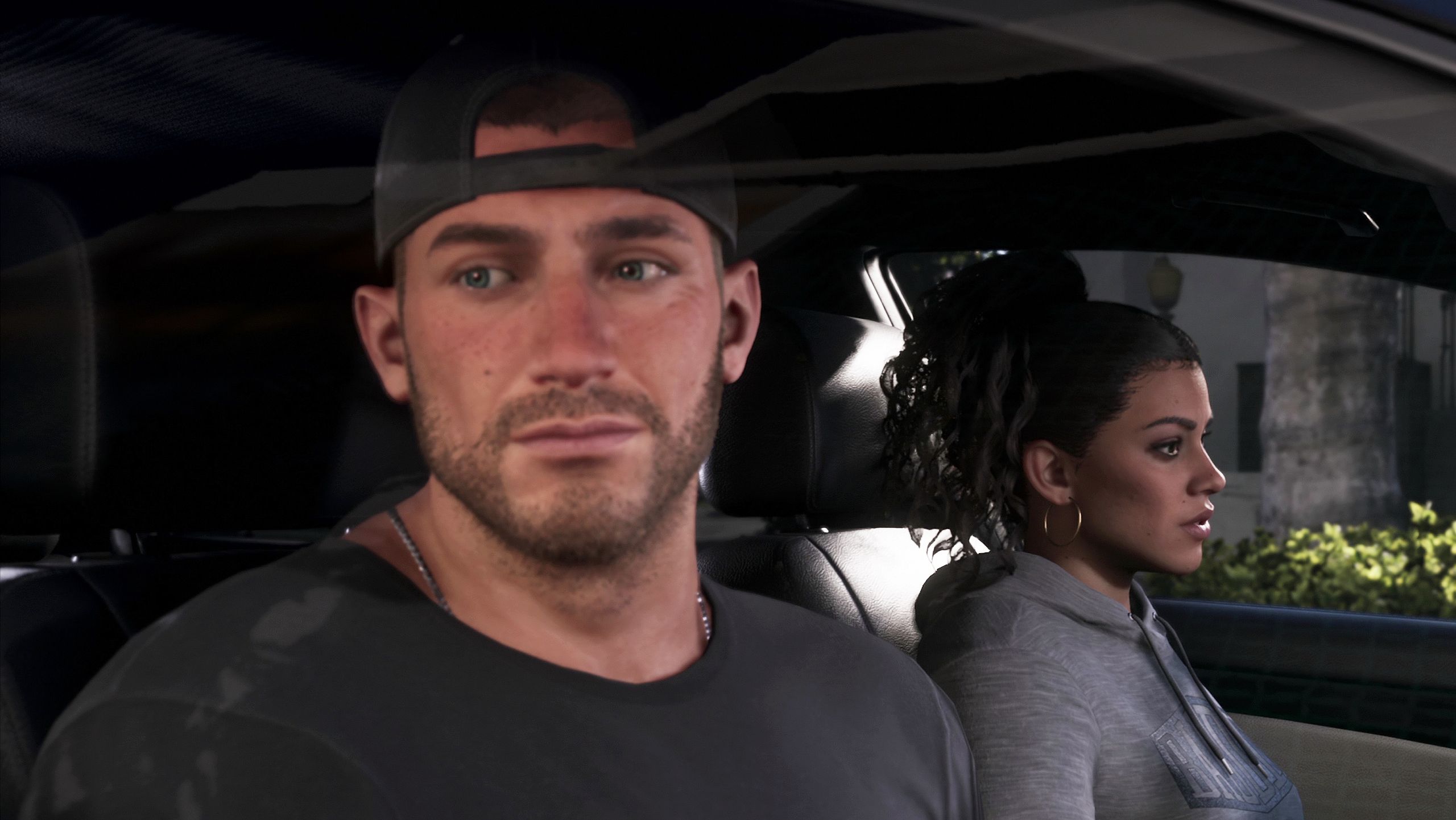
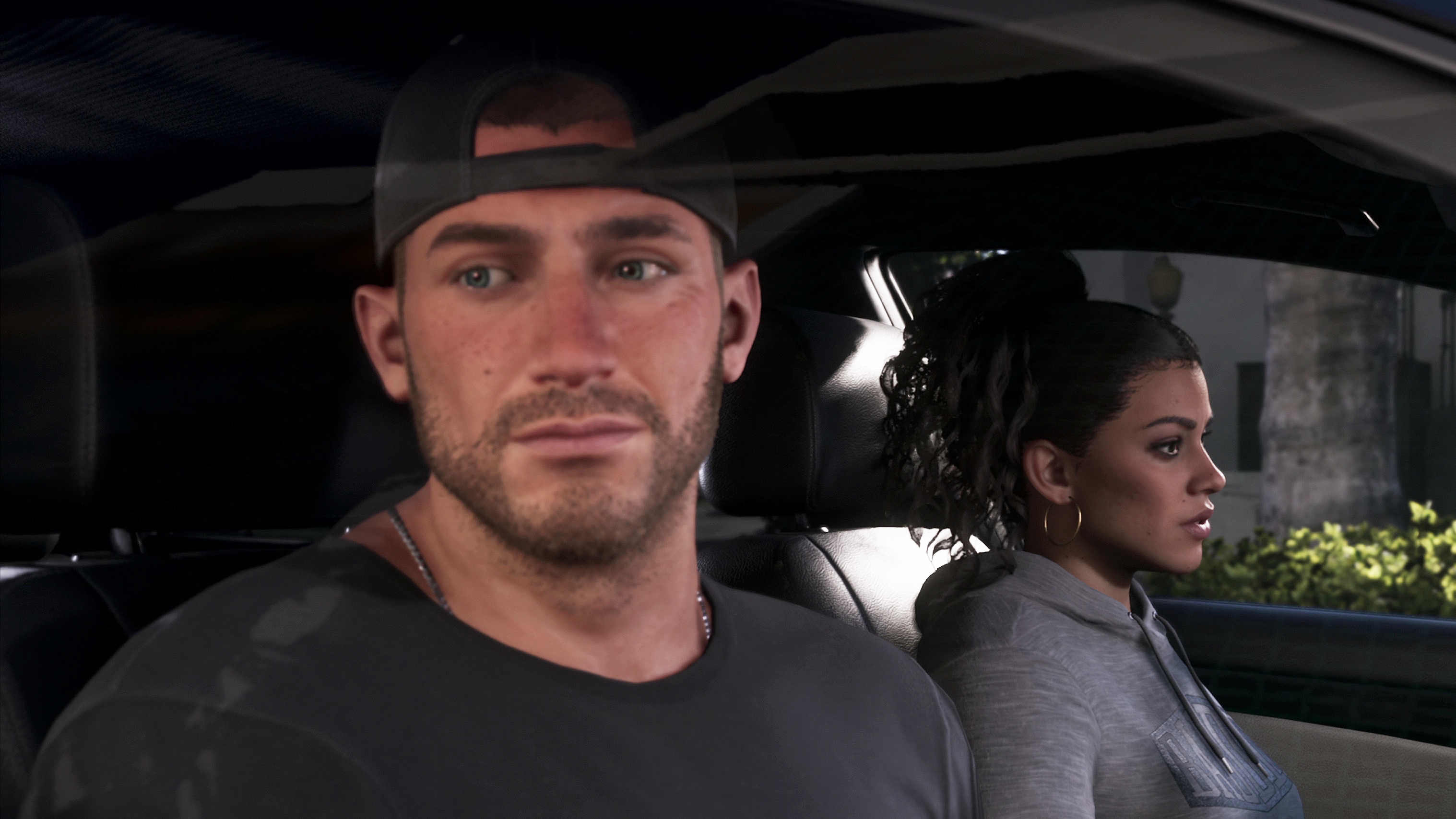
While Lucia has been universally embraced for her striking presence, intense combat brutality (highlighted by a memorable sequence involving a high-heeled shoe and a one-handed shotgun reload), Jason has elicited a sharply polarized response. To some, he is a breath of fresh air—an understated, emotionally detached "everyman" whose low-energy delivery fits the profile of a hardened operative. To others, he reads as a flat, generic, and uninspired relic of early-2000s action game tropes, sparking fierce discussions across forums, subreddits, and internal editorial Slack channels alike. This deep divide begs a critical question: is Jason genuinely a misstep in Rockstar’s legendary character-writing lineage, or are fans falling into the exact same premature judgment trap that once plagued Arthur Morgan and Niko Bellic?
Detailed Chronology: From Hype to Hesitation
The trajectory of public opinion regarding Grand Theft Auto VI has moved at breakneck speed since Rockstar first teased the project, culminating in the recent extended gameplay walkthrough.
Phase 1: The Initial Reveal and Anticipation
When Rockstar first confirmed the dual-protagonist structure—featuring a Bonnie-and-Clyde-inspired dynamic set in a modern, neon-drenched Leonida—the anticipation was historic. Early leaks and the initial teaser trailer focused heavily on atmospheric world-building, high-speed pursuits, and the vibrant culture of a modernized Vice City. During this honeymoon phase, both Jason and Lucia were met with overwhelming optimism. Fans speculated wildly about their backstories, potential betrayal mechanics, and how the cooperative gameplay loop would function.
Phase 2: The 26-Minute Gameplay Drop
The turning point arrived with the 26-minute gameplay walkthrough. The extended footage provided deep dives into mission structures, police AI, civilian routines, and dialogue trees. While Lucia shone brightly through dynamic action sequences and expressive, sharp-witted interactions, Jason’s spoken dialogue and behavioral quirks were thrust into the spotlight.
Almost immediately following the broadcast, community sentiment fractured. The juxtaposition between Lucia’s vibrant, high-octane energy and Jason’s heavily subdued demeanor became impossible to ignore.
Phase 3: The Backlash and Meme Culture
Within hours of the showcase, platforms like Reddit (specifically the r/GTA6 community) and independent gaming forums were flooded with critique threads. Titles such as "I feel like half of this [subreddit] could voice-act Jason better" and "Jason’s voice" dominated trending discussions. Commenters accused the character of sounding "heavily sedated," "mumble-mouthed," and devoid of the charismatic swagger historically associated with protagonists like Trevor Philips, Franklin Clinton, or Michael De Santa.
Conversely, counter-movements emerged just as rapidly. Defenders of the character established threads like "I don’t agree with the Jason criticism," arguing that his cold, detached affect is a deliberate narrative choice for a character shaped by past trauma or military experience. Thus, the "Jason Paradox" was born: a sharp ideological split between players demanding high-octane theatricality and those appreciating psychological realism.
Supporting Context & Metrics: Analyzing the Community Backstory
To understand the weight of the Jason debate, one must look at the historical context of Rockstar Games’ character design choices. Rockstar has a well-documented history of initially polarizing audiences before ultimately delivering critically acclaimed narrative masterworks.
The Arthur Morgan Precedent
A primary pillar of the defense for Jason relies on the collective memory of Red Dead Redemption 2’s rollout. When Arthur Morgan was first showcased in promotional material ahead of the game’s 2018 release, a vocal segment of the fanbase dismissed him as a generic, gruff cowboy lacking the distinct charm and moral complexity of John Marston.
Yet, once players experienced the full arc of Arthur’s redemption, his internal conflicts, and his nuanced emotional depth, he became widely regarded as one of the greatest protagonists in video game history. Veteran industry analysts note that Rockstar routinely utilizes trailers to showcase characters in isolated, contextual vacuums, intentionally withholding their full emotional range to protect narrative pacing.
Voice Acting and Delivery Metrics
The criticism lobbied against Jason largely targets his vocal delivery—specifically, his unusually deep register and flat intonation. On platforms like PC Gamer and Reddit, community sentiment quantified through user-engagement metrics reveals a distinct generational and stylistic divide:
The Detractors (~55% of early forum sentiment): Characterize Jason’s performance as monotone, boring, and structurally flat when compared to the vibrant ensemble casts of GTA V.
The Defenders (~35% of early forum sentiment): Argue that his understated delivery represents a realistic, battle-hardened archetype—the ultimate "Wife Guy" or quiet accomplice caught in a spiral beyond his control.
The Undecided (~10%): Adopt a wait-and-see approach, noting that dialogue mechanics in open-world sandboxes often feel disconnected outside of core narrative missions.
Official Statements and Industry Perspectives
While Rockstar Games has not issued a direct statement responding to the immediate backlash—adhering strictly to their traditional, calculated silence—industry insiders and internal developer chatter offer a broader perspective on how complex protagonists are constructed.
During internal discussions among gaming journalists and critics, the consensus leans toward patience. Editorial teams examining the footage noted a striking dichotomy in character dynamics.
"Jason felt very generic 2000s videogame dude, remarkable only for his startlingly deep voice. More time with him will hopefully reveal hidden depths," noted one industry reviewer.
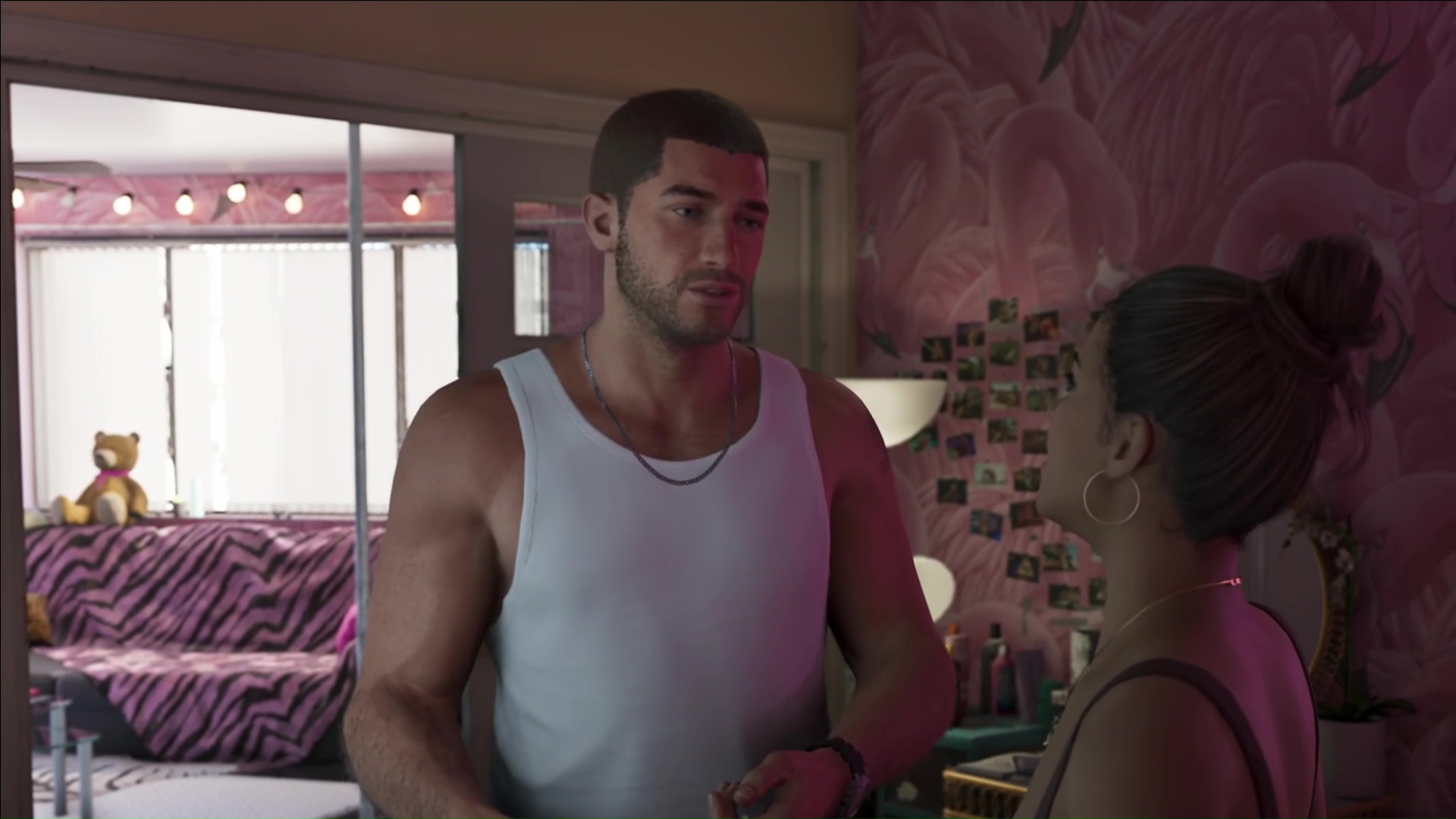
At the same time, others found his mundane, relatable behavioral quirks to be a stroke of genius. Pointing to a domestic scene where Lucia questions Jason’s choice of clothing for an outing, observers highlighted how grounded and authentic their relationship feels. It mirrors ordinary domestic squabbles—a stylistic touch designed to ground high-stakes criminality in recognizable human reality.
Furthermore, narrative theorists suggest that pairing a high-energy, impulsive character like Lucia with a stoic, low-energy counter-weight like Jason is a classic screenwriting technique. It establishes dramatic tension and prevents the narrative tone from becoming exhausting.
Future Outlook: What Jason Means for GTA 6’s Narrative Success
As the gaming industry looks ahead to the eventual launch of Grand Theft Auto VI, the conversation surrounding Jason serves as a fascinating case study in modern player expectations.
Narrative Payload: The true test of Jason’s character will not be found in promotional vertical slices or curated gameplay trailers, but in the pacing of the full campaign. If Rockstar utilizes his stoicism as a mask for deeper psychological conflict—or a slow-burn descent into loyalty—initial criticisms will likely evaporate.
Dynamic Relationship Mechanics: With dual protagonists, the interplay between Jason and Lucia is expected to dictate the emotional core of the game. How their relationship shifts under pressure, law enforcement heat, and criminal betrayal will define Jason’s legacy far more than a few lines of trailer dialogue.
The Customization Factor: As demonstrated in previous titles, players will have extensive control over Jason’s wardrobe, facial hair, and physical presentation. A clean-shaven, deep-voiced cipher in a trailer may feel entirely different to a player who molds him into a bearded, heavily customized drifter navigating the swamps and neon streets of Leonida.
Ultimately, the fierce debate over Jason underscores the immense cultural weight resting on Rockstar’s shoulders. Every frame, voice line, and character quirk is scrutinized under a microscopic lens. Whether Jason ultimately achieves the legendary status of Arthur Morgan or remains a contentious footnote in the franchise’s history will only be revealed when Grand Theft Auto VI finally hits shelves. Until then, the internet will continue to debate whether he is a bland template or a misunderstood masterpiece in the making.






Belum ada komentar. Jadilah yang pertama berkomentar!