

Executive Overview
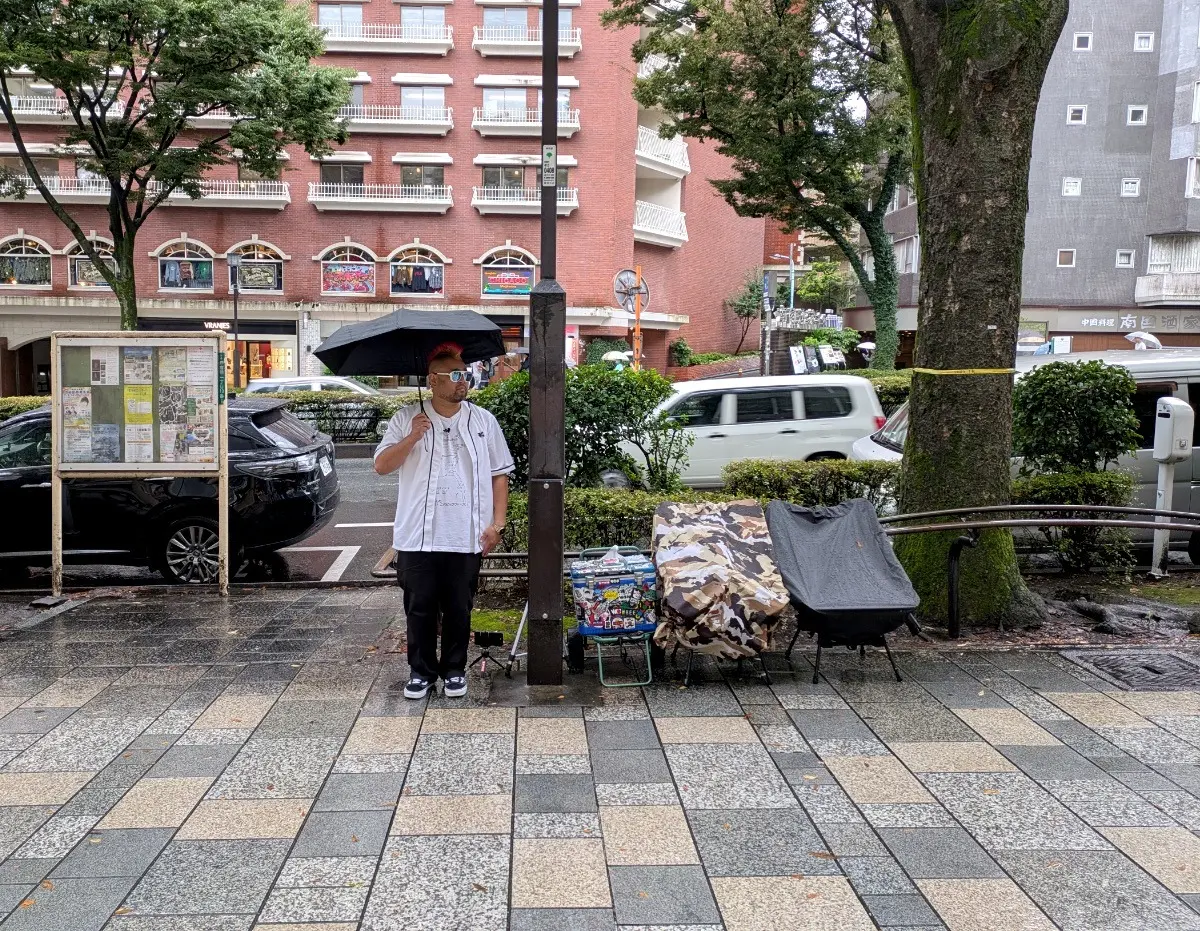
In an era defined by instantaneous digital gratification, automated online pre-orders, and frictionless home deliveries, the concept of camping out on a concrete sidewalk for days on end to purchase a consumer electronic device feels like an artifact of a bygone epoch. Yet, on a dreary, rain-soaked morning in September, in the fashionable Tokyo neighborhood of Omotesando, one man stood alone against the elements.
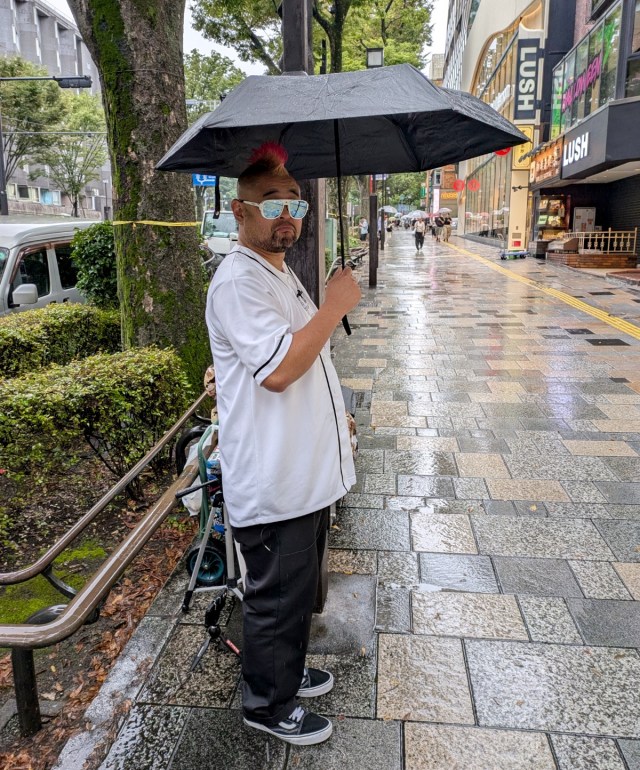
He was sporting an unmistakable, vibrant orange mohawk—a stylistic calling card that has become legendary across Japanese media outlets over the past two decades. This was Butch, widely known to the public as "Big Wave," holding court as a solitary queue in front of the iconic SoftBank flagship store.
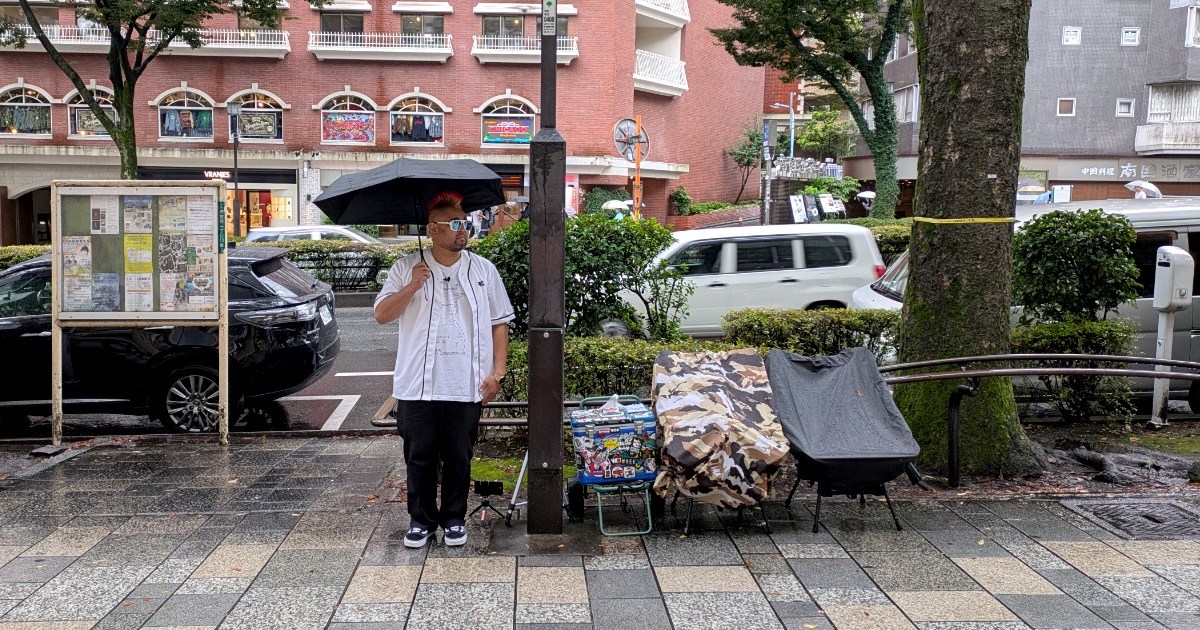
His presence caught the attention of Mr. Sato, a veteran reporter for SoraNews24 and a former comrade-in-arms from the golden age of frantic release-day spectacles. What began as a chance encounter during a miserable autumn stroll quickly evolved into a poignant journalistic inquiry into the passing of time, the evolution of consumer habits, the exorbitant pricing of modern smartphones, and, most surprisingly, a profound psychological revelation about why humans commit themselves to collective rituals.
This report chronicles the intersection of two veterans of Japan’s mobile phone revolution, examining the sociology of early-adopter culture, the shifting economics of the smartphone market, and the enduring romance of the physical queue in a hyper-digitized world.
Detailed Chronology: A Rainy Encounter in Omotesando
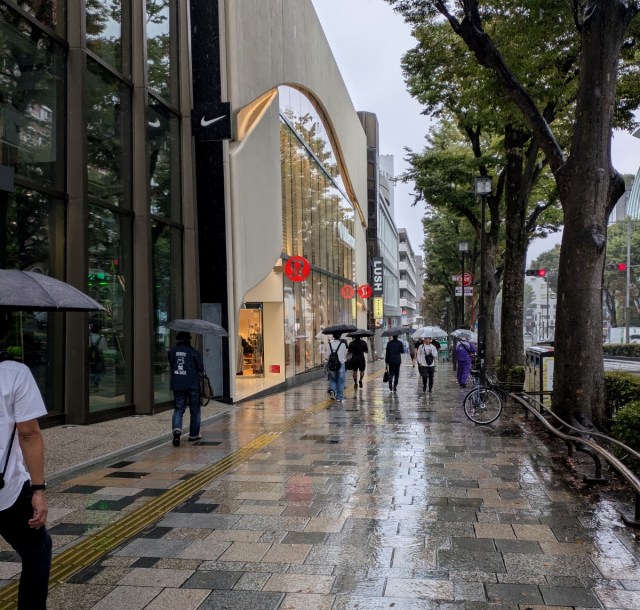
The calendar read September 16, and Tokyo’s autumn was establishing its typical damp, melancholic atmosphere. Mr. Sato was navigating the familiar upscale avenues of Omotesando when his eyes drifted toward the SoftBank Omotesando shop. For Mr. Sato, the storefront carries immense nostalgic weight; it was the exact location where, back in 2010, he joined his very first public queue to secure an iPhone 4.
Reflecting on the passage of time—realizing that a child born the year he first waited in line would now be navigating the stresses of high school—his reverie was sharply interrupted. Cutting through the gray drizzle was a flash of neon-bright orange hair.
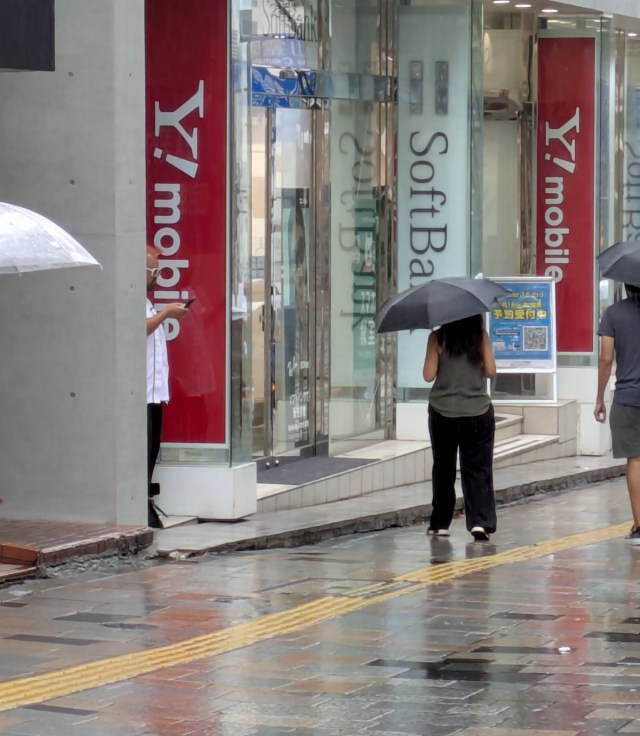
Orange mohawks are exceedingly rare on the streets of Tokyo, leaving little doubt in Mr. Sato’s mind. It was Butch, standing shivering and exposed to the elements.
"Butch! What are you doing standing out in the rain?!" Mr. Sato called out, astonishment coloring his voice.
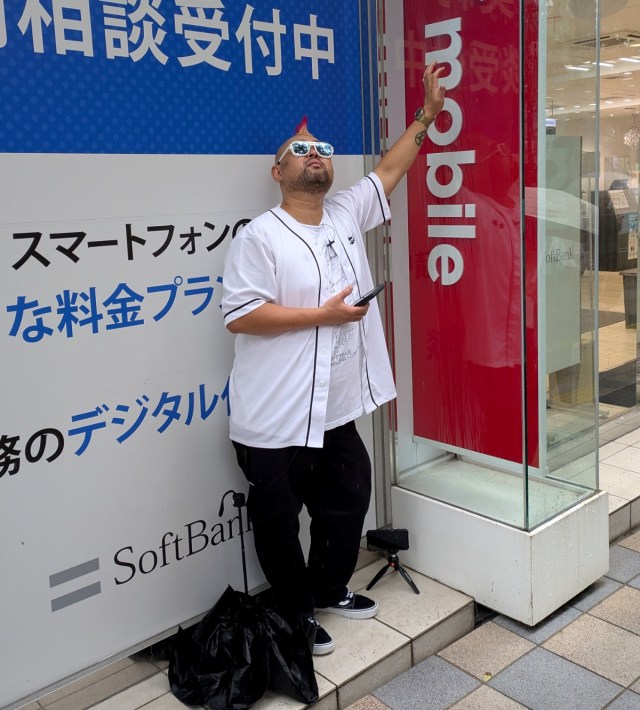
"Oh, s’up bruh!!!" Butch fired back with undiminished, trademark enthusiasm, though his posture betrayed the physical toll of the weather.
"Aren’t you cold? What are you doing out here?" Mr. Sato pressed.
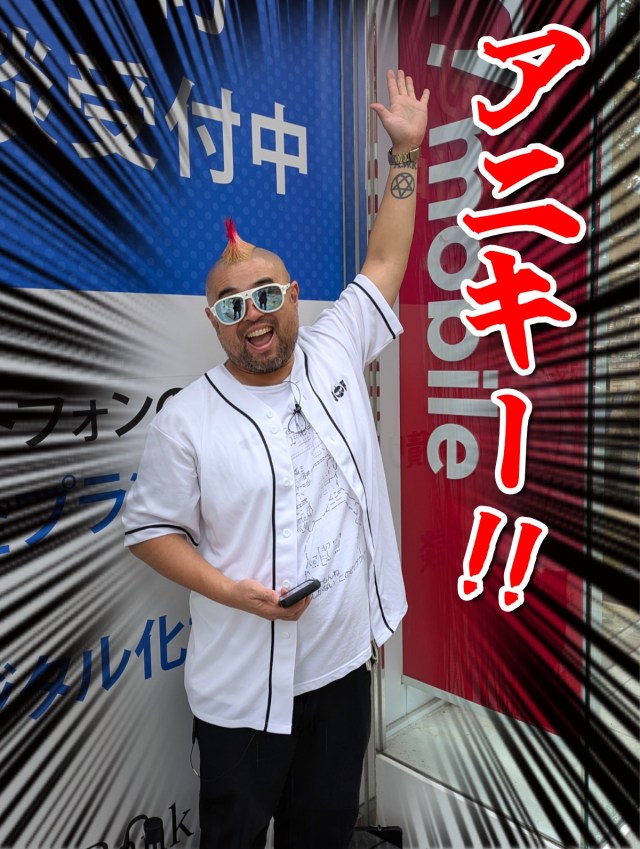
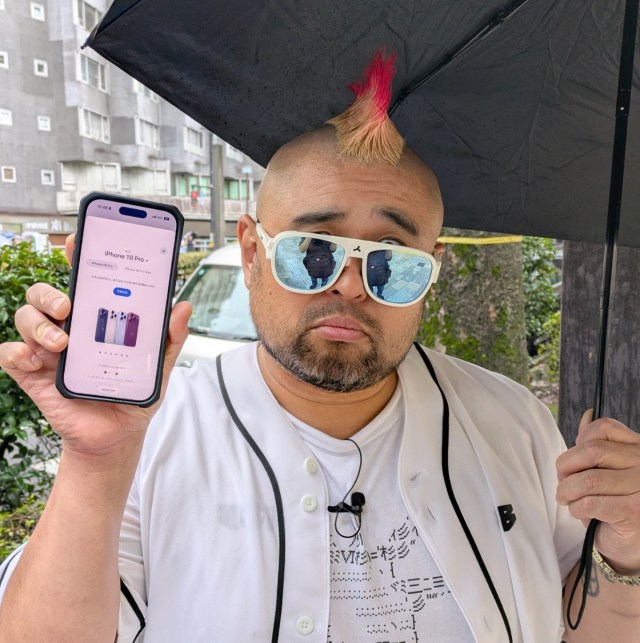
"Pffft, like you don’t know… It’s the event of the century, bruh! The iPhone! The new iPhone is coming out! And when a new iPhone launches, that’s my cue, baby!" Butch declared, his eyes bright with the familiar fanaticism of launch days past.
When Mr. Sato pointed out that he had transitioned to an Android device and completely lost track of release schedules, Butch reacted with theatrical dismay. "Dang, I guess changing to Android makes you a really dull guy too." Mr. Sato, unfazed, admitted that his passion had simply faded—not necessarily due to any inherent flaw in the hardware, but because the relentless, iterative cycle of minor upgrades had worn down his enthusiasm.
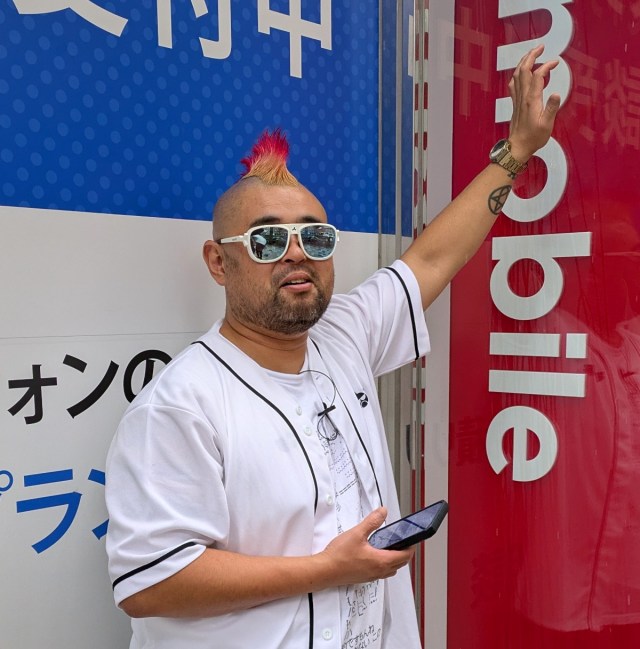
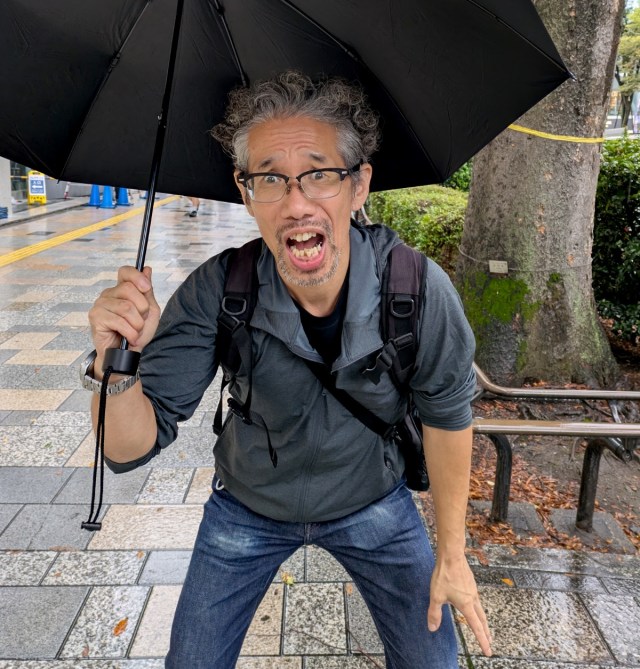
Recognizing that his friend was enduring punishing physical conditions for a device he no longer cared about, Mr. Sato walked away. However, the encounter left a lingering sense of unease. Driven by concern for his friend’s health and well-being, Mr. Sato resolved to stage an intervention.
The following day, September 17, Mr. Sato returned to the sidewalk outside the SoftBank store. The queue for the newly announced iPhone 18 consisted of exactly one person: Butch. Armed with arguments regarding the performance metrics and financial sensibility of modern Android alternatives, Mr. Sato attempted to talk some sense into the aging enthusiast.
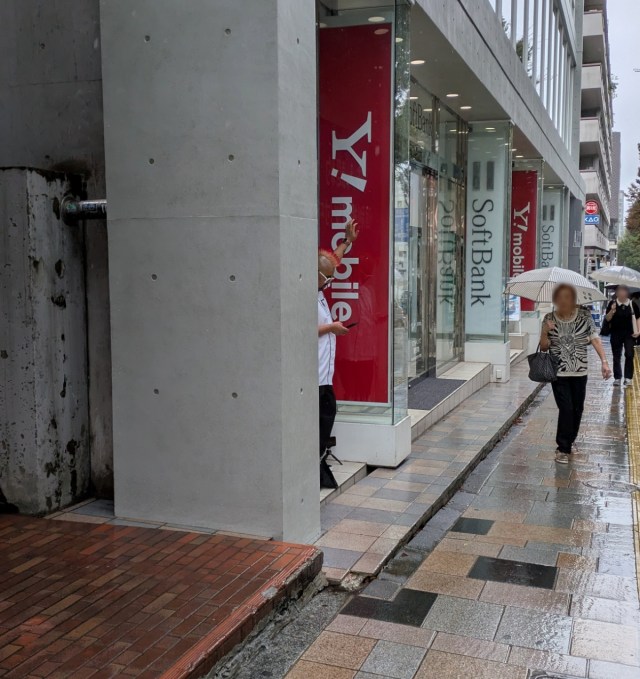
"Butch, it’s been raining non-stop. Are you alright?!" Mr. Sato asked as he approached.
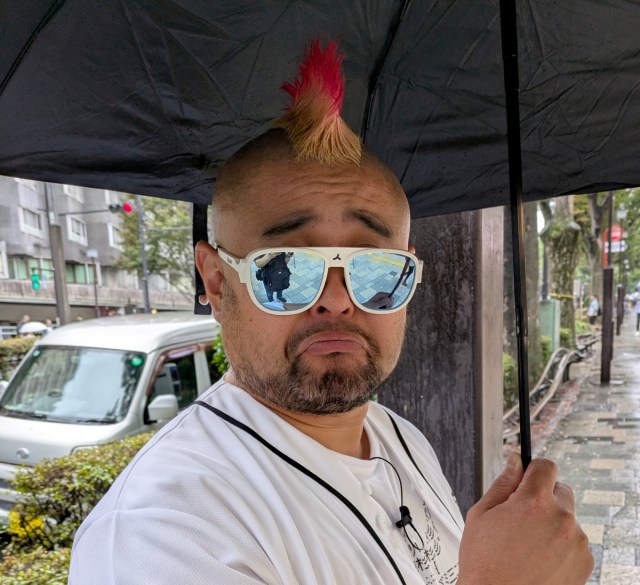
"Bruh, do I look alright to you? I’m cold and wet, and my lower back is killing me, dog," Butch admitted, his bravado momentarily cracking under the weight of aching joints and relentless moisture.
"Butch, it’s over. The iPhone dream is dead, man. It’s time to wake up and see that!" Mr. Sato urged.
What followed was a sharp reality check regarding the changing economics of Apple’s flagship devices. Mr. Sato laid bare the stark financial figures: the entry-level iterations of the latest iPhone lineup command a staggering 219,800 yen (approximately $1,400 USD), while top-tier configurations like the 2TB iPhone 18 Pro skyrocket to an astronomical 449,800 yen (nearly $2,900 USD). By contrast, highly capable Android smartphones can be acquired for as little as 22,000 yen ($141 USD).
"You damn fool! Even the cheapest iPhone is 219,800 yen and the 2TB iPhone 18 Pro is freaking 449,800 yen! Forgetting about specs, you can get a brand new Android for just 22,000 yen! Don’t you see?!" Mr. Sato argued passionately.
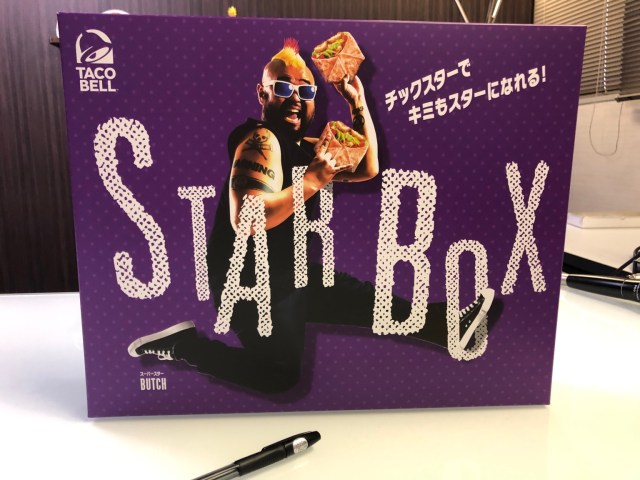
Yet, Butch’s resistance wasn’t rooted in ignorance of currency exchange rates or spec sheets. As Mr. Sato pressed further—reminding him of his storied history as a pioneer of early Japanese smartphone culture, his catchphrases, his viral ASCII art, and his transition into a pop-culture fixture who even modeled as the mascot for Taco Bell Japan—Butch struggled to articulate his true motivation.
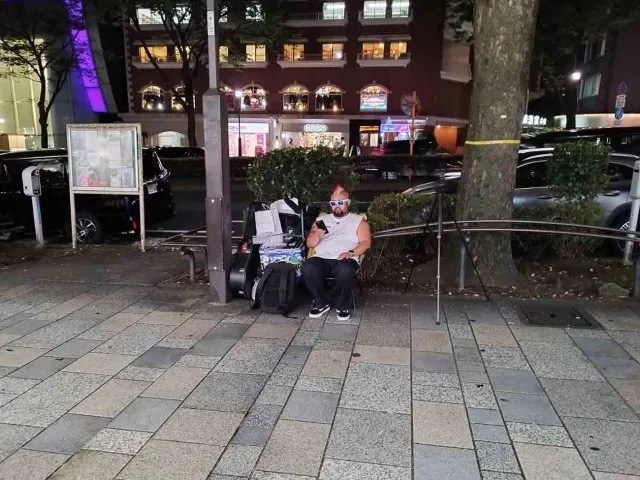
Finally, the emotional dam broke. As the rain continued to fall on the empty pavement, Butch delivered a confession that reframed the entire interaction.
"Bruh, you totally got it twisted… It’s just that I… I LOVE THE LINE!" Butch shouted, his voice ringing out over the Omotesando traffic. "I don’t care about the iPhone… I care about lining up!"
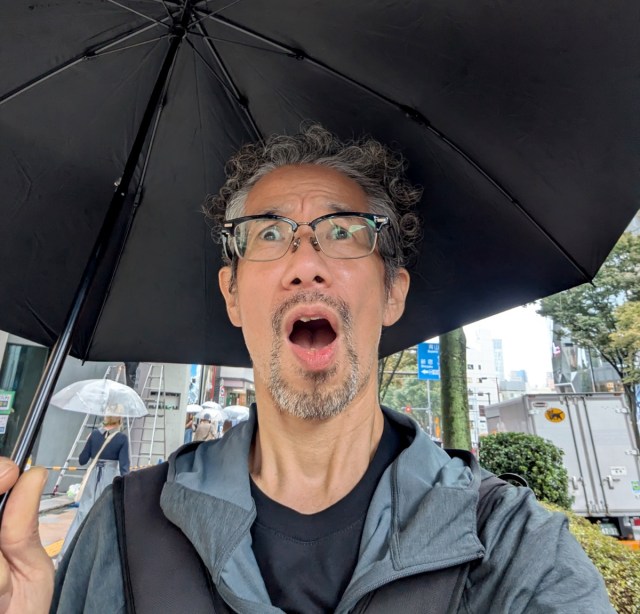
In that single, profound moment, the years of puzzle pieces clicked into place. Butch was never truly there for the silicon chips, the OLED displays, or the marginal camera upgrades. He was there for the communal theater, the electric anticipation, the camaraderie of the asphalt, and the unique cultural phenomenon of the queue itself.
Supporting Context & Metrics: The Rise and Fall of the Launch-Day Phenomenon
To fully appreciate the weight of Butch’s solitary vigil, one must contextualize the historical significance of the smartphone launch culture in Japan. When Apple and Japanese carriers like SoftBank and NTT Docomo first introduced devices like the iPhone 3G and iPhone 4 in the late 2000s and early 2010s, it marked a monumental shift in mobile technology.
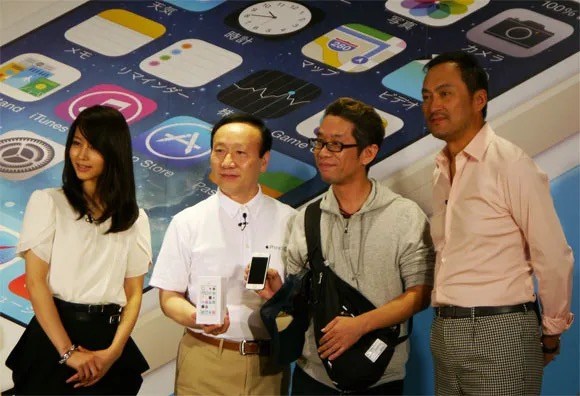
At the time, Mr. Sato was an active participant in this subculture. He achieved minor celebrity status by being the first person in Japan to purchase consecutive iterations, such as the iPhone 5S via Docomo in 2013 and the iPhone 6 Plus in 2014—an occasion that placed him shoulder-to-shoulder with luminaries like acclaimed actor Ken Watanabe during official carrier ceremonies.
During these years, the sidewalks outside flagship stores transformed into vibrant tent cities. Media crews swarmed the blocks, and eccentric personalities like Butch ("Big Wave") became household names, their colorful hair and exuberant soundbites serving as the unofficial opening credits for every autumn news broadcast regarding Apple products. This subculture birthed internet memes, digital ASCII tributes, and even mainstream commercial opportunities for its most dedicated participants.
However, the landscape shifted dramatically over the subsequent decade. Several compounding factors dismantled the launch-day queue culture:
- The Shift to Digital Pre-Orders: Telecommunication carriers and Apple streamlined online reservation systems, allowing consumers to secure devices from the comfort of their living rooms with guaranteed home delivery or designated in-store pickup windows. There was simply no logistical need to sleep on the pavement.
- Diminishing Innovation Margins: As smartphone technology matured, annual generational leaps shrank. The excitement surrounding iterative updates diminished, leading to a natural cooling of public fervor.
- Escalating Hardware Costs: Foreign exchange fluctuations, inflation, and soaring component costs pushed flagship smartphone prices into luxury-goods territory. Paying upwards of $1,400 to nearly $3,000 for a phone alienates casual consumers and dampens cultural enthusiasm.
- Aging Demographics: The pioneers of the early smartphone boom—including Mr. Sato, now in his 50s, and Butch, roughly a decade younger—began to feel the physical toll of age. Three days and nights on cold concrete is a young person’s game, and as the original participants aged out, younger generations failed to replace them, viewing physical lines as antiquated when digital alternatives exist.
Official Statements and Industry Insights
While Apple Inc. and Japanese telecommunications giants like SoftBank no longer host the raucous, theatrical release-day carnivals of the early 2010s—opting instead for orderly crowd management and preference for online fulfillment—industry analysts note that the psychological attachment to retail rituals remains a fascinating area of study.
Consumer behavior experts point out that public queues function as modern-day tribal gatherings. They offer participants a temporary community, a shared identity, and a sense of shared purpose in an increasingly isolated digital society. While corporations have abandoned the marketing utility of the campout—prioritizing smooth logistics and supply chain predictability over media spectacles—the emotional void left behind for individuals like Butch is palpable.
As Mr. Sato observed following his unsuccessful intervention, the tragedy is not that Butch is misguided about technology, but that the world around him has evolved past the ritual he cherishes. The infrastructure of consumerism has streamlined the passion out of the process, leaving the "Last Mohican of Omotesando" to guard a tradition that no longer serves a commercial purpose.

Future Outlook: What Lies Ahead for the Last Man in Line?
As the 2026 iPhone release cycle progresses, the image of Butch standing alone outside the SoftBank Omotesando flagship store serves as a bittersweet metaphor for the passage of time.
For Mr. Sato, the encounter provided closure. Returning to the warmth and dry confines of his home, he was left pondering the future of his eccentric friend. Can a man whose entire identity was intertwined with the electric energy of a massive crowd find fulfillment as a queue of one? Is there another cultural phenomenon, another public gathering, or another collective ritual that could capture Butch’s boundless enthusiasm without subjecting his aging lower back to the autumn rains of Tokyo?
Perhaps, as Mr. Sato mused, the solution lies in finding a new, more vibrant community for Butch to join—one that doesn’t cost as much as a used car and actually features other human beings sharing the experience. Until that day arrives, however, Tokyo can rest assured that whenever a new piece of consumer technology casts its shadow over the retail landscape, at least one colorful, indomitable spirit will be ready and waiting on the pavement, simply because he loves the line.






Belum ada komentar. Jadilah yang pertama berkomentar!