

Executive Overview
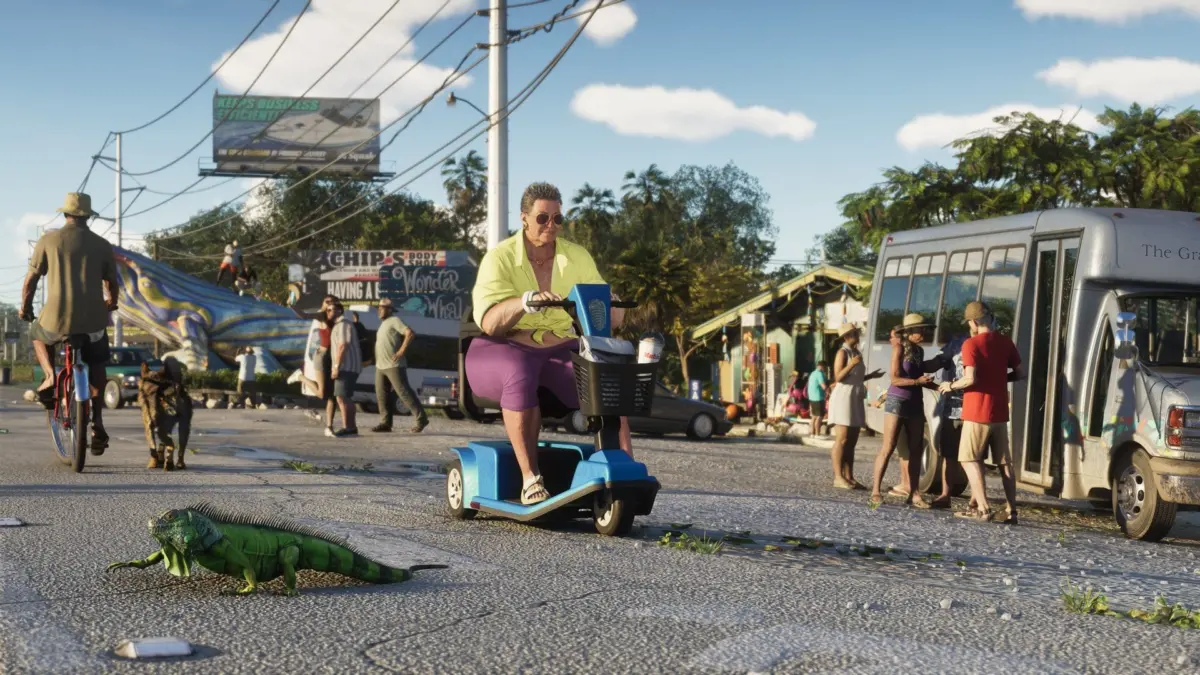
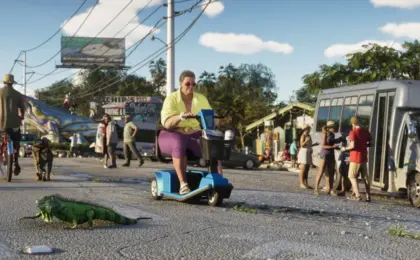
The video game industry has spent over a decade waiting for the next paradigm shift in open-world design. When Rockstar Games first dropped the trailer for Grand Theft Auto 6, the internet fractured under the weight of high-definition anticipation, dissecting every frame of the fictional state of Leonida. While the visual fidelity, dense crowds, and sun-drenched coastal vistas predictably stole the spotlight, a quieter, more granular detail has recently emerged from behind the curtain: the implementation of a fully realized, deeply reliable public transportation network.
According to recent deep-dives from industry publications like Edge magazine, GTA 6 will feature an intricate, operational web of bus routes and train systems that players can genuinely use to navigate the map. Led by meticulous developer testing, this feature represents a massive philosophical pivot for Rockstar Games. Rather than relying exclusively on high-speed vehicular theft and explosive car chases to drive the core gameplay loop, the studio is embedding systemic, everyday realism into the fabric of Leonida.
For veterans of the franchise, the idea of waiting for a bus might sound antithetical to the chaos that defines Grand Theft Auto. However, this mechanic is not merely a novelty roleplaying tool; it is a sophisticated gameplay system that offers tactical escape routes from law enforcement, deepens world immersion, and humanizes protagonists Jason and Lucia in a way no previous GTA entry has attempted. This report explores how Rockstar is building the most immersive virtual ecosystem in gaming history, analyzing the mechanics, the development philosophy, and what this means for the future of the open-world genre.
Detailed Chronology: From Wild West Rails to the Concrete Jungles of Leonida
To understand why a bus schedule matters in Grand Theft Auto 6, it is essential to trace the evolutionary timeline of public transit systems across Rockstar’s illustrious catalog.
The Blueprint: Red Dead Redemption 2
The foundation for GTA 6’s transit system was quietly laid six years ago in the rugged, dusty expanse of Red Dead Redemption 2. Rockstar introduced a functional train network that players could use to traverse the map legitimately. NPCs boarded these trains, guards patrolled them, and outlaws could orchestrate daring cinematic robberies on moving carriages.
While players appreciated the atmospheric touch of purchasing a ticket and watching the cinematic camera sweep across the frontier, the system was relatively linear and straightforward. It mapped to a single, continuous railway line designed to evoke the romance and danger of the turn-of-the-century American West.
The Urban Leap: Transitioning to Leonida
When the development team began conceptualizing Leonida—Rockstar’s satirical, neon-soaked pastiche of Florida—they faced a vastly different design challenge. Replicating the infrastructure of a modern American state required moving past single-track railways into complex, multi-layered urban and suburban transit grids.
According to insights revealed in Edge magazine’s comprehensive feature, Rockstar’s head of development, Phil Hooker, took a deeply obsessive approach to testing Leonida’s public transit. Unlike background set-dressing seen in past titles (such as the rudimentary subway systems of Grand Theft Auto 4), the buses and trains in GTA 6 operate on strict, functional schedules.
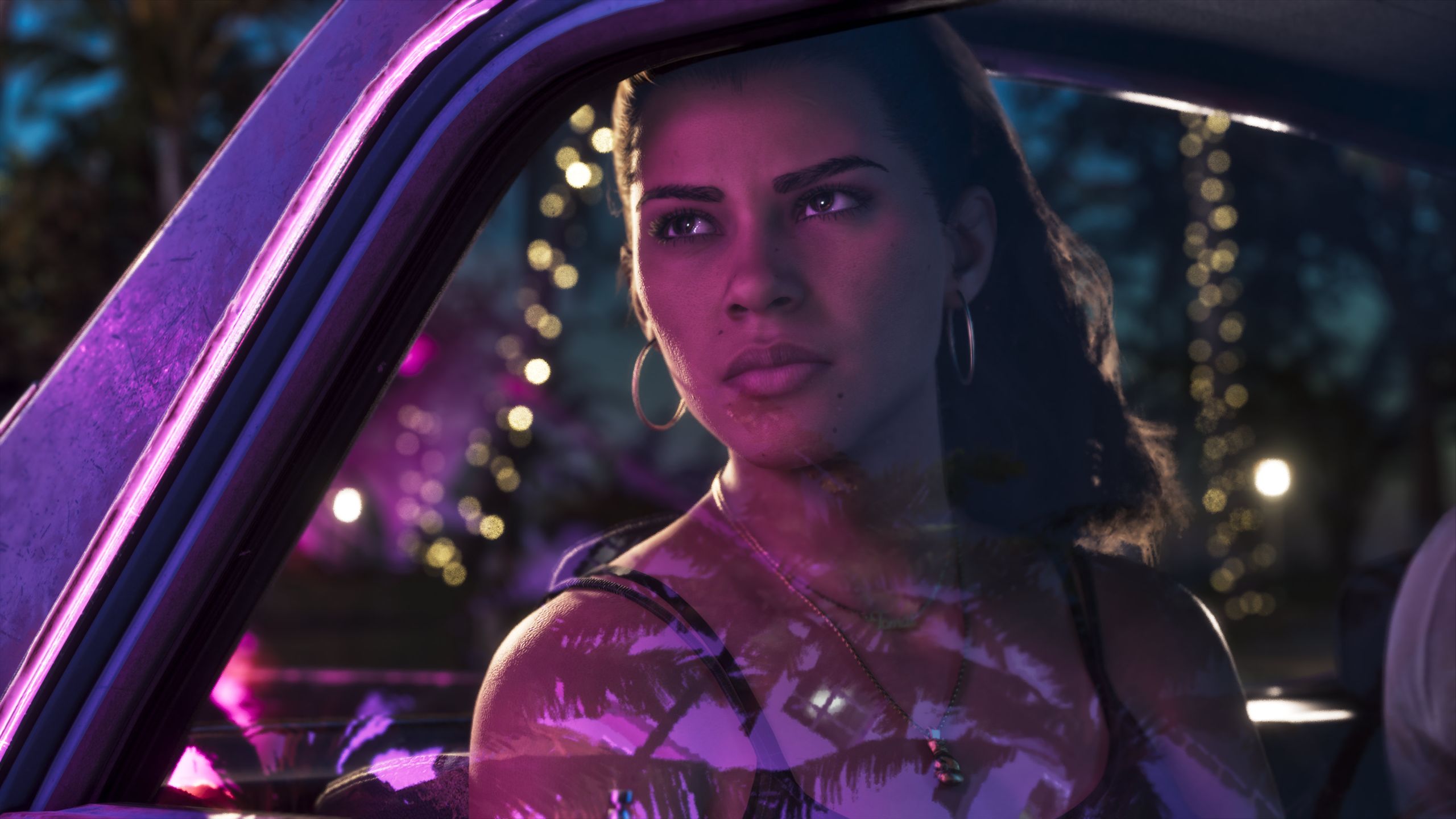
Hooker noted that he has personally memorized the bus routes across the state, utilizing them as a primary mode of transport during playtests. "I’m obsessed with making sure they always turn up," Hooker stated. This level of dedication signals a major shift in how Rockstar views player agency. Instead of forcing the player into the driver’s seat of a stolen sports car at every turn, the game actively invites users to slow down, swipe a transit card, and experience Leonida at street level.
Supporting Context & Metrics: Grounding the Criminal Fantasy
For decades, the Grand Theft Auto formula has relied on an intoxicating, albeit predictable, power fantasy: steal a car, outrun the cops, cause maximum property damage, repeat. While this sandbox approach made the franchise a multi-billion-dollar juggernaut, it often created a dissonance between the grandiose narratives of the protagonists and their psychopathic execution in the open world.
Paring Down the Power Fantasy
In GTA 6, Rockstar appears to be bridging that narrative gap. Protagonists Jason and Lucia are framed not as untouchable criminal masterminds from the outset, but as desperate individuals navigating the gritty underworld of Leonida. Their story demands a certain level of groundedness.
Allowing players to engage with practical, mundane methods of transportation—like waiting at a bus stop or boarding a commuter train—offers a fascinating contrast to the explosive violence typically associated with the series. It gives players options. You can still mow down pedestrians if you choose, but you can also choose to live within the simulation as a semi-regular citizen.
| Feature Comparison | Grand Theft Auto V (Los Santos) | Grand Theft Auto 6 (Leonida) |
|---|---|---|
| Public Transit Functionality | Limited/Scripted (Static subway system, non-functional buses) | Fully Operational (Dynamic bus routes, scheduled train systems) |
| Player Interaction | Minimal; mostly utilized as obstacles or targets | High; fully ridable, exploitable for stealth and evasion |
| Developer Testing Focus | Core shooting, driving mechanics, heist scripting | Systemic reliability, scheduling accuracy, route memorization |
| Immersive Worldbuilding | Satirical backdrop, hyper-car centric | Multilayered ecosystem balancing chaos and mundane realism |
Tactical Utility: Evading the Law
Crucially, this transit system is not just an aesthetic flourish or a tool for casual roleplayers; it serves a direct mechanical purpose in the game’s revamped "Wanted" system.
Historically, escaping the police in GTA required breaking line of sight, hiding in a bush or alleyway, and waiting out the flashing lights. In GTA 6, the introduction of public transit introduces a brand-new layer of stealth mechanics. As Phil Hooker points out, if a player boards a bus or a train undetected—or manages to slip away from an active police perimeter and board before officers spot them—the dynamics of pursuit shift entirely.
"If they don’t see you get on, and then you get out of the ‘wanted’ area, why would they search the bus unless they see you get onto it?" Hooker posits. This opens up thrilling tactical possibilities: staging a heist, ditching your bullet-riddled getaway car in a crowded district, slipping onto a packed city bus, and riding past a convoy of confused police cruisers in broad daylight.
Official Statements & Industry Perspectives
The reveal of GTA 6’s transit mechanics has sparked widespread discussion across the gaming community, highlighting a broader industry trend toward hyper-detailed simulation.
Industry analysts point out that Rockstar’s meticulous attention to background systems is what separates their titles from standard open-world games. While competitors often build sprawling maps filled with repetitive check-list activities, Rockstar focuses on building living, breathing ecosystems where non-player entities exist independently of the player’s actions.
The implementation of functioning bus routes also speaks to the immense technical overhead of current-generation hardware (PlayStation 5 and Xbox Series X/S). Managing dynamic pathfinding for hundreds of vehicular and pedestrian AI agents simultaneously, while ensuring that public transit vehicles maintain reliable schedules across a massive map, requires an extraordinary level of engine optimization.
As developers increasingly leverage AI and advanced pathfinding algorithms, features that were once considered impossible or overly tedious—like waiting for a bus that actually arrives—are becoming the ultimate flex of technical prowess. It proves that the world isn’t just rendering around the player; it is running on its own independent clock.
Future Outlook: What This Means for Open-World Design
As we inch closer to the launch of Grand Theft Auto 6, details like Leonida’s public transit system offer a tantalizing glimpse into the future of interactive entertainment.
We are moving past an era where open worlds are measured merely by square mileage. The new metric of success is density and systemic depth—how the world reacts, breathes, and functions when the player stops wreaking havoc and simply observes.
For the average player, the ability to catch a bus in GTA 6 may seem like a minor footnote compared to high-stakes heists and sprawling narrative missions. Yet, it is precisely these minor, friction-filled details that ground virtual worlds in reality. They create memorable emergent moments: striking up an imaginary conversation with NPC commuters, dodging fares, or experiencing the absolute comedic peak of modern urban transit simulation—waiting twenty virtual minutes for a bus, only for three to arrive bumper-to-bumper in true, authentic metropolitan fashion.
When Grand Theft Auto 6 finally launches, millions of players will log in to test the limits of its violence and technology. But a dedicated subset of players will undoubtedly do what Phil Hooker did: sit on a bench, watch the digital sun set over the Leonida keys, wait for the schedule to align, and hop on a bus, ready to watch the world go by.




Belum ada komentar. Jadilah yang pertama berkomentar!