The cross-border expansion of South Korean content—spanning television dramas, webtoons, mobile gaming, and dynamic K-pop culture—has long since graduated from a regional phenomenon to a dominant global force. At the epicenter of this international tidal wave lies a seismic shift in strategy: a transition from merely exporting finished products (often termed the "Made in Korea" era) to deeply integrating Korean intellectual property (IP) directly into the cultural and industrial fabric of local overseas markets ("Made with Korea").
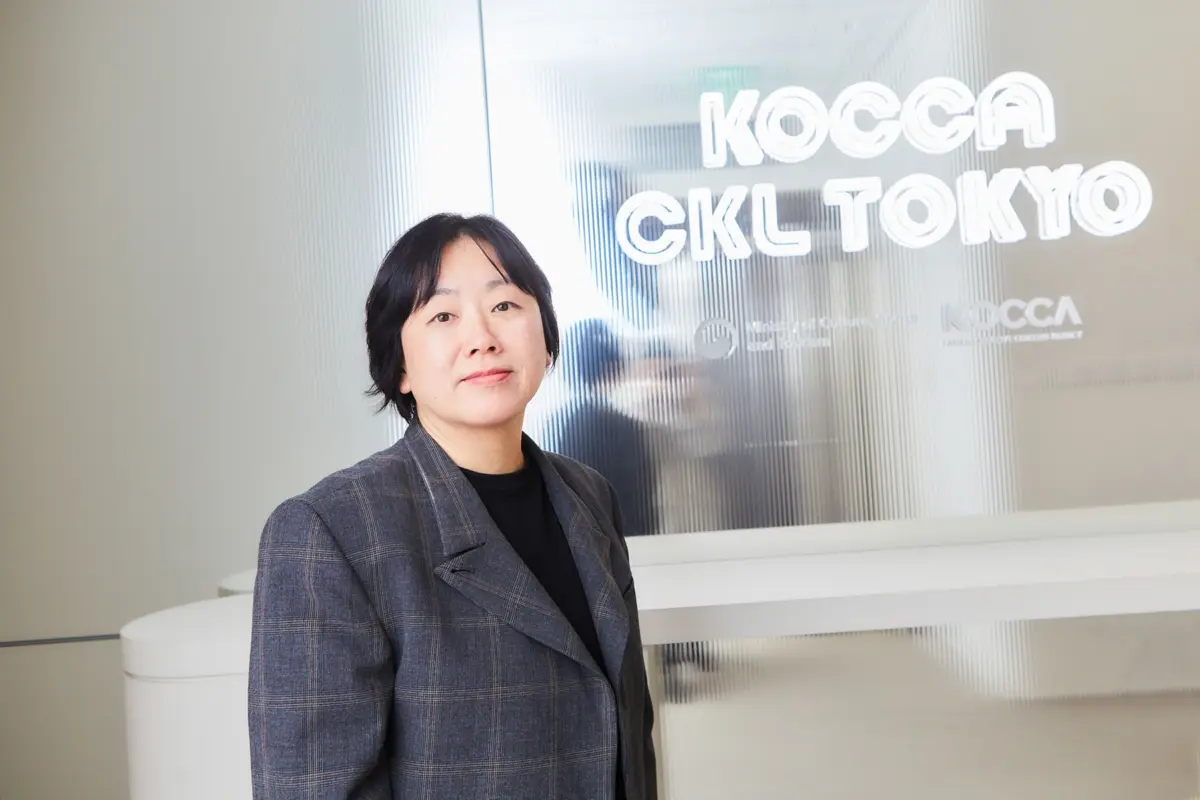
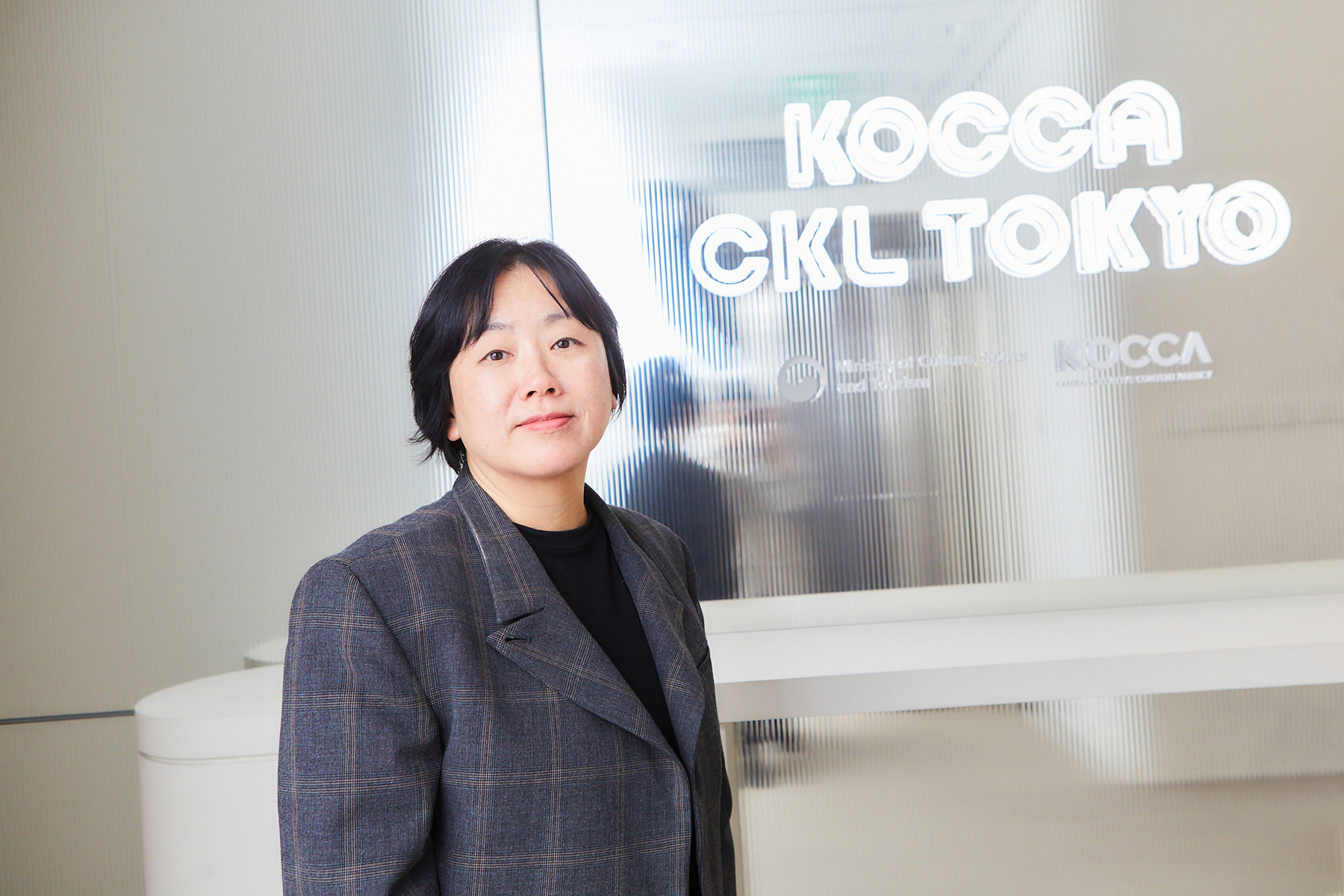
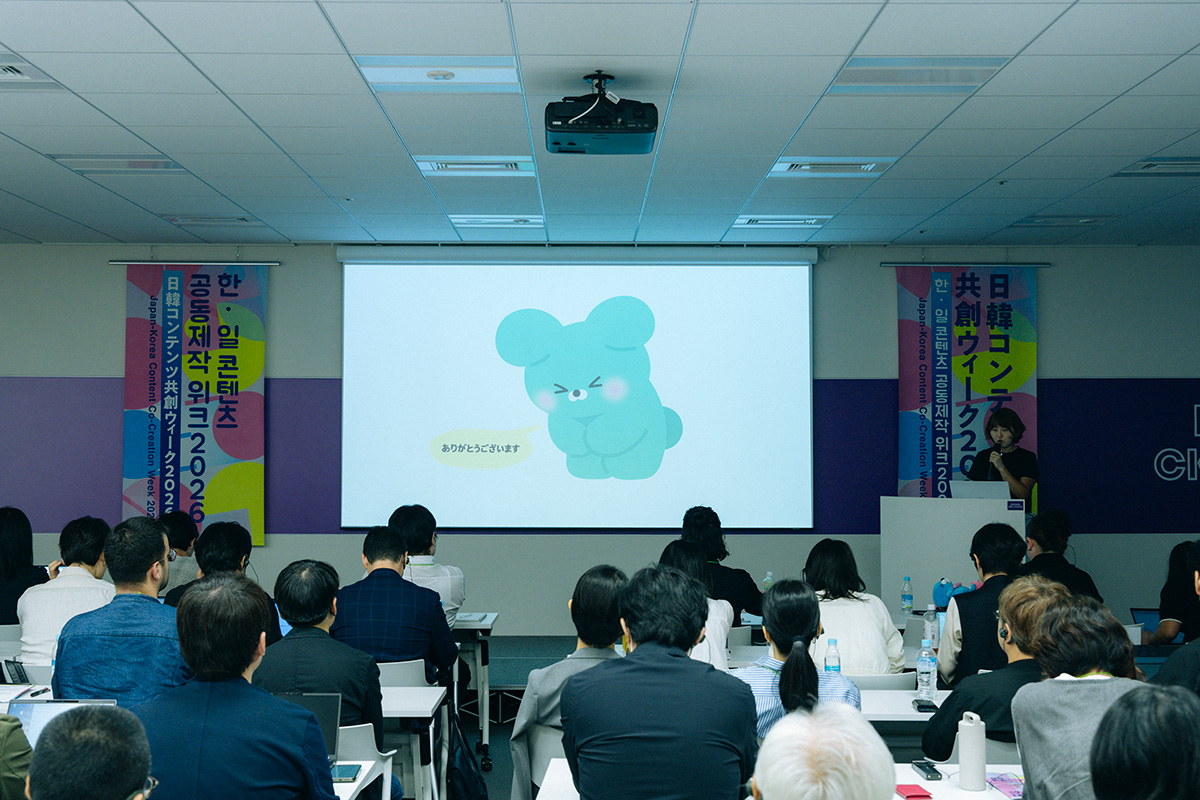
Nowhere is this evolution more pronounced than in Tokyo, Japan. Between September 29 and October 2, 2026, the Korea Creative Content Agency (KOCCA)—operating under the Ministry of Culture, Sports and Tourism of the Republic of Korea—hosted its flagship business-matching and networking event, "KOCCA CKL TOKYO 2026," at the state-of-the-art hub, KOCCA CKL TOKYO.
This multi-day summit convened elite executives, producers, streaming giants, and IP licensing stakeholders from both South Korea and Japan. The objective was clear: to move beyond transactional distribution agreements and forge permanent, high-value co-production ecosystems, structural IP protections, and localized joint ventures. By focusing on deep creative partnerships, KOCCA CKL TOKYO 2026 has established a definitive blueprint for how two culturally intertwined nations can collaborate in the modern entertainment economy.
Detailed Chronology: The Evolution of KOCCA CKL TOKYO
The Foundation and Strategic Mandate
Established in 2009 under South Korea’s national framework to cultivate creative content industries, KOCCA has historically served as the administrative and financial powerhouse behind Hallyu (the Korean Wave). From animation, broadcasting, and fashion to game development and music, KOCCA has steadily decentralized its approach, expanding its international footprint through specialized overseas business centers.
In November 2024, KOCCA inaugurated KOCCA CKL TOKYO in the heart of Tokyo. This strategic outpost was designed specifically to support Korean content creators and production houses aiming to break into the Japanese market. Recognizing that Japan represents both the most lucrative and culturally nuanced foreign market for Korean media, KOCCA built CKL TOKYO to function not merely as a regional office, but as an active incubation incubator, legal consultation clearinghouse, and high-level networking bridge.
Expanding Footprints: The 15-Company Cohort
The core of KOCCA CKL TOKYO’s operational framework centers on its resident incubation programs. Each year, a curated cohort of approximately 15 cutting-edge South Korean creative enterprises are selected to participate in a rigorous, multi-year residency and acceleration program. These companies range from boutique animation studios and digital webtoon producers to cutting-edge AI-driven immersive media platforms and virtual production specialists.
During their residency at CKL TOKYO, these companies receive localized mentorship, direct introductions to key Japanese broadcasting executives, legal frameworks for IP registration in foreign jurisdictions, and physical co-working infrastructure. The goal is to bridge the cultural and corporate divide between Korean agile creation models and Japan’s traditional, relationship-driven entertainment conglomerates.
Supporting Context & Metrics: The Shift from "Made in Korea" to "Made with Korea"
Quantitative Growth of the Korean Content Economy
To understand the gravity of the initiatives showcased at KOCCA CKL TOKYO 2026, one must examine the macroeconomic health of South Korea’s content exports. According to recent industry disclosures by KOCCA, South Korea’s content exports reached an unprecedented milestone of over $13.7 billion (USD), with total industry revenues surpassing $140 billion.
Despite global economic headwinds, the content sector has continually outperformed traditional manufacturing exports, driven largely by digital transformation, generative AI integration, and aggressive cross-border IP adaptations. Landmark global phenomena—such as ROSÉ & Bruno Mars’ global mega-hit "APT." distributed via Netflix, and the explosive global reach of webtoon-to-screen adaptations—have proven that Korean storytelling possesses universal emotional resonance.
The Shift from Exporting to Co-Creation
Historically, Korean content companies profited by selling finished masters or broadcasting rights to Japanese television networks and streaming platforms. However, as the Japanese market matured, industry leaders realized that long-term sustainability required moving up the value chain.
Selling a finished drama or a completed anime series yields immediate financial returns, but it leaves local IP value capture on the table. By pivoting toward "Made with Korea"—co-producing series, co-investing in character development, and utilizing localized voice acting and talent—Korean companies can secure long-term equity, mitigate cultural translation risks, and deepen consumer loyalty.
Official Statements: Industry Leaders on the Ground
Perspectives from South Korean and Japanese Executives
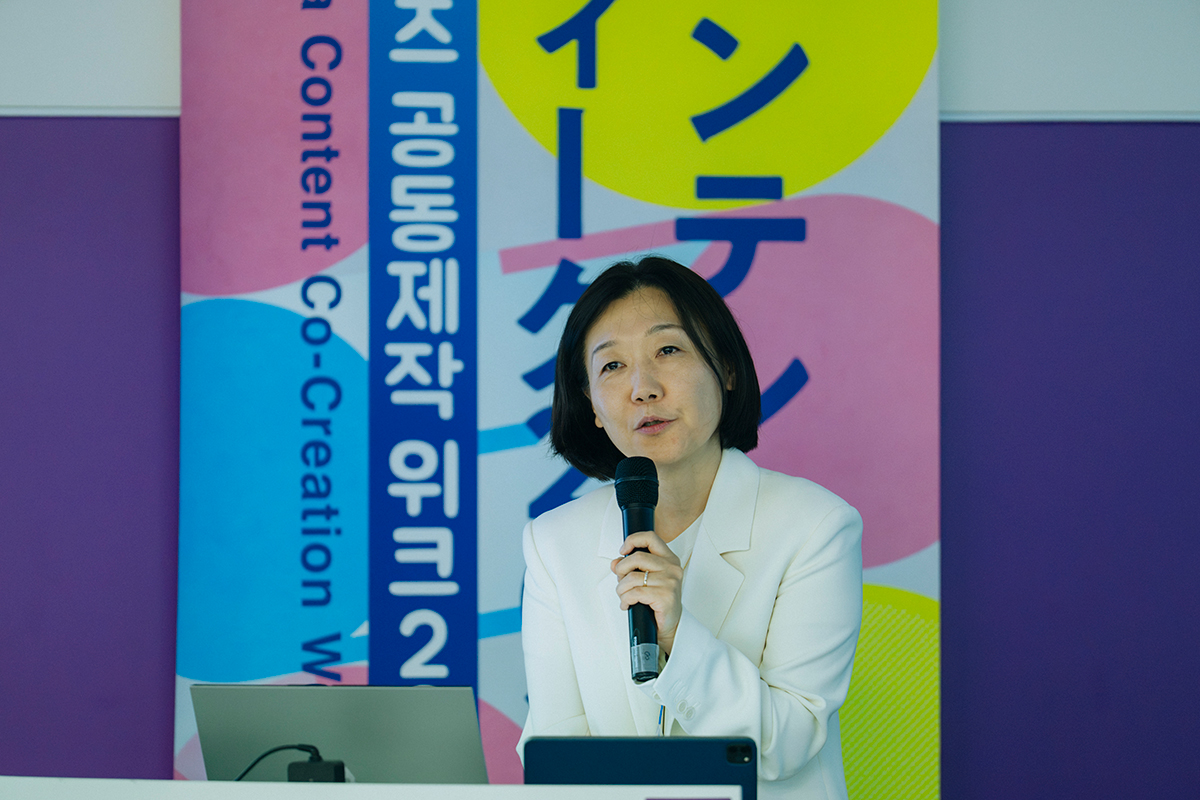
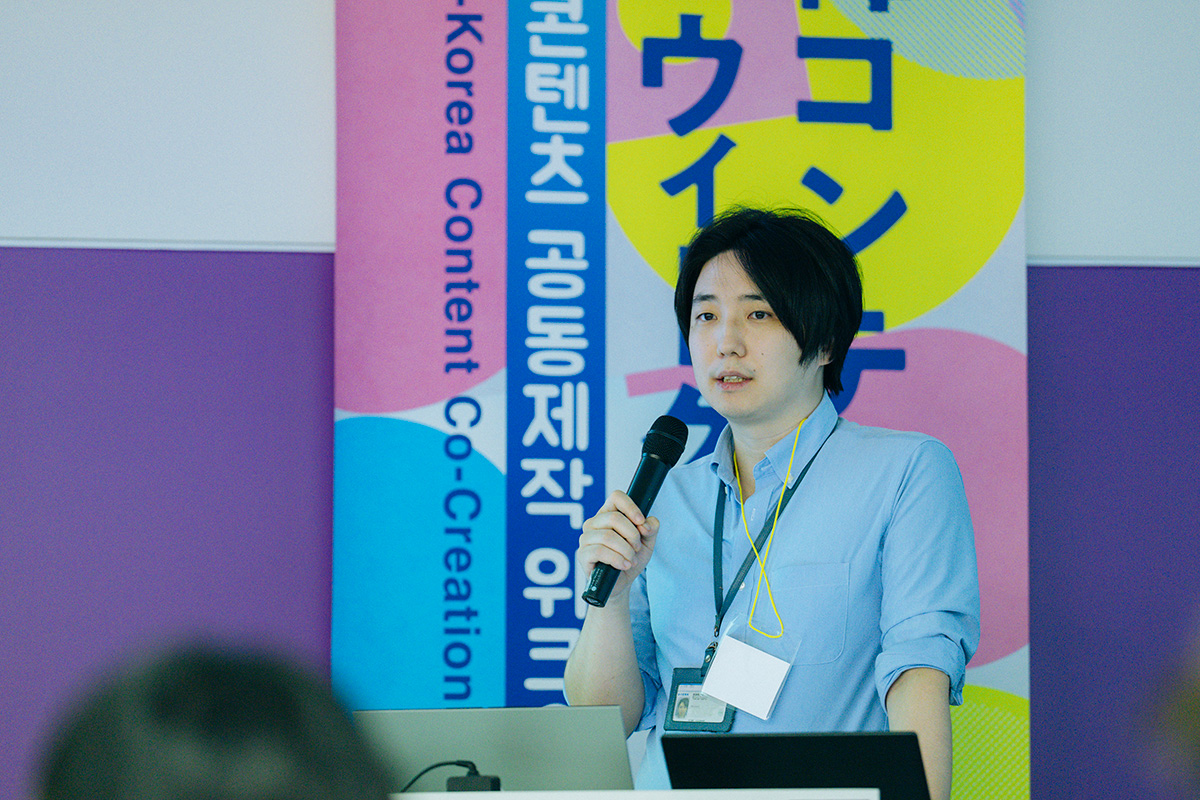
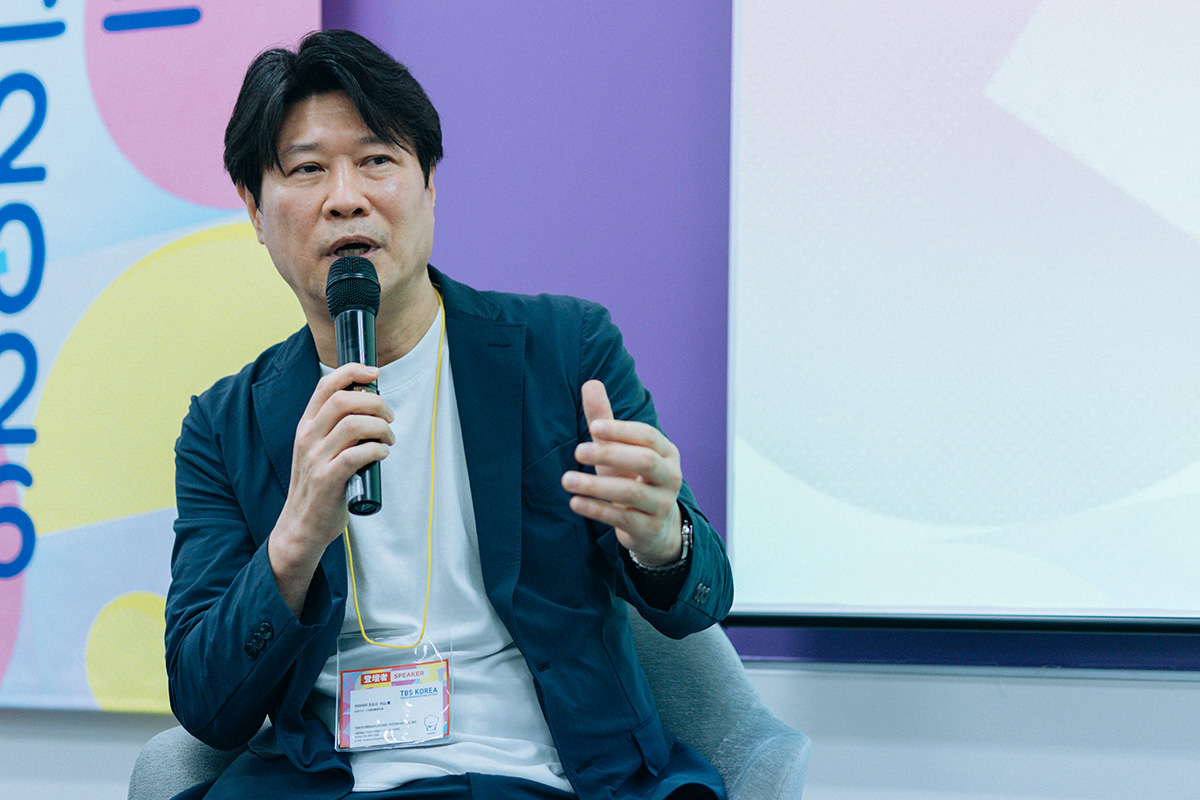
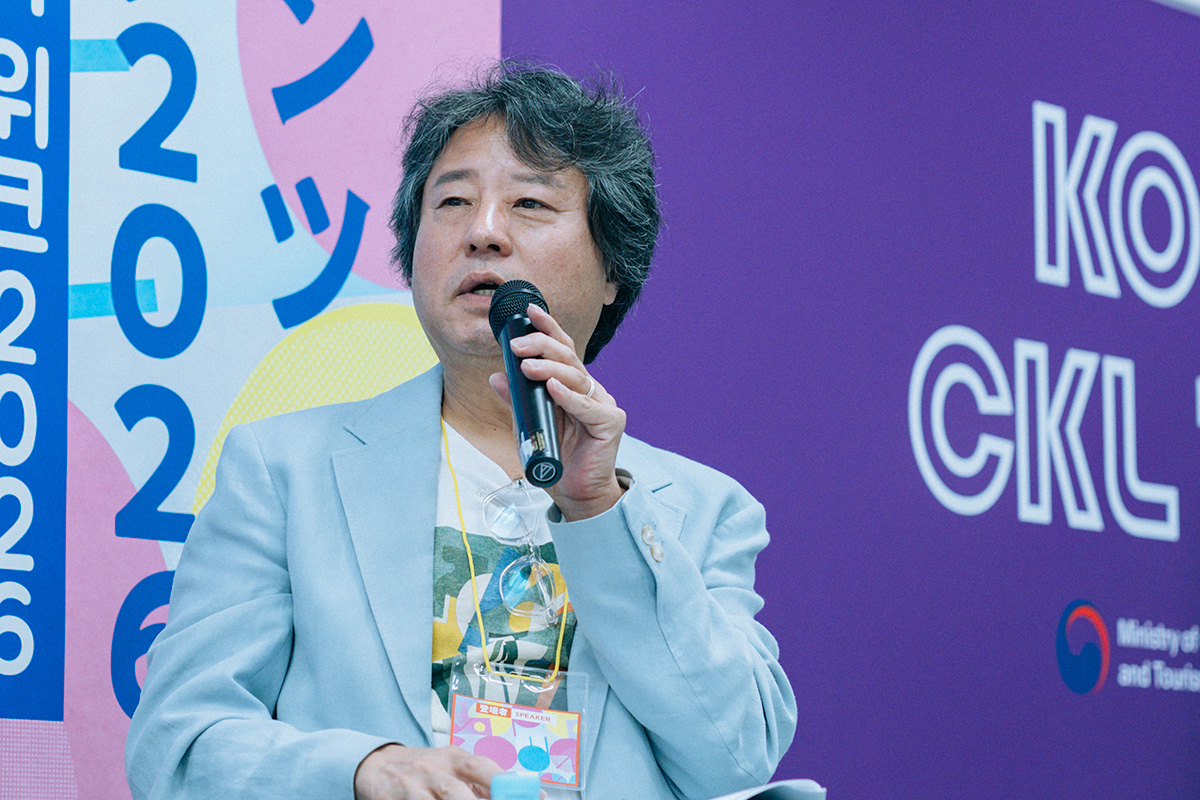
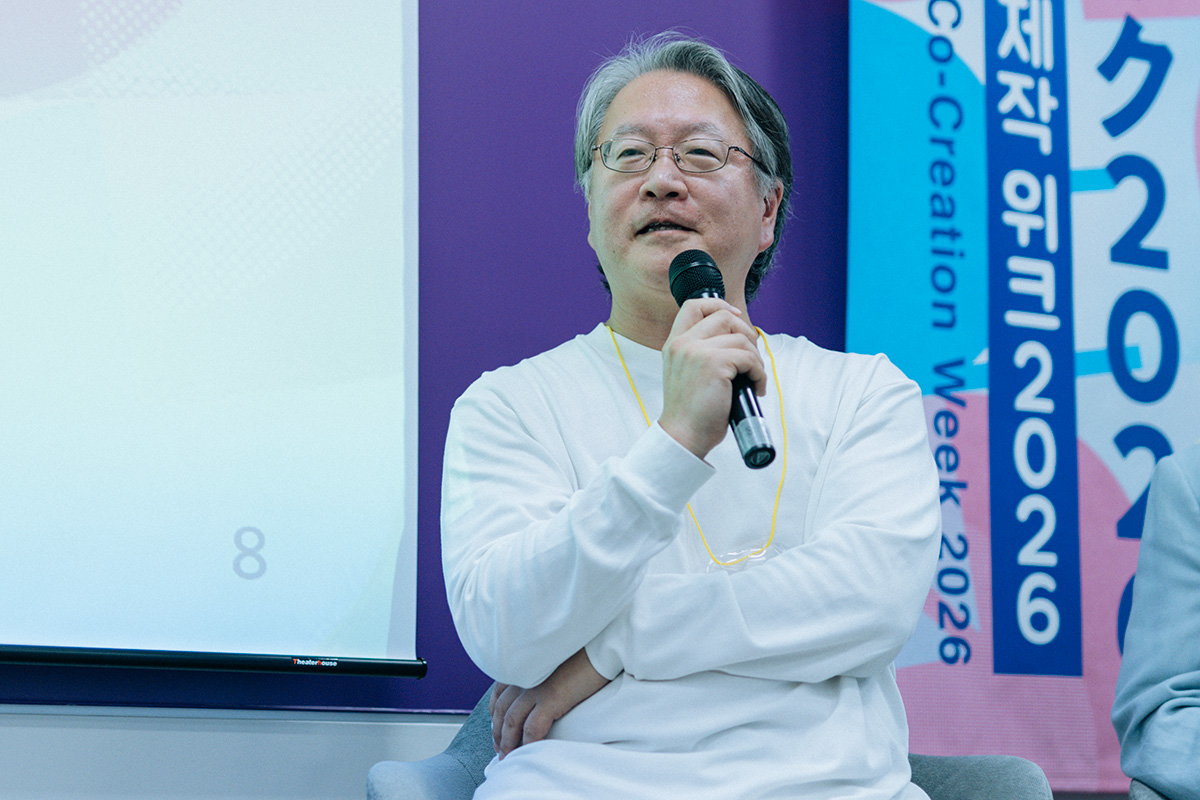
The discussions at KOCCA CKL TOKYO 2026 brought together prominent industry figures who shared their insights on the future of bilateral media collaboration.
Representatives from prominent Japanese broadcast and streaming entities emphasized that the modern Japanese consumer no longer views Korean content as a foreign novelty, but as an integral part of their daily media consumption.
"We are moving past the era where Korean content is simply imported and dubbed," noted a senior executive from a major Japanese media conglomerate during a panel discussion. "Today, Japanese production companies and Korean creators are sitting at the same table from day one of the conceptualization phase. We are co-designing characters that appeal simultaneously to Seoul and Tokyo, sharing financial risks, and splitting equity down the middle."
The Role of Independent Studios
Independent production houses have been particularly aggressive in adopting this new paradigm. Executives from leading Korean and Japanese production studios highlighted how modern technological advancements—such as real-time virtual production, cloud-based editing suites, and AI-assisted localization tools—have eliminated the logistical friction that once hindered international co-productions.
Furthermore, industry veterans pointed out that IP protection remains a cornerstone of successful collaboration. By aligning South Korean copyright frameworks with Japanese legal standards, both nations have built a secure environment where creators can share sensitive source materials without fear of unauthorized replication or infringement.
Future Outlook: The Next Decade of Bilateral Media Integration
Expanding into New Horizons
As KOCCA CKL TOKYO looks toward the remainder of the decade, its strategic roadmap includes several ambitious expansions. First, the agency plans to increase its direct support for small- and medium-sized enterprises (SMEs) specializing in cutting-edge technologies like spatial computing, augmented reality (AR) live performances, and generative AI storytelling.
Second, CKL TOKYO aims to institutionalize educational exchanges between Japanese and Korean film academies, fostering a new generation of producers who are natively bilingual and culturally fluent in both markets.
The Macroeconomic Implications
The implications of this closer integration extend far beyond the entertainment industry. As diplomatic and economic ties between Seoul and Tokyo continue to navigate complex geopolitical waters, cultural collaboration serves as a vital diplomatic shock absorber. By intertwining the creative economies of both nations, KOCCA CKL TOKYO is helping to foster mutual understanding, economic interdependence, and cultural appreciation at the grassroots level.
Conclusion
KOCCA CKL TOKYO 2026 was much more than a business exhibition; it was a watershed moment for the global entertainment industry. By proving that cross-border collaboration can transcend traditional distribution models, KOCCA has provided a masterclass in how nations can leverage shared cultural affinities to build resilient, future-proof creative economies.
As Korean IP continues to merge with Japanese production mastery, the boundary between "Korean content" and "Japanese content" will increasingly blur into a unified, synergistic superpower. For industry watchers, investors, and creators alike, the message from Tokyo is unmistakable: the future of entertainment is collaborative, borderless, and built together.














Belum ada komentar. Jadilah yang pertama berkomentar!