

Executive Overview
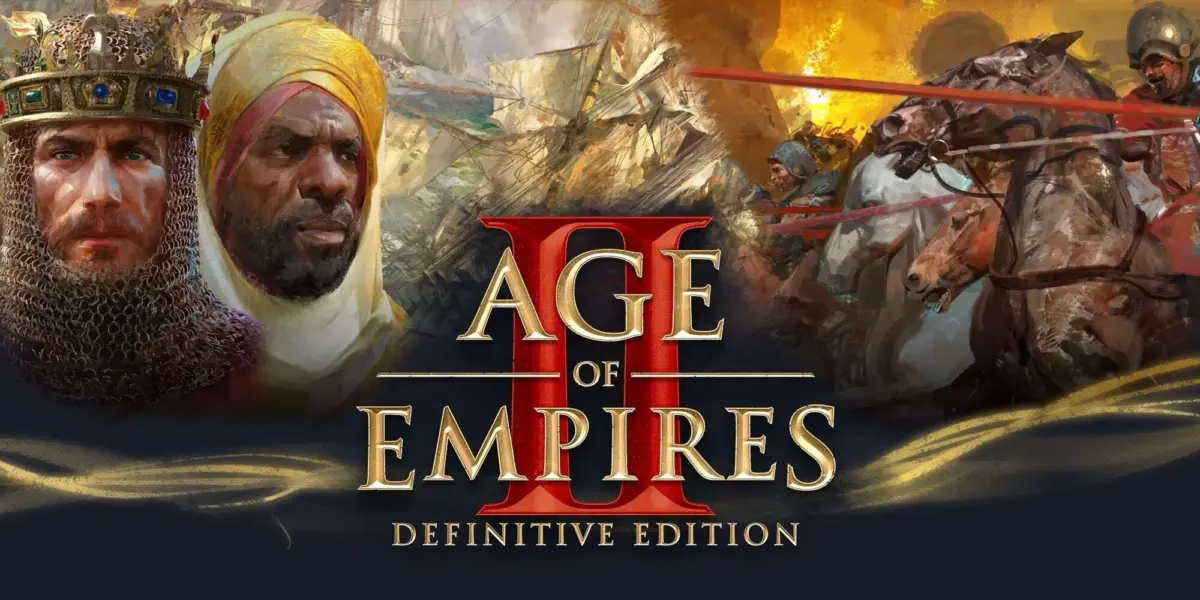
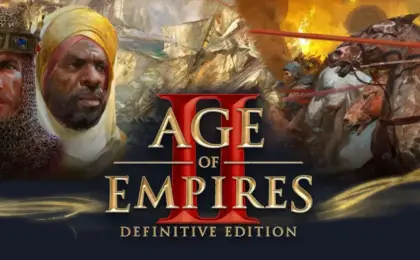
In a landmark development for the ongoing evolution of Apple Silicon and the company’s sustained push into high-performance desktop gaming, Xbox Game Studios and Forgotten Empires have officially announced that the legendary real-time strategy (RTS) title, Age of Empires II: Definitive Edition, is making its long-awaited debut on macOS. Scheduled for release on Thursday, May 28, this monumental launch marks a vital cultural and technical milestone for Mac users, bridging a decades-old divide between Apple’s hardware ecosystem and the personal computer strategy gaming market.
For years, the narrative surrounding Mac gaming has been characterized by a chicken-and-egg dilemma: developers frequently bypassed macOS due to a historically smaller installed base of dedicated gaming rigs, while consumers interested in heavy gaming often opted for Windows-based PCs. However, Apple’s concerted efforts over the past several years—anchored by the introduction of its high-efficiency M-series silicon, advanced developer tooling like the Game Porting Toolkit, and high-profile triple-A day-one releases—are systematically dismantling these historical barriers.
While Age of Empires II: Definitive Edition is arriving via a staggered release pattern rather than a simultaneous multi-platform day-one launch, its arrival underscores a broader, undeniable shift. macOS is no longer just an afterthought for developers; it is increasingly viewed as a viable, lucrative frontier for publishers looking to extract maximum lifecycle value from their intellectual properties.
This article provides an in-depth examination of the upcoming macOS release, the technical and content scope of the package, the broader trajectory of Mac gaming as exemplified by recent high-profile launches like Crimson Desert, and what this means for the future of strategy gaming on Apple hardware.
Detailed Chronology: From 1999 Classic to Modern macOS Masterpiece
To fully appreciate the significance of the upcoming macOS release, one must trace the remarkable trajectory of Age of Empires II. Originally developed by Ensemble Studios and published by Microsoft in 1999, the game was instantly heralded as a watershed moment for the RTS genre. It combined meticulous historical research, deep tactical gameplay, and accessible mechanics that captivated millions of players worldwide.
Over the subsequent two decades, the title received numerous expansions, community-driven mods, and high-definition remasters. However, the definitive transformation occurred in 2019 with the release of Age of Empires II: Definitive Edition. Built from the ground up to respect the legacy of the original while dragging it firmly into the modern era, the Definitive Edition delivered sweeping overhauls:
- Visual Revamp: Complete asset redrawing to support native 4K ultra-high-definition resolutions, coupled with refined animations and destructible environments.
- Audio Overhaul: A fully remastered, dynamic orchestral soundtrack alongside re-recorded sound effects that breathe new life into battlefield skirmishes.
- Quality of Life Enhancements: Modern matchmaking, integration with Xbox Live services on PC, automated queue management, and advanced pathfinding intelligence.
Despite these modernization efforts, Mac users were largely left out of the modern ecosystem unless they relied on resource-intensive virtualization software, compatibility layers like Wine, or Boot Camp on legacy Intel-based Macs. The announcement that a native, optimized version of the Definitive Edition is launching on macOS via Steam on May 28—with a subsequent launch on the Mac App Store later in the year—rectifies this historical omission.
The rollout strategy highlights a pragmatic approach by the publishers. By targeting Steam first, the developers tap directly into the most active, vocal core of PC and Mac strategy gamers who already utilize the platform for library management. The subsequent Mac App Store release later this year will further democratize access, putting the game directly in front of mainstream consumers browsing Apple’s native storefront.
Supporting Context & Metrics: The Expanding Scope of macOS Gaming
The arrival of Age of Empires II: Definitive Edition does not occur in a vacuum; it is part of a broader, accelerating trend within the Apple ecosystem. For decades, the primary bottleneck for Mac gaming was not necessarily raw hardware capability, but rather the translation layer between proprietary graphics APIs (such as Apple’s Metal) and standard industry standards like DirectX and Vulkan.
Apple’s introduction of the Game Porting Toolkit at WWDC signaled a radical shift in strategy. By providing developers with an emulation environment that allows them to quickly evaluate how Windows games run on Apple Silicon, Apple effectively lowered the barrier to entry for porting complex titles. Furthermore, the unified memory architecture found in M1, M2, M3, and M4 chips—ranging from base configurations to the staggering memory bandwidth of Max and Ultra variants—allows for exceptional data throughput, making them surprisingly capable gaming machines without requiring dedicated, power-hungry discrete desktop graphics cards.
This technological pivot has yielded tangible results in recent months. Most notably, the release of Crimson Desert on macOS on the exact same day as its multi-platform launch represented a paradigm shift. Historically, Mac gamers were accustomed to waiting months—or often years—for ports of major triple-A titles, frequently resulting in fragmented multiplayer communities and outdated versions. A day-one global launch demonstrates that top-tier developers are beginning to view Apple Silicon as a first-class citizen in their release calendars.
While Age of Empires II adheres to a more traditional legacy porting schedule—arriving years after its initial Windows and console iterations—its inclusion in the Mac library is arguably just as important. Real-time strategy games thrive on longevity, community engagement, and steady streams of downloadable content (DLC). By establishing a native beachhead for one of the most enduring strategy franchises in history, macOS solidifies its appeal for a demographic of gamers who prioritize cerebral, tactical gameplay over fast-paced first-person shooters.
Official Statements and Content Scope
According to the official press release from the development team, the macOS version of Age of Empires II: Definitive Edition will not be a stripped-down port. Instead, it will ship as a feature-complete, premium experience loaded with years of post-launch content.
The base package launching on May 28 includes:

- Razor-sharp 4K Visuals: Fully optimized for Apple’s high-resolution Retina and external displays, leveraging the robust graphics pipeline of Metal.
- Remastered Audio: The complete symphonic soundtrack and modernized sound design.
- Core Expansions: Three major historical expansions bundled directly into the base game:
- Lords of the West (featuring Western European civilizations and fully voiced campaigns)
- Dynasties of India (introducing distinct South Asian factions and architectural styles)
- Dawn of the Dukes (focusing on Central and Eastern European power struggles)
Crucially, empire builders looking for immediate depth will also have day-one access to the game’s vast, continually expanding stable of DLC. This includes the nostalgic Return of Rome expansion—which ingeniously reconstructs the original 1999 Age of Empires mechanics and civilizations within the modern engine of the Definitive Edition—as well as the newly released The Last Chieftains expansion, which delves into the intricate, multifaceted medieval societies of South America.
This expansive content offering ensures that Mac players will step into a mature, deeply competitive, and content-rich ecosystem from day one, avoiding the "empty server" syndrome that has historically plagued online multiplayer games launching on alternative platforms.
Future Outlook: What This Means for Mac Gaming
As we look toward the remainder of the decade, the landscape of Mac gaming is undeniably transforming. The integration of gaming powerhouses like Age of Empires II: Definitive Edition into the macOS ecosystem serves as a litmus test for the platform’s commercial viability.
Strategy games, simulation titles, and management sims are uniquely well-suited for the Mac demographic. Historically, creative professionals, writers, and knowledge workers—who frequently lean toward macOS for its productivity workflows, typography rendering, and Unix-based stability—have also formed the core demographic for deep, time-intensive strategy games like Civilization, Total War, and Age of Empires. By capturing this audience natively, Microsoft and Apple are tapping into an existing, highly engaged user base that prefers to keep their workflows and leisure activities within a single, unified operating system.
Looking forward, several key factors will dictate the continued momentum of macOS gaming:
- Developer Adoption of Metal 4 / Future APIs: As Apple continues to refine its proprietary graphics APIs, maintaining low-overhead translation layers and robust developer support will be crucial for securing future day-one ports.
- Mac App Store vs. Steam Parity: While Steam remains the undisputed heavyweight for PC and Mac digital distribution, streamlining the Mac App Store experience will be vital for capturing casual and mainstream consumers who prefer Apple’s curated ecosystem.
- Hardware Penetration: As Apple Silicon continues to replace legacy Intel hardware across enterprise and consumer markets, the baseline graphical and computational capabilities of the average active Mac will rise, making optimization simpler and more uniform for development studios.
The arrival of Age of Empires II: Definitive Edition on macOS this May 28 is more than just a nostalgic port for strategy fans; it is a declaration of intent. It proves that the Mac is increasingly recognized as a legitimate, profitable destination for world-class gaming intellectual property. As the library expands to include everything from day-one triple-A releases like Crimson Desert to timeless strategy masterpieces, the historical stigma surrounding Mac gaming is finally being consigned to the history books.
Do you game on your Mac? Are you planning to build your empire on macOS this coming May 28, or do you prefer traditional Windows rigs for your RTS fix? Share your thoughts and join the discussion in the comments below.





Belum ada komentar. Jadilah yang pertama berkomentar!