

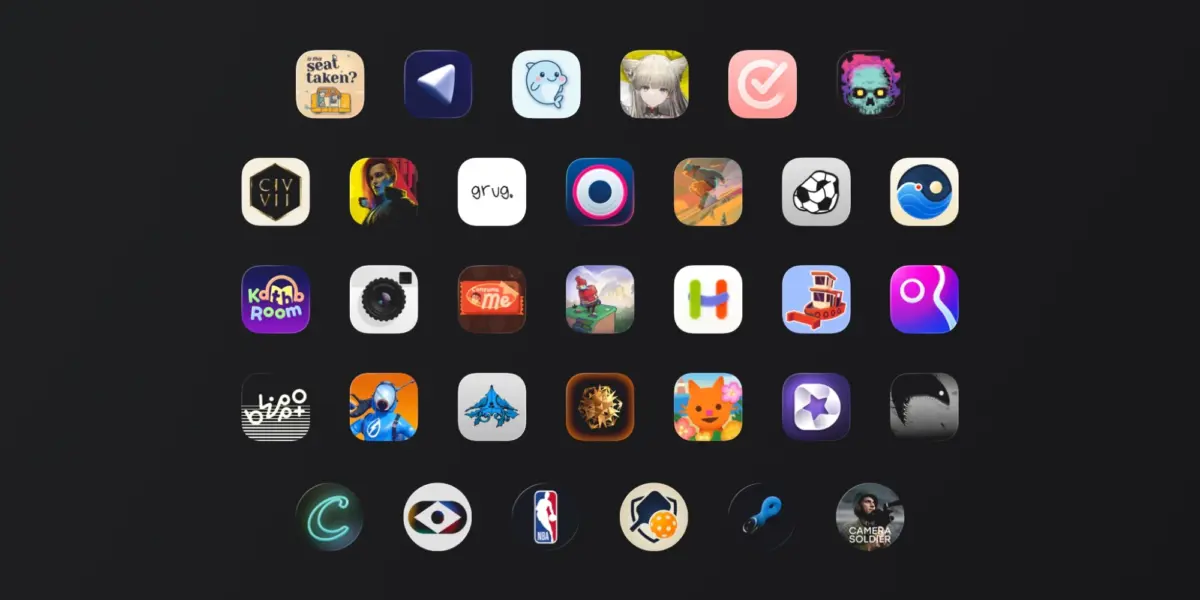
As the technology world sets its sights on Apple’s upcoming Worldwide Developers Conference (WWDC 2026), anticipation has reached a fever pitch following the dispatch of official media invites for the keynote address. Amidst the flurry of speculation regarding operating system overhauls, artificial intelligence advancements, and hardware previews, Apple has turned the spotlight squarely onto the creative lifeblood of its ecosystem: the developers.
In a much-anticipated annual tradition, Apple has officially unveiled the finalists for the Apple Design Awards (ADA) 2026. Highlighting the pinnacle of ingenuity, technical prowess, and artistic vision across the App Store, this year’s cohort features 36 standout applications and games vying for top honors across six distinct categories.
Executive Overview: Celebrating the Apex of App Store Craftsmanship
The Apple Design Awards are more than mere trophies; they represent the gold standard of digital craftsmanship within the iOS, iPadOS, macOS, watchOS, and visionOS ecosystems. Each year, Apple’s design evaluation teams scour the App Store to identify applications that transcend ordinary software development—those that push the boundaries of hardware performance, challenge conventional interface paradigms, and profoundly enrich the lives of users worldwide.
For WWDC 2026, the competition is fiercer than ever. The 36 finalists represent a diverse cross-section of the global developer community, ranging from solo bedroom programmers to massive, multidisciplinary game studios. While the exact total spans slightly fewer than 36 unique titles due to several applications earning multiple nominations across different pillars, the collective roster showcases an impressive mastery of Apple’s latest software development kits (SDKs), frameworks, and device architectures.
Winners will be officially crowned in the coming weeks leading up to the main WWDC 2026 keynote, joining an elite lineage of software legends that have defined mobile and desktop computing over the past two decades.
Detailed Chronology: The Roadmap to the 2026 Apple Design Awards
The rollout of the Apple Design Awards is a meticulously orchestrated event that mirrors the broader lifecycle of WWDC preparation. Understanding the timeline provides essential context for the gravity of these nominations:
- Early Spring (March – April): Apple’s internal design evaluation committees finalize their monitoring of App Store releases, compiling a longlist of titles that demonstrate exceptional integration of platform-specific features, accessibility standards, and visual storytelling.
- Late May: Apple officially dispatches press and developer invitations for the WWDC keynote, signaling the formal countdown to the conference. Concurrently, the embargo lifts on the announcement of the Apple Design Award finalists.
- The Interim Weeks (Late May – Early June): Developers, media outlets, and tech enthusiasts analyze the finalist roster, speculating on frontrunners and testing the nominated applications across various Apple devices.
- WWDC Week (June): Apple announces the category winners during a dedicated celebration, handing out the coveted physical aluminum ADA trophies—crafted from 100% recycled aluminum and bearing the iconic Apple logo.
This structured progression ensures that the finalists enjoy a tremendous surge in visibility, driving downloads and validating months—or years—of painstaking development work.

Supporting Context & Metrics: Breaking Down the Six ADA Categories
To truly appreciate the breadth of the 2026 Apple Design Awards, one must examine the rigorous criteria established for each of the six competing categories. Each division is designed to evaluate a specific dimension of software excellence, balancing technical execution with human-centric design.
1. Delight and Fun
“Finalists in this category provide memorable, engaging, and satisfying experiences enhanced by Apple technologies.”
The Delight and Fun category celebrates applications and games that evoke genuine joy. These titles leverage Apple’s advanced hardware capabilities—such as high-refresh-rate ProMotion displays, immersive spatial audio, and precise haptic feedback—to transform standard digital interactions into captivating, delightful experiences.
2. Inclusivity
“Finalists in this category provide a great experience for all by reflecting a variety of backgrounds, abilities, and languages.”
Inclusivity remains a foundational pillar of Apple’s design philosophy. Finalists in this sector demonstrate exceptional implementation of accessibility features like VoiceOver, Switch Control, dynamic text scaling, and localized adaptations, ensuring that users of all abilities and walks of life can engage seamlessly with the software.
3. Innovation
“Finalists in this category provide a state-of-the-art experience through a novel use of Apple technologies that sets them apart in their genre.”
Innovation rewards trailblazers. These are applications that take nascent or complex technologies—such as machine learning models, Metal 3 graphics APIs, SharePlay, or spatial computing frameworks—and utilize them in ways developers hadn’t previously imagined, effectively charting new courses for their respective genres.
4. Interaction
“Finalists in this category deliver intuitive interfaces and effortless controls that are perfectly tailored to their platform.”
Good design is invisible. The Interaction finalists are lauded for user interfaces that feel entirely natural, whether navigated via multi-touch gestures on an iPhone, trackpad gestures on a Mac, the Digital Crown on an Apple Watch, or eye-and-hand tracking on Apple Vision Pro. The controls are precise, responsive, and deeply intuitive.
5. Social Impact
“Finalists in this category improve lives in a meaningful way and shine a light on crucial issues.”
Technology at its best is a force for good. The Social Impact finalists tackle pressing global challenges—ranging from environmental sustainability and mental health awareness to educational equity and community organizing. These apps prove that code can be a powerful instrument for social change.
6. Visuals and Graphics
“Finalists in this category feature stunning imagery, skillfully drawn interfaces, and high-quality animations with a distinctive and cohesive theme.”
Aesthetics matter deeply in the Apple ecosystem. This category honors apps and games that boast breathtaking visual fidelity, meticulous typography, gorgeous color palettes, and fluid, purposeful animations that create a cohesive and spellbinding aesthetic identity.

Official Perspectives: The Evolution of App Store Excellence
While Apple maintains strict confidentiality regarding the internal deliberations of its design juries, statements accompanying historical and current ADA reveals underscore the company’s evolving expectations for software creators.
In recent years, Apple’s leadership has placed an increasingly heavy emphasis on how well applications adapt to multi-device workflows and spatial environments. With the maturation of Apple Silicon across the Mac lineup, the integration of advanced neural engines, and the establishment of visionOS, developers are no longer building for isolated screens; they are architecting experiences that span across wrists, pockets, desks, and immersive virtual rooms.
Industry analysts note that securing an ADA nomination has become a vital validator for indie developers looking to secure venture funding, catch the eye of enterprise partners, or simply establish a lasting brand identity in an App Store populated by millions of competing titles. For established studios, an ADA win serves as a prestigious badge of honor that cements their reputation for uncompromising quality.
Future Outlook: What the 2026 Finalists Signal for the Road Ahead
The roster of finalists for the Apple Design Awards 2026 offers a fascinating crystal ball into the immediate future of software development. Several macro-trends emerge from this year’s selection:
- The Mainstreaming of Spatial Computing: Following the rapid iteration of visionOS hardware and software, spatial design principles are no longer experimental. Several finalists demonstrate how 3D interfaces and mixed-reality interactions can be smoothly integrated into productivity and entertainment apps.
- Context-Aware Intelligence: Developers are increasingly moving beyond static user inputs, utilizing on-device intelligence frameworks to anticipate user needs, automate tedious workflows, and personalize interfaces in real-time.
- Cross-Platform Harmony: The best apps of 2026 refuse to treat secondary platforms as afterthoughts. Finalists exhibit a remarkable fluidity, offering identical levels of polish whether the user is interacting on an iPhone, an iPad, a Mac, or an Apple Watch.
As the tech community counts down the days to the WWDC 2026 keynote, all eyes will be on these 36 remarkable finalists. They represent not only the current ceiling of what is possible on Apple hardware, but also the blueprint for the next generation of digital experiences.
Which applications and games from this year’s finalist lineup have caught your attention? Are there any glaring omissions in the 2026 categories? Join the conversation and let us know your thoughts in the comments below.





Belum ada komentar. Jadilah yang pertama berkomentar!