The video game industry, a multi-billion-dollar global juggernaut, has long operated under an aura of creative mystique, artistic freedom, and high-stakes corporate ambition. Yet, beneath the veneer of blockbuster releases and critical acclaim, structural issues regarding labor rights, job security, and corporate governance have steadily simmered.
Now, that pressure cooker has reached a boiling point in Glasgow, Scotland.
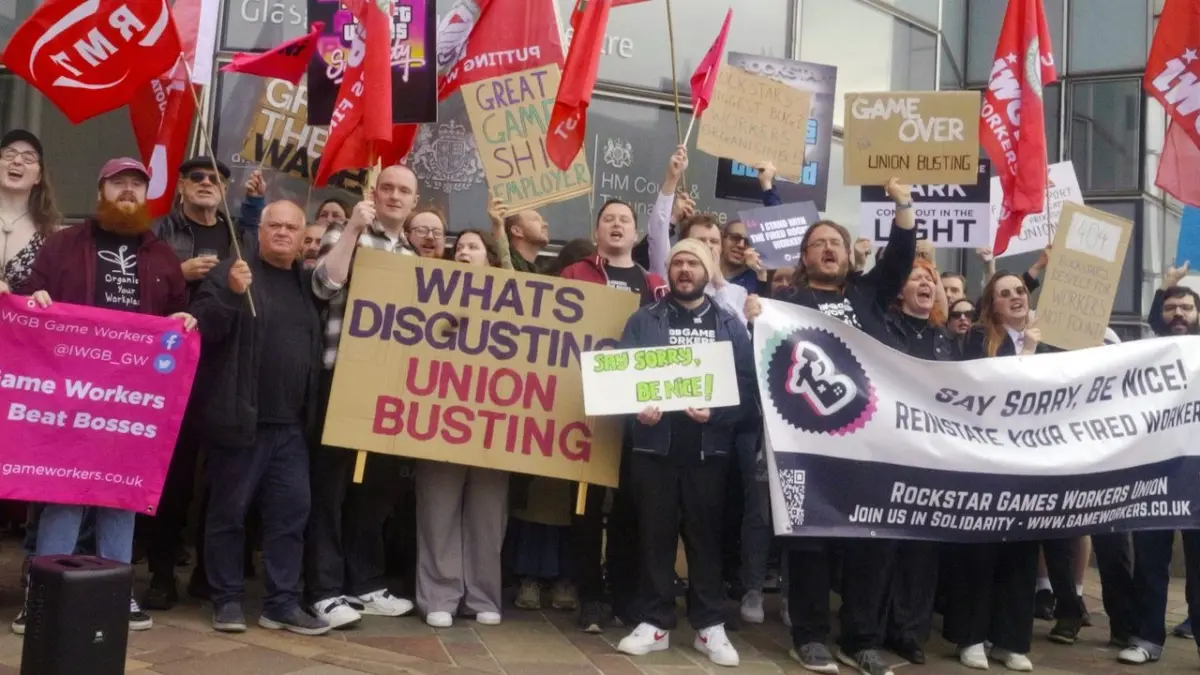
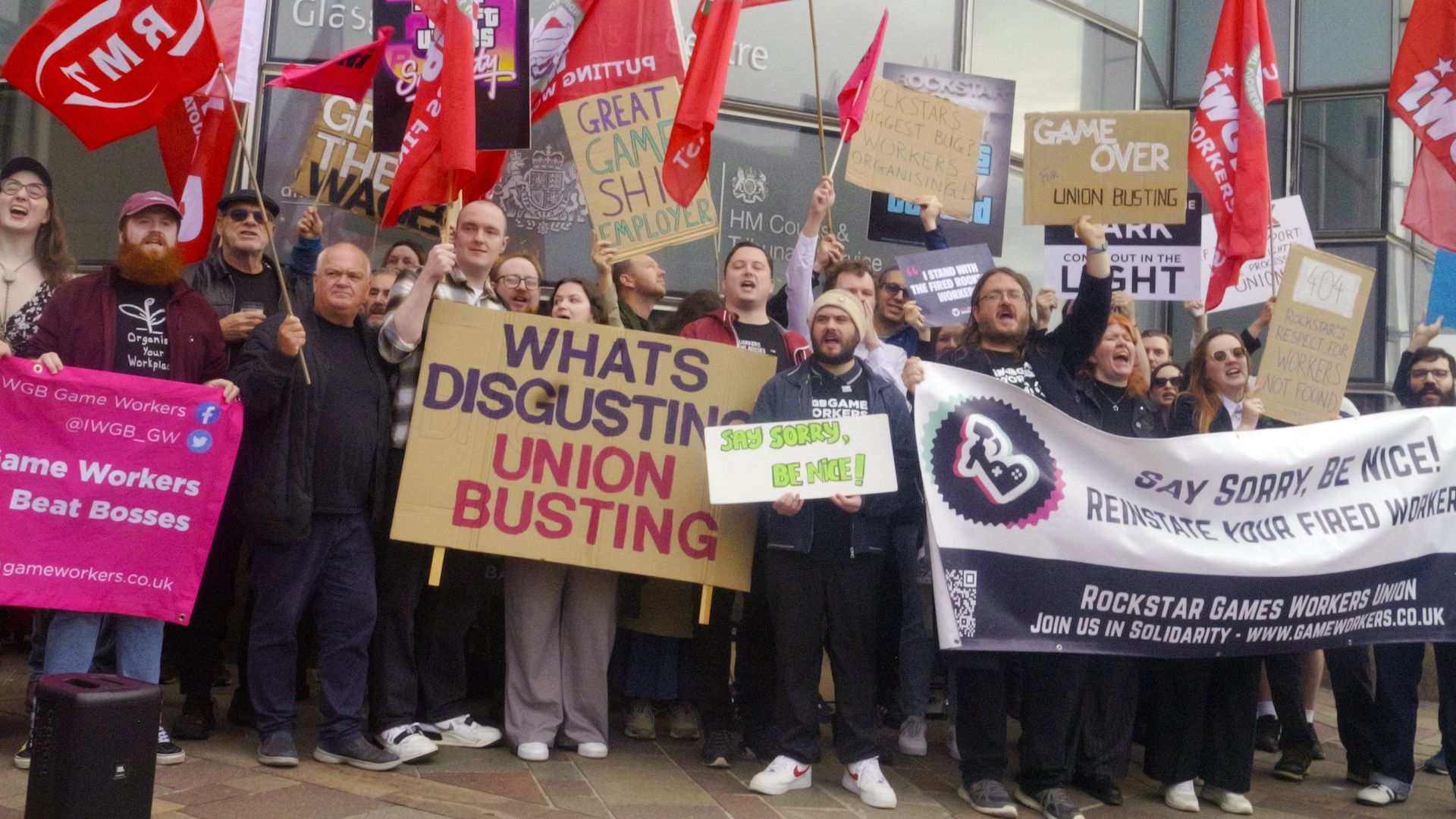
The Independent Workers of Great Britain (IWGB) union has rallied outside a high-stakes workplace tribunal, marking the commencement of the final legal showdown between thirty-one former employees and Rockstar Games—one of the most profitable and influential entities in interactive entertainment.
Dubbed the "Rockstar 31" case, this tribunal represents far more than a standard employment dispute. It is widely regarded as a watershed moment for the UK tech and gaming sectors. At its core, the case centers on allegations of aggressive, calculated union-busting following the sudden termination of dozens of developers in October 2025.
Rockstar Games maintains that the employees were lawfully dismissed for allegedly leaking sensitive details regarding unannounced titles in public forums. Conversely, the IWGB union, alongside the affected workers, contends that the firings were a retaliatory strike designed to crush nascent organizing efforts within the studio.
With the tribunal proceedings slated to run through mid-October—coincidentally just weeks before the highly anticipated console launch of Grand Theft Auto 6—the outcome of this legal battle could fundamentally reshape how game developers unionize, advocate for themselves, and hold major corporate publishers accountable.
Detailed Chronology: From Workplace Organizing to the Glasgow Tribunal
To fully understand the weight of the current tribunal, it is essential to trace the timeline of events that transformed a quiet internal grievance into a headline-making international labor dispute.
The Spark: Organizing Amid Blockbuster Pressures
For years, major development studios like Rockstar North have relied on massive, multi-year development cycles to produce generational masterpieces such as Grand Theft Auto V and Red Dead Redemption 2. Behind these titles are thousands of programmers, artists, QA testers, and writers working under immense pressure.
In late 2024 and mid-2025, amidst the final, grueling stretches of Grand Theft Auto 6’s development, rumblings of collective organization began to circulate among staff in the UK. Seeking better protection against chronic crunch, unpredictable management practices, and wage stagnation, a cohort of employees initiated discussions with the IWGB union to explore establishing formal workplace representation.
October 30, 2025: The Sudden Purge
The organizing effort, however, was cut abruptly short. On October 30, 2025, thirty-one employees across various departments at Rockstar were abruptly summoned, notified of their immediate termination, and escorted from the premises.
According to the affected workers, the process was lightning-fast and devoid of standard corporate protocols. There were no formal warnings, no structured disciplinary hearings, and no avenues for internal appeal. Staff members described an environment of immediate shock and confusion, with remaining employees paralyzed by fear and unwilling—or too intimidated—to speak with their departing colleagues.
Shifting Explanations and Legal Escalation
In the wake of the firings, Rockstar initially remained tight-lipped, but as public pressure mounted, the company adjusted its narrative. Rockstar executives stated that the workers were let go not for union activities, but for a severe breach of confidentiality: specifically, revealing specific game features from upcoming, unannounced titles within a public forum.
The IWGB fiercely rejected this justification, labeling it a smokescreen for blatant union-busting. The union immediately backed the terminated workers in launching legal proceedings through the UK employment tribunal system.
Despite legal roadblocks and aggressive pushback from corporate defense counsel, the tribunal delivered a significant victory to the workers earlier in the year, ruling that every single one of their union-busting and unfair dismissal allegations could proceed to a full trial.
Today, that trial has officially begun in Glasgow, bringing months of deposition, discovery, and public campaigning into a courtroom that will ultimately determine the truth behind the "Rockstar 31."
Supporting Context & Metrics: The Human and Industrial Cost
The conflict at Rockstar North does not occur in a vacuum. It highlights broader, systemic vulnerabilities within the contemporary video game development ecosystem.
The Culture of Fear in Modern Tech
During the Glasgow rally, former Rockstar programmer Rachel Crawford—whose industry credits include vital engineering work on both Grand Theft Auto V and Red Dead Redemption 2—delivered a searing indictment of corporate culture. Crawford articulated a sentiment shared by many creative professionals trapped in the corporate gears of major publishers:
"The modern workplace runs on fear. Fear of speaking out. Fear of being punished. Fear of being fired, losing your livelihood and even your home… On that day [October 30, 2025], fear asserted its dominance. I felt its claws deep in my heart, urging me to run with my tail between my legs and never to look back."
Crawford’s testimony illuminates the psychological toll exacted by major game studios. Developers are frequently asked to pour years of their lives, creative energy, and technical brilliance into products that generate billions of dollars, often while operating under precarious employment conditions. When those same workers attempt to secure basic labor rights, they risk instantaneous professional excommunication.
The Stakes for the UK Games Industry
The UK is home to one of the most vibrant game development ecosystems in the world, anchored by historic hubs in cities like Glasgow, Dundee, Leamington Spa, and London. However, the industry has historically suffered from low union density.
If the IWGB and the "Rockstar 31" succeed in proving that a major publisher unlawfully targeted organizers under the guise of an NDA breach, it will establish a powerful legal precedent. Conversely, if Rockstar’s defense holds, it could grant corporations a convenient loophole—using broad, unverifiable allegations of leaks to purge labor organizers without triggering wrongful termination penalties.
Official Statements and Perspectives
The opposing sides of the Glasgow tribunal present starkly different interpretations of the facts, reflecting a widening ideological chasm between corporate ownership and creative labor.
The Union Perspective: "Grand Theft Employment Rights"
IWGB President Alex Marshall pulled no punches during his address outside the Glasgow tribunal venue. Criticizing the publisher’s corporate maneuvering, Marshall remarked:
"We believe Rockstar has tried to get away with Grand Theft Employment Rights. After a year of fighting to get answers, we hope this tribunal will finally back them into a corner and bring the truth to light. As the world gets its first proper look at GTA 6, this hearing will give people a chance to look behind the scenes at what happened to the workers who helped make it."
The union’s stance is straightforward: the timing of the mass firings—occurring precisely when union organizing efforts were gaining momentum—is far too convenient to be coincidental. The IWGB is pressing the tribunal for a formal declaration of unfair dismissal, alongside appropriate financial compensation and, where feasible, reinstatement for the affected workers.
The Corporate Stance: Protecting Intellectual Property
Rockstar Games and its parent company, Take-Two Interactive, have historically maintained an intensely protective stance regarding their proprietary assets and development pipelines. In an industry where a single leaked screenshot or trailer can disrupt multi-million-dollar marketing campaigns and send stock prices fluctuating, the protection of trade secrets is treated as an existential priority.
Rockstar’s legal representatives argue that the company acted well within its legal rights to protect its intellectual property. They maintain that the terminated individuals violated binding non-disclosure agreements by sharing granular details of unreleased projects online, making their continued employment untenable.
Future Outlook: The Road Ahead and the Shadow of GTA 6
As the tribunal proceedings settle into what is expected to be a grueling five-week schedule running until October 16, 2026, all eyes in the gaming world are fixed on Glasgow.
The Conundrum of the Consumer Boycott
With the tribunal concluding just over a month before the scheduled November 19 console release of Grand Theft Auto 6, questions of consumer activism have naturally arisen. Gamers worldwide are faced with a moral dilemma: how to support the creators while holding the corporate publisher accountable.
Interestingly, the fired workers and the IWGB have actively discouraged a consumer boycott of GTA 6. In statements released earlier in the campaign, the workers emphasized:
"We spent years pouring our hard work, skill, and creativity into making GTA, and we want people to experience the universe that we helped build."
Instead of withholding their purchases, supporters of labor rights are being directed toward a crowdfunded legal defense campaign established by the IWGB. This fund directly supports the legal expenses incurred by the "Rockstar 31" as they take on one of the wealthiest legal teams in entertainment.
A Turning Point for Video Game Labor
Regardless of the final verdict delivered in October, the "Rockstar 31" tribunal has already fundamentally altered the conversation surrounding game industry labor. It has dragged the realities of crunch, corporate retaliation, and union-busting out of anonymous internet forums and developer breakrooms into the formal light of a court of law.
For the thirty-one developers who lost their jobs on an autumn morning in 2025, the battle is about much more than back pay or a line item on a resume. As Rachel Crawford powerfully reminded the crowd in Glasgow:
"Today, we are fighting fear. This long-awaited hearing is an opportunity to put fear in its place below us… Union makes us strong."
As the tribunal moves forward, the global gaming community watches and waits, knowing that the outcome in Glasgow will echo across development studios worldwide for years to come.







Belum ada komentar. Jadilah yang pertama berkomentar!