

Executive Overview
In contemporary media, the line between transgressive artistic expression and systemic exploitation is frequently blurred. For decades, the myth of the "eccentric genius" has served as a shield, granting creators a social exemption from the ethical standards imposed on the public. However, a profound cultural reckoning is underway.
Following her commercial success with the acclaimed 1122: For a Happy Marriage—which has surpassed two million copies in sales—manga artist Peko Watanabe has launched a direct narrative assault on these structural double standards. Her latest serialization in the online manga magazine Morning Two, titled That’s Not Love (Aisuru Nante Dekinai), directly confronts the intersection of creative expression, grooming, and the weaponization of romantic narratives.
+-----------------------------------------------------------------------+
|                         "THAT'S NOT LOVE"                             |
|  A sociological examination of trauma, memory, and artistic complicity |
+-----------------------------------------------------------------------+
|                                                                       |
|  [ Past: Age 14 ]                                                     |
|  Yukari (Victim) <====== Grooming / Exploitation ======> Mr. Imai     |
|  Akane (Bystander/Guilt)                                (Teacher)     |
|                                                                       |
|  [ 26 Years of Silence & Societal Complicity ]                        |
|                                                                       |
|  [ Present: Age 40 ]                                                  |
|  Akane (Housewife) <--- Reconnection / Solidarity ---> Yukari         |
|                                                         /            |
|          --> Confronting the Sculptor's Legacy <-------/             |
|               (Mr. Imai's "Masterpiece" of a Minor)                   |
+-----------------------------------------------------------------------+
Watanabe’s work functions as both a psychological drama and a sociological critique. It dissects how institutions, audiences, and perpetrators construct a self-serving mythology of "consent" and "artistic license" to mask predation. Through the lens of two middle-aged women confronting a shared past, the series dismantles the romanticized tropes of teacher-student relationships, exposing them as exercises in asymmetric power.
This investigative analysis explores the real-world inspirations, narrative mechanisms, and cultural implications of Watanabe’s groundbreaking work.
Detailed Chronology: The Genesis of a Cultural Reckoning
The development of That’s Not Love is shaped by both fictional timelines and a real-world chronology of global and domestic accountability movements.
REAL-WORLD CHRONOLOGY & INSPIRATIONAL TIMELINE

  2017: Global #MeToo Movement
  ▲     The downfall of Hollywood figures like Harvey Weinstein highlights
  │     how creative industries shelter serial abusers.
  │
  2018: KaoRi's Public Confession
  ▲     Model KaoRi exposes her exploitation by photographer Nobuyoshi Araki,
  │     shattering the "artistic muse" defense in Japan's art scene.
  │
  Late 2010s: Personal Reckoning
  ▲     Peko Watanabe learns a male actor in a documentary she championed
  │     was coerced, sparking deep personal regret and creative introspection.
  │
  Early 2020s: Conceptual Synthesis
  ▲     Watanabe combines her study of systemic abuse with a desire to write
  │     realistic, non-idealized sisterhood featuring middle-aged women.
  │
  Present: Serialization of "That's Not Love"
  │     Launched on "Morning Two", challenging lookism, parental neglect,
  ▼     and the romanticization of predatory relationships.
The Fictional Timeline: Unearthing 26 Years of Silence
The narrative architecture of That’s Not Love operates across a dual timeline, illustrating how unresolved trauma persists across decades:
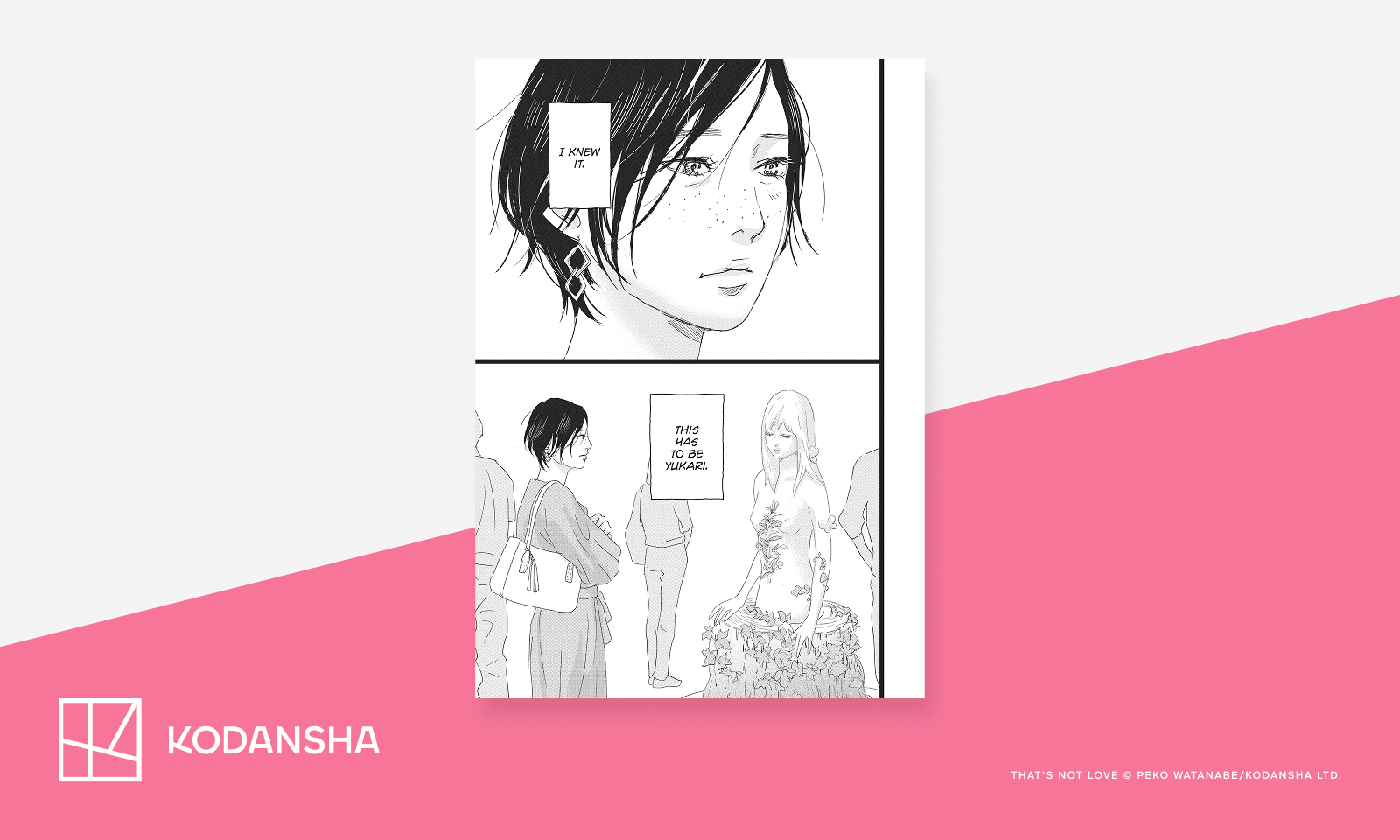
- The Catalyst (Present Day): Akane, a 40-year-old housewife, discovers that her middle-school cram school teacher, Mr. Imai, has transitioned into a celebrated, high-profile sculptor. At an exhibition, she encounters his signature piece: a sculpture of a young girl that bears an unmistakable resemblance to her childhood best friend, Yukari.
- The Trauma (26 Years Prior): At age 14, Yukari was involved in a relationship with the adult Mr. Imai. At the time, the relationship was framed as a passionate, taboo romance. Akane, paralyzed by youth and social pressure, failed to intervene.
- The Crisis: A nude photograph of the 14-year-old Yukari, taken by Imai under the guise of artistic documentation, resurfaces in the present day. This artifact forces Akane and Yukari’s paths to cross once more, initiating a painful confrontation with past abuse that society has spent nearly three decades tolerating.
The Real-World Creative Timeline
The conceptual origin of the manga lies in Watanabe’s observation of shifting social standards over the last decade:
- 2017 – The Global #MeToo Movement: The exposure of Hollywood producer Harvey Weinstein demonstrated how industry gatekeepers use professional power to extract sexual favors, protected by a wall of collective silence.
- 2018 – The KaoRi Confession: In Japan, the model KaoRi publicly detailed her experiences working with the world-renowned contemporary photographer Nobuyoshi Araki. KaoRi revealed a lack of consent regarding the usage of her image, financial exploitation, and immense psychological pressure. This event directly challenged the Japanese art world’s tendency to excuse questionable practices in the name of "genius."
- The Personal Epiphany: Watanabe experienced a personal reckoning when she discovered that a male actor in a semi-documentary film she had publicly praised was a victim of coercion. This realization—that she had unwittingly consumed and promoted exploitative media—fueled her determination to explore how audiences are complicit in sustaining abusive systems.
Supporting Context & Metrics: Structural Enablers of Abuse
To understand the impact of That’s Not Love, we must examine the cultural and economic contexts that allow these dynamics to persist.
The Commercial Power of Watanabe’s Realism
Watanabe’s previous success, 1122: For a Happy Marriage, established her as a prominent voice in contemporary realistic manga.
Manga Industry Impact Metric:
+-------------------------------------------------------------+
| "1122: For a Happy Marriage" Cumulative Sales:              |
| 2,000,000+ Copies Sold                                      |
+-------------------------------------------------------------+
| "That's Not Love" Target Demographics:                      |
| Seinen / Josei readers seeking realistic social critiques   |
+-------------------------------------------------------------+
By grounding her stories in recognizable, everyday settings rather than escapist fantasy, Watanabe has cultivated an audience that expects rigorous social critique. This credibility allows her to address highly sensitive topics like grooming and lookism without falling into sensationalism.
The Mechanics of "Artistic Exemption"
Watanabe’s work highlights a troubling double standard: how society treats transgressive behavior when it is labeled as "art."
THE "ARTISTIC EXEMPTION" SYSTEMIC LOOP

  +-------------------------------------------------------+
  | 1. High-Status Artist commits boundary-crossing act   |
  +-------------------------------------------------------+
                            │
                            ▼
  +-------------------------------------------------------+
  | 2. Critics/Gatekeepers label behavior as "edgy/genius"|
  +-------------------------------------------------------+
                            │
                            ▼
  +-------------------------------------------------------+
  | 3. Public internalizes fear of appearing "uncultured" |
  +-------------------------------------------------------+
                            │
                            ▼
  +-------------------------------------------------------+
  | 4. Systemic Silence: Abuse is normalized as "art"     |
  +-------------------------------------------------------+
In the art world, reacting with shock to transgressive, boundary-crossing work is often dismissed as unsophisticated. This fear of being labeled "uncultured" silences both victims and observers, enabling a cycle of quiet exploitation.
Lookism, Identity, and the "Parent Gacha"
That’s Not Love also explores how broader societal pressures leave individuals vulnerable to predation.
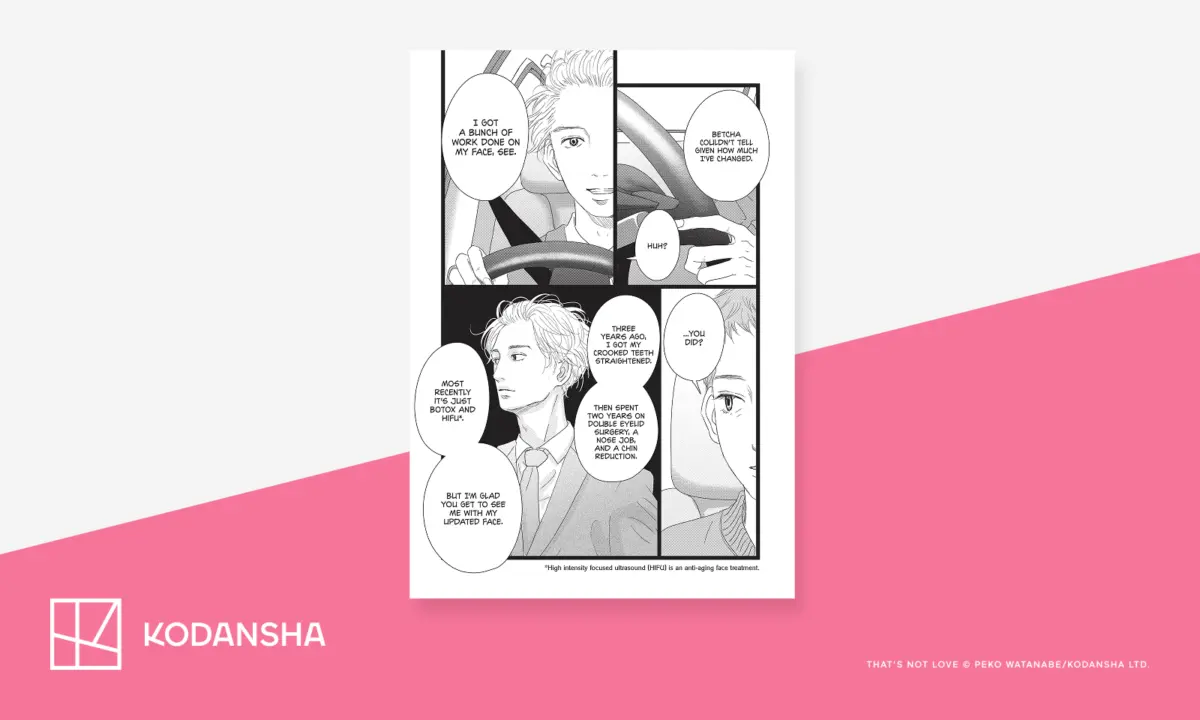
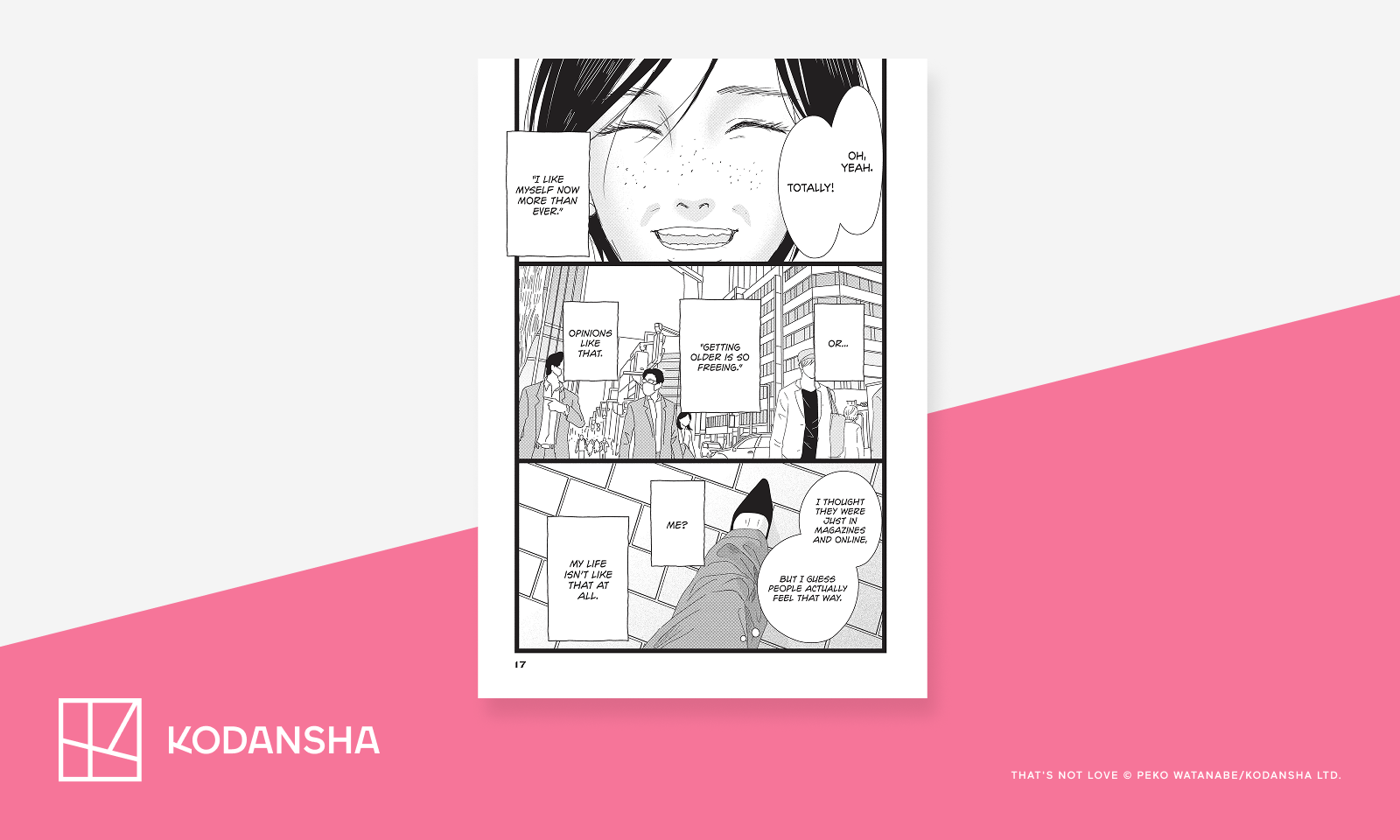
- Lookism and Physical Modification: The characters in the manga navigate intense pressure regarding their physical appearance. Akane feels forced to lose weight to fit societal expectations, while a supporting male character, Gen, undergoes extensive plastic surgery to find validation. In contrast, the abuser, Mr. Imai, experiences the privilege of aging without needing to alter his appearance, highlighting an imbalance in how society judges the looks of victims versus perpetrators.
- The "Parent Gacha" Phenomenon: A key theme in the manga is "parent gacha"—a Japanese slang term comparing the family one is born into to a random capsule toy machine. Children who draw a "losing capsule" (i.e., abusive, neglectful, or emotionally immature parents) are left highly vulnerable. Without a stable support system at home, young people like the 14-year-old Yukari are much more susceptible to the predatory attention of authority figures who position themselves as protectors.
Official Statements & Author Perspectives
Throughout her interviews and public statements, Peko Watanabe offers a clear, analytical perspective on the themes of her work, avoiding moralizing platitudes in favor of structural critique.
+-------------------------------------------------------------------------+
|                  PEKO WATANABE'S CORE NARRATIVE STANCE                  |
+-------------------------------------------------------------------------+
| "When 'love' becomes this miraculous thing that solves everything and   |
| anything goes within the confines of romance, I think we need to be     |
| wary. In particular, when a story about an adult and a child is         |
| depicted as a beautiful love story—with the excuse that the temptation  |
| was just too much... I gradually found I wasn't okay with it."          |
+-------------------------------------------------------------------------+
On the Illusion of the "Romantic" Excuse
Watanabe is particularly critical of how perpetrators use the language of romance to retroactively justify grooming:
"In line with many real-life abusers, Mr. Imai has created a convenient fantasy of a legitimate relationship in his mind, including the belief that the girl gave consent, or at the very least, didn’t reject him outright. Mr. Imai’s abuse doesn’t involve violent sexual assault, which makes it more sinister in a way… The idea that ‘they were in love’ or that ‘it was a romantic relationship’ tends to be used to excuse such behavior."
By framing grooming as a consensual "forbidden romance," the abuser shifts the burden of responsibility onto the child. Watanabe’s title, That’s Not Love, serves as a direct rejection of this rhetorical tactic.
On the Cowardice of the Creative Class
Watanabe also points out a common hypocrisy among public figures who face accusations of misconduct:
"For an artist or an author, expressing themselves is part of the job and they are making a living off of it. And yet, when incidents of violence or abuse come to light, many of them suddenly turn silent, which always bothered me. Like when they say, ‘I’m leaving it all up to my lawyer,’ or ‘I have nothing to say.’ They express themselves so much through their work, and I have to wonder why they suddenly fade away like they’re invisible the moment some inconvenient truth comes out."
In That’s Not Love, this behavior is embodied by Mr. Imai, who leaves the public defense of his work and actions entirely to his wife, shielding himself from the consequences of his own history.
Reimagining Female Solidarity
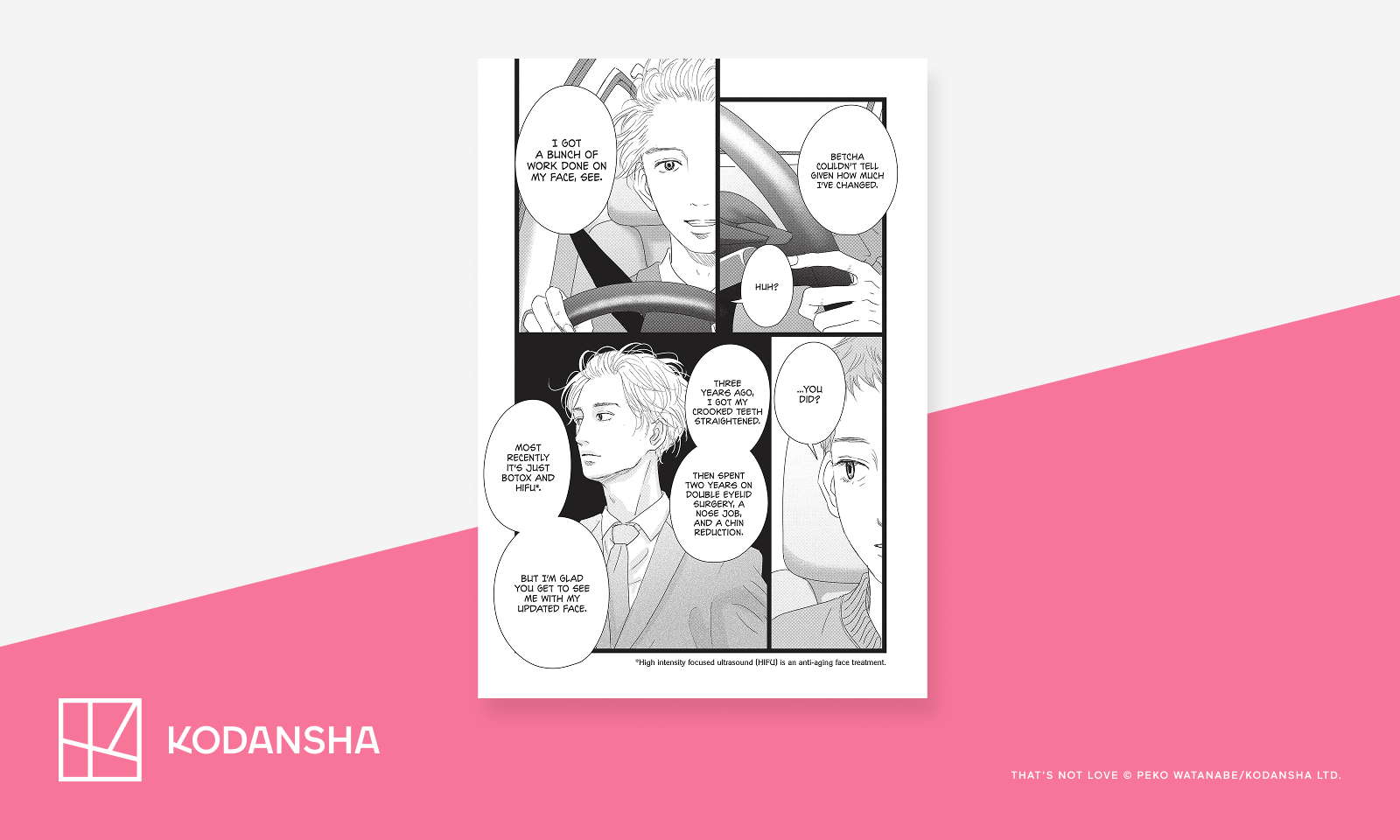
Rather than presenting an idealized version of female friendship, Watanabe consciously depicts a more complex, realistic bond:
"Same-gender friends who get along are more often than not depicted as having very similar mindsets, sharing experiences and emotions in real time with mutual understanding. Personally, I struggle with that kind of closely knit friendship. So I thought… maybe it’s okay for there to be a spectrum in friendships, from really intimate to much more mellow."
The relationship between Akane and Yukari is defined by distance, missed opportunities, and lingering guilt. Yet, their bond is held together by a quiet, persistent concern for one another—a mature form of solidarity that does not require constant emotional proximity to be effective.
Future Outlook: Dismantling Structural Oppression
As That’s Not Love continues its run, Watanabe’s narrative is building toward a fundamental challenge to the power structures that protect figures like Mr. Imai.
NARRATIVE RESOLUTION PATHWAY
┌─────────────────────────────────────────────────────────────┐
│  Deconstruction of "Genius" Status                          │
│  - Strip away the artistic mystique protecting the abuser   │
└──────────────────────────────┬──────────────────────────────┘
                               │
                               ▼
┌─────────────────────────────────────────────────────────────┐
│  Establishment of Non-Romantic Alliances                    │
│  - Focus on solidarity (Akane & Yukari) over romance        │
└──────────────────────────────┬──────────────────────────────┘
                               │
                               ▼
┌─────────────────────────────────────────────────────────────┐
│  "Turning the Tables" on Power Asymmetry                    │
│  - Challenge the social frameworks that silence victims     │
└─────────────────────────────────────────────────────────────┘
Watanabe has expressed a clear desire to challenge the power imbalances that typically favor perpetrators:
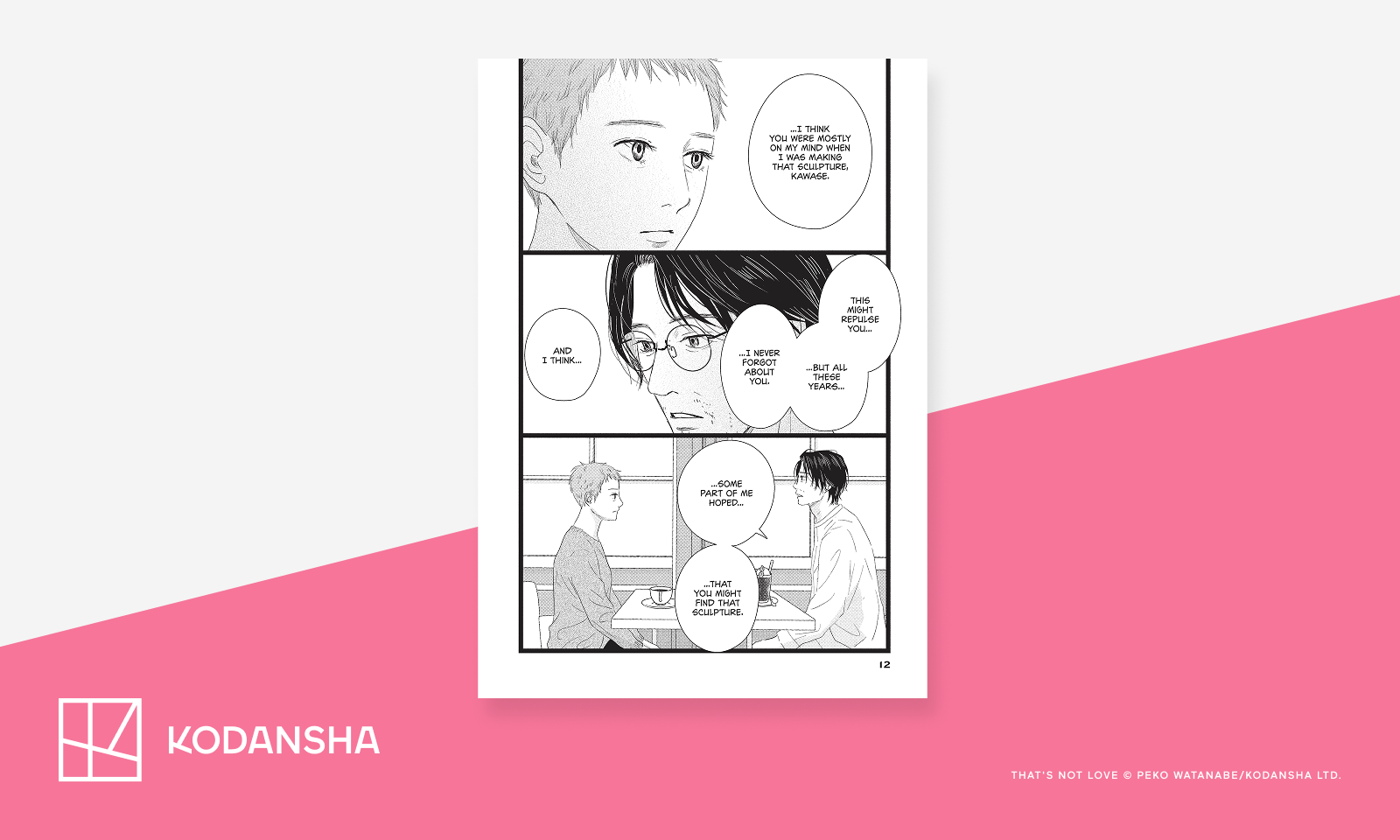
"Although it’s entirely unconscious, it seems I have the desire to tear apart sources of oppression… Unfortunately, women are generally weaker than men, both in society and in terms of physical strength. But the desire to flip that script is here inside of me, so I hope you look out for that as the story continues."
Conclusion: The Cultural Importance of the Work
That’s Not Love is a vital addition to contemporary manga. It moves beyond simple moralizing to offer a nuanced look at the systems that enable abuse. By examining how families, the art market, and media consumption work together to protect predatory behavior, Watanabe challenges her readers to look closer at the world around them.
The series stands as a compelling argument that no amount of artistic talent or romantic framing can justify exploitation. It signals a shift in the medium toward stories that prioritize accountability, realistic healing, and the dismantling of institutional impunity.



Belum ada komentar. Jadilah yang pertama berkomentar!