

Executive Overview
The landscape of spatial computing and high-end gaming is undergoing a quiet yet profound transformation. Valve, the powerhouse behind the dominant PC digital distribution platform Steam, has officially announced the rollout of a native Steam Link application designed specifically for Apple’s visionOS. The announcement, which includes the immediate availability of a public beta through Apple’s TestFlight program, marks a significant milestone for the Apple Vision Pro ecosystem.
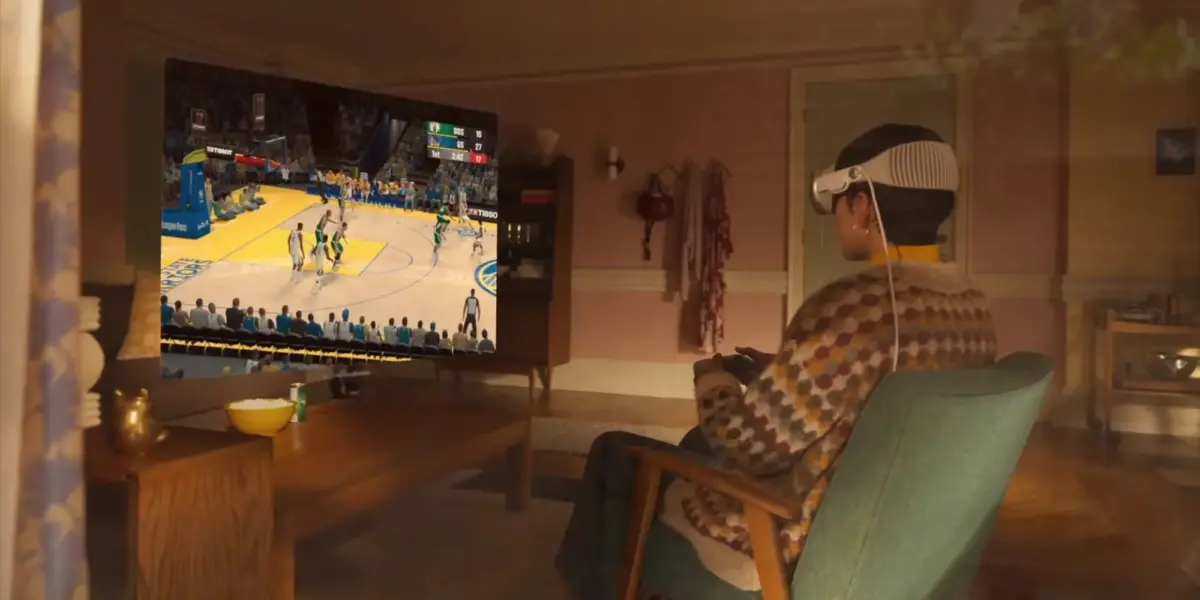
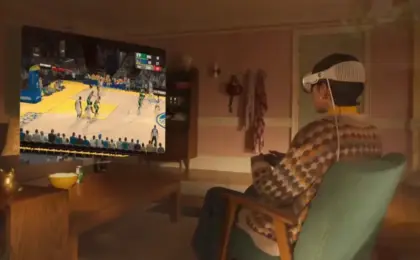
While the headset has established a sterling reputation for its revolutionary media consumption capabilities, high-end immersive video experiences, and productivity enhancements, its gaming catalog has occasionally faced scrutiny regarding the availability of traditional, heavy-hitting titles. The introduction of Steam Link directly into the visionOS ecosystem bridges this gap, allowing users to stream their existing PC and Mac game libraries directly into a customizable, massive virtual display floating in their physical environment.
However, prospective users and industry analysts should note a critical caveat: the current iteration of the visionOS Steam Link application is tailored strictly for 2D streaming. It does not support native virtual reality (VR) headset-to-headset streaming—at least not in its initial beta form. Despite this limitation, the ability to play standard PC blockbusters, indie darlings, and competitive multiplayer games on a hyper-sharp, customizable virtual screen up to 4K resolution represents a massive leap forward for Vision Pro owners. This development not only expands the device’s utility as an entertainment powerhouse but also signals a deeper, more collaborative bridge forming between traditional desktop gaming ecosystems and cutting-edge spatial computing hardware.
Detailed Chronology: From Concept to Spatial Reality
The path to bringing Steam to Apple’s spatial computing platform has been iterative, driven by a combination of software updates, ecosystem maturation, and growing demand from early adopters.
The Early Days of visionOS Gaming
When the Apple Vision Pro launched, it arrived with a carefully curated selection of Apple Arcade titles, native iPad apps, and compatibility with standard Bluetooth controllers. Users quickly realized that the device’s micro-OLED displays—delivering more pixels than a 4K TV to each eye—offered an unprecedented canvas for visual media. Enthusiasts immediately began experimenting with third-party web streaming, remote desktop software, and early workarounds to pipe games from their gaming rigs into the headset.
However, these workarounds often suffered from latency, awkward aspect ratios, or cumbersome setup processes. The demand for a streamlined, native solution grew louder as visionOS matured through successive software updates, most notably with the recent rollout of visionOS 26.4, which brought substantial performance and graphics framework improvements to the headset.
Valve’s Strategic Expansion
Valve’s Steam Link protocol has long been the gold standard for local game streaming. Available across an impressive array of hardware—ranging from iPhones, iPads, and Mac computers to Apple TV, Android devices, and various smart TVs—Steam Link allows players to harness the raw horsepower of a host PC or Mac and beam the video feed over a local Wi-Fi network with minimal latency.
Recognizing the untapped potential of Apple’s spatial platform, Valve’s engineers began developing a dedicated client specifically optimized for the visionOS runtime environment. This development culminated in the official announcement and the simultaneous launch of the TestFlight beta. By deploying the app through Apple’s official beta distribution channel, Valve can gather real-time telemetry, user feedback, and network performance metrics directly from the Vision Pro community, ensuring the final public release is polished and robust.
Supporting Context & Metrics: Technical Specifications and Performance
The technical architecture powering the new visionOS Steam Link beta is built upon significant under-the-hood optimizations that distinguish it from standard mobile ports.
Network and Display Enhancements
According to official patch notes and release documentation from Valve, this new client introduction is not merely a recompiled iPad app; it represents a ground-up focus on spatial network efficiency and display fidelity. Key technical improvements include:
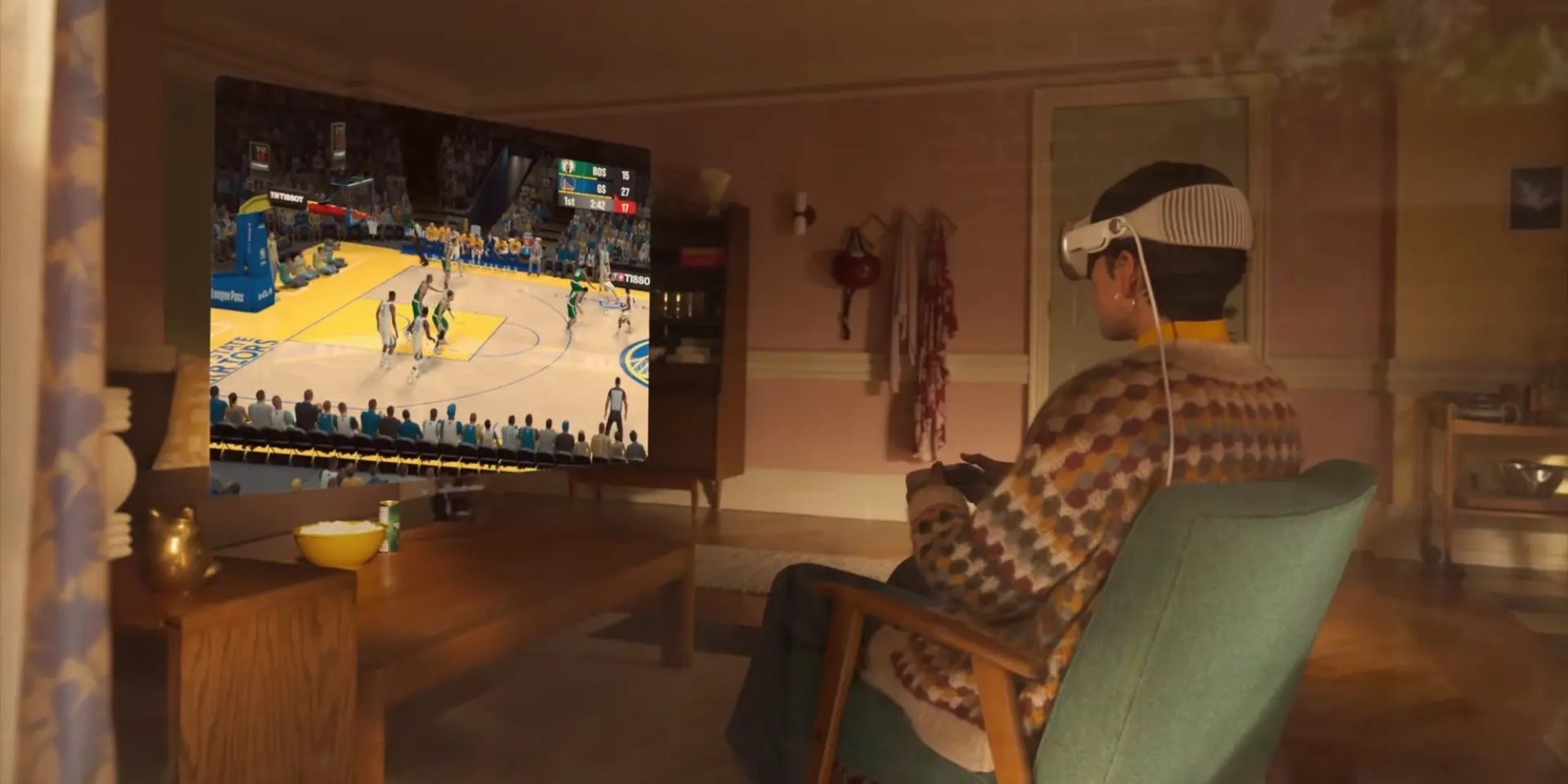
- Ultra-High-Resolution Support: The visionOS client is capable of handling game streaming at up to 4K resolution. Given the pixel density of the Apple Vision Pro, this ensures that text remains razor-sharp and intricate game environments do not suffer from the compression artifacts typical of lower-tier streaming solutions.
- Dynamic Curving and Panoramic Modes: Taking advantage of visionOS’s spatial window management, the app allows users to dynamically adjust the curvature of their virtual display. In panoramic mode, users can wrap a massive gaming screen around their field of view, simulating a curved ultra-wide monitor setup that would be prohibitively expensive and physically cumbersome in the real world.
- Optimized Network Performance Protocols: Streaming high-frame-rate 2D games into a head-mounted display requires exceptionally low latency to prevent motion sickness and input lag. Valve has integrated advanced packet-handling and decoding pipelines designed to exploit the M-series chip architecture inside the Vision Pro, minimizing motion-to-photon latency.
The 2D Limitation Explained
A point of discussion within enthusiast communities revolves around the lack of native VR streaming support. Many users initially wondered if the Steam Link app would allow the Vision Pro to act as a replacement headset for PC VR titles found in the SteamVR library (such as Half-Life: Alyx).
Valve’s documentation explicitly clarifies: “This client is for 2D streaming only and does not support VR content.”

While this may disappoint hardcore VR enthusiasts hoping for a direct tether to PC-based virtual reality experiences, industry observers point out that architectural differences between visionOS and standard OpenXR/SteamVR runtimes present significant technical hurdles. Restricting the initial release to high-performance 2D streaming allows Valve to ensure rock-solid stability, excellent frame rates, and a seamless user interface before tackling the complex mathematical and tracking challenges associated with full stereoscopic VR streaming.
Official Statements and Industry Reception
The response from the developer community and tech analysts has been overwhelmingly positive, viewed through the lens of expanding the Vision Pro’s value proposition.
Valve’s Community Outreach
In its official community discussion post releasing the TestFlight link, Valve outlined the parameters of the beta test, inviting enthusiastic users to stress-test the application under diverse home network conditions. The company emphasized that user feedback regarding bitrates, audio synchronization, and controller compatibility (such as Xbox, PlayStation, and Steam controllers paired directly to the Vision Pro) will dictate the pace of future updates.
Developer and Consumer Sentiment
Tech analysts note that while the Apple Vision Pro remains a niche, high-end product due to its premium pricing, software additions like Steam Link drastically improve its multi-use appeal. For traveling professionals or gamers who already own a high-end gaming PC or Mac, the ability to pack a virtual multi-monitor gaming rig into a compact travel case is a killer feature.

Furthermore, game developers see this as proof that major platform holders are willing to embrace spatial computing as a viable canvas for traditional gaming, even if the primary interaction paradigm relies on floating 2D planes rather than fully immersive 3D gameplay.
Future Outlook: What Lies Ahead for Spatial Gaming
As the Steam Link for visionOS beta progresses through its testing phase, several key questions and exciting possibilities lie on the horizon.
Potential Roadmap Milestones
- Public App Store Release: Following a successful TestFlight beta period—where bugs are squashed and network stability is ironed out—Valve is expected to release Steam Link as a free, publicly available application on the visionOS App Store.
- Advanced Controller Integration: Future updates will likely refine support for specialized input devices, haptic feedback integration, and seamless peripheral pairing.
- The VR Question: While currently limited to 2D streaming, technology never stands still. Third-party developers have previously experimented with complex software bridges to bring PC VR to visionOS; whether Valve will officially pursue stereoscopic PC VR streaming natively within Steam Link remains one of the most anticipated potential features for the platform’s long-term roadmap.
Conclusion
The arrival of the native Steam Link beta on the Apple Vision Pro represents a convergence of two massive tech ecosystems. By transforming Apple’s ultra-high-resolution spatial displays into massive, adjustable gaming monitors for PC and Mac libraries, Valve has unlocked a powerful new dimension of entertainment for Vision Pro owners. Whether you are looking to unwind with your favorite indie game, conquer competitive titles on a screen the size of a movie theater, or simply maximize the hardware you already own, the future of spatial gaming just got significantly brighter.
Users interested in participating can access the beta immediately via the Steam Link TestFlight link, provided they have a compatible host computer, a robust local network, and an Apple Vision Pro running up-to-date visionOS software.




Belum ada komentar. Jadilah yang pertama berkomentar!