

Executive Overview
The intersection of classic American comic book mythology and the kinetic, stylized aesthetic of Japanese manga has long been a fertile testing ground for Marvel Comics. From the experimental titles of the early 2000s to modern stylistic fusions, the publisher’s periodic reinterpretations of its core intellectual properties continue to captivate readers seeking fresh visual and narrative vernaculars. The latest entry in this grand tradition is Marvel Mangaverse: Iron Knight #1, arriving in comic book specialty stores and digital retail outlets this week.
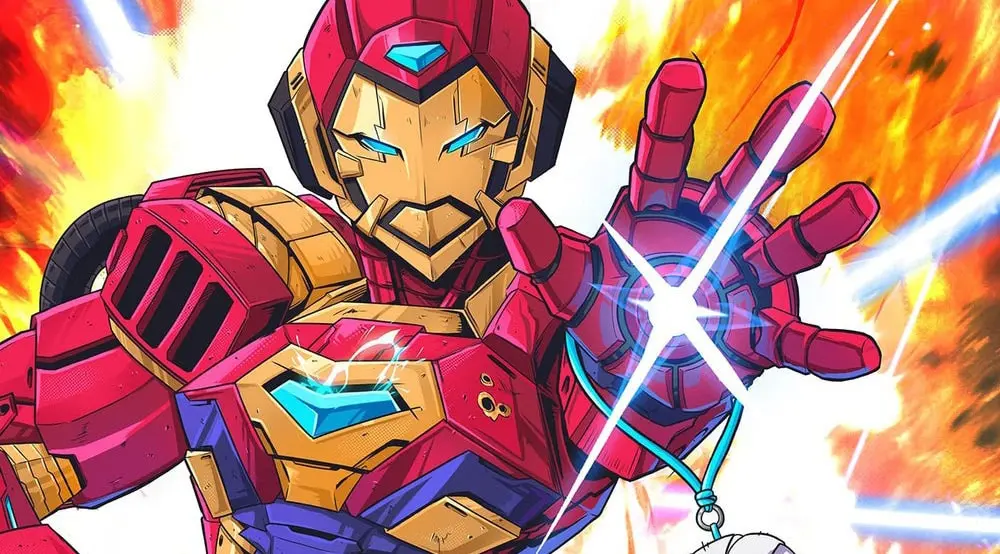
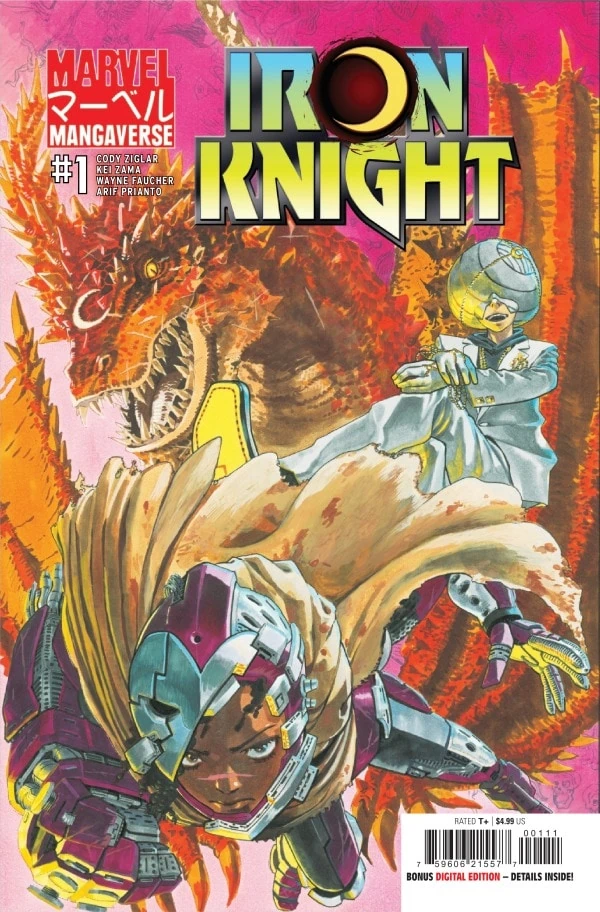
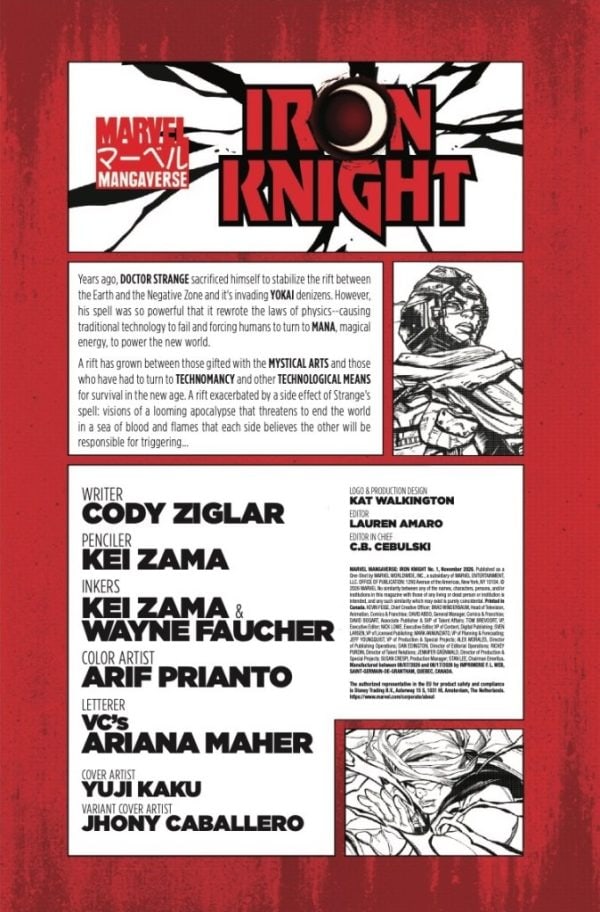
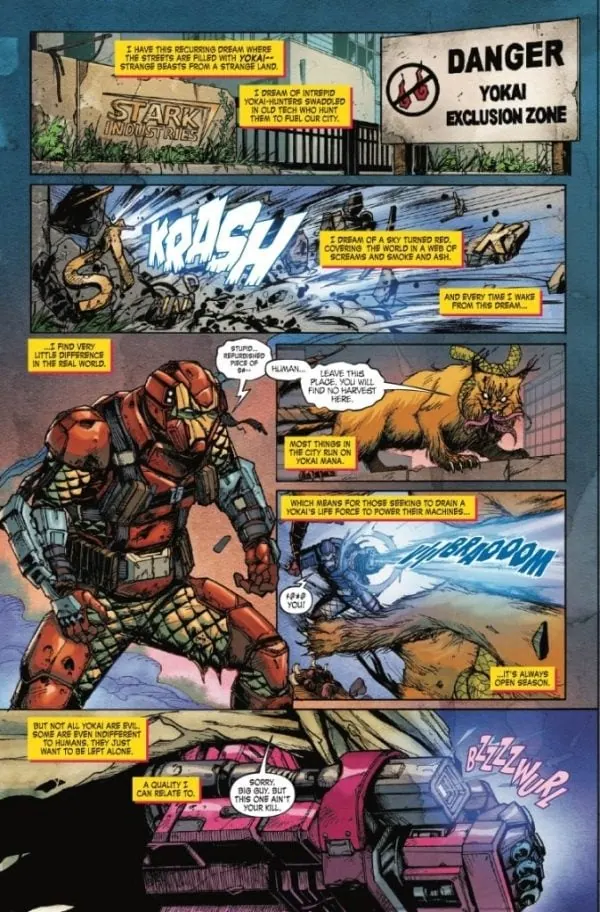
Written by rising star Cody Ziglar and brought to visually arresting life by artist Kei Zama, this debut issue reconfigures familiar elements of the Marvel Universe into a heavy-metal, high-octane alternate reality. Set within the perilous, magically sealed metropolis of New Chicago—a city currently under siege by supernatural, demonic yokai—the narrative centers on Riri Williams. Rather than relying solely on traditional Stark-tech or terrestrial arc reactors, this iteration of Ironheart pilots a mana-powered mech suit designed to dispense a unique brand of mystical-technological justice.
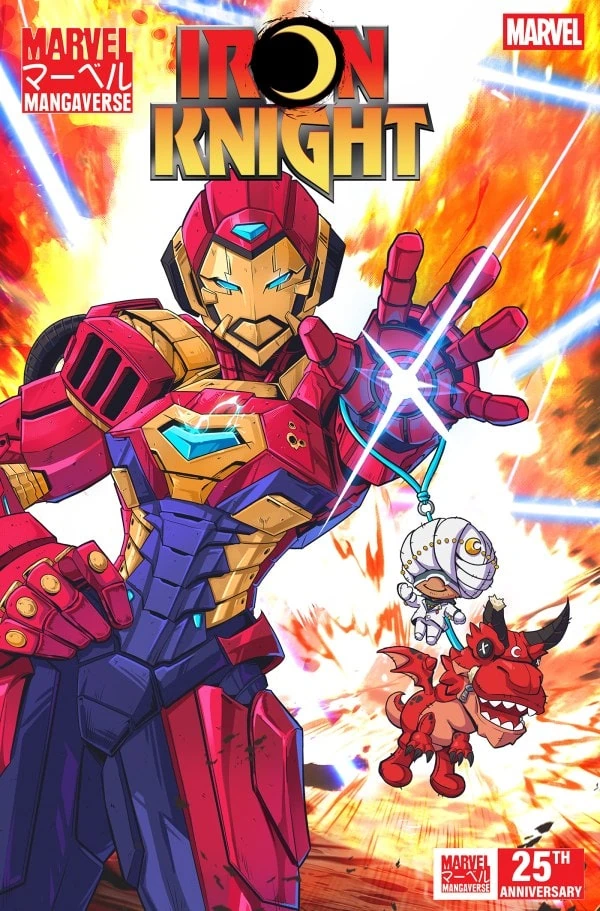
However, the stakes are elevated immediately when a deeply personal blood feud comes to a head. Driven by an opportunity to avenge the tragic death of a fallen comrade, Riri finds herself reluctantly partnered with the legendary, enigmatic sorcerer Moon Knight. Merging cutting-edge mecha tropes with supernatural lore, Marvel Mangaverse: Iron Knight #1 promises to be a standout release in Marvel’s ongoing exploration of alternate continuities. Priced at $4.99 and supported by a striking variant cover by Jhony Caballero, the issue bridges the gap between old-school grit and modern manga-infused dynamism.

Detailed Chronology: The Road to New Chicago
To fully appreciate the narrative weight and stylistic ambition of Marvel Mangaverse: Iron Knight #1, one must trace the evolutionary lineage of both the characters involved and the conceptual universe they inhabit. The concept of the "Marvel Mangaverse" originated as an anthology-style imprint in 2002, designed to inject classic Marvel heroes with the tropes, pacing, and visual stylings of manga and anime. Characters like Spider-Man, the X-Men, and the Avengers were re-envisioned as ninja clans, giant-robot pilots, and supernatural warriors.
Over two decades later, Marvel’s editorial team has chosen to revisit this stylistic sandbox, updating the concept for a contemporary audience that has grown up on a steady diet of both shonen anime and multi-versal superhero storytelling.
Setting the Stage: New Chicago and the Blood Moon
In this newly established timeline, the geopolitical and supernatural landscape is radically altered. New Chicago stands as a bastion of humanity, but it is currently sealed off from the outside world by an impenetrable magical dome. This isolationist catastrophe is exacerbated by the rise of the Blood Moon, an astrological event that triggers an invasion of demonic yokai—malevolent spirits from Japanese folklore that test the mettle of the city’s defenders.
Enter Riri Williams. In mainstream continuity, Riri is a Chicago native and an engineering prodigy who constructs her own suit of armor in her Massachusetts Institute of Technology dorm room. In the Mangaverse, her engineering prowess takes on a distinctly esoteric dimension. Isolated within the dome, Riri adapts to the supernatural threat by developing a mana-powered mecha suit. This fusion of arcane energy and cybernetic engineering allows her to operate as Iron Heart, patrolling the neon-drenched, monster-infested streets of New Chicago.
The Spark of Vengeance: Teaming Up with Moon Knight
The inciting incident of Iron Knight #1 moves beyond mere monster-slaying to address a deeply personal wound. The narrative accelerates when Riri uncovers a lead concerning the death of a close friend—a casualty of the ongoing supernatural chaos. Driven by grief and a fierce desire for retribution, she embarks on a dangerous quest for vengeance.
Her path soon intersects with one of Marvel’s most unpredictable and lethal mystics: Moon Knight. Unlike the street-level vigilante familiar to mainstream readers, the Mangaverse iteration of Moon Knight brings ancient, shadowy sorcery to the partnership. This unlikely alliance between a tech-driven mecha pilot and a servant of the lunar gods forms the narrative backbone of the debut issue, establishing a dynamic built on contrasting ideologies, volatile temperaments, and mutual survival.
Supporting Context & Metrics: The Creative Force and Market Positioning
The success of any alternate-universe comic book hinges not just on the strength of its concept, but on the pedigree of its creative team and its strategic placement within the direct market. Marvel Mangaverse: Iron Knight #1 boasts a powerhouse creative duo uniquely suited to the project’s heavy-metal aesthetic.
The Creators: Cody Ziglar and Kei Zama
- Cody Ziglar: A multi-talented creator whose stock in the comic book and television industries has risen exponentially in recent years. Known for his critically acclaimed work on titles such as Miles Morales: Spider-Man, Spider-Punk, and various high-profile television writing credits (including animated projects like She-Hulk: Attorney at Law and Futurama), Ziglar has carved out a distinct niche for himself writing high-energy, socially conscious, and rhythmically distinct narratives. His ability to balance fast-paced action with deep character heart makes him an ideal architect for Riri Williams’ latest adventure.
- Kei Zama: An acclaimed comic book artist renowned for her striking, high-contrast, ink-heavy style, which evokes classic 90s alternative comics mixed with modern mecha design. Zama has previously left an indelible mark on titles like IDW’s Transformers and Marvel’s own Death’s Head. Her mastery of mechanical structure combined with atmospheric horror elements provides Iron Knight #1 with its signature visual identity—gritty, intricate, and bursting with kinetic motion.
Market Metrics and Variant Cover Culture
Priced at $4.99, Iron Knight #1 sits at the standard premium price point for Marvel’s special-run and launching miniseries. The issue is accompanied by a robust slate of variant covers designed to appeal to both completionist collectors and fine-art enthusiasts, most notably the eye-catching variant by artist Jhony Caballero.
From a retail perspective, alternate-universe miniseries serve a crucial function in the modern comic book ecosystem. They offer low-barrier-to-entry jumping-on points for new readers who may feel intimidated by decades of mainstream continuity. By stripping characters like Riri Williams and Moon Knight down to their thematic essentials and rebuilding them in a high-concept genre mashup, Marvel effectively inoculates the books against continuity fatigue while capturing the lucrative collector demographic.
Official Statements & Industry Reception
While full-scale critical reviews for Marvel Mangaverse: Iron Knight #1 roll out alongside its official distribution date, early promotional statements from Marvel’s editorial offices and the creative team shed light on the artistic philosophy driving the book.
In promotional materials released by Marvel, the publisher explicitly markets the series as a "heavy-metal, high-octane adventure." This tagline is more than mere marketing hyperbole; it reflects a deliberate tonal choice. The integration of mechanical engineering with the supernatural occult is designed to evoke classic anime touchstones such as Neon Genesis Evangelion, Fullmetal Alchemist, and GaoGaiGar, while maintaining the unmistakable flavor of the Marvel Universe.
Cody Ziglar has frequently emphasized in interviews regarding his work on action-centric titles the importance of grounding high-concept absurdity in genuine emotional stakes. For Riri Williams, the trauma of losing a friend within a city trapped under a magical dome provides the emotional anchor necessary to ground an otherwise bombastic story featuring giant mechs and demonic spirits.
Industry analysts tracking pre-order metrics via platforms like Amazon Kindle, ComiXology, and local comic shop indicators (Diamond Comic Distributors and Lunar Distribution) note that titles featuring stylistic reinventions of recognizable legacy heroes tend to outperform standard original intellectual properties. The combination of Ironheart’s rising popularity—bolstered by her cinematic footprint in the Marvel Cinematic Universe—and the cult-favorite status of Moon Knight creates a synergistic promotional engine that has driven healthy advance reorders.
Future Outlook: Where Does the Mangaverse Go From Here?
The launch of Marvel Mangaverse: Iron Knight #1 raises an intriguing question for the broader trajectory of Marvel’s publishing initiatives: Is this miniseries a standalone stylistic experiment, or is it the vanguard of a broader revival of the Mangaverse imprint?
Expanding the Alternate-Universe Tapestry
Marvel has historically utilized limited series to test consumer appetite before committing to ongoing titles or wider event crossovers. If Iron Knight resonates strongly with readers—both in physical retail sales and digital downloads via ComiXology and Marvel Unlimited—it could pave the way for additional titles exploring other corners of the Mangaverse. Imagine alternate iterations of the Avengers, the Guardians of the Galaxy, or the X-Men filtered through the same anime-inspired, high-octane lens.
Character Evolution for Riri Williams
For Riri Williams, alternate-universe appearances provide a valuable sandbox for character growth free from the shackles of core-continuity constraints. Operating in New Chicago under siege by yokai forces Riri to evolve past her standard technological reliance, pushing her to innovate at the crossroads of science and sorcery. Whether these lessons and aesthetic upgrades will influence her modern mainstream appearances remains to be seen, but historically, successful visual and conceptual innovations from alternate books frequently find their way into core continuity.
Final Verdict for Collectors and Readers
As comic shops prepare for the mid-week rush, Marvel Mangaverse: Iron Knight #1 stands as one of the most visually compelling and conceptually bold releases of the month. Backed by the creative firepower of Cody Ziglar and Kei Zama, the issue offers a masterclass in how to reinvent legacy characters for a new generation without losing the core soul that made them enduring icons in the first place. Whether you are a dedicated fan of mecha anime, a longtime follower of Ironheart’s exploits, or simply a collector hunting down Jhony Caballero’s stunning variant covers, this Wednesday release is shaping up to be an unmissable addition to the pull list.
Marvel Mangaverse: Iron Knight #1 goes on sale on September 9th, priced at $4.99. Readers can pre-order or read the issue digitally via Amazon Kindle and ComiXology.




Belum ada komentar. Jadilah yang pertama berkomentar!