

Executive Overview
For centuries, the enigmatic figure of the ninja has cast a long, alluring shadow over global popular culture. Whether introduced through classic jidaigeki (period historical dramas) or modern shonen anime sensations like Naruto, these historical agents of infiltration have continuously captured the imagination of millions worldwide. Japan has enthusiastically embraced this enduring global fascination, rolling out creative commercial ventures ranging from high-concept stage spectacles like Batman Ninja to rigorous, academic-backed endeavors such as the official Japanese Ninja Certification Exam.
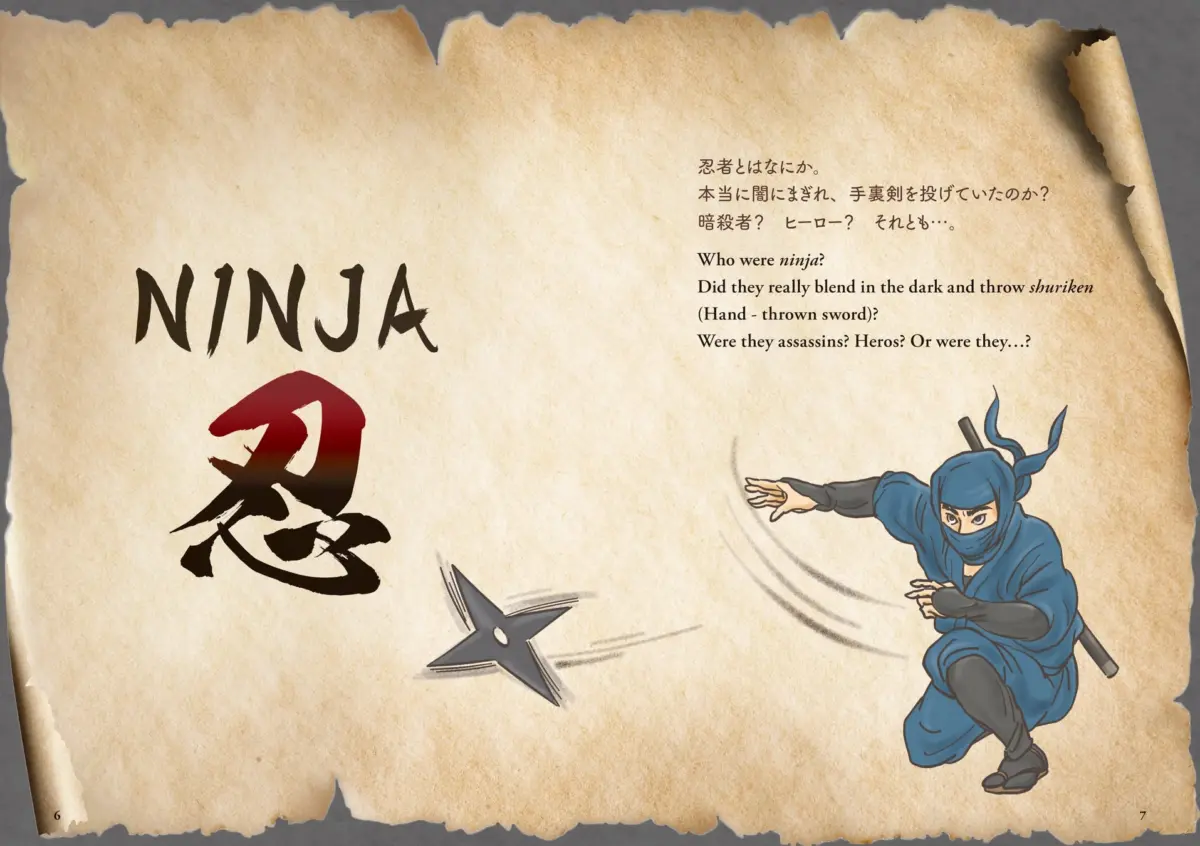
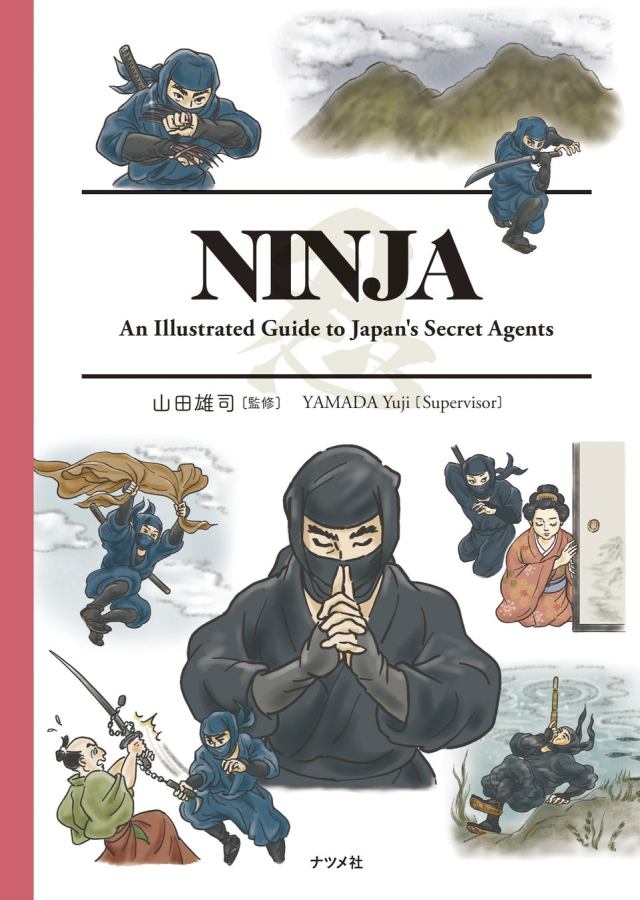
Yet, despite their ubiquity in fiction, a profound chasm exists between the cinematic, smoke-bomb-wielding assassins of modern media and the actual espionage operatives of feudal Japan. To bridge this gap, Tokyo-based educational publisher Natsume-sha has announced the release of Ninja: An Illustrated Guide to Japan’s Secret Agents. Hitting Japanese bookshelves and online retailers on October 15, this compact, A6-sized, 160-page volume is designed not merely as a novelty read, but as a fully bilingual, highly illustrated cultural artifact.
What elevates this book far above standard pop-culture trivia guides is its formidable academic pedigree. The project was closely supervised by Professor Yuji Yamada of Mie University—a preeminent authority in the field who holds vital leadership roles within both the Mie University International Ninja Research Center and the International Ninja Research Association. By blending rigorous historical research with accessible visual storytelling, the guide aims to dismantle centuries of mythmaking, offering readers a precise, authentic look at the daily lives, operational strategies, and tactical realities of Japan’s ultimate shadow agents.
Detailed Chronology
To understand the significance of Natsume-sha’s new publication, it is helpful to trace the modern evolution of ninja scholarship and public outreach, a timeline heavily influenced by academic institutions and cultural preservation bodies over the past decade.
The Academic Pivot: From Folklore to Fact
For generations, public perception of the ninja was shaped almost entirely by Edo-period (1603–1867) theatrical exaggerations, martial arts folklore, and mid-20th-century cinema. However, the mid-2010s marked a profound shift toward empirical verification. Historians began systematically unearthing and translating authentic historical documents—such as the Shoninki (1681) and the Bansenshukai (1676)—which serve as formal manuals on ninjutsu, espionage, and strategy.
The Rise of Specialized Research
In 2017, Mie University established the world’s first academic institution dedicated to the study of these covert operatives: the International Ninja Research Center. Situated in Mie Prefecture—the historical cradle of the Iga ninja style—the center brought together multidisciplinary experts to analyze historical manuscripts and separate theatrical myth from the mundane, highly disciplined realities of medieval intelligence gathering. Under the stewardship of scholars like Professor Yuji Yamada, these findings slowly trickled into the public consciousness through lectures, museum exhibitions, and collaborative cultural projects.
Digital Expansion and Global Outreach
By the dawn of the 2020s, organizations like the Japan Ninja Council began leveraging digital platforms to reach a global audience. In June 2021, the council launched a major crowdfunding campaign to support "Nindo," an ambitious online ninja academy designed to teach historical tactics and philosophy to international enthusiasts. Concurrently, official certification exams were established inside and outside Japan, attracting hundreds of dedicated candidates eager to test their knowledge of historical espionage.
The October 15 Publication Milestone
The release of Ninja: An Illustrated Guide to Japan’s Secret Agents on October 15 marks the latest milestone in this ongoing movement of public education. Commissioned to serve as an accessible, portable bridge between historical academia and global pop-culture fandom, the book encapsulates years of institutional research into a format tailored for both domestic readers and international travelers looking for an authentic piece of Japanese culture.
Supporting Context & Metrics
The release of Ninja: An Illustrated Guide to Japan’s Secret Agents arrives at a time of robust commercial and cultural interest in Japan’s medieval underworld. Analyzing the structural framework of the book, alongside broader economic and cultural metrics, reveals why this publication occupies a unique space in modern literature.
Anatomy of the Guide
Spanning 160 pages in a pocket-friendly A6 format, the book is meticulously structured into six distinct topical sections:
- Intelligence Gathering & Infiltration: Detailing how ninja actually operated as reconnaissance assets rather than frontline assassins.
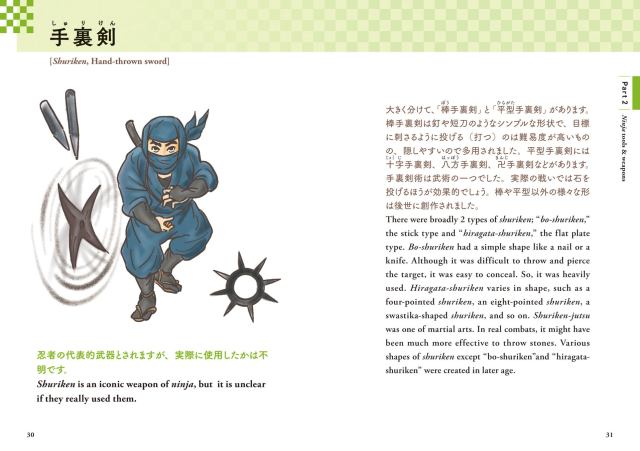
- Weapons & Tactical Gear: Examining the real-world utility of specialized tools compared to fictional exaggerations.
- Ninjutsu Techniques: Explaining the psychological, physical, and strategic methodologies underpinning espionage.
- Historical Lifestyle & Daily Realities: Depicting the socio-economic status, disguises, and cover identities maintained by operatives.
- Myth vs. Reality: Direct comparisons between cinematic tropes and historical documentation.
- Cultural Legacies: Exploring how ninja traditions intersect with modern arts, architecture, and religion.
The Esoteric Buddhism Connection
One of the most compelling insights highlighted in the guide addresses the famous hand seals (mudra) popularized by modern anime franchises like Naruto. While contemporary fiction often frames these hand gestures as supernatural catalysts for magical attacks, the book reveals their genuine historical and religious roots. In reality, these seals derive directly from Mikkyo (Esoteric Buddhism), utilizing focused meditation, psychological centering, and spiritual symbolism to calm the mind, sharpen concentration, and instill emotional fortitude before high-risk missions.
Economic and Tourism Metrics
The launch of this bilingual guide also aligns with broader trends in Japanese tourism and cultural exports. With inbound travel to Japan hitting unprecedented post-pandemic highs, tourists increasingly seek deep, educational cultural experiences rather than superficial sightseeing.
Concurrently, regional investments in ninja-themed tourism have experienced dynamic shifts. While historical hubs like Iga (Mie Prefecture) and Koka (Shiga Prefecture) continue to thrive as centers of historical tourism, other ventures—such as the dramatic real-estate and operational challenges faced by the unconfirmed reopening of the Ise Ninja Park in Mie—highlight the volatile nature of themed commercial attractions. In this light, portable educational literature like Natsume-sha’s guide offers a stable, highly accurate alternative for enthusiasts seeking a reliable connection to Japanese history without relying on shifting commercial theme park landscapes.
Official Statements & Academic Oversight
The credibility of Ninja: An Illustrated Guide to Japan’s Secret Agents rests squarely on its rigorous editorial supervision. Spearheaded by Natsume-sha, the publishing house collaborated extensively with academic leadership to ensure every illustration and historical claim adhered strictly to contemporary historiography.
Professor Yuji Yamada, a towering figure in medieval Japanese studies, served as the primary supervisor for the project. In statements regarding the philosophy of modern ninja research, Yamada has repeatedly emphasized that the true brilliance of the historical ninja lay not in supernatural feats of invisibility or flight, but in superior psychological warfare, information gathering, and adaptability.
"The popular image of the ninja is overwhelmingly shaped by fiction, which is entertaining in its own right, but obscures the fascinating tactical realities of these historical professionals," editorial notes from the publication suggest. By implementing a fully bilingual framework—pairing Japanese explanations with clear, accessible English translations—the publisher and academic supervisors intended to create a tool that transcends language barriers.
Furthermore, cultural ambassadors and members of the Japan Ninja Council have praised the initiative, noting that books designed specifically to be carried abroad as gifts (omiyage) fulfill a vital diplomatic and educational role. By equipping travelers with authoritative, engaging literature, international fans gain a grounded appreciation of Japanese history that respects both the romance of pop culture and the integrity of academic scholarship.
Future Outlook
As the global appetite for Japanese history and media shows no signs of waning, publications like Ninja: An Illustrated Guide to Japan’s Secret Agents point toward a mature future for cultural tourism and education.
The successful convergence of academic research from institutions like Mie University with accessible consumer publishing demonstrates a growing demand for authenticity among modern consumers. Rather than competing with pop-culture franchises like Naruto or historical blockbusters, academic experts are increasingly utilizing these mainstream gateways to spark deeper intellectual curiosity, guiding fans from fictional fantasy toward historical reality.
Looking ahead, industry analysts expect to see continued collaboration between Japanese publishers, regional tourism boards, and academic institutions. As international interest in programs like the online Nindo academy and the official ninja certification exams continues to expand, localized guides and bilingual literature will likely remain essential tools for cross-cultural communication.
Whether purchased in a bustling Tokyo bookstore or ordered online via platforms like Amazon Japan, Ninja: An Illustrated Guide to Japan’s Secret Agents offers readers a rare opportunity: a chance to look past the smoke and mirrors of fiction and connect directly with the sharp, calculated minds of Japan’s true historical operatives.








Belum ada komentar. Jadilah yang pertama berkomentar!