

Executive Overview
Japan’s hospitality landscape is uniquely defined by properties that double as living archives of the nation’s socio-political and cultural evolution. Among the custodians of this heritage, Seibu Prince Hotels & Resorts occupies a singular position. From the coastal cliffs of the Izu Peninsula—where Hollywood royalty Marilyn Monroe and Joe DiMaggio honeymooned at the Kawana Hotel—to the high-altitude alpine retreats of Karuizawa, the brand bridges the gap between aristocratic history and contemporary luxury.
Rooted in the post-war preservation of former imperial and noble estates, the portfolio of Seibu Prince Hotels & Resorts has evolved from protecting exclusive aristocratic sanctuaries into shaping modern Japanese leisure culture. Today, the brand oversees a diverse collection of properties that seamlessly blend architectural heritage, eco-conscious stewardship, and world-class hospitality. This article explores the historical architecture, cultural milestones, and enduring appeal of five iconic destinations within the Seibu Prince ecosystem: the Prince Grand Resort Karuizawa, The Prince Hakone Lake Ashinoko, the Naeba Prince Hotel, the Kawana Hotel, and the Grand Prince Hotel Takanawa.
Detailed Chronology: From Post-War Preservation to Global Hospitality
The genesis of Seibu Prince Hotels & Resorts is deeply tied to the structural shifts of post-war Japan. As the nation navigated economic reconstruction, former imperial family members and members of the old peerage (kazoku) found themselves unable to maintain their vast, historic estates. Recognizing the risk of losing these architectural and cultural touchstones, the Seibu Group intervened. By acquiring these historic properties, the group embarked on a mission to preserve Japan’s cultural heritage while transforming underutilized estates into accessible, high-end hospitality destinations.
[1947] Establishment of original "Prince Hotel" in Karuizawa (Prince Asaka Estate)
  │
[1953] Opening of Shinagawa Prince Hotel (Former Takeda-no-miya Residence, Tokyo)
  │
[1961] Inauguration of Naeba Kokusai Ski Resort (Niigata)
  │
[1972] Official naming of Naeba Prince Hotel / Host of 1973 FIS Alpine Ski World Cup
  │
[1978] Opening of Hakone Prince Hotel (Designed by Togo Murano)
  │
[2002] Acquisition and integration of the historic Kawana Hotel into the Seibu Group
  │
[2007-Present] Comprehensive brand unification under Seibu Prince Hotels & Resorts
This chronological expansion laid the foundation for Japan’s modern resort culture. Rather than merely building hotels, the brand pioneered integrated resort concepts—pairing accommodations with ski slopes, championship golf courses, and expansive landscaped gardens—thereby transforming how both domestic and international travelers experienced Japanese leisure.
Iconic Properties: Architecture, Heritage, and Experience
1. Prince Grand Resort Karuizawa: The Noble Origins of Japan’s Resort Culture
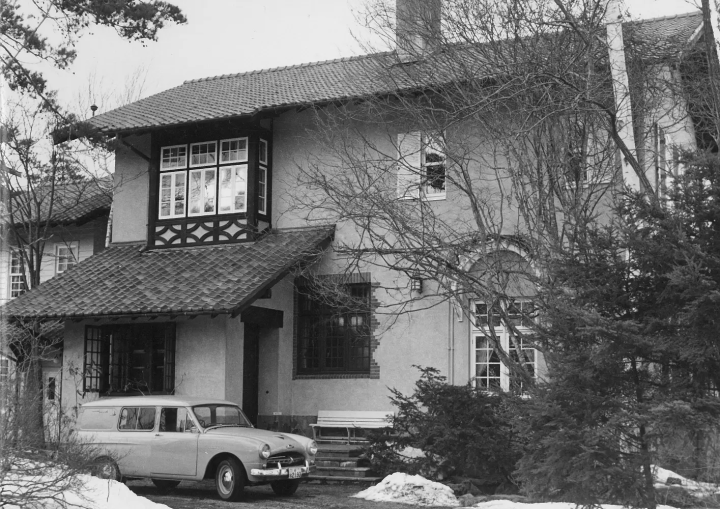
The lineage of the prestigious Prince Grand Resort Karuizawa dates back to 1947, when the original "Prince Hotel" opened its doors inside a meticulously renovated estate in Karuizawa, formerly owned by Prince Asaka of the Japanese Imperial Family. What began as an exclusive aristocratic retreat gradually expanded over the ensuing decades, culminating in a comprehensive master rebuild in 1973 as the Karuizawa Prince Hotel.
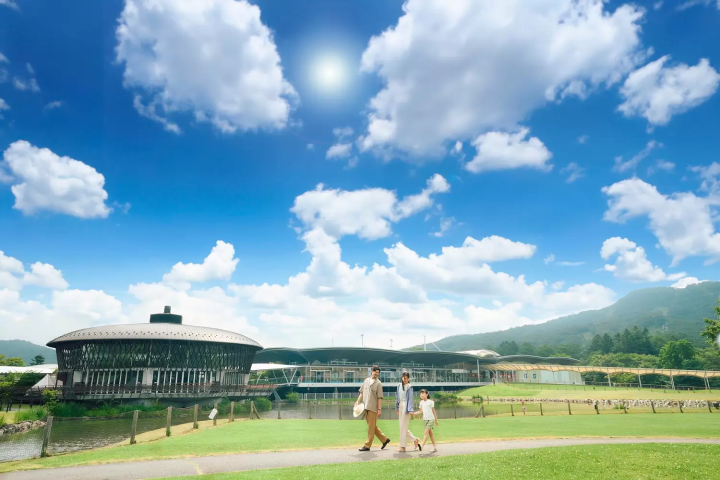
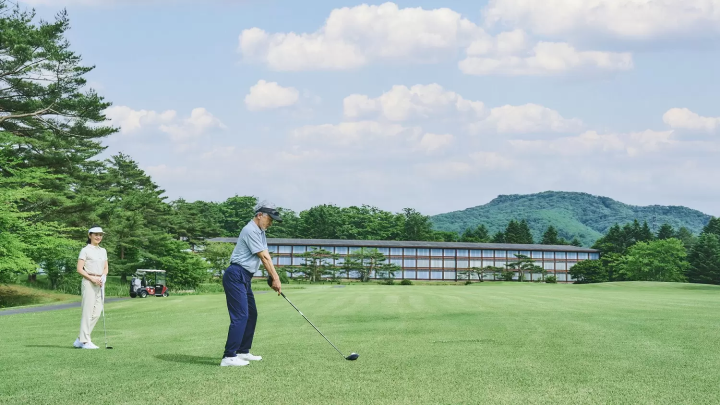
Simultaneously, the integration of premier golf courses and alpine ski slopes transformed the property into Japan’s first truly comprehensive, year-round integrated resort. The evolution continued in 1995 with the opening of the Karuizawa Prince Shopping Plaza on a former golf course adjacent to the hotel, driving regional economic revitalization and establishing Karuizawa as the country’s premier mountain resort destination.
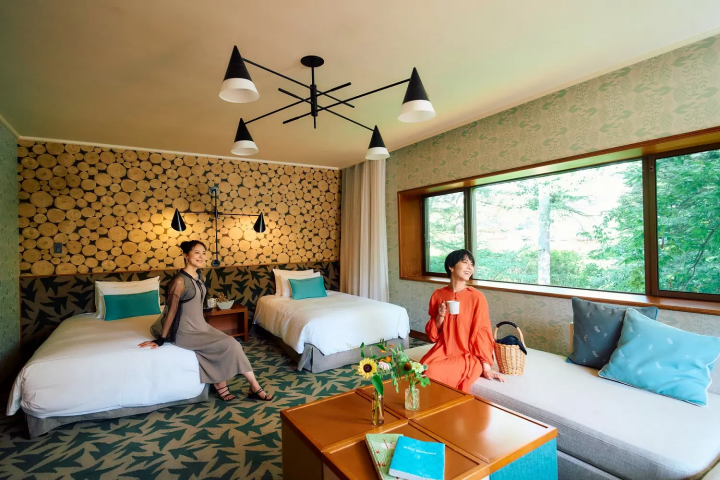
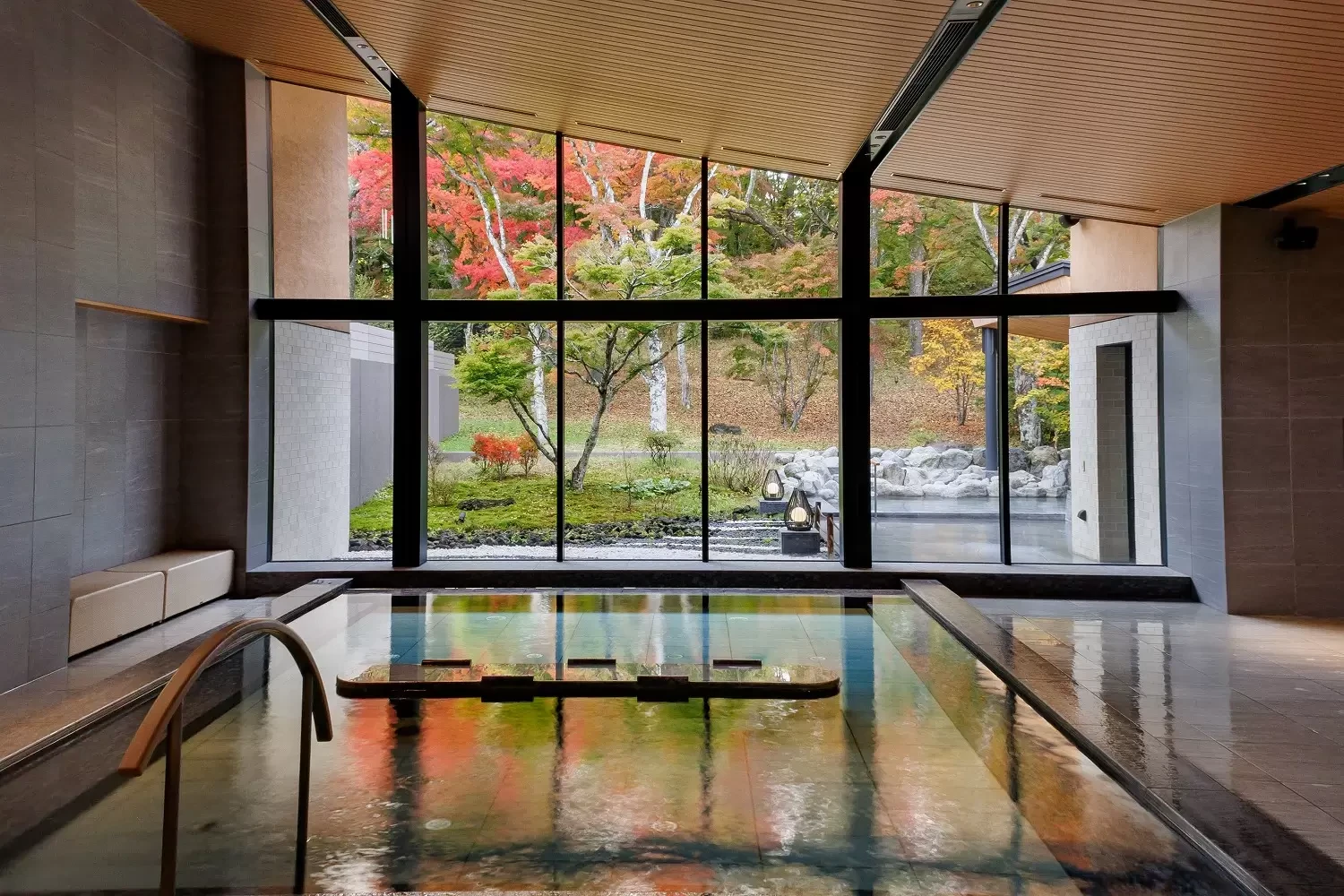
- Accommodations & Amenities: Located approximately 75 minutes from Tokyo via the Hokuriku Shinkansen, the resort offers diverse accommodation tiers. Guests can choose from the secluded, ultra-private villas at The Prince Villa Karuizawa, the hot-spring-adjacent serenity of Karuizawa Prince Hotel East, or the active, group-friendly rooms of Karuizawa Prince Hotel West.
- Recreation: Complete with geothermal hot springs (Momiji Hot Spring), extensive retail plazas, and world-class athletic facilities, the resort bridges nature-driven recreation with urban convenience.
2. The Prince Hakone Lake Ashinoko: Eco-Conscious Architectural Mastery
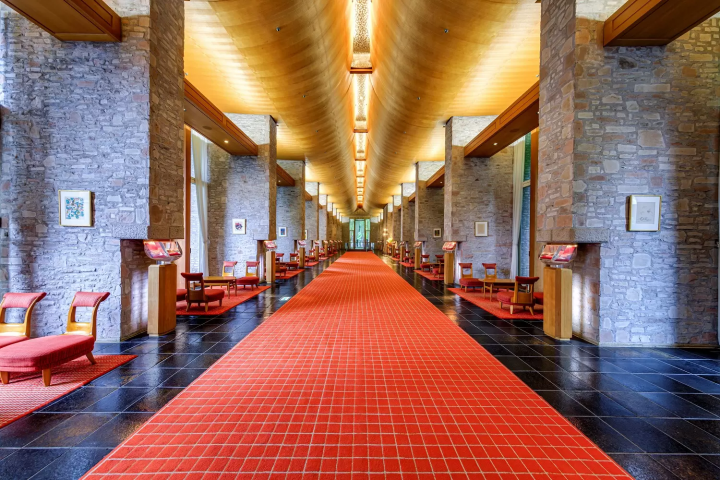
Nestled along the shores of Lake Ashi, The Prince Hakone Lake Ashinoko embodies the artistic and environmental ethos of the Hakone region. The Seibu Group’s involvement here began in 1956 with the creation of the Hakone International Village and foundational infrastructure. This culminated in the 1978 opening of the Hakone Prince Hotel, designed by master architect Togo Murano.
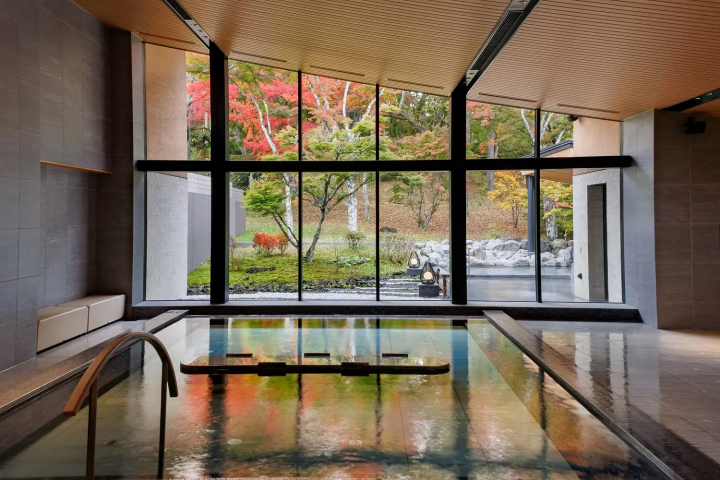
Murano’s architectural philosophy was radically conservationist for its era: the hotel was constructed with such precision that not a single mature tree or significant natural stone was displaced during the building process. The structure curves gracefully to hug the lakeshore, ensuring every vantage point frames the surrounding wilderness. Renamed The Prince Hakone in 2007 and updated to its current moniker in 2015, the property remains an architectural landmark.
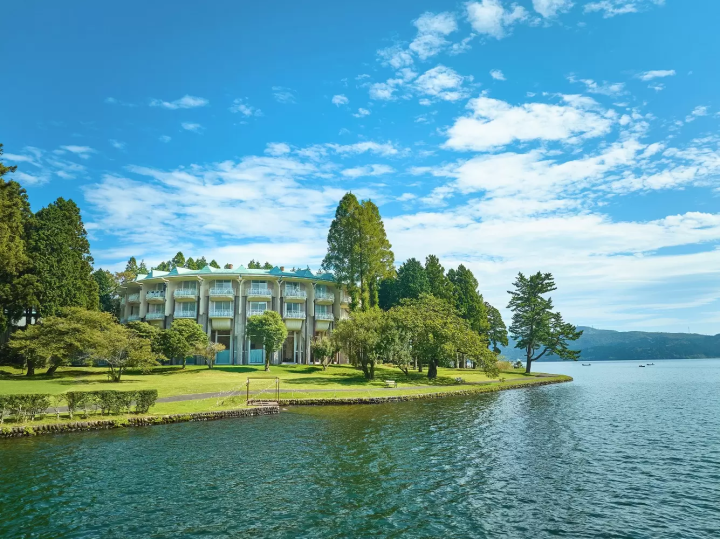
- Accommodations & Amenities: Offering unobstructed views of Lake Ashi and Mount Fuji, the hotel serves as an oasis for sensory restoration.
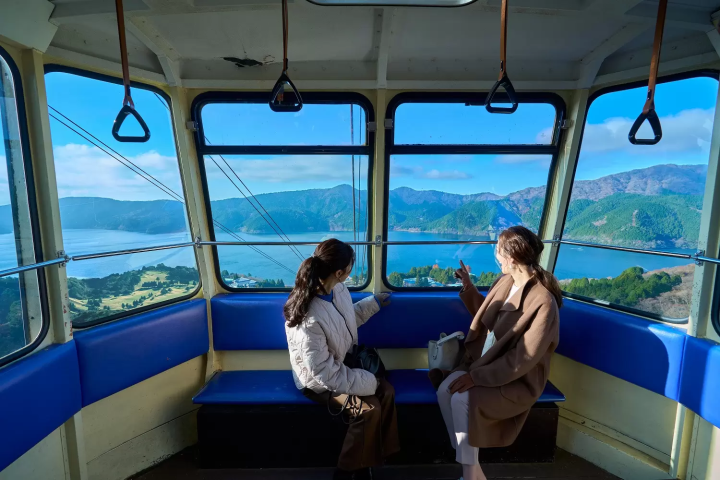
- Recreation: Guests enjoy close proximity to spiritual touchstones such as Hakone Shrine and Kuzuryu Shrine, alongside direct access to the Hakone Komagatake Ropeway, offering panoramic vistas of the surrounding volcanic caldera.
3. Naeba Prince Hotel: The Cultural Catalyst of Japan’s Winter Sports
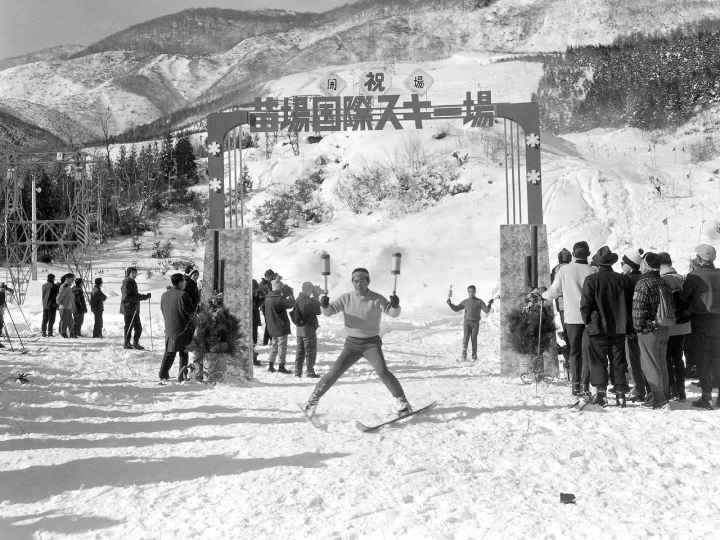
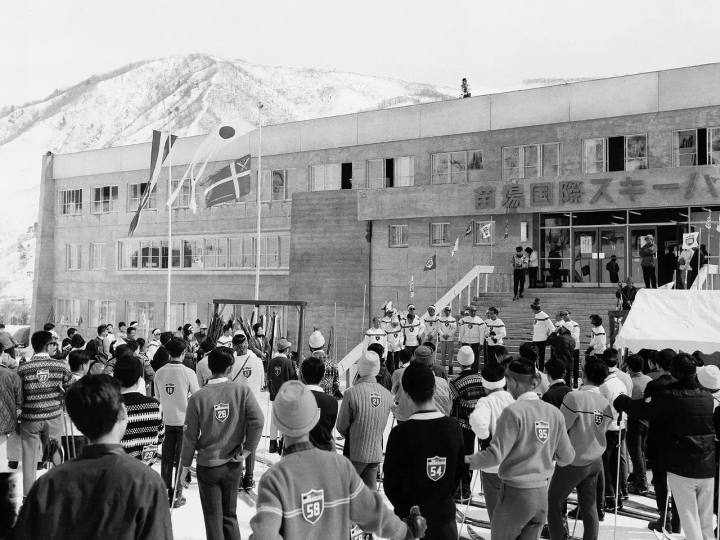
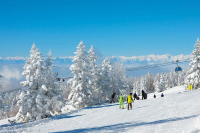
Long before international powder hounds discovered Japan’s legendary winter conditions, the Naeba Prince Hotel in Niigata Prefecture served as the beating heart of domestic ski culture. The estate’s history began in 1961 with the establishment of the Naeba Kokusai Ski Resort, followed by the opening of the Naeba Ski House in 1962. Officially rebranded as the Naeba Prince Hotel in 1972, the property gained global acclaim by hosting Japan’s first-ever FIS Alpine Ski World Cup in 1973.
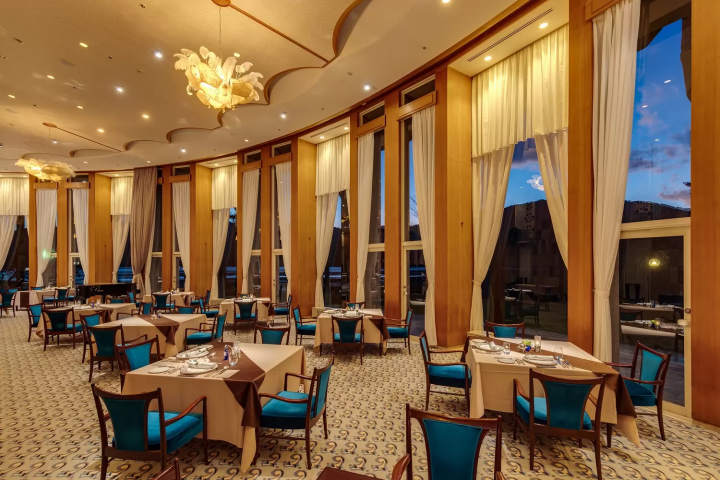
During the economic boom of the 1980s and 1990s, Naeba transcended its status as a ski hotel to become a defining cultural touchstone. It served as the iconic venue for Yumi Matsutoya’s legendary annual "SURF & SNOW" winter concert series and later evolved into the summer home of the world-famous Fuji Rock Festival.
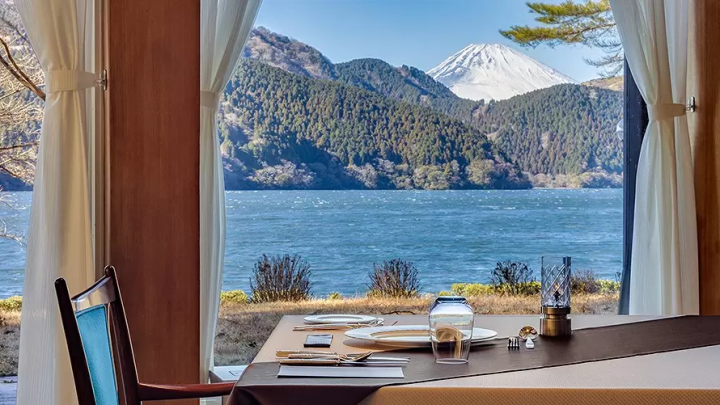
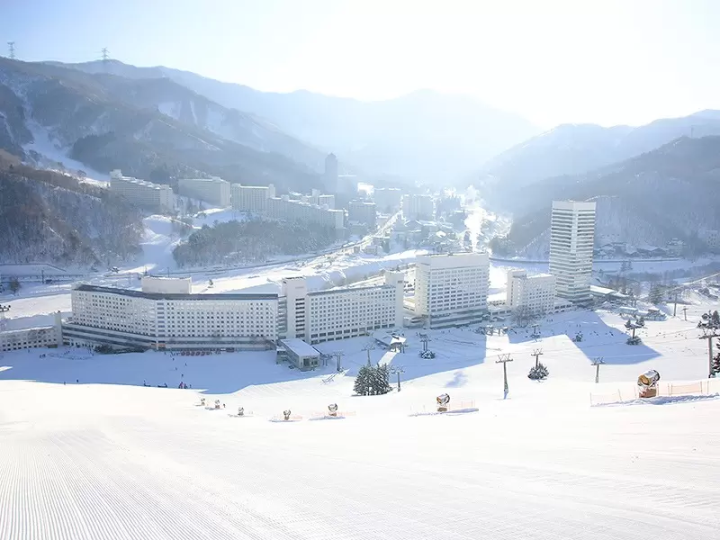
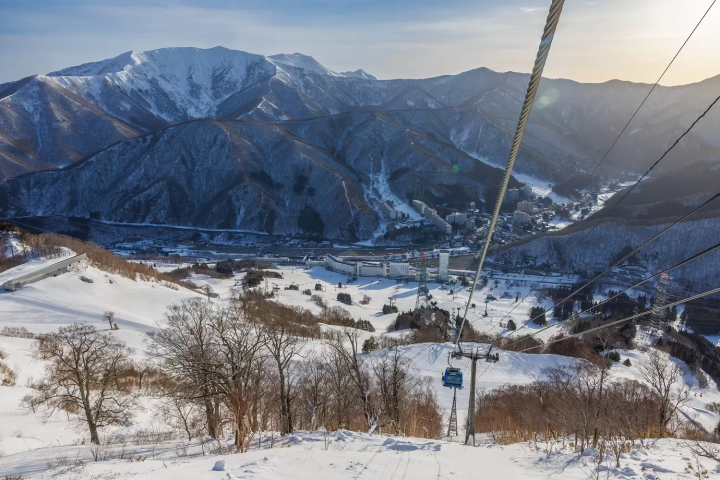
- Accommodations & Amenities: Naeba offers true ski-in/ski-out convenience, placing guests mere steps from the slopes. It also serves as the gateway to the Dragondola—Japan’s longest passenger ropeway—which provides breathtaking aerial views of Niigata’s autumn foliage and winter wonderland.
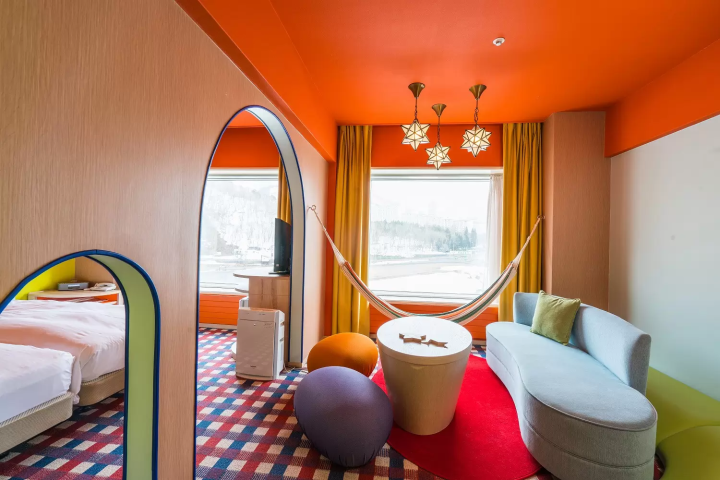
- Recreation: Featuring whimsical themed quarters like the playful Yu ROOM, diverse international dining, and soothing natural hot springs, Naeba delivers a dynamic, multi-seasonal alpine experience.
4. Kawana Hotel: A Century of Legendary Coastal Hospitality
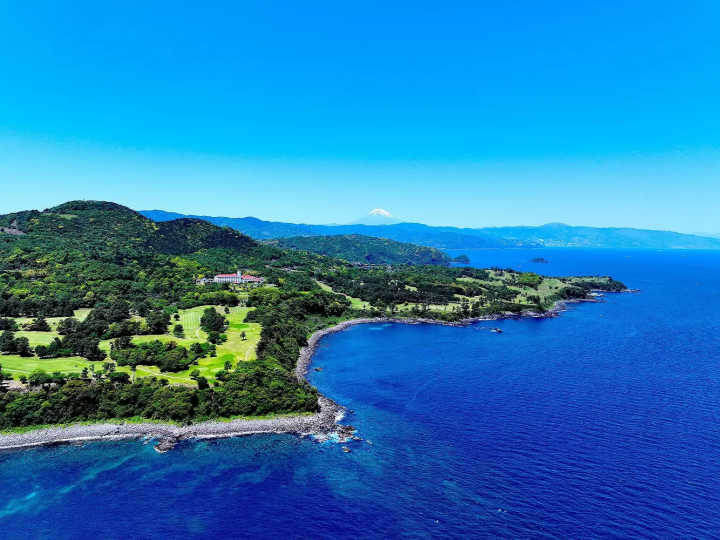
Mention the Kawana Hotel to any connoisseur of Japanese hospitality, and it evokes an immediate sense of timeless prestige. Located on the dramatic cliffs of the Izu Peninsula, the hotel traces its origins to the late 1920s, when it was conceived as a private estate for Baron Kishichiro Okura. Designed with architectural sensibilities inspired by classical British country houses, it officially opened as a luxury hotel in 1936.
┌────────────────────────────────────────────────────────┐
│               KAWANA HOTEL: KEY MILESTONES             │
├──────────────────┬─────────────────────────────────────┤
│ Late 1920s       │ Built as private estate of Baron    │
│                  │ Kishichiro Okura                    │
├──────────────────┼─────────────────────────────────────┤
│ 1936             │ Official grand opening as a luxury  │
│                  │ hotel                               │
├──────────────────┼─────────────────────────────────────┤
│ 1954             │ Honeymoon destination for Marilyn   │
│                  │ Monroe and Joe DiMaggio             │
├──────────────────┼─────────────────────────────────────┤
│ 2002             │ Integration into the Seibu Group    │
└──────────────────┴─────────────────────────────────────┘
The property gained international fame through its world-class, oceanfront golf courses—sacred grounds for golf purists—and its guest registry, which includes global political figures and cultural icons. Most famously, Marilyn Monroe and Joe DiMaggio chose the Kawana Hotel for their honeymoon in 1954, cementing its status in international travel lore.
- Accommodations & Amenities: The hotel preserves its 1930s grandeur, anchored by the iconic Sun Parlor, a light-filled lounge where visitors have gathered for generations to gaze across the Pacific Ocean.
- Recreation: Beyond championship golf, guests can indulge in classic Anglo-Japanese culinary traditions and unwind in mineral-rich hot springs overlooking the ocean horizon.
5. Grand Prince Hotel Takanawa: Imperial Heritage in the Heart of Tokyo
Situated just a five-minute stroll from Shinagawa Station, the Grand Prince Hotel Takanawa offers a tranquil urban sanctuary built upon an extraordinary historical foundation. The estate occupies the former grounds of the Takeda-no-miya imperial residence. It first opened its doors in 1953 as the Shinagawa Prince Hotel before being renamed the Takanawa Prince Hotel.
During the 1970s, the property unveiled its defining horticultural masterpiece: a 20,000-square-meter Japanese garden designed by Teiji Kusuoka, the celebrated landscape architect renowned for his work on the Tokyo Imperial Palace. Rebranded as the Grand Prince Hotel Takanawa in 2007, the property seamlessly blends royal heritage with contemporary urban hospitality.
- Accommodations & Amenities: The estate incorporates historic architectural preservation directly into its layout. Guests can explore centuries-old cultural assets situated within the gardens, including the historic Kannon-do Hall, the original Main Gate, and a ceremonial Bell Tower.
- Recreation: The property features the historic Kihinkan (VIP Guest House), exclusive executive club lounges overlooking pristine greenery, and sophisticated dining that reflects Tokyo’s status as a global culinary capital.
Supporting Context & Portfolio Metrics
The enduring strength of Seibu Prince Hotels & Resorts lies not only in its storied heritage, but in its strategic diversification and operational scale. Across its portfolio, the brand manages properties categorized into distinct tiers—ranging from ultraluxury flagships like The Prince Gallery Tokyo Kioicho and traditional sukiya-style inns such as Sanyo-so in Izu-Nagaoka Onsen, to nature-immersive mountain and coastal resorts.
| Portfolio Dimension | Key Attributes & Impact |
|---|---|
| Historical Estates | Repurposed aristocratic and imperial properties conserving over 70 years of Japanese resort heritage. |
| Geographic Spread | Prime urban centers (Tokyo, Kyoto) to premier scenic regions (Karuizawa, Hakone, Niigata, Izu). |
| Integrated Offerings | Combination of luxury lodging, championship golf courses, ski infrastructure, and retail plazas. |
Future Outlook: Preserving Heritage while Driving Innovation
As global tourism enters a new era defined by a demand for authentic, experiential travel, Seibu Prince Hotels & Resorts is uniquely positioned to lead the market. The brand’s foundational philosophy—preserving cultural and historical treasures while creating contemporary value—resonates strongly with modern travelers seeking substance alongside luxury.
Moving forward, Seibu Prince Hotels & Resorts continues to invest in sustainable modernization, upgrading infrastructure while honoring the architectural integrity of masters like Togo Murano and Teiji Kusuoka. By bridging Japan’s storied imperial and aristocratic past with forward-thinking hospitality standards, the brand ensures that each stay is not merely a hotel visit, but an invitation to step inside living history.
Sponsored by Seibu Prince Hotels & Resorts
All imagery courtesy of Seibu Prince Hotels & Resorts




Belum ada komentar. Jadilah yang pertama berkomentar!