

Executive Overview
In the fast-paced landscape of digital media, few platforms occupy as dominant and culturally pervasive a position as YouTube. As the undisputed titan of user-generated video content, the platform stands at a perpetual crossroads between open expression, corporate responsibility, and the massive global economy it has inadvertently spawned. In an expansive annual address directed at the global creator community, YouTube leadership has pulled back the curtain on a transformative 2018—a period defined by staggering platform growth, difficult internal reckonings, and a renewed strategic focus for the year ahead.
Reflecting on an "unprecedented" 2018, platform executives acknowledged that while the creator economy reached historic economic milestones, the year was equally marked by turbulent growing pains. From the unprecedented backlash over the critically panned "YouTube Rewind 2018" to intense regulatory battles in Europe and ongoing struggles with brand safety, the video-sharing giant faced severe tests to its core infrastructure and community trust.
Entering 2019, YouTube has outlined three foundational pillars designed to steer the platform through its next chapter: supporting creator and artist success, radically improving communication and engagement, and living up to its growing corporate responsibility. This deep-dive investigation examines the metrics, policy shifts, and strategic initiatives shaping the world’s largest video ecosystem as it attempts to balance hyper-growth with sustainable governance.
Detailed Chronology: Navigating Growth and Controversy in 2018
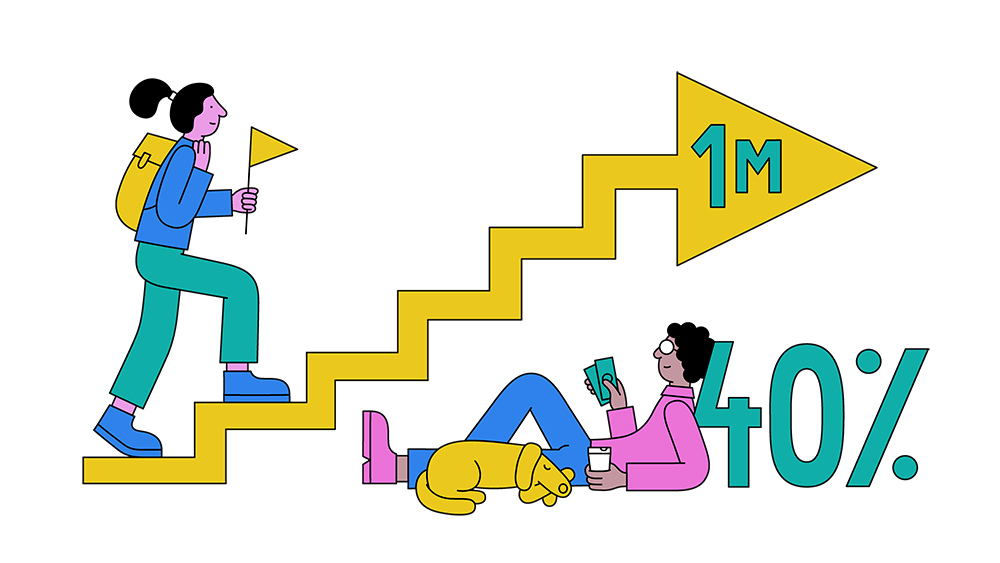
The narrative of YouTube in 2018 cannot be told without examining the stark contrast between its financial triumphs and its cultural missteps. At the macro level, the creator economy thrived. Channels boasting over one million subscribers nearly doubled over the course of twelve months, while the cohort of creators earning five or six figures grew by more than 40 percent. These figures underscore a profound structural shift: YouTube is no longer merely a repository for amateur clips; it is the incubator for the next generation of global media conglomerates.
However, this commercial expansion occurred against a backdrop of severe cultural and operational friction. The year’s lowest cultural ebb arrived in December with the release of YouTube Rewind 2018. Intended as a celebratory retrospective of the year’s top trends and creators, the video was met with universal disdain, ultimately capturing the dubious distinction of becoming the most disliked video in internet history. Acknowledging the widespread criticism—even from within executive households—leadership admitted that the production failed to reflect the true pulse of the community or capture the platform’s defining moments.
Concurrently, 2018 served as a harsh lesson in how the malicious actions of a minority of bad actors could destabilize the broader ecosystem. Controversies surrounding platform security, brand safety, and algorithmic recommendations forced YouTube into a defensive posture. Throughout the year, the platform rolled out aggressive product and policy interventions, ranging from contextual information cards addressing viral conspiracy theories to breaking news shelves curated from authoritative journalistic sources. These measures were paired with swift, sometimes punitive consequences for creators whose off-platform or on-platform actions jeopardized the fragile trust cultivated with users and blue-chip advertisers.
Supporting Creator and Artist Success: Monetization, Diversification, and the Article 13 Battle
At the heart of the creator relationship is financial viability. Throughout 2018, monetization remained a central pain point, heavily influenced by the aftermath of the massive advertiser boycotts that closed out 2017.
Rebuilding Advertiser Confidence and Refining Classifiers
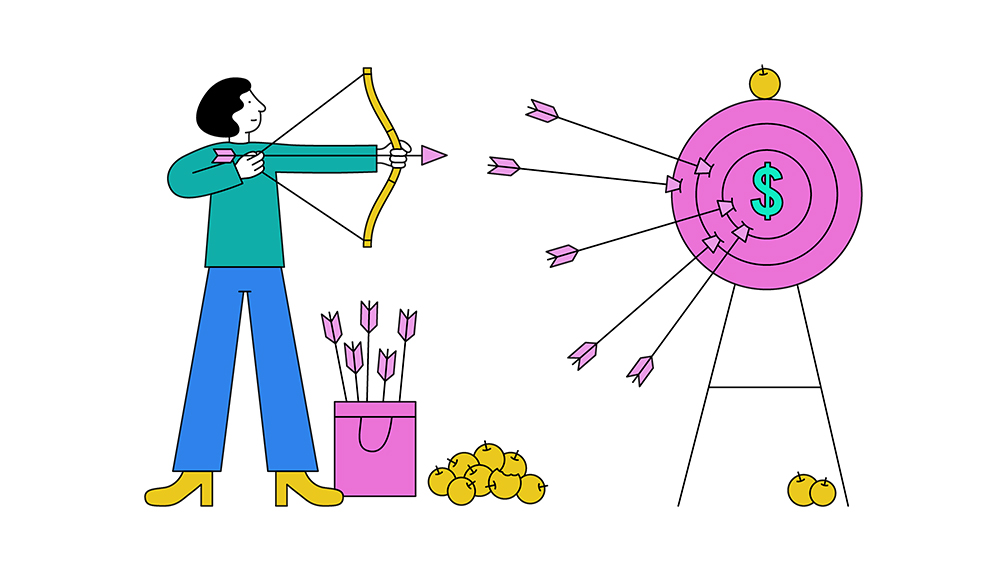
At the start of 2018, many of YouTube’s largest revenue-generating brand partners had paused spending due to concerns over brand safety. YouTube responded by dedicating substantial engineering resources to overhaul its systems, deploying advanced machine learning classifiers designed to make nuanced, accurate monetization decisions for individual videos. According to platform metrics, these efforts increased the accuracy of monetization icons by 40 percent, alongside streamlined appeal processes for creators who felt penalized by algorithmic misfires. While executives readily admit that the system remains imperfect, the vast majority of mainstream advertisers have successfully returned to the platform.
Expanding Beyond Ad Revenue
Recognizing the inherent volatility of relying solely on advertising, YouTube aggressively expanded alternative revenue streams in 2018. Subscription models like YouTube Music and YouTube Premium saw a massive geographic rollout, expanding from just five countries at the start of the year to 29 by year’s end.
Furthermore, the platform lowered entry barriers for native monetization features. The Merchandise shelf was opened globally to all eligible creators, while the subscriber threshold for Channel Memberships was slashed from 100,000 down to 30,000. These tools, alongside Super Chat and ticketing integrations, represent a concerted push to help creators build diversified, resilient business models.
The Specter of Article 13
No review of 2018 would be complete without addressing the fierce legislative battle surrounding the European Union’s proposed Copyright Directive, specifically Article 13. The regulation sparked widespread panic across the creator ecosystem, with independent producers warning that mandatory automated upload filtering would systematically censor content and threaten the livelihoods of millions of European creators.
YouTube heavily praised the grassroots mobilization of its creator base, noting that explanatory videos generated hundreds of millions of views, while a Change.org petition opposing the measure amassed a near-record 4.6 million signatures. Executives noted that during lobbying efforts in Strasbourg, policymakers were often intimately familiar with the demands of legacy media conglomerates but entirely blind to the economic footprint of the European creator economy—a sector boasting a 70 percent year-over-year increase in channels surpassing one million subscribers. As the legislative process nears its final weeks, the platform has urged creators to maintain pressure on lawmakers.
Improving Communication, Engagement, and Community Infrastructure
For years, the historical friction point between YouTube management and its creator base has been a perceived lack of transparency and open dialogue. In 2018, leadership took tangible steps to bridge this divide through infrastructural upgrades and personal outreach.
The Rollout of YouTube Studio and Enhanced Support
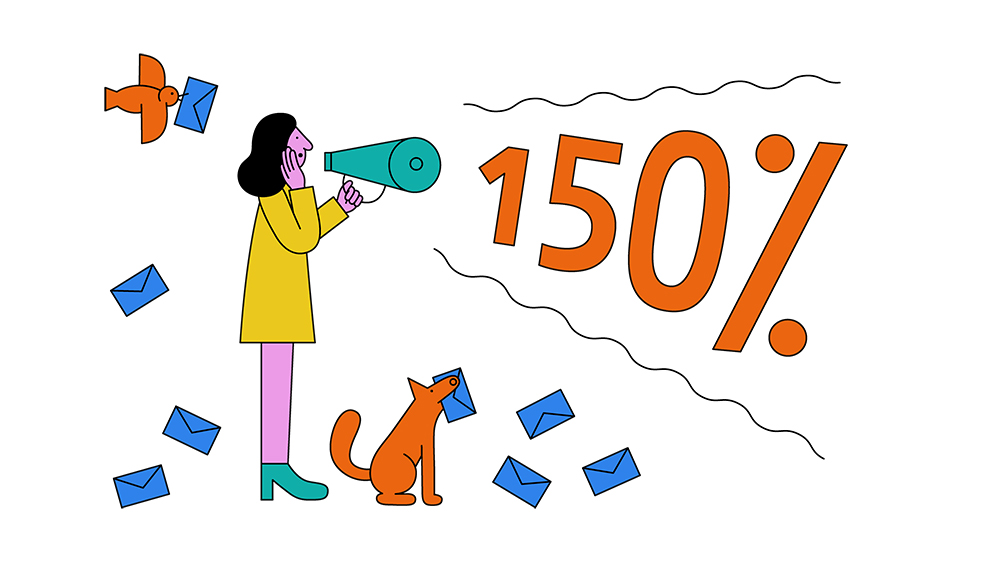
The introduction of YouTube Studio served as a major step forward in creator tooling, providing a centralized dashboard equipped with advanced analytics, news widgets, and deeper metrics—such as thumbnail click-through rates. Simultaneously, YouTube fundamentally restructured its public relations approach, increasing its social media response volume by 150 percent and cutting response times in half.
On the ground, YouTube executives engaged directly with the community, hosting over 480 events reaching more than 18,000 creators through Fanfests, Creator Summits, and specialized workshops.
Fostering Deeper Audience Engagement
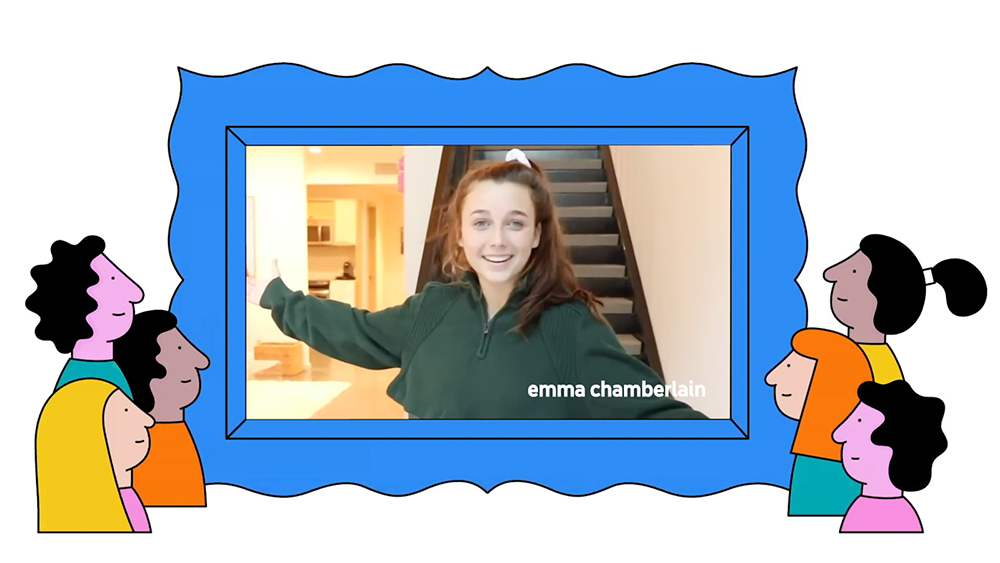
Moving beyond traditional broadcast models, YouTube heavily prioritized features designed to cultivate active, real-time communities. The introduction of the Premieres feature allowed creators to co-experience new video drops with their audiences. High-profile creators like Lele Pons and Emma Chamberlain leveraged the tool to rack up millions of views, while pop superstar Ariana Grande shattered platform records when her single "thank u, next" drew 829,000 concurrent viewers interacting simultaneously.
To further tighten the feedback loop between creators and fans, YouTube expanded Stories to all eligible channels with over 10,000 subscribers, and opened up Community posts to channels crossing the 1,000-subscriber milestone. With billions of comments processed throughout the year, the platform rolled out upgraded comment-ranking algorithms, introduced @mentions, and deployed automated tools in ten languages allowing creators to hold potentially inappropriate comments for manual review.
Living up to Responsibility: News, Ethics, and Education
As YouTube matures into a critical piece of global digital infrastructure, executive leadership has positioned corporate responsibility as an existential imperative rather than a secondary compliance check.
Elevating Quality Journalism and Combating Misinformation
With a surging population of users turning to YouTube as their primary source for daily news, the platform enacted sweeping structural changes. Beyond refining content moderation to aggressively purge policy-violating material—as detailed transparently in the company’s enforcement reports—YouTube heavily invested in the journalism ecosystem.
Through the Google News Initiative YouTube Innovation Funding program, the platform awarded grants to 87 international news organizations out of hundreds of applicants, explicitly funding the expansion of their digital video production capabilities. Additionally, breaking news and top news shelves were expanded to 31 countries, ensuring that users searching for fast-breaking global events are systematically directed to authoritative journalistic sources.
Philanthropy and the Rise of Educational Content
Demonstrating the platform’s capacity for social good, 2018 saw unprecedented momentum in charitable giving. More than 40 prominent creators banded together to support eight distinct charities via the YouTube Giving framework, culminating in the inaugural #YouTubeGiving Week in November.
Concurrently, YouTube recognized the explosive organic growth of educational and instructional content. The platform established a dedicated Learning Fund, awarding financial grants to 65 creators selected from over 1,000 submissions to develop multi-session educational curricula. This initiative was bolstered by international EduCon conferences spanning the United States, Mexico, Brazil, India, and the United Kingdom, cementing YouTube’s evolution into a premier global classroom.
Future Outlook: The Road Ahead in 2019
As YouTube charts its course through 2019, the platform finds itself walking a tightrope of competing demands. On one side lies the imperative to protect corporate brand safety, satisfy stringent global regulators, and maintain platform integrity through aggressive moderation. On the other side stands a massive, fiercely independent community of creators who demand operational transparency, fair monetization, and creative freedom.
The strategic roadmap for the coming year is clear: refine monetization classifiers to minimize false positives, expand alternative revenue pipelines, deepen direct communication channels, and scale educational and journalistic partnerships. While the challenges of managing the world’s largest video-sharing ecosystem are bound to generate friction, leadership remains steadfast in its belief that open dialogue and community feedback are the ultimate catalysts for progress. For the millions of creators who rely on the platform for their livelihoods, 2019 promises to be another defining year of evolution, adaptation, and shared resilience.





Belum ada komentar. Jadilah yang pertama berkomentar!