

Executive Overview
The digital creator economy has matured far beyond simple entertainment, evolving into a potent force for global philanthropy. Today marks the official kickoff of the final sprint in YouTube’s annual "Season of Giving"—a concentrated period where digital creators from across the globe mobilize their massive audiences to raise millions of dollars and drive critical awareness for causes closest to their hearts. Over the past few weeks, the platform has played host to a wave of digital generosity, but this week marks a massive escalation. Through synchronized livestreams, high-profile cross-channel collaborations, and unprecedented community events, the YouTube ecosystem is channeling its collective influence into tangible, real-world change.
As traditional media models shift and fragment, platforms like YouTube have demonstrated an unparalleled capacity to organize rapid-response charitable campaigns. From medical research funding to massive environmental reforestation initiatives and educational equity programs, content creators are leveraging their unique bonds with viewers to drive unprecedented engagement. This comprehensive report examines the mechanics, scale, and cultural significance of YouTube’s Season of Giving, highlighting landmark events such as The Game Theorists’ marathon St. Jude fundraiser, the final push of the viral #TeamTrees campaign, and the broader ecosystem of giving that defines the platform’s end-of-year calendar.
Detailed Chronology: A Week of Unprecedented Digital Generosity
The crescendo of the Season of Giving is characterized by a meticulously coordinated series of high-impact events designed to capture the attention of millions of concurrent viewers.
Giving Tuesday: The Game Theorists Take Over for St. Jude
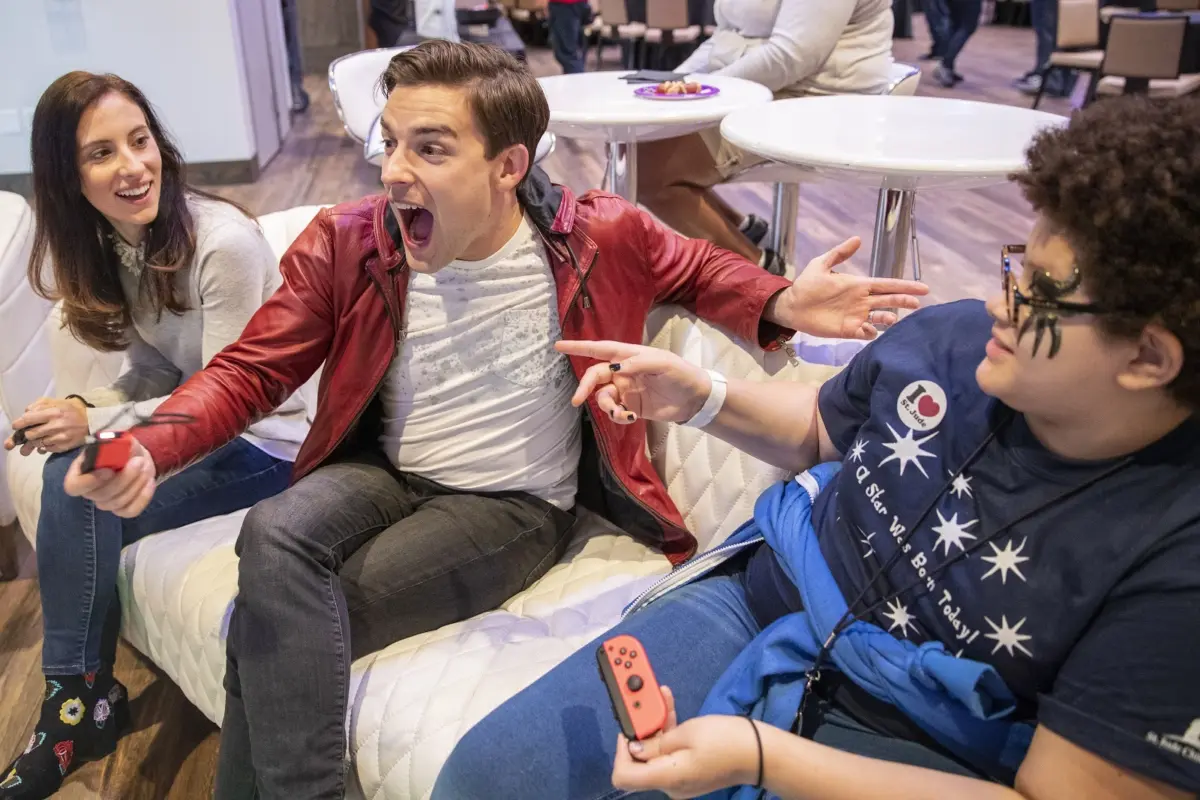
Kicking off at 10:00 a.m. PT, Giving Tuesday witnessed one of the most ambitious digital fundraising efforts in streaming history. MatPat and Stephanie Patrick, the creative minds behind the powerhouse channel The Game Theorists, hosted an all-day, 9-hour live broadcast dedicated entirely to supporting St. Jude Children’s Research Hospital and its mission to defeat childhood cancer and other life-threatening illnesses.
The scale of the broadcast was unprecedented, drawing upon a veritable who’s who of digital entertainment. The livestream featured live appearances, remote collaborations, and special segments from an elite roster of creators, including:
- Binging with Babish
- The Completionist
- Dawko
- Jackie Aina
- Kyle Hill (Because Science)
- Markiplier
- Miranda Sings
- NateWantsToBattle
- TheOdd1sOut
- Rhett and Link
- Rosanna Pansino
- SomethingElseYT
- The Try Guys
- VSauce3
Adding an electrifying element of interactive philanthropy, Scott Cawthon—the visionary creator behind the globally renowned Five Nights at Freddy’s franchise—upped the stakes dramatically. Cawthon committed to a personal, out-of-pocket donation of $500,000 to St. Jude on one condition: that the global fan community successfully uncovered hidden easter eggs within a custom, unreleased game built specifically for the event, and did so within one hour of the game going live. Armed with this high-stakes challenge, MatPat, Markiplier, Dawko, and thousands of real-time sleuths dove headfirst into the digital puzzle, turning passive viewers into active participants in a half-million-dollar charitable contribution.
The Final Stretch of #TeamTrees
While livestreams dominated Giving Tuesday, the closing weeks of the year also marked the dramatic finale of #TeamTrees, the historic environmental campaign spearheaded by Jimmy Donaldson (MrBeast) and former NASA engineer Mark Rober. Launched with a deceptively simple premise—raising $20 million to plant 20 million trees by January 1, 2020—the campaign captured the global imagination at a grassroots level.
Operating on the foundational rule that every single dollar donated equaled one tree planted, the initiative shattered early expectations. Within an astonishing 48 hours of its launch, #TeamTrees secured $5 million in contributions. By the end of its first week, creators and fans had uploaded more than 3,800 dedicated videos carrying the #TeamTrees tag, transforming the platform into a decentralized global forestation rally. As the campaign enters its final countdown with just a fraction of its goal remaining, it stands as a testament to the compounding power of micro-donations and community-driven momentum.
Broader Ecosystem: From Project for Awesome to Khan Academy
Beyond these headline-grabbing tentpoles, the Season of Giving has served as an umbrella for a diverse array of independent and institutional philanthropic efforts across YouTube. Among them is the 13th annual Project for Awesome, hosted by educational visionaries Hank and John Green (vlogbrothers), which continues to distribute millions of dollars to charities selected by the community.
Concurrently, educational heavyweights like Khan Academy launched targeted livestreams such as "All in for Education" to close funding gaps in virtual learning, while animal welfare organizations like Hope For Paws utilized the platform’s reach to showcase rescue operations and secure vital operational funding. To streamline discovery, YouTube curated an official playlist highlighting top-tier fundraisers, ensuring that viewers could easily navigate from entertainment to altruism.

Supporting Context & Metrics: The Mechanics of Modern Philanthropy
The transition of YouTube from a video-sharing repository to a philanthropic powerhouse is supported by advanced platform infrastructure, shifting consumer demographics, and hard data.
The Rise of Integrated Giving Tools
In the early days of online fundraising, creators faced significant friction: directing viewers to external donation links often resulted in drop-offs, security concerns, and a lack of real-time tracking. Recognizing this barrier, YouTube systematically integrated native fundraising features—such as YouTube Giving—directly into the streaming interface. This allows viewers to donate to verified 501(c)(3) organizations without ever leaving the video player or livestream interface.
Real-time donation tickers, milestone visualizers, and interactive chat integrations have turned passive viewership into a gamified, communal experience. When a viewer sees a live progress bar tick upward by thousands of dollars following a creator’s call to action, the psychological reinforcement creates an immediate impulse to participate.
Quantifying the Impact
The metrics associated with YouTube-led charity events rival—and often surpass—traditional corporate telethons:
- Velocity of Capital: Campaigns like #TeamTrees proved that digital communities can mobilize millions of dollars within hours rather than months. The initial $5 million raised in 48 hours outpaced many traditional philanthropic rollouts.
- Global Reach and Localization: Unlike localized television broadcasts, YouTube’s audience spans geographical borders. Donations for St. Jude and #TeamTrees originated from over 100 countries, proving that digital philanthropy transcends linguistic and cultural boundaries.
- Viewer-to-Donor Conversion: Engagement metrics consistently show that creator-led appeals enjoy significantly higher trust metrics among Gen Z and Millennial demographics compared to institutional advertising, leading to superior conversion rates.
Official Statements & Community Perspectives
The profound cultural shift occurring within the platform has not gone unnoticed by leadership and the creative community alike. Industry leaders emphasize that philanthropy is no longer an ancillary hobby for creators, but a core pillar of their identity and connection with fans.
"The spirit of generosity and support is one of the things that makes our community so special," noted a representative from YouTube’s creator partnerships division. "On behalf of everyone at YouTube, we want to extend our deepest gratitude to all of the creators, fans, and friends who are using their voices, their platforms, and their time to make the world a better place."
For creators like MatPat of The Game Theorists, the motivation stems from the sheer scale of good that can be achieved when digital fandoms are pointed in a positive direction. "When you bring together communities that are deeply passionate about gaming, science, or entertainment, you aren’t just building an audience—you’re building a coalition capable of moving mountains," MatPat remarked during preparations for the St. Jude broadcast. "Partnering with hospitals like St. Jude and legendary developers like Scott Cawthon allows us to turn play into purpose."
Similarly, environmental crusaders have continually underscored that internet culture possesses a unique capacity for collective action. Mark Rober and MrBeast have repeatedly emphasized that #TeamTrees succeeded precisely because it proved that everyday internet users, regardless of their financial status, could band together to tackle macro-level existential challenges like climate change.
Future Outlook: The Evolution of Digital Altruism
As we look beyond the current Season of Giving and toward the future of the digital economy, several key trends are poised to shape how creators engage with philanthropy:
- Mainstream Institutional Integration: Traditional non-profits and research institutions are increasingly restructuring their outreach strategies to prioritize digital-first creators over legacy celebrity endorsements. The authenticity and direct audience relationship inherent to YouTubers make them far more effective ambassadors for modern causes.
- Technological Enhancements in Live Giving: Future iterations of platform infrastructure will likely incorporate augmented reality (AR), blockchain-verified donation transparency, and deeper cross-platform synchronization, making it even easier for global audiences to audit and participate in charity streams.
- Year-Round Philanthropy: While events like Giving Tuesday and end-of-year holidays remain focal points, the success of episodic charity streams has normalized philanthropy as a year-round component of content creation. Creators are increasingly embedding ongoing charitable goals into their regular upload schedules.
In conclusion, YouTube’s Season of Giving is much more than a seasonal marketing initiative; it is a profound demonstration of the digital age’s new social contract. By uniting millions of viewers through shared digital experiences, creators are redefining what it means to build a community—proving that the collective attention of the internet, when harnessed for good, has the power to change the world.






Belum ada komentar. Jadilah yang pertama berkomentar!