

Executive Overview
The Yu-Gi-Oh! Trading Card Game (TCG) and Official Card Game (OCG) competitive ecosystems are constantly evolving, driven by strategic shifts, dynamic banlists, and highly anticipated product refreshes. Recently, official channels for Yu-Gi-Oh! Asia released a wave of exciting card reveals for the upcoming product code CR13, sending ripples of excitement through both casual and competitive communities.
At the center of these revelations are beloved legacy archetypes and iconic monsters that have defined eras of competitive play. The newly confirmed inclusions span across multiple interconnected celestial factions—Constellar, Satellarknight, and Tellarknight—alongside a standalone powerhouse and timeless fan-favorite, Jinzo.
This comprehensive report breaks down the newly announced cards for Set CR13, analyzes their historical and mechanical significance, explores their synergy within modern and historical deck-building paradigms, and provides an authoritative outlook on how these reprints and inclusions will impact collectors and duelists across the Asian market and beyond.
Detailed Chronology of the CR13 Reveals
The rollout of card reveals for Set CR13 has been executed through a carefully timed series of announcements via official social media channels, generating sustained engagement and speculative excitement within the community. Below is the chronological breakdown of how the card pool was unveiled:
Phase 1: The Celestial Vanguard – Constellar Monsters
The initial wave of reveals focused on the celestial protectors of the duel terminal universe, the Constellar archetype. Known for their light-attribute synergy and focus on Xyz summoning powerful rank-bound monsters, three core cards were confirmed:
- CR13-AE066: Constellar Sombre
- CR13-AE070: Constellar Caduceus
- CR13-AE073: Constellar Castor
These monsters represent the backbone of Constellar strategies, offering swarming capabilities, graveyard recursion, and crucial search power that historically allowed them to rival top-tier strategies of their era.
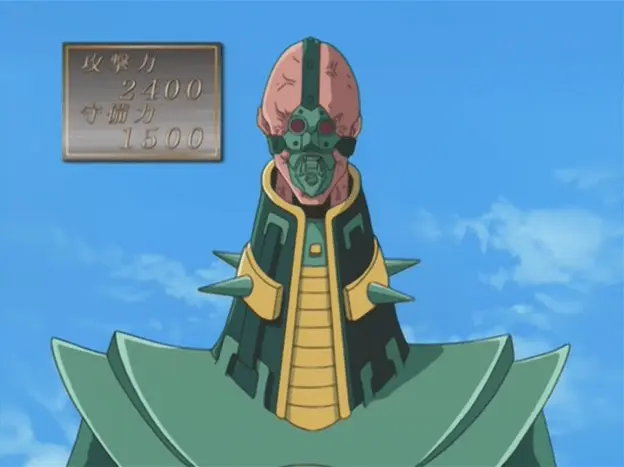
Phase 2: The Tech Disruptor – Jinzo
Following the Constellar reveals, Konami shifted focus to a legendary disruptor from the classic Yu-Gi-Oh! Duel Monsters anime series. Immortalized by Marik Ishtar and Joey Wheeler’s unforgettable duels, the iconic psychic machine stepped into the spotlight:
- CR13-AES03: Jinzo
As a specialized anti-Trap monster, Jinzo’s inclusion in Set CR13 underscores the set’s dedication to honoring classic design while providing players with timeless utility pieces.
Phase 3: The Starry Knights of Justice – Satellarknight Monsters
Continuing the celestial theme, the announcement quickly pivoted to the crossover lore and combat prowess of the Satellarknight archetype. Originating from the Duelist Alliance era, these warriors of the night sky defined a standard for fluid, disruption-heavy Xyz toolbox strategies:
- CR13-AE067: Satellarknight Deneb
- CR13-AE068: Satellarknight Altair
- CR13-AE069: Satellarknight Vega
The inclusion of Deneb—the ultimate archetype searcher—alongside Altair’s graveyard revival and Vega’s hand-deployment effect guarantees that players will have access to the foundational pieces required to execute classic "Telarknight" loops.
Phase 4: Expanding the Constellation – Tellarknight Monsters
The final wave of reveals rounded out the celestial pantheon by introducing modern evolutions and specialized support members from the Tellarknight lineup:
- CR13-AE071: Tellarknight Altairan
- CR13-AE072: Tellarknight Lyran
- CR13-AE074: Tellarknight Cygnian
These additions bridge the gap between older iterations of the deck and newer support waves, giving duelists modern tools to navigate contemporary boards while maintaining the thematic identity of the faction.
Supporting Context & Metrics: Archetype Analysis
To truly understand the impact of the CR13 set list, one must examine the mechanical DNA and historical performance of the featured cards. The intersection of Constellars, Satellarknights, and Tellarknights forms one of the most mechanically cohesive lore branches in Yu-Gi-Oh! history.
The Constellar Engine: Light and Order
Constellars debuted during the Duel Terminal arc and were designed to manipulate levels, generate Light-attribute swarm setups, and access high-Rank Xyz monsters like Constellar Ptolemy M7 and Constellar Pleiades.
- Constellar Castor provides the quintessential extra Normal Summon, breaking past summon restrictions to kickstart combos.
- Constellar Caduceus acts as a modern engine booster, providing search and protection effects.
- Constellar Sombre serves as the ultimate recovery card, banishing a light and a dark monster from the graveyard to add a Constellar to the hand while resetting normal summon loops.
The Satellarknight Dominion: Resource Loops and Backrow Control
Few archetypes have achieved the sheer consistency and tournament pedigree of Satellarknights. Dominating competitive formats upon release, the deck relied on a minimalist monster lineup backed by an arsenal of powerful Trap cards (Stellarnova Alpha).
- Satellarknight Deneb is widely regarded as one of the best designed searchers in the game’s history, guaranteeing access to follow-up plays every single turn.
- Satellarknight Altair triggers upon summon to pull a Satellarknight back from the graveyard, instantly enabling Rank 4 Xyz plays during the turn it lands.
- Satellarknight Vega rounds out the trio by dropping another Satellarknight straight from the hand upon its normal or special summon.
The Evolution: Tellarknights
The integration of cards like Tellarknight Altairan, Tellarknight Lyran, and Tellarknight Cygnian demonstrates Konami’s ongoing commitment to retrofitting older lore into viable contemporary strategies. These monsters offer modern text clauses, allowing the classic swarm mechanics of the "Stellar" lineage to interact with contemporary summoning mechanics, interruption metrics, and graveyard setups.
The Timeless Anomaly: Jinzo
Standing apart from the celestial archetypes, Jinzo remains a monumental piece of Yu-Gi-Oh! history. While modern fast-paced formats rely heavily on monster effects and hand traps rather than traditional Set Traps, Jinzo’s passive lockdown against Trap cards continues to make it a devastating side-deck option or a centerpiece for specialized control strategies. Its inclusion in CR13 as a special rarity code (CR13-AES03) highlights its status as a collector’s masterpiece.
Official Statements and Community Reception
The release of the CR13 card list has generated immediate buzz across digital platforms, most notably within dedicated community hubs like the official Yu-Gi-Oh! Asia Discord server and community forums.
Community Engagement and Reactions
Duels enthusiasts and collectors have taken to social media to dissect every serial code and rarity implication.
- Collector Perspectives: High-rarity printings of legacy favorites like Constellar Pleiades counterparts and Jinzo always command significant attention from secondary market collectors. The inclusion of aesthetic favorites ensures that CR13 will be heavily targeted by collectors looking to foil out thematic deck cores.
- Competitor Insights: Rogue-tier and format historians have expressed excitement over the accessibility of core pieces like Satellarknight Deneb and Constellar Sombre. With community-driven time-wizard formats (formats celebrating specific historical eras of the TCG) growing in popularity worldwide, accessible printings of these cards fill an essential demand.
Konami’s regional representatives have emphasized that Set CR13 aims to bridge generational gaps, offering both seasoned veterans a nostalgic return to the height of the Duelist Alliance era and newer players an entry point into historically rich deck archetypes.
Future Outlook: The Road Ahead for CR13
As the release date for Set CR13 draws closer, the competitive and collecting landscapes are poised for noticeable shifts. Several key developments are expected to unfold in the wake of these reveals:
- Secondary Market Fluctuations: With official printings confirmed for fan-favorite searchers and iconic tech cards, older printings of Satellarknight and Constellar components may see price stabilization, making these beloved archetypes far more accessible for budget-conscious competitors.
- Expanded Format Viability: As players test the new Tellarknight additions alongside classic engines, theorycrafters are already working on updated deck lists. While Tier 1 meta dominance remains fiercely contested by modern powerhouse archetypes, updated support frequently pushes legacy decks comfortably into competitive Rogue territory.
- Upcoming Reveals: The drip-feed marketing campaign utilized for CR13 suggests that additional cards within the set have yet to be uncovered. Speculation is running high regarding whether other allied archetypes from the same lore cluster—such as Evilswarm—might receive complementary reprints or support in the final product lineup.
Conclusion
The unveiling of the Constellar, Satellarknight, Tellarknight, and Jinzo lineups for Set CR13 marks an exhilarating moment for the global Yu-Gi-Oh! community. By honoring the rich narrative and mechanical depth of the Duelist Alliance and Duel Terminal eras while making iconic cards accessible to a new generation of duelists, Konami continues to demonstrate a masterful understanding of its player base.
Whether you are a seasoned competitor looking to pilot a newly modernized star-knight strategy, a retro format enthusiast, or a dedicated collector hunting for pristine high-rarity versions of Jinzo, Set CR13 is shaping up to be an absolute must-watch release of the competitive calendar. Stay tuned to official channels and community Discord servers for ongoing updates as the full card list comes to light.
![[Chronicles] Sinful Spoils ep 3 Teaser](https://youganba.com/wp-content/uploads/2026/10/chronicles-sinful-spoils-ep-3-teaser-420x260.webp)





Belum ada komentar. Jadilah yang pertama berkomentar!