


Executive Overview
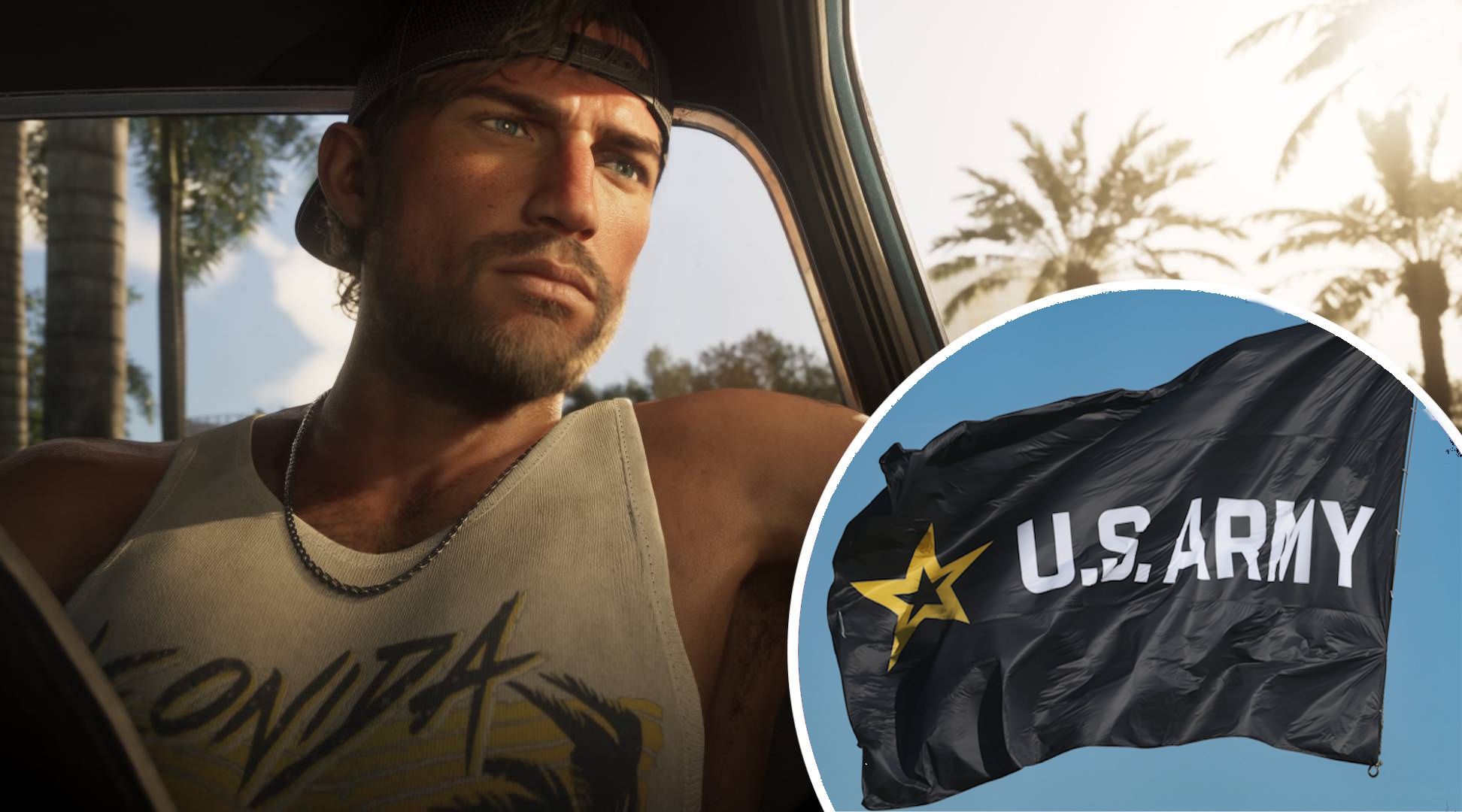
In a striking convergence of pop culture and military administration, the U.S. Army has found itself at the center of an internet-fueled firestorm following a leaked internal memorandum. The 3rd Infantry Division’s 9th Brigade Engineer Battalion has officially confirmed a unique "Special Reenlistment Incentive": soldiers who commit to a minimum two-year extension of service between August 1 and November 14, 2026, are authorized to receive a dedicated four-day pass.
The explicit purpose of this pass? To allow enlisted personnel uninterrupted time to experience the launch of Grand Theft Auto 6, arguably the most anticipated video game release in interactive entertainment history.
While initial documents surfaced via the popular Instagram account U.S. Army WTF! Moments, the strategy has quickly evolved from a localized battalion-level joke into a broader national conversation regarding troop morale, retention strategies, and the increasingly blurred lines between digital entertainment and military recruitment. Though critics have labeled the trade-off—trading multiple years of military service for a brief, four-day gaming window—as predatory or out-of-touch, military leadership defends the move. They cite it as a clever, morale-boosting initiative designed to meet fiscal year retention goals by speaking directly to the cultural interests of modern soldiers.
Detailed Chronology: From Internal Memo to Viral Phenomenon
The genesis of this unconventional retention strategy dates back to late summer 2025/2026, reflecting the constant pressure military commands face to keep veteran personnel within the ranks.
- July 28, 2026: A specialized "Special Reenlistment Incentive" memo is drafted within the ranks of the 3rd Infantry Division. Authored to address upcoming Fiscal Year 2027 (FY27) retention targets, the document outlines a creative approach to soldier retention. Rather than relying solely on traditional bonuses—such as monetary incentives or choice duty station selections—the command team coordinates with a newly arrived battalion career counselor to introduce a time-off incentive directly tied to the November release window of Grand Theft Auto 6.
- Early August 2026: The program officially goes live. The policy specifies that any qualified soldier within the 9th Brigade Engineer Battalion who signs a reenlistment contract ranging from two to six years prior to November 14, 2026, secures the specialized four-day pass.
- Mid-August 2026: The internal memo leaks into the public sphere, landing on niche military culture pages before being picked up by military-centric and gaming media outlets alike. The juxtaposition of a multi-year military commitment against the backdrop of a video game release instantly triggers viral social media discourse.
- Late August 2026: As public debate rages over the perceived value proposition of the incentive, battalion leadership reports concrete metrics. Out of a pool of roughly 130 eligible soldiers, initial tracking reveals that 20 personnel have officially locked in their reenlistment decisions using the GTA 6 pass option.
Supporting Context & Metrics: Retention, Culture, and the Digital Battlefield
To understand why the U.S. Army would leverage a video game for retention, one must examine the broader historical and systemic context of how the military interacts with gaming culture.
A Legacy of Digital Engagement
The U.S. military’s relationship with the gaming industry is extensive and spans nearly a quarter-century. In 2002, the Army launched America’s Army, a tactical multiplayer shooter designed explicitly as a public relations and recruitment tool in the wake of the Global War on Terrorism. While the official game eventually sunsetted, the ethos of meeting potential recruits and active-duty personnel on virtual battlegrounds persisted.
By 2018, the Army established a dedicated esports team operating under the Marketing and Engagement Brigade out of Fort Knox. This was followed by experimental streaming efforts on platforms like Twitch in 2020. Though those early streams faced intense public scrutiny and comment-section trolling regarding geopolitical events and military policy, the institution never abandoned its digital footprint. Tailoring retention policies around major cultural milestones like Grand Theft Auto 6 is merely the next logical step in an institutional effort to align with the generational habits of its workforce.
The Mathematics of the Incentive
From a strictly economic or contractual standpoint, critics have raised eyebrows at the exchange rate: a minimum two-year service extension traded for a four-day pass. In a climate where broader economic anxieties, rising living costs, and employment uncertainties heavily influence career choices, some analysts argue that capitalizing on a blockbuster piece of entertainment exploits the vulnerabilities of young enlisted personnel.
However, internal military defenders offer a different perspective. Career counselors note that the GTA 6 pass is not a standalone replacement for standard, legally mandated bonuses or career advancement opportunities. Instead, it functions as an administrative bonus—a localized, high-morale perk layered on top of whatever standard financial or geographical incentives a soldier is already qualified to receive based on their Military Occupational Specialty (MOS).
Furthermore, unlike civilian prospective recruits who may be swayed by flashy marketing without fully grasping the gravity of military service, the pool of candidates for this specific program are already seasoned professionals. These are trained, qualified service members who are already navigating their reenlistment windows.
Official Statements and Leadership Perspective
Addressing the swirling controversy and media attention, Lieutenant Colonel Angel Tomko provided clarity on the objectives behind the battalion’s unique initiative.
"The idea was to have a unique incentives program that connects to what soldiers are interested in," Lt. Col. Tomko explained. "The command team, in conjunction with the career counselor, wanted to get soldiers excited to reenlist. The command team thinks eligible soldiers are more aware that they are in their window for reenlistment and engage their leadership and the career counselor earlier to see available opportunities."
Tomko emphasized that the program was born from the grassroots creativity of a new battalion career counselor aiming to hit FY27 retention metrics in a fresh way. While the concept generated significant outside criticism across social media platforms, leadership maintains that the internal response has been overwhelmingly positive.
"The heightened interest in the press does not change the purpose of the program: to reward dedicated soldiers for service to their nation," Tomko stated. "Every soldier who is eligible for this program is already serving, already trained, and already fully qualified. Reenlistment incentives are a longstanding part of Army retention, and units often tailor them to their formations in ways that build morale and spark early conversations about career options."
Out of the 130 eligible members within the 9th Brigade Engineer Battalion, the initial conversion rate of 20 soldiers demonstrates that localized, culturally relevant perks can successfully capture attention and prompt early administrative engagement. Whether those soldiers chose the program primarily for the game or simply because they intended to reenlist anyway remains a secondary point to a command structure focused on keeping experienced talent in uniform.
Future Outlook: What This Means for Military HR and Gaming Culture
As the countdown to the release of Grand Theft Auto 6 continues, the ripples of the 3rd Infantry Division’s pilot program will likely be felt across other military branches and organizational human resources departments.
- The Evolution of Retention Perks: Traditional military incentives have long relied on predictable tropes—cash bonuses, educational benefits, and choice duty assignments. The success of the GTA 6 pass suggests that modern military human resources units may increasingly lean into hyper-targeted, pop-culture-adjacent perks to capture the imagination of younger demographics.
- Public Perception vs. Internal Morale: There remains a stark disconnect between how military policies are viewed by civilian observers—who often analyze them through ethical or macroeconomic lenses—and how they are received internally. While internet commentators debate the appropriateness of using a video game as a retention tool, the participating soldiers themselves appear content to capitalize on a perk for a hobby they already enjoy.
- Precedent for Future Blockbusters: Should this retention strategy yield sustained success for the 9th Brigade Engineer Battalion through November 2026, it opens the door for future commands to tie reenlistment windows to other massive cultural events, cementing the intersection of digital entertainment and military administration as a permanent fixture of modern armed forces management.







Belum ada komentar. Jadilah yang pertama berkomentar!