

Executive Overview
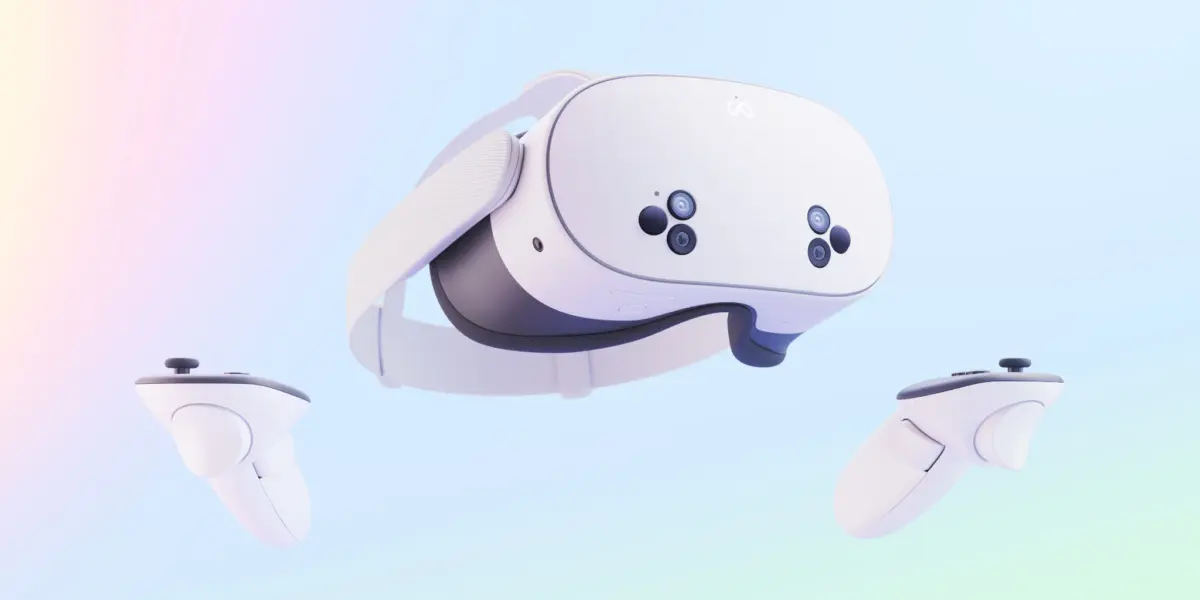
In a sudden and unexpected strategic reversal, Meta has officially scrapped its controversial plan to pull the plug on the virtual reality (VR) iteration of Horizon Worlds. The flagship social metaverse platform, which initially debuted in VR back in 2021 before expanding into other ecosystems, received a last-minute reprieve following an intense wave of pushback from its most dedicated user base.
The reversal was announced by Meta’s Chief Technology Officer, Andrew “Boz” Bosworth, during a spontaneous Instagram "Ask Me Anything" (AMA) interactive session. According to Bosworth, the decision to keep the VR servers alive was finalized mere hours before his public broadcast, driven largely by passionate direct appeals from devoted users who feared the total erasure of their digital worlds and favorite games.
However, this reprieve comes with significant caveats. While the legacy VR spaces and existing Unity runtime experiences will remain accessible for the foreseeable future, Meta is fundamentally shifting its resource allocation. The company’s long-term product roadmap for Horizon Worlds heavily prioritizes mobile platforms and the proprietary Meta Horizon engine, a pivot fueled by stark user metrics indicating that consumer and creator engagement has decisively shifted away from tethered or standalone headsets and toward mobile devices.
This development marks yet another volatile chapter in Meta’s multi-billion-dollar quest to define the metaverse. As the broader spatial computing landscape continues to evolve—with competitors like Apple introducing high-end enterprise and consumer software supported by advancements like Nvidia’s CloudXR for visionOS—Meta’s tactical retreat on Horizon Worlds VR highlights the ongoing friction between corporate ambitions and organic market adoption.
Detailed Chronology: From Metaverse Ambitions to the Brink of Cancellation
To understand the weight of Meta’s latest announcement, it is necessary to examine the turbulent lifecycle of Horizon Worlds. The platform was born out of Meta’s (then Facebook’s) radical rebrand in late 2021, a high-stakes corporate bet that humanity’s digital future lay inside immersive, head-mounted virtual worlds.
2021–2022: The VR Genesis and Early Struggles
- December 2021: Meta officially opens Horizon Worlds to the public in the US and Canada for Quest headset owners. The platform is pitched as the foundational social layer of the metaverse, featuring blocky, legless avatars and user-generated worlds.
- April 2022: Recognizing early adoption bottlenecks tied to the hardware barrier of VR headsets, Meta signals a strategic expansion, announcing plans to bring the platform to web and mobile devices to dramatically widen its top-of-funnel reach.
- Late 2022: Internal documents leaked to the press reveal that Horizon Worlds is struggling with retention issues, quality control, and internal usage targets. The platform famously faces heavy public mockery regarding the graphical fidelity of its avatars and the perceived emptiness of its virtual expanses.
2023–2025: The Silent Shift to Mobile
- 2023: Meta begins restructuring its Reality Labs division to optimize spending amidst broader macroeconomic pressures. Development emphasis quietly pivots away from expanding the sprawling VR world-building tools toward refining the lightweight mobile and web experiences.
- 2024–2025: As Meta Quest hardware sales face cyclical cooling periods, active engagement inside Horizon Worlds’ VR social lobbies stagnates compared to standalone gaming titles like Beat Saber or Gorilla Tag. Creator enthusiasm within the desktop and mobile development pipelines begins to eclipse traditional in-VR world building.
March 2026: The Near-Death Experience and the U-Turn
- Mid-March 2026: Rumors circulate within developer and enthusiast communities regarding an imminent wind-down of the legacy VR runtime environments for Horizon Worlds.
- March 19, 2026: TechCrunch and other industry outlets report on the impending closure of the VR iteration.
- Later, March 19, 2026: Prompted by direct community backlash, Andrew "Boz" Bosworth takes to Instagram Live, officially reversing the decision during an AMA session and confirming that existing VR games and Unity runtime worlds will remain online to protect the investments of passionate fans.
Supporting Context & Metrics: Why Meta Blinked
The decision to spare Horizon Worlds VR from the chopping block while starving it of new content reveals a delicate balancing act between corporate financial discipline and community goodwill.

The Hardware vs. Software Divide
For years, Meta’s Reality Labs division has operated at staggering financial losses, burning tens of billions of dollars in pursuit of Mark Zuckerberg’s vision of ambient spatial computing. While hardware lines like the Meta Quest 2 and the newer, budget-friendly Meta Quest 3S have successfully captured the lion’s share of the global consumer VR hardware market, sustaining active, daily software engagement has proven persistently difficult.
Consumer data consistently demonstrates a stark behavioral split among headset owners:
- The Gaming Core: The vast majority of active Quest users utilize their devices for standalone, high-octane gaming titles (e.g., Batman: Arkham Shadow, Asgard’s Wrath 2) or immersive media consumption.
- The Social Hesitancy: Social metaverse apps require sustained, asynchronous social presence. For many users, putting on a heavy headset just to hang out in a virtual lounge remains a high-friction proposition compared to launching an app on a smartphone.
The Mobile Magnetism
By contrast, Meta’s expansion of Horizon Worlds into mobile ecosystems unlocked a vastly larger addressable market. Smartphones require zero hardware investment, have no battery-life anxiety relative to standalone headsets, and integrate seamlessly into daily messaging and social habits.
Meta’s internal analytics revealed an undeniable truth: consumer and creator energy was migrating toward mobile platforms and the streamlined Meta Horizon engine. This migration forced executives into a corner. Fully shutting down the VR app would have alienated the hyper-niche, highly vocal core community that helped pioneer the platform, creating an aggressive PR backlash. Conversely, continuing to fund active feature development and fresh content generation for the VR version no longer made financial sense against the backdrop of diminishing returns.
The resulting compromise—freezing the VR environment in its current state while redirecting all new development capital to mobile—aims to appease die-hard loyalists without throwing good money after bad in the VR social sector.
Official Statements and Industry Breakdown
Bosworth’s unscripted remarks on Instagram provide a rare, transparent look into corporate decision-making at the highest levels of Meta. Rather than utilizing a polished press release or a corporate blog post, the CTO addressed the community directly.
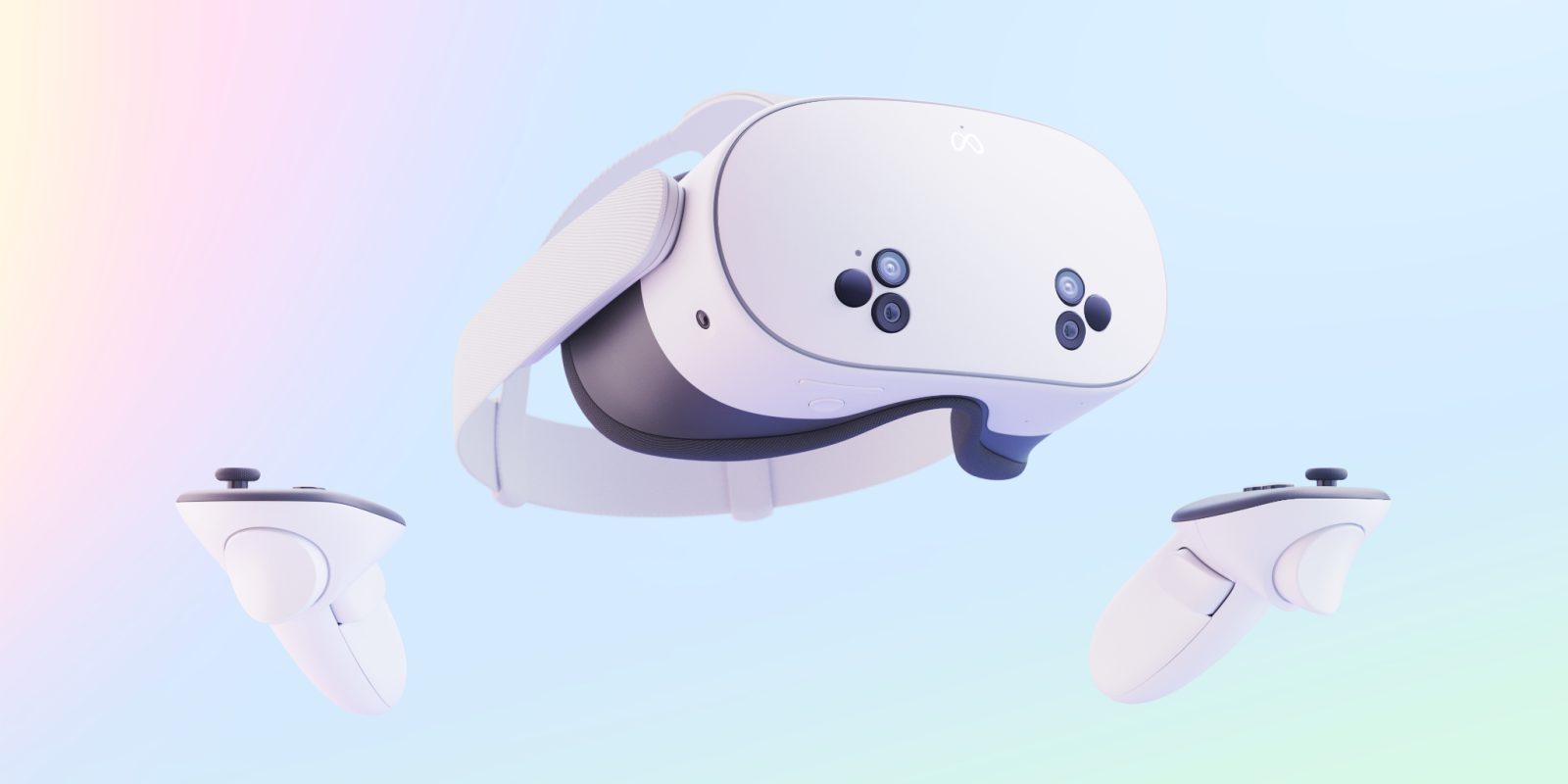
"We have decided, just today in fact, that we will keep Horizon Worlds working in VR for existing games to support the fans who’ve reached out, like yourself, who really care about that. Those, the Horizon Unity runtime games, they’re not gonna work on mobile. They’ll just be working on VR."
This distinction is critical. The legacy games built using the Unity runtime within Horizon Worlds are structurally incompatible with the new mobile architecture powered by the Meta Horizon engine. Without this last-minute intervention, those user-created worlds—and the community investment poured into them—would have vanished overnight.
Bosworth elaborated on the strategic rationale driving the company’s forward-looking investments:
"We’re not bringing new games. Again, most of our energy is going towards mobile and the Meta Horizon engine there. The reason for that is because that’s where most of the consumer and creator energy already was, and so we’re kind of leaning into that. But yeah, you know, for people who already have games that they like that they’re using in Horizon Worlds, will be able to download the Horizon Worlds app and use it in VR for the foreseeable future."
The Broader XR Competitive Landscape
While Meta recalibrates its metaverse software strategy, the broader extended reality (XR) and spatial computing ecosystem continues to accelerate on multiple fronts. Gaming remains the undisputed lifeblood of the Meta Quest hardware ecosystem, driving hardware adoption across consumer demographics.
At the same time, high-end competitors are carving out distinct technical territory. Apple continues to expand the capabilities of the Apple Vision Pro through successive visionOS updates. Notably, recent industry announcements have detailed how Nvidia is bringing its powerful CloudXR technology to visionOS 26.4. This integration unlocks unprecedented cloud-rendered graphical fidelity for demanding enterprise applications, such as the Autodesk VRED app, and paves the way for advanced simulation software—including what is being heralded as the world’s most advanced flight simulator—to run smoothly within Apple’s high-resolution spatial environment.

These parallel developments underscore a widening strategic divergence in the industry:
- Meta is leveraging low-cost hardware to capture mass-market consumers, increasingly leaning toward mobile-first software frameworks for casual social engagement.
- Apple and enterprise partners are focusing heavily on ultra-high-definition, tethered or cloud-assisted spatial computing use cases for professional workflows and premium immersive gaming.
Future Outlook: What Next for the Metaverse?
Meta’s pivot represents a mature, if sobering, evolution of its metaverse strategy. The era of unbridled, unfocused optimism where every facet of the metaverse was expected to thrive equally in VR has officially given way to pragmatic, data-driven resource allocation.
For current users of Horizon Worlds on VR, the immediate future is secure. Worlds built using the Unity runtime will remain active, allowing creators and communities to preserve their digital spaces. However, the lack of new feature rollouts or fresh game integration means the VR side of the platform has essentially entered maintenance mode.
Looking ahead, the long-term viability of the metaverse will likely depend less on monolithic, all-encompassing virtual worlds and more on interoperable, device-agnostic ecosystems. By meeting users where they already spend their time—primarily on their smartphones—while keeping foundational VR spaces functional for true believers, Meta is attempting to insulate its metaverse ambitions from the hardware adoption curves that have slowed down the VR industry at large.
As competition intensifies between Meta Quest headsets, Apple Vision Pro, and emerging cloud-streaming technologies, the definition of the "metaverse" will continue to morph. For now, Meta’s immediate crisis has been averted, leaving its digital citizens with a preserved, albeit static, virtual home.






Belum ada komentar. Jadilah yang pertama berkomentar!