

Executive Overview
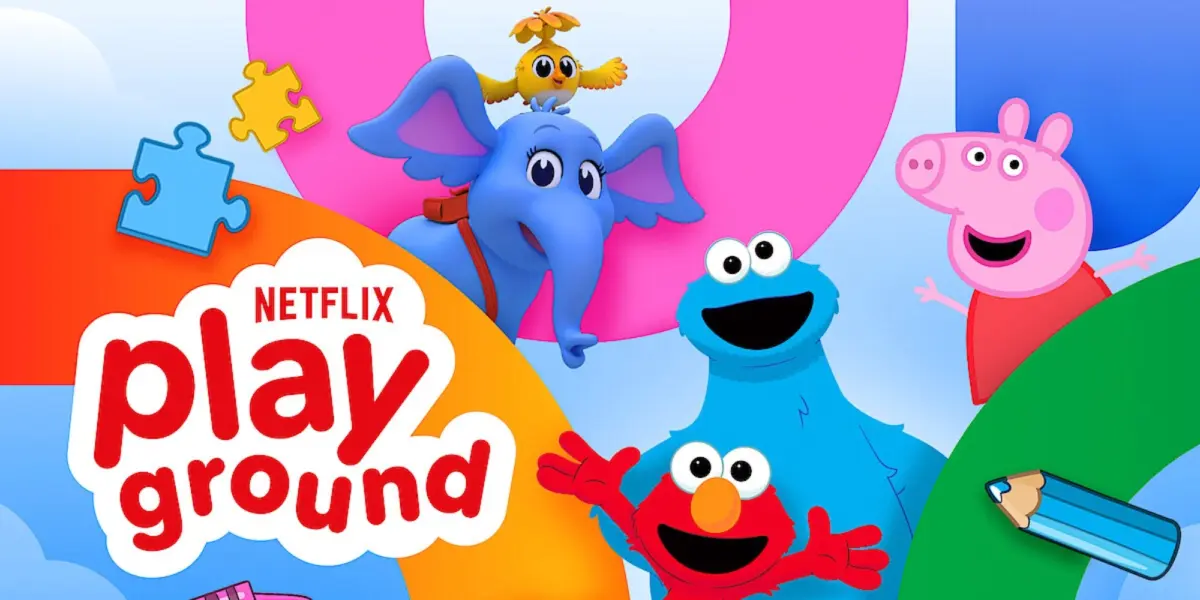
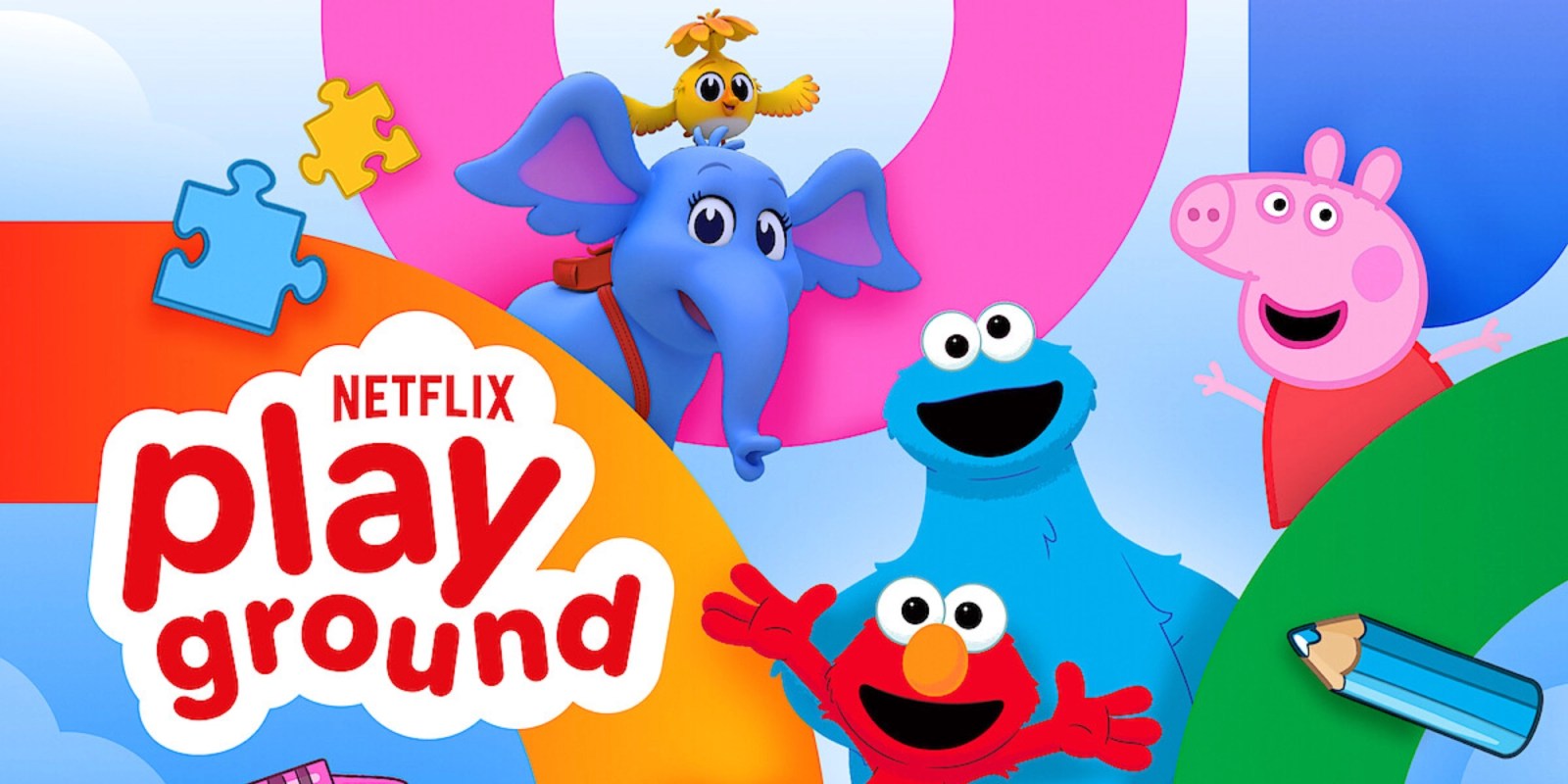
In a strategic maneuver that bridges the gap between streaming media and interactive family entertainment, Netflix has officially launched Netflix Playground, a dedicated application tailored specifically for younger audiences on iPhone and iPad. Modeled conceptually after subscription models like Apple Arcade, the new hub introduces a curated collection of ad-free mini-games anchored by globally recognized children’s franchises, including Peppa Pig, Sesame Street, and Dr. Seuss.
Available now on the App Store for iOS and iPadOS devices, Netflix Playground represents a calculated deepening of the streaming giant’s interactive entertainment strategy. Crucially, access to the app and its growing library of titles is not locked behind an expensive tier or ad-free subscription prerequisite; it is bundled directly into all standard Netflix memberships at no additional cost. By eliminating third-party advertisements and in-app purchases—two major pain points for parents navigating mobile app stores—Netflix is positioning Playground as a safe, walled-garden digital environment for children.
This comprehensive report examines the launch of Netflix Playground, analyzing its initial catalog, the mechanics of its offline-capable standalone downloads, the broader implications for the children’s media landscape, and what the roadmap holds as Netflix continues to diversify beyond passive video consumption.
Detailed Chronology of Netflix’s Gaming Evolution
To understand the significance of Netflix Playground, it is necessary to contextualize how Netflix arrived at this juncture. The company’s journey into the interactive gaming space has been deliberate, shifting from experimental titles to a comprehensive, platform-wide initiative.
Phase 1: Interactive Narrative Experiments (2018–2021)
Netflix first flirted with interactivity through "branching narrative" specials designed for older kids and families, such as Bandersnatch (Black Mirror) and Minecraft: Story Mode. While these titles relied on video streaming technology rather than native application code, they established Netflix’s desire to keep viewers engaged beyond traditional linear viewing.
Phase 2: The Mobile Gaming Rollout (November 2021)
In late 2021, Netflix officially launched its mobile gaming initiative globally for iOS and Android users. Initially modest, the catalog featured casual titles tied to existing intellectual properties, such as Stranger Things: 1984. Subscribers could download these games directly from the App Store or Google Play Store, authenticating their downloads using their active Netflix credentials.
Over the subsequent years, Netflix aggressively expanded this catalog, acquiring acclaimed independent development studios like Night School Studio (creators of Oxenfree) and partnering with high-profile publishers to bring titles like Grand Theft Auto: The Trilogy and Hades to mobile screens.
Phase 3: Consolidation and Niche Expansion (2024–2026)
As the gaming catalog swelled past dozens of titles, discovery became a notable challenge. Adult-oriented RPGs, narrative adventures, and casual puzzles sat side-by-side within the main Netflix mobile application, making it difficult for younger demographics—and the parents supervising them—to find age-appropriate content.
The culmination of this challenge is Netflix Playground. Released in April 2026, the application represents a structural pivot: instead of forcing family-friendly titles to compete with mature or general-audience games in a single hub, Netflix has created a dedicated, standalone ecosystem specifically engineered for early childhood development and engagement.
Features, Architecture, and Initial Content Catalog
Netflix Playground has been engineered from the ground up with user experience—specifically the ergonomics and cognitive capabilities of young children and the peace of mind of their parents—at the forefront.
A Safe, Frictionless Ecosystem
The modern mobile app store ecosystem is notoriously fraught with predatory monetization tactics, aggressive interstitial advertisements, and surprise in-app purchases that often target unsuspecting children. Netflix Playground completely strips away these friction points. True to the Apple Arcade model, every piece of content within the app is entirely ad-free and devoid of microtransactions.
Furthermore, Netflix has structured the app’s monetization to avoid alienating budget-conscious subscribers. Unlike streaming features that occasionally face tier-based restrictions, Netflix Playground access is included across all active membership levels. Whether a user subscribes to the entry-level ad-supported tier or the top-tier 4K plan, the playground experience remains identical and fully unlocked.

Initial Launch Lineup: The First 7 Mini-Games
At launch, Netflix Playground features seven distinct mini-games. Rather than sprawling, monolithic video games, these titles are designed as bite-sized, interactive experiences that capture the essence of beloved preschool television and literary properties:
- Peppa Pig Interactive Exploration: Focusing on everyday adventures with Peppa and her family, encouraging cognitive sorting and matching puzzles.
- Sesame Street Learning Lab: Utilizing characters like Elmo and Cookie Monster to teach foundational mathematics and early literacy.
- Dr. Seuss Rhyme Time: Bringing classic visual aesthetics and linguistic play to life through interactive storytelling games.
- Additional Launch Titles: Rounding out the initial seven are supplementary interactive experiences drawing from trusted early childhood brands, emphasizing color recognition, hand-eye coordination, and basic problem-solving.
Standalone Downloads and Offline Capabilities
One of the most practical engineering decisions behind Netflix Playground is its modular download architecture. While the primary application acts as the hub and launcher, individual mini-games are downloaded separately within the app.
This approach offers two major benefits:
- Storage Management on Mobile Devices: Parents do not need to waste precious iPad or iPhone storage downloading the entire suite of games if their child only prefers two or three specific titles.
- Robust Offline Play: Once an individual mini-game has been downloaded to the device, it functions entirely offline. This makes Netflix Playground an ideal companion for long road trips, airplane travel, or areas with limited Wi-Fi connectivity—a critical selling point for parents seeking reliable ways to entertain young children on the go.
Supporting Context, Strategic Metrics, and Market Impact
Netflix’s aggressive push into gaming is not merely a branding exercise; it is a calculated response to shifting media consumption habits, user retention metrics, and the intense competition for digital mindshare.
The Attention Economy and Retention
In the saturated streaming landscape, reducing churn is the holy grail for subscription services. Industry analysts have long noted that users who engage with multiple facets of a platform—such as both video streaming and mobile gaming—exhibit significantly lower cancellation rates.
By targeting families with young children via Netflix Playground, Netflix is solidifying its ecosystem lock-in early. Children who grow up interacting with trusted intellectual properties through Netflix-branded apps are more likely to view the platform as an indispensable household utility.

Direct Competition with Apple Arcade and Dedicated Kids’ Apps
By intentionally adopting a model reminiscent of Apple Arcade—curated, high-quality, subscription-based, and devoid of ads or microtransactions—Netflix is stepping onto territory traditionally dominated by dedicated children’s educational publishers (like Toca Boca or PBS Kids) and premium mobile gaming services.
| Feature / Metric | Netflix Playground | Apple Arcade | Traditional App Store Kids Games |
|---|---|---|---|
| Pricing Model | Included with Netflix subscription | Monthly flat fee ($6.99/mo) | Free-to-play with ads / IAP |
| Advertisements | None | None | Frequently heavy / intrusive |
| In-App Purchases | None | None | High risk of accidental purchases |
| Offline Support | Yes (via standalone downloads) | Yes | Varies wildly |
| IP Integration | Major global preschool brands | Original & indie titles | Mixed third-party brands |
By leveraging its massive library of globally recognized entertainment properties (Peppa Pig, Sesame Street), Netflix possesses an immediate marketing advantage that standalone indie game developers struggle to match.
Official Statements and Future Content Roadmap
In its official launch documentation and promotional announcements via Tudum, Netflix emphasized that the April 2026 debut is merely the foundation of a long-term content strategy.
"Netflix Playground is designed to be a living, growing space for young minds," noted a company spokesperson during the platform’s rollout. "We are bringing the characters kids love out of the television screen and putting them directly into their hands in a safe, interactive, and enriching format that respects both the child’s imagination and the parent’s peace of mind."
Upcoming Titles and Expansion Timeline
Netflix has confirmed a robust content pipeline scheduled to roll out incrementally throughout the remainder of the year. Confirmed future additions to the Netflix Playground ecosystem include:
- Gabby’s Dollhouse: Expanding on the massive popularity of the mixed-media preschool series with craft-and-puzzle-based mini-games.
- KPop Demon Hunters: Bringing a vibrant, music-centric animated property into the interactive fold for slightly older children and tweens.
- PJ Masks: Offering action-oriented, cooperative puzzle-solving adventures featuring the nocturnal superhero trio.
- My Little Pony: Focusing on creativity, social-emotional learning, and friendship-driven quests in Equestria.
- PAW Patrol: Capitalizing on one of the most successful preschool franchises globally, introducing rescue-themed logic challenges.
Industry watchers anticipate that as these major intellectual properties land on the platform, download metrics for the iOS and iPadOS application will see sharp upward spikes, mirroring the viewership trends of their parent television series.

Future Outlook: What Netflix Playground Means for the Industry
The launch of Netflix Playground signals a maturing philosophy within the streaming industry. Content creators can no longer rely solely on passive linear viewing to capture the attention of the next generation of consumers. Digital natives expect interaction, agency, and seamless multi-screen integration.
For Apple device users, the arrival of Netflix Playground enriches the App Store’s family-friendly catalog with a polished, high-security application that requires zero friction to enjoy for existing subscribers. As mobile operating systems continue to tighten privacy controls and scrutinize monetization practices targeting minors, platforms that proactively offer clean, ad-free, kid-safe environments will likely capture the lion’s share of parental trust.
Looking forward, analysts will be watching to see if Netflix expands the "Playground" framework beyond iOS and iPadOS. While an Android version is widely anticipated given Netflix’s historical cross-platform parity, the smooth integration with Apple’s ecosystem—leveraging the iPad’s dominant market share in educational and family households—makes iOS a powerful proving ground.
Ultimately, Netflix Playground proves that the streaming giant views gaming not as a secondary experiment, but as an essential, foundational pillar of its multi-generational entertainment empire.






Belum ada komentar. Jadilah yang pertama berkomentar!