


As Apple prepares to enter the foldable smartphone market, industry insiders warn that extreme supply chain complexities, intricate hardware engineering, and high-demand dynamics could make its debut device one of the hardest tech purchases of the decade.
Executive Overview
For years, the consumer technology landscape has watched from the sidelines as competitors like Samsung, Huawei, and Google iterated through multiple generations of foldable smartphones. While these pioneers shaped a nascent market, the undeniable consensus among industry analysts has always been that the foldable category would only truly enter the mainstream once Apple decided to join the fray.
That watershed moment may finally be on the horizon. Recent reports indicate that Apple is targeting a September launch window for its highly anticipated inaugural foldable device. However, this historic milestone comes with a significant caveat for consumers and tech enthusiasts alike: getting your hands on one at launch is shaping up to be an extraordinarily difficult endeavor.
A convergence of intricate manufacturing hurdles, demanding quality thresholds, supply chain bottlenecks, and a potential global rollout strategy means that demand is expected to drastically outstrip initial supply. Whether the device ultimately arrives carrying the rumored "iPhone Ultra" moniker or a more traditional designation, it represents a paradigm shift for Apple’s hardware ecosystem. This article provides an in-depth investigative analysis of the production challenges, strategic considerations, and market dynamics surrounding Apple’s impending entry into the foldable arena.
Detailed Chronology: The Road to Apple’s First Foldable
The path to a foldable iPhone has been paved with years of research, patent filings, and cautious observation. While Android manufacturers rushed to capitalize on flexible displays—often treating early adopters as beta testers for creased screens and fragile hinges—Apple adopted a notoriously patient posture.
The R&D Phase (2019–2023)
Long before rumors solidified around a 2026 release window, Apple’s engineering teams were quietly filing patents detailing breakthrough hinge mechanisms, self-healing screen coatings, and innovative internal battery layouts designed to distribute weight evenly across a dual-screen chassis. During this period, Cupertino’s strategy was clear: observe the pitfalls of early foldable devices—such as dust ingress, mechanical failure over time, and visible display creases—and engineer solutions before ever bringing a product to market.
Moving Toward Mass Production (2024–2025)
By late 2024, supply chain checks indicated that Apple had moved beyond conceptual prototyping and was actively collaborating with display heavyweights, primarily Samsung Display and LG Display, to source ultra-thin flexible OLED panels. Stress tests for custom-engineered multi-piece fluid hinges began ramping up, with Apple demanding durability thresholds that far exceeded current industry standards.
The September Launch Horizon (2026)
Current industry intelligence points to a September debut, aligning seamlessly with Apple’s traditional autumn product launch cadence. By positioning the foldable iPhone alongside its standard flagship lineup, Apple aims to command the maximum share of the fourth-quarter consumer shopping cycle. Nevertheless, industry insiders caution that a September unveiling may only mark the beginning of a staggered, highly restricted distribution phase.
Production Hurdles: Why Supply May Be Constantly Tight
Manufacturing any smartphone at scale is a logistical masterpiece, but building a foldable device that meets Apple’s notoriously strict aesthetic and functional parameters introduces an exponential layer of difficulty.
The Hinge and Display Conundrum
At the heart of every foldable device are two components that represent the absolute pinnacle of modern materials science: the flexible display panel and the mechanical hinge.
- Flexible OLED Integration: Unlike rigid glass screens, foldable OLEDs require specialized ultra-thin protective layers that must withstand hundreds of thousands of folds without degrading, discoloring, or developing permanent creases.
- Hinge Engineering: Apple’s design ethos dictates a seamless, gapless closure when the device is folded. Achieving this requires complex multi-gear hinge architectures that distribute tension evenly across the screen.
According to manufacturing analysts, tier-one suppliers typically require a ramp-up period of three to five months to stabilize production yields for components this intricate. Because the tolerances for failure are microscopic, initial defect rates during the early stages of mass production are historically high. Consequently, factories will likely struggle to build sufficient buffer stock ahead of the September launch.
The Ripple Effect of High Defect Rates
Higher defect rates directly translate to lower usable yields per production run. If a significant percentage of manufactured panels or hinges fail rigorous quality-assurance inspections, the number of retail-ready units plummets. This creates an artificial scarcity that will leave millions of prospective buyers empty-handed during the initial holiday shopping season.
Global Availability and Market Dynamics
When Apple introduces a radical new product category, its distribution strategy is often a careful balancing act between maximizing global reach and managing limited inventory.
From Regional Exclusivity to a Broader Rollout
Early speculation suggested that Apple might adopt a conservative geographic strategy—initially restricting the foldable iPhone to the United States market, much like it did with early iterations of the original iPhone and select spatial computing hardware. However, recent supply chain chatter points toward a more ambitious, synchronized global rollout targeting high-value premium markets including China, Europe, and India.
This shift underscores Apple’s recognition of where high-end smartphone growth is currently concentrated. China, in particular, has emerged as the world’s most mature and fiercely competitive market for foldable devices, led by aggressive domestic brands like Huawei, Honor, and Xiaomi. To remain dominant in the ultra-premium tier, Apple cannot afford to cede the foldable space in Asia and Europe.
The Logistics of High Demand vs. Low Stock
Even if Apple opts for a simultaneous global release, the sheer disparity between global demand and restricted manufacturing output will create localized bottlenecks. Consumers in major metropolitan hubs across London, New York, Tokyo, and Shanghai will likely face immediate backorders stretching into weeks or even months. Securing a unit will require more than just financial readiness; it will demand tactical speed when pre-order windows officially open.
What’s in a Name? The "iPhone Ultra" Branding Debate
Beyond hardware specifications and supply chain logistics, branding remains one of the most compelling topics of discussion among tech analysts. How Apple chooses to market its first foldable device will send a powerful message regarding its target audience and pricing strategy.
The Case for "iPhone Ultra"
For several generations, rumors have persisted that Apple would introduce an "Ultra" tier sitting above the Pro and Pro Max models. A foldable device—by virtue of its cutting-edge engineering, dual-screen capabilities, and elevated manufacturing costs—serves as the ultimate justification for the Ultra moniker.
By branding the device as the iPhone Ultra, Apple would achieve several strategic objectives:
- Justify a Luxury Price Point: Foldable devices currently command exorbitant prices (often exceeding $1,700 to $2,000 USD). The Ultra branding sets consumer expectations for a luxury tier product rather than a standard iterative upgrade.
- Signal Exclusivity: An Ultra designation creates a psychological halo effect, positioning the device as the absolute pinnacle of mobile engineering for power users, enterprise executives, and early adopters.
- Future-Proof the Lineup: It leaves room for Apple to expand the Ultra branding into other categories, such as ultra-premium smartwatches or augmented reality glasses, while keeping the standard iPhone and iPhone Pro tiers cleanly defined.
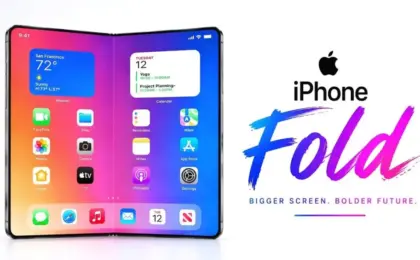
Alternatively, some industry insiders argue that Apple might simply integrate the foldable form factor directly into the existing flagship nomenclature—perhaps calling it the iPhone Fold or iPhone Pro Fold. Regardless of the final nomenclature, the device’s positioning at the absolute apex of the iOS ecosystem is undisputed.
Future Outlook: What This Means for the Consumer
Apple’s entry into the foldable market is not merely the launch of a new product; it is a validation of an entire industry sector that critics once dismissed as a passing gimmick. When Apple stamps its seal of approval onto a form factor, consumer perception shifts overnight, and mainstream adoption inevitably follows.
However, this transition will not be frictionless. For the average consumer, the upcoming launch cycle will likely be characterized by:
- Severe Stock Constraints: Day-one inventory will evaporate within minutes of pre-orders going live.
- Premium Pricing: Expect the device to command the highest price tag in iPhone history, reflecting both its complex component costs and its exclusive market positioning.
- Ecosystem Evolution: Developers will race to optimize iOS applications for dual-screen multitasking, creating a rich new ecosystem of software designed specifically for fluid, expanding display real estate.
Strategic Recommendations for Prospective Buyers
If you are determined to add Apple’s inaugural foldable device to your collection upon release, preparation is paramount. Passive waiting will almost certainly result in missing out on the initial allocation. To maximize your chances:
- Monitor Pre-Order Timelines Closely: Keep a close eye on official Apple announcements for exact pre-order dates and times.
- Leverage the Apple Store App: Historically, using the dedicated iOS Apple Store app is faster and more reliable than browsing via web browsers when traffic spikes during launch windows.
- Prepare Your Account Information: Ensure your payment methods, shipping addresses, and upgrade programs (such as the iPhone Upgrade Program) are pre-verified to allow for a one-tap checkout experience the second pre-orders open.
Conclusion
Apple’s rumored foldable iPhone—whether it arrives as the iPhone Ultra or under another banner—promises to be a defining milestone in modern consumer technology. It marries daring mechanical innovation with Apple’s legendary design discipline. Yet, because perfection cannot be rushed, the very commitment to quality that makes the device desirable will also make it exceptionally scarce. Navigating this historic launch will require vigilance, swift action, and a realistic understanding of the production hurdles standing between Apple’s factories and your pocket.








Belum ada komentar. Jadilah yang pertama berkomentar!