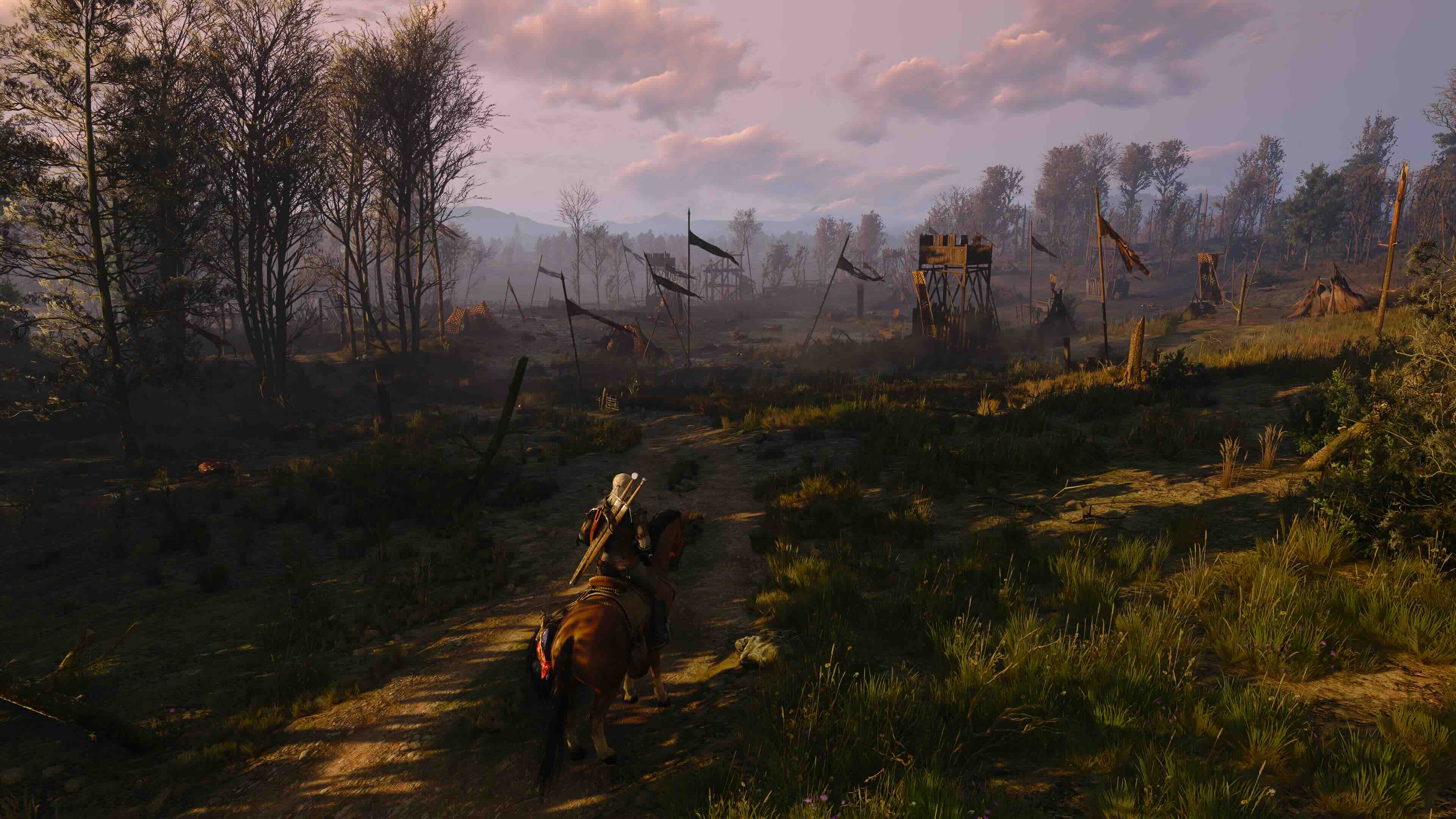
Over a decade after the initial release of The Witcher 3: Wild Hunt—a masterclass in open-world role-playing that fundamentally shaped the modern RPG landscape—developer CD Projekt Red is preparing an unexpected and ambitious return to the Continent. Teaming up with co-developer Fool’s Theory, CDPR has announced a brand-new, story-driven expansion titled The Witcher 3 – Songs of the Past, slated for release next year.
Unlike previous extensions of Geralt of Rivia’s saga, which focused on grand geopolitical plots, time-space anomalies, or ethereal curses involving familiar sorceresses like Yennefer and Triss, Songs of the Past shifts its narrative focus entirely toward an intimate, character-driven journey. The catalyst for this new adventure is none other than Geralt’s loyal, lute-plucking companion and biographer, Dandelion. Following the bard’s sudden and mysterious disappearance, the white-haired witcher finds himself traversing a completely unseen region of the Northern Kingdoms: Dandelion’s ancestral homeland of Letten, located in northern Redania.
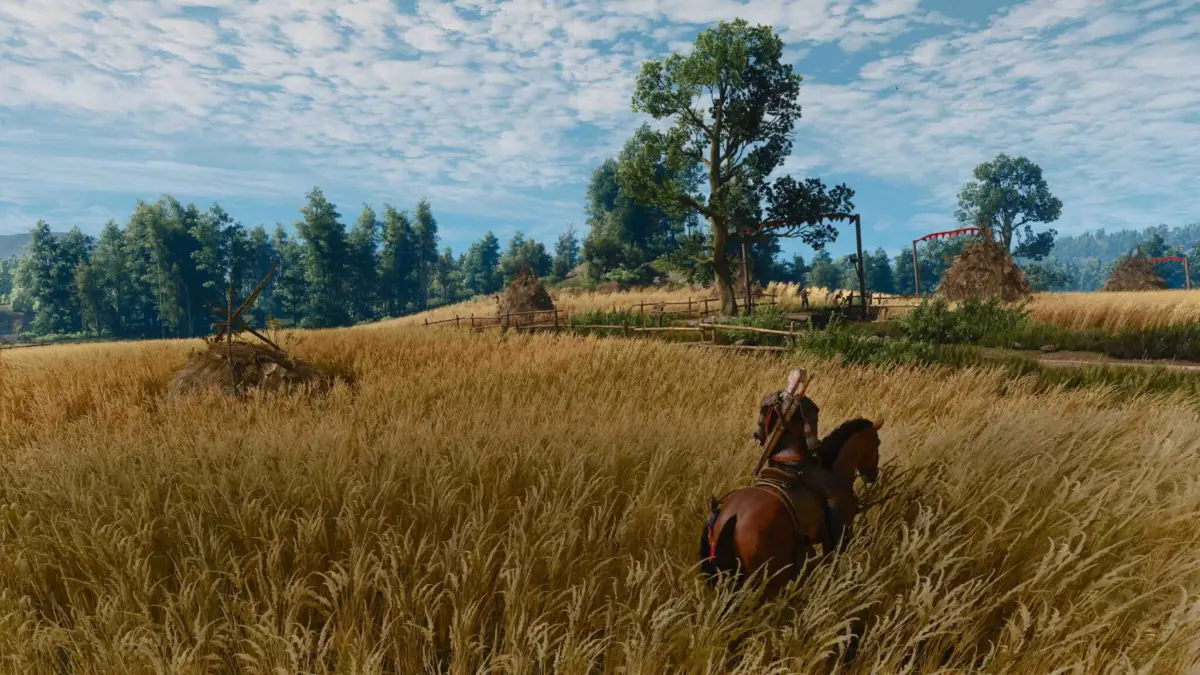
Compounding this exciting expansion announcement is a monumental companion project: a full, ground-up remaster of the 2015 base game. Scheduled for release on September 29, this isn’t merely a graphical touch-up or a standard frame-rate patch. Instead, CD Projekt Red is meticulously re-engineering core systems—including combat responsiveness, animation frameworks, camera work, and pathfinding AI—to bring the decade-old classic up to modern 2026 gaming standards. Together, the upcoming remaster and Songs of the Past expansion represent a definitive renaissance for one of the most beloved entries in video game history.
Detailed Chronology: Unraveling the Mystery of Lettenhove
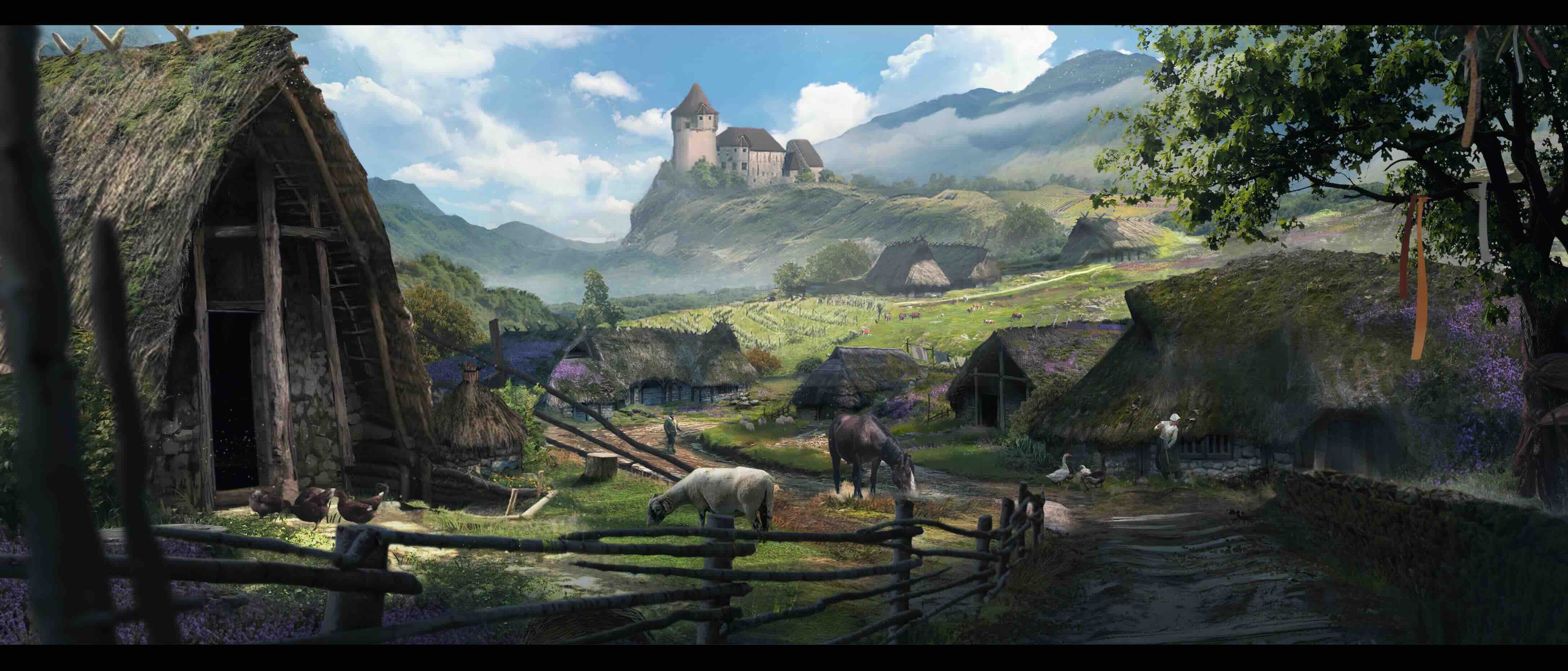
The narrative structure of Songs of the Past breaks away from the apocalyptic stakes of Wild Hunt and its subsequent expansions, Hearts of Stone and Blood and Wine. Instead, it trades the war-torn ruins of Velen and the grand vineyards of Toussaint for a lush, untouched mountain valley in northern Redania that has miraculously escaped the ravages of war.
The Morning After the Festivities
The expansion’s hands-off preview begins in media res, following the chaotic aftermath of local Belleteyn celebrations—a festive spring rite akin to Easter. Geralt awakens with a throbbing hangover, far from home and entirely alone, as Dandelion is nowhere to be found.
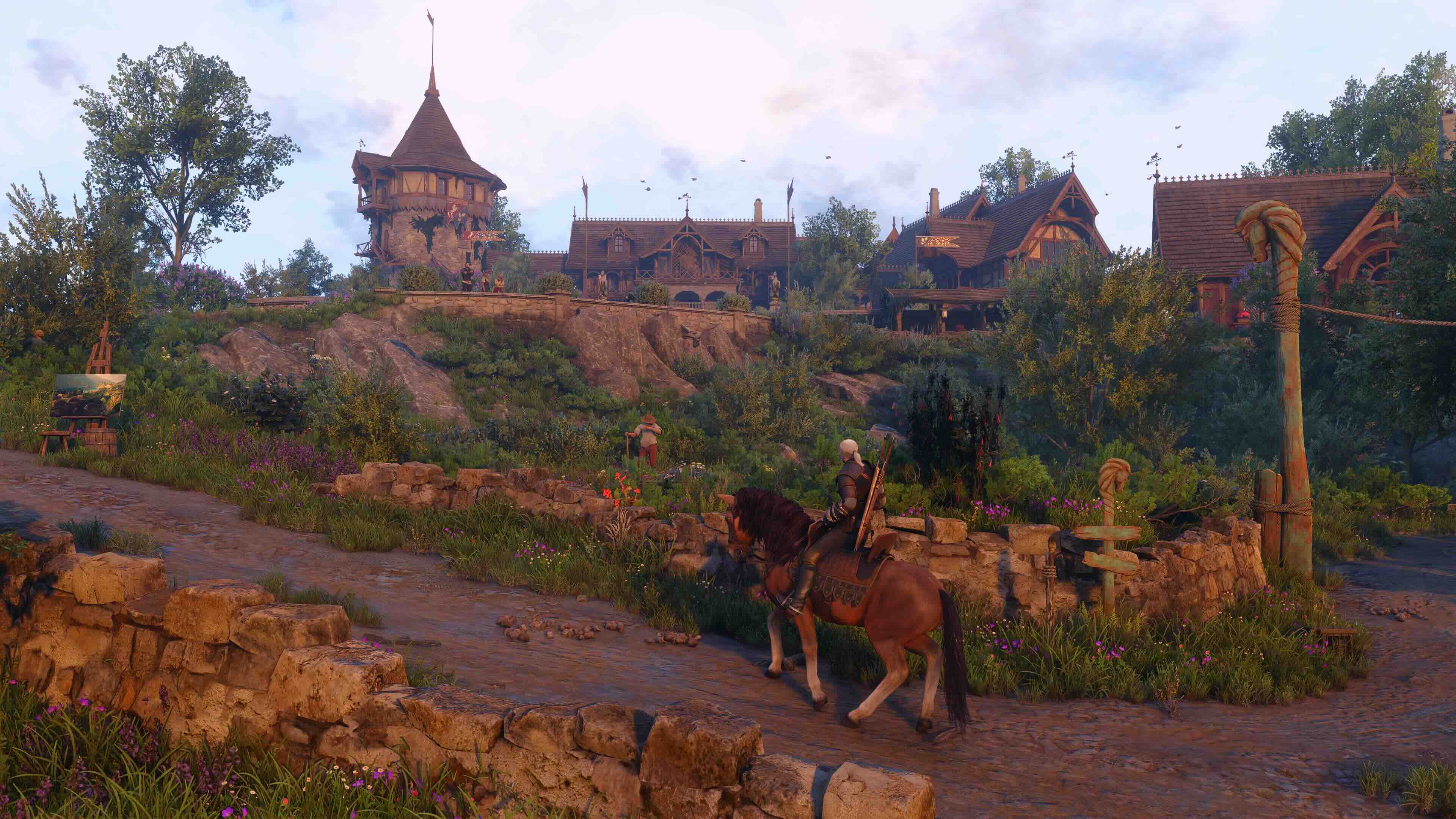
This initial disorientation quickly leads the witcher to the opulent gates of Lettenhove, a sumptuous manor marking the seat of power for Dandelion’s blue-blooded forebears. Fans of Andrzej Sapkowski’s original novels will recall that Dandelion’s formal name is Julian Alfred Pankratz, Viscount de Lettenhove. Within the manor’s grand halls, Geralt is forced to play political and personal mediator between two of the bard’s most formidable living relatives: his fierce grandmother and his sharp-witted cousin, Lilla. As the family sits around a long mahogany table debating whether Dandelion is genuinely missing—or simply off on another self-indulgent escapade—it becomes immediately clear that noble blood does not equate to peaceful behavior.
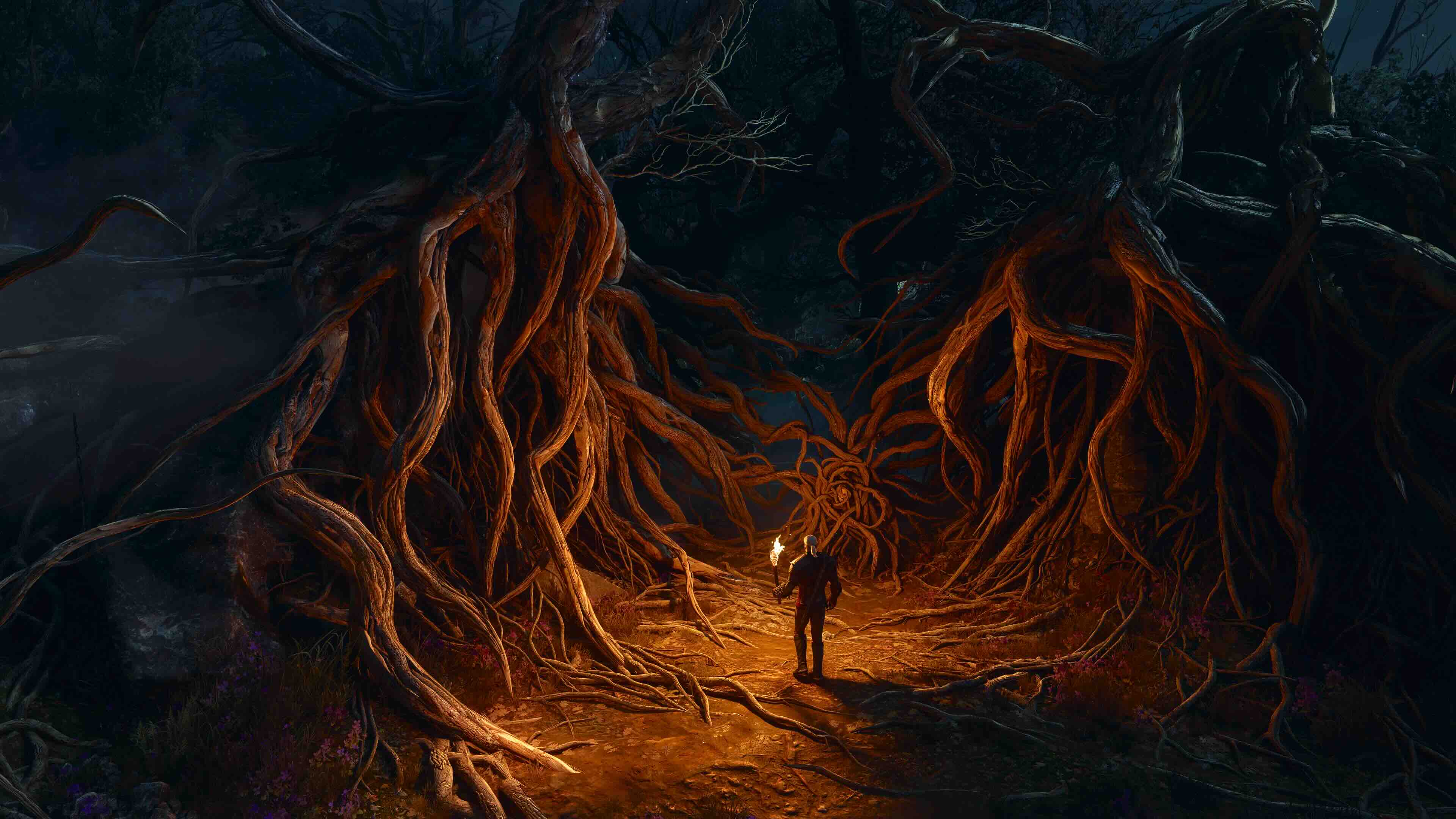
What begins as a missing person investigation quickly morphs into a classic witcher contract. Teaming up with Lilla, Geralt ventures beyond the manicured gardens of the estate and into Letten’s gnarled, dark, and foreboding woods. Their objective is to track down the origins of a persistent de Lettenhove family legend: the dark curse of Dandelion’s ancestor, the infamous and mad Count Humbert de Lettenhove.
Navigating this new region preserves the core gameplay loops and investigatory mechanics that veteran players hold dear. Utilizing enhanced witcher senses to track clues, negotiating with abrasive locals, and choosing between peaceful resolutions or bare-knuckle brawls all remain central pillars of the experience. The journey eventually culminates in a mystical, eerie woodland well deeply tied to both the family curse and the bard’s disappearance, guarded by a formidable foe known as the Slumbering Knight.
Supporting Context & Metrics: Evolution of Mechanics and the New Silver Chain
While Songs of the Past retains the familiar mechanical identity of The Witcher 3, it introduces significant additions to Geralt’s arsenal and enemy ecosystem that bridge the gap between past titles and future installments in the franchise.
The Return of the Silver Chain
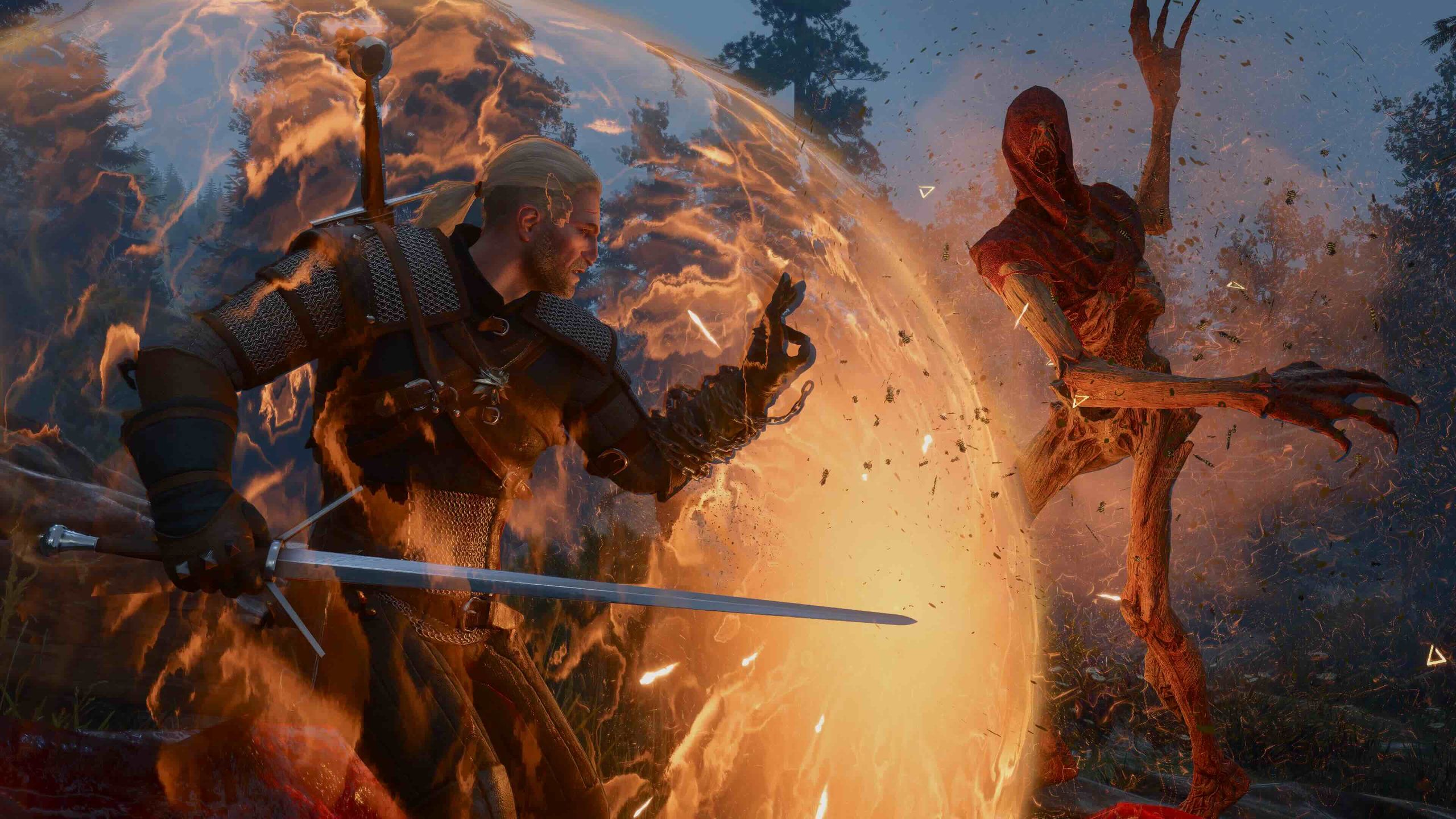
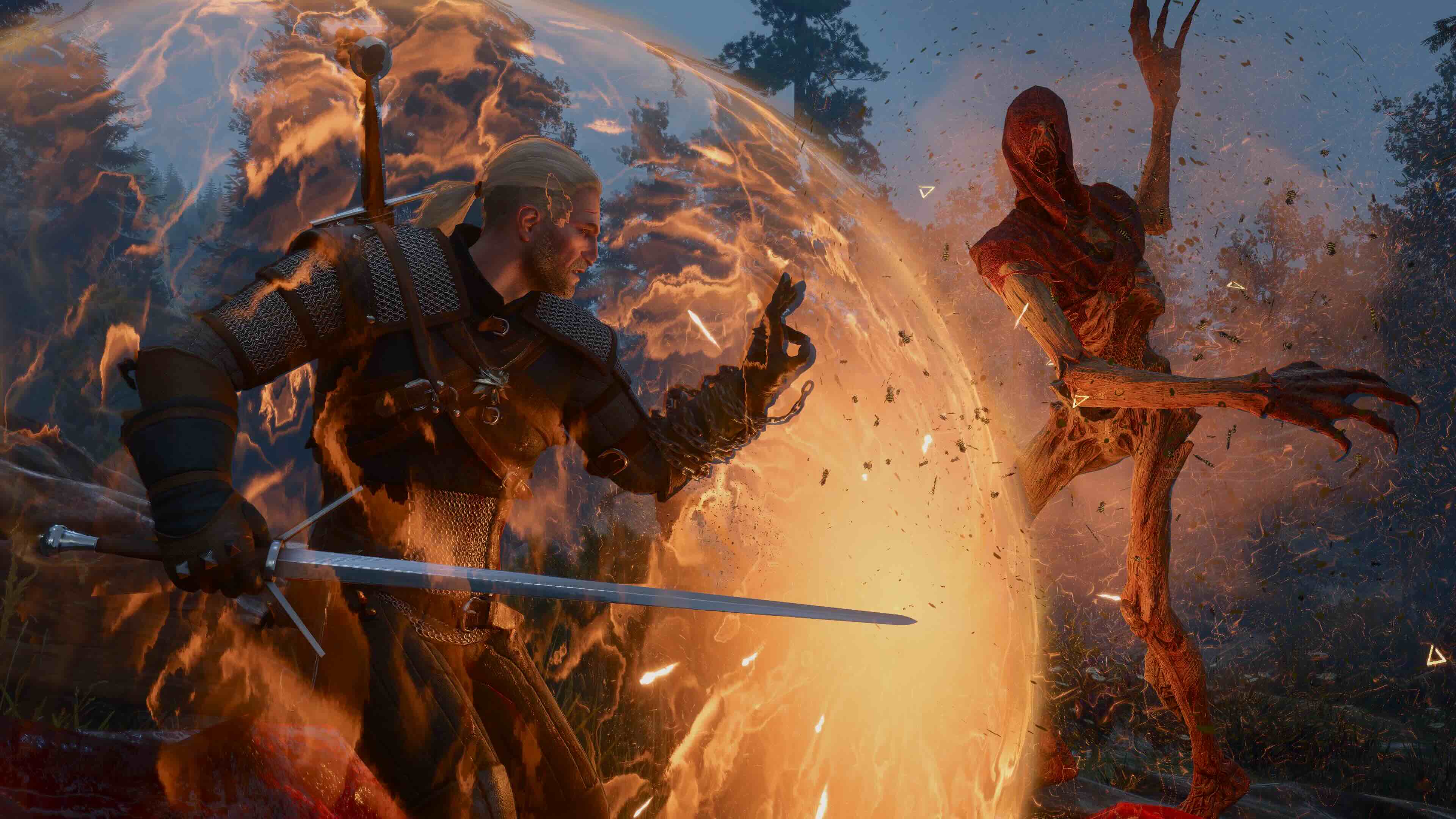
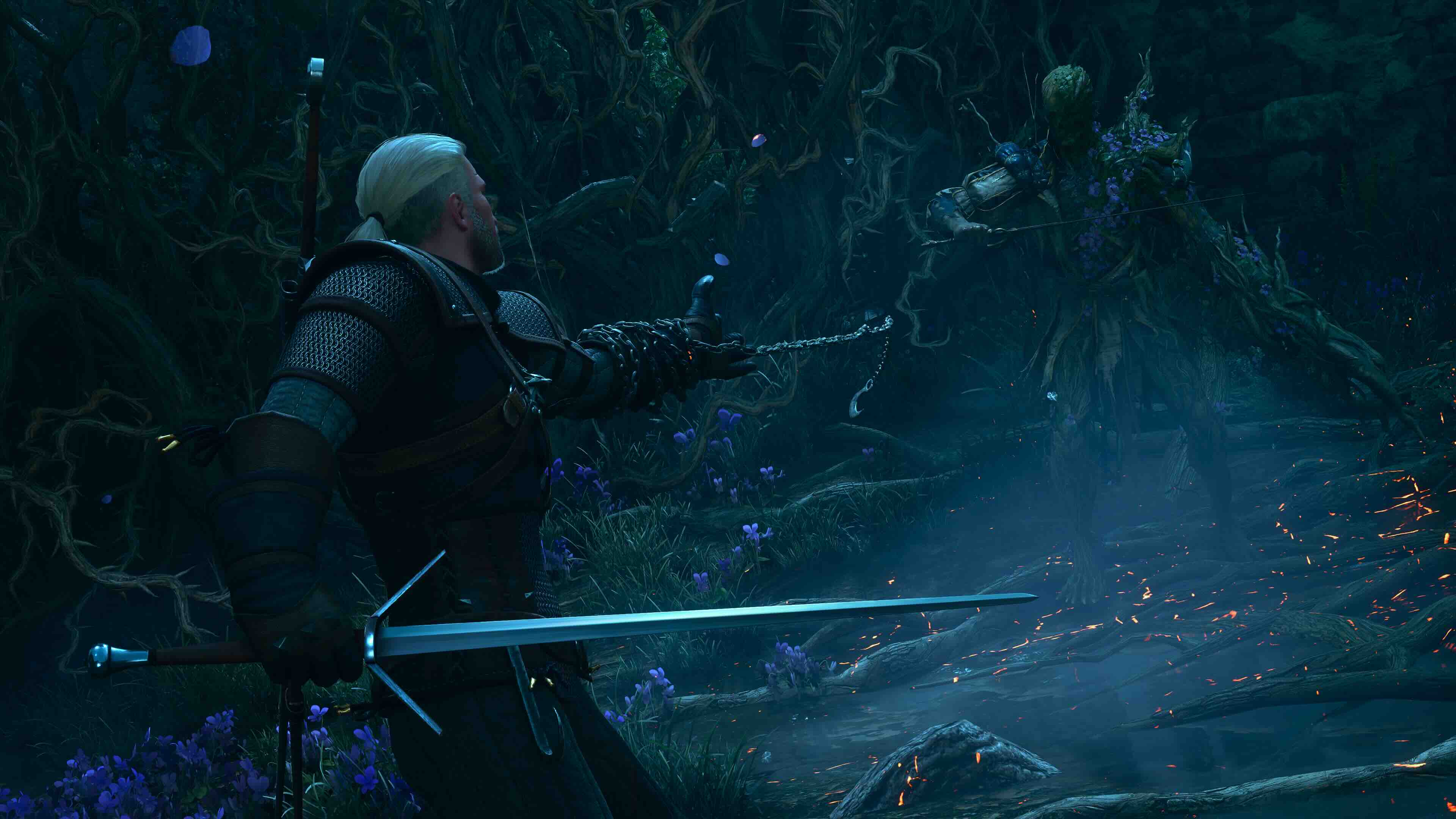
Most notable among the new gameplay additions is a classic weapon long absent from the modern games: a silver chain wrapped around Geralt’s arm. Long-time fans of the expanded universe will recognize this tool from the iconic intro cinematic of the original 2007 The Witcher game, as well as Andrzej Sapkowski’s source material, where Geralt utilizes it to dispatch a monstrous striga.
Intriguingly, eagle-eyed fans have also noted that Ciri wields an identical weapon in early cinematic promotional materials for the upcoming The Witcher 4, sparking fervent lore discussions across community forums.
In practice, the silver chain serves a specialized tactical purpose: crowd control against packed groups of enemies. During demonstrations, the chain was deployed against a brand-new enemy type appropriately dubbed "swarmions." These creatures excel at overwhelming the player through sheer numbers. By utilizing the chain, Geralt can yank individual combatants out of a horde for single combat or whip the weapon in a wide arc to keep encroaching beasts at bay.
The chain integrates seamlessly into the combat UI, selected much like a sign or a bomb. Players can execute quick strikes with a simple button press or hold down a modifier to manually target specific enemy body parts. This action engages a time-dilation effect similar to the base game’s crossbow mechanics, allowing for precise, tactical targeting during high-pressure encounters.
Official Statements: The Vision Behind the Remaster and Expansion
CD Projekt Red leadership has been vocal about the motivations guiding both the expansion and the comprehensive base-game remaster, emphasizing a desire to future-proof their masterpiece.
Karolina Kuzia, Vision Director for Songs of the Past, highlights the thematic uniqueness of the new setting:
“[Letten is] a completely new region in northern Redania, where Dandelion comes from. We visit because of personal matters that put a toll on him, so he needs his best friend at his side. Imagine you enter a lush green valley, hidden in a mountain range… This place was never touched by war, never ravaged like the rest of the continent. People here are peaceful. They live their lives together with nature.”
However, Game Director Jakub Rokosz quickly clarifies that the idyllic setting hides deeper perils:
“Letten, albeit a land of plenty, has a dark underbelly. It wouldn’t be a Witcher adventure if Geralt didn’t have anything to do.”
Addressing the technical overhaul scheduled for September, Executive Producer of External Projects Jakub Kutrzuba explains the studio’s design philosophy for the remaster:
“We’re mostly thinking about new players, you know? We’re looking at The Witcher from that perspective—so what would be the biggest pain points? What would a player expect to be changed in order to enjoy the game? … What would The Witcher 3 look like if it was a game which released in 2026?”
Studio veteran Michal Badowski elaborates on the practical improvements made to the core gameplay experience:
“The remaster includes so many improvements, so many fixes, so many changes and gameplay improvements. All the improvements make the combat much more smooth, much more natural. You can change target while playing the animation or performing strikes, and it gives the game a kind of freshness.”
Future Outlook: A New Standard for Single-Player RPG Re-releases
The announcement of both a full modern remaster (releasing September 29) and the Songs of the Past expansion (arriving next year) marks a pivotal moment for CD Projekt Red. By actively addressing the minor mechanical friction points, animation awkwardness, and pathfinding quirks that occasionally deterred modern players from diving into the 2015 classic, CDPR is ensuring that The Witcher 3: Wild Hunt remains relevant for generations of gamers to come.
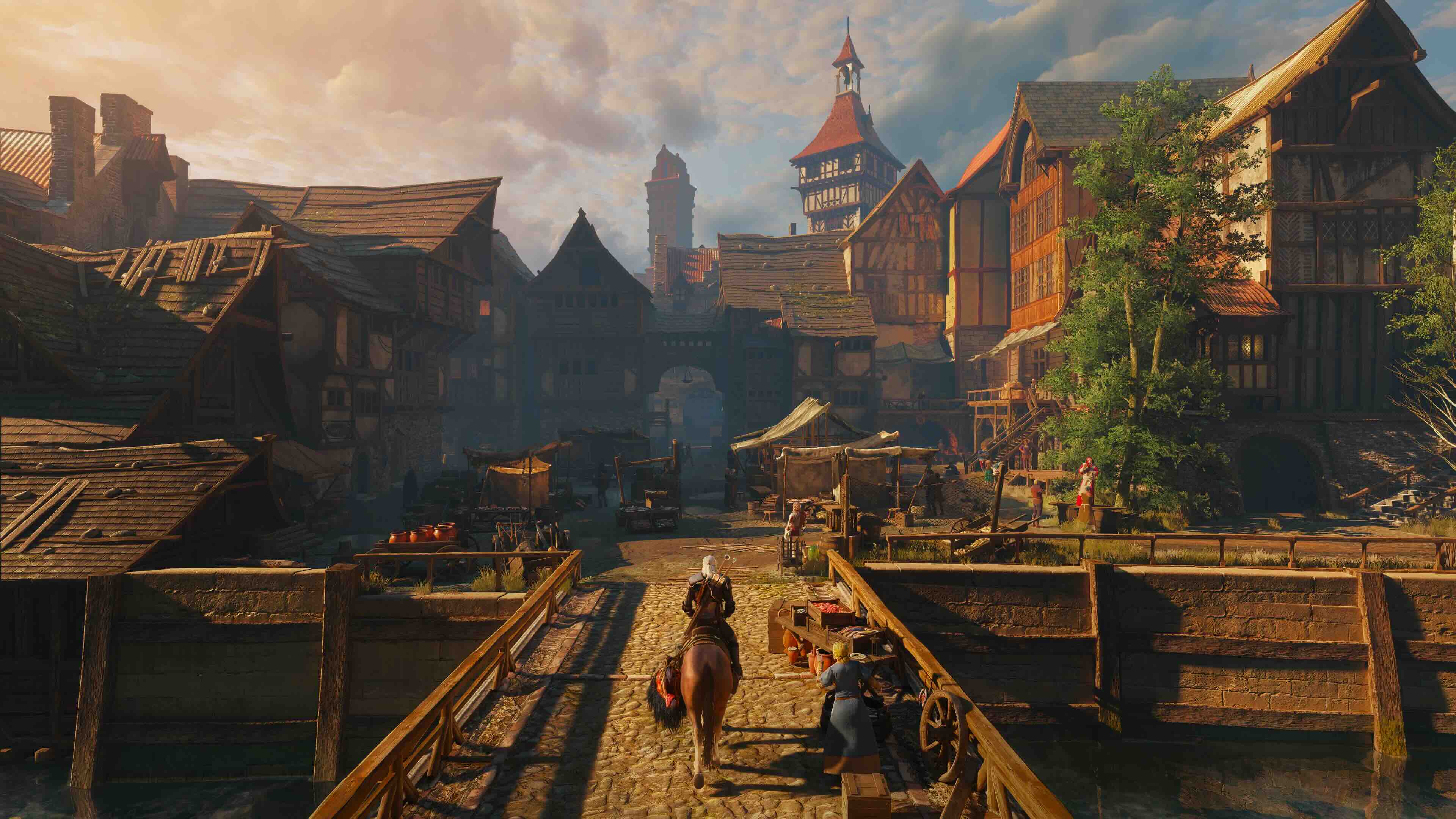
Furthermore, the introduction of advanced environmental simulation—such as dynamic NPC routines involving working carts, functioning boats, and complex community behaviors in Letten—demonstrates a commitment to breathing unprecedented life into an already legendary virtual world.
As the gaming community eagerly awaits the launch of the remaster this September and the subsequent release of Songs of the Past, one thing is abundantly clear: Geralt of Rivia’s time on the Path is far from over, and the enduring legacy of the Continent continues to expand into brilliant, uncharted territories.









Belum ada komentar. Jadilah yang pertama berkomentar!