

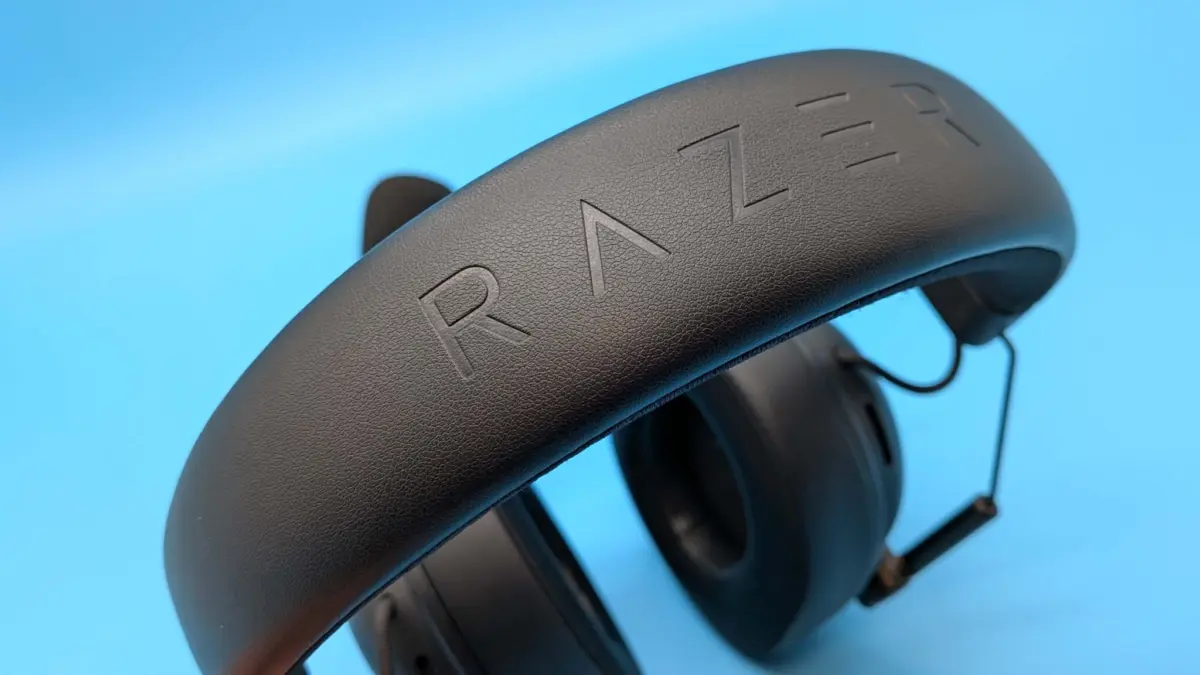
Executive Overview
For PC and console enthusiasts alike, 2026 has shaped up to be a profoundly challenging period for hardware acquisition. Driven largely by ongoing, artificial intelligence-induced component shortages, the market for fundamental PC building blocks—ranging from RAM modules and high-capacity solid-state storage to cutting-edge graphics processing units (GPUs)—has experienced relentless price inflation. This macro-level squeeze has predictably exerted a knock-on effect across the entire gaming peripheral ecosystem.
When consumers face inflated costs simply to acquire basic system memory or next-generation console hardware like the rumored Nintendo Switch 2, expectations for bargain-hunting elsewhere are naturally subdued. Retailers have had little incentive to slash prices on high-end accessories.
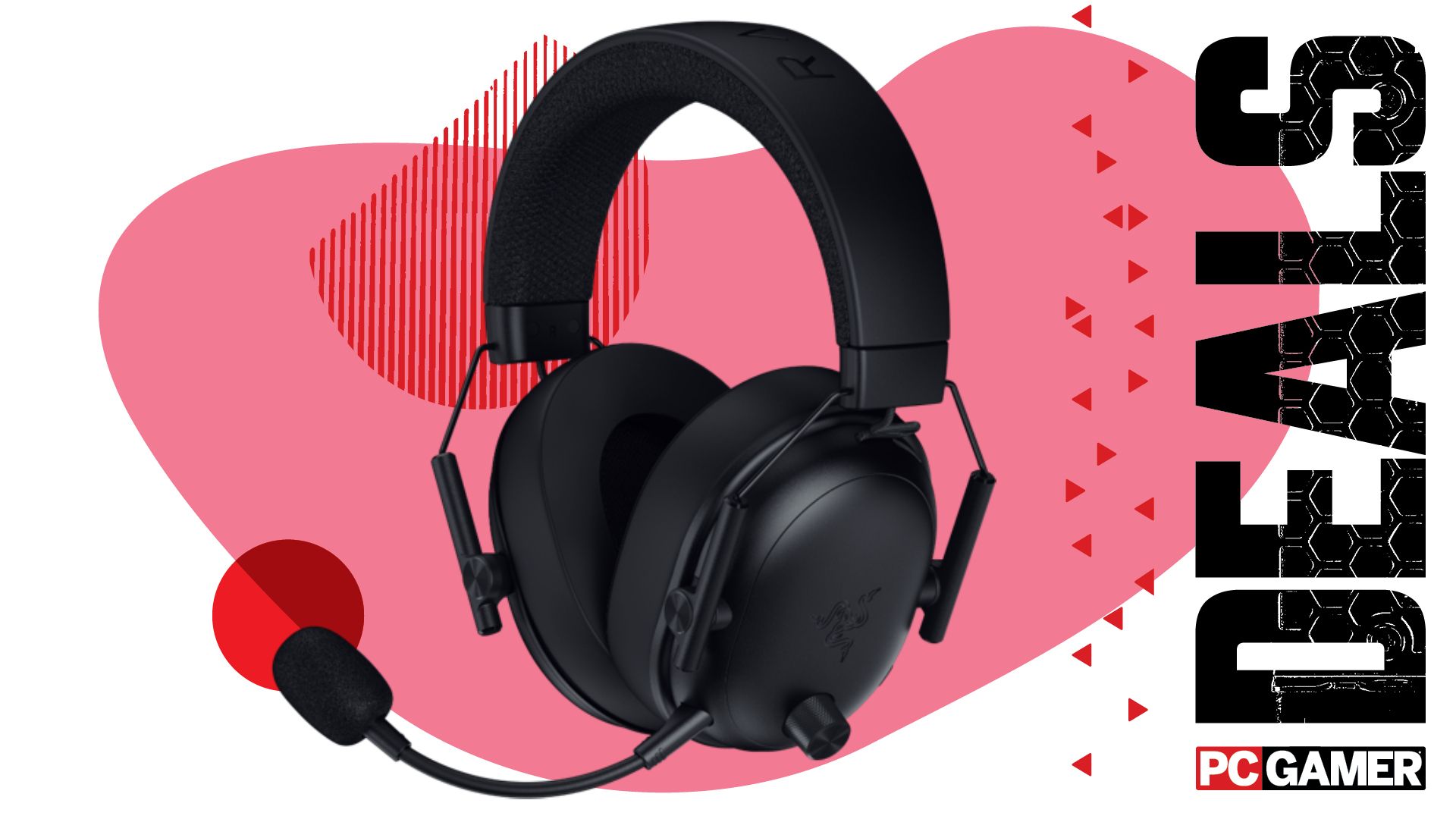
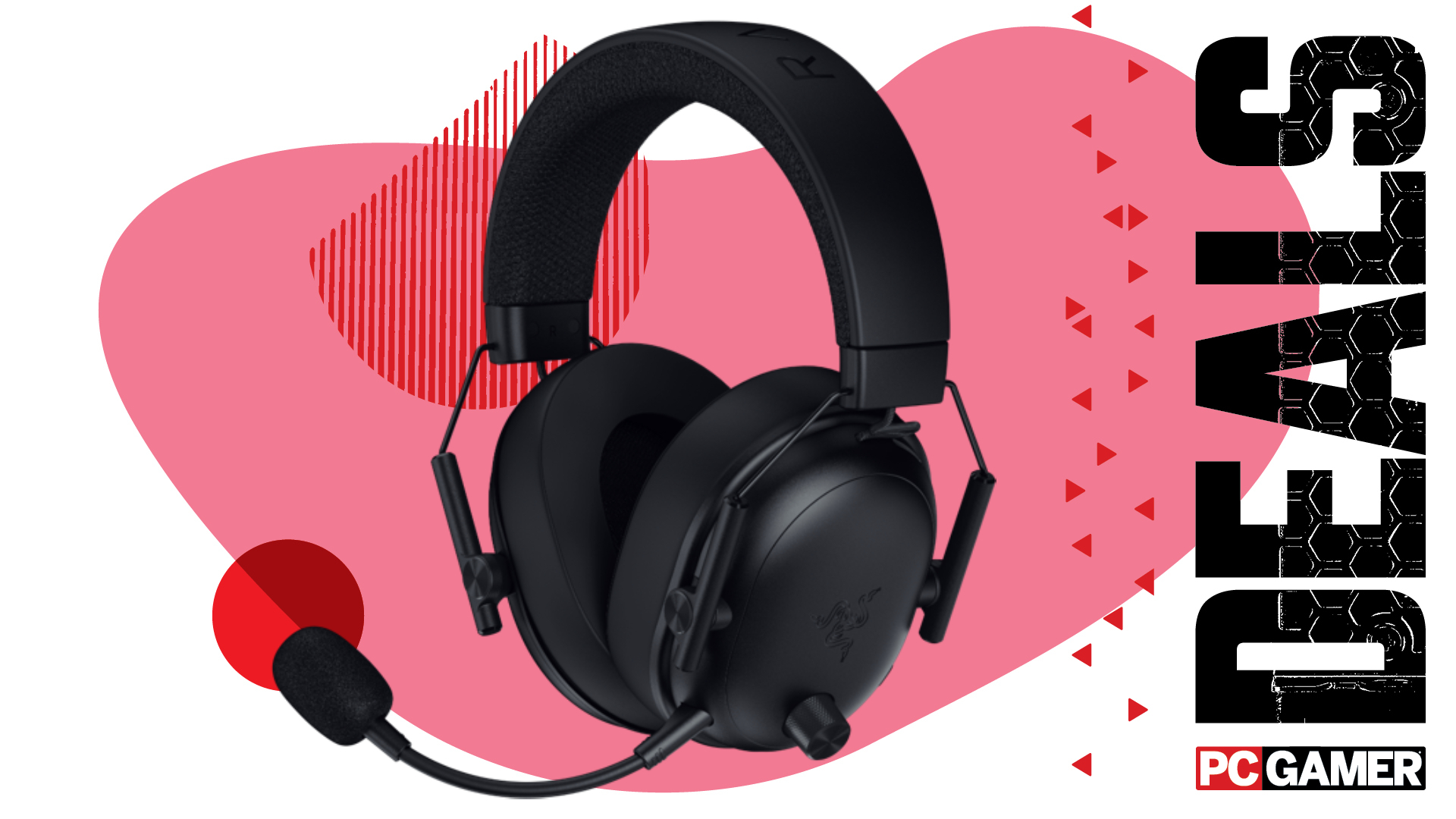
It was against this backdrop of pervasive market cynicism that Amazon Australia launched its Gaming Week 2026 sale. Initial expectations across the enthusiast community were muted, given that previous promotional cycles—including the mid-year End of Financial Year (EOFY) sales—failed to match the aggressive discounting seen in prior years. Yet, a rigorous scan of the event’s storefront yielded a genuinely compelling hardware deal: the Razer BlackShark V3, widely recognized as one of the preeminent gaming headsets on the market, has plummeted to its lowest price point yet.
Dropping 32% from its standard retail price (RRP) of AU$279.95 down to AU$190.30, and with a PlayStation 5-themed variant sliding even further to AU$179.47, this promotion stands as a rare oasis in a desert of inflated tech pricing. This report breaks down the context of the 2026 hardware market, reviews the architectural and acoustic merits of the BlackShark V3, and examines why this specific discount represents an exceptional value proposition for discerning gamers.
Detailed Chronology: How the 2026 Hardware Crisis Unfolded
To fully appreciate the significance of a major price drop on a flagship peripheral, one must understand the macroeconomic and supply chain pressures that have defined the consumer tech landscape throughout 2026.
Early 2026: The AI Infrastructure Bottleneck
The roots of the current consumer hardware crunch trace back to the relentless, hyperscale expansion of artificial intelligence data centers. Throughout late 2025 and into the opening quarters of 2026, semiconductor foundries and memory manufacturers prioritized high-bandwidth memory (HBM) and enterprise-grade AI accelerators.
This corporate pivot created severe downstream allocation constraints for consumer-grade dynamic random-access memory (DRAM) and NAND flash storage. Consequently, component prices skyrocketed, pushing retail costs for RAM kits and NVMe SSDs up by 30% to 50% year-over-year.
Mid-2026: The Periphery Spillover Effect
As the cost of core internal components surged, consumer discretionary spending tightened. Industry analysts observed a distinct contraction in peripheral sales during the traditional EOFY promotional windows. Headsets, mechanical keyboards, and gaming mice—goods that typically see aggressive markdowns to clear warehouse inventory—remained stubbornly close to their MSRPs. Manufacturers and retailers reasoned that consumers unwilling or unable to afford full system upgrades would similarly balk at purchasing mid-tier accessories, leading to a general freeze on spontaneous hardware promotions.
Late Q3 2026: The Amazon AU Gaming Week Pivot
Breaking from this industry-wide conservatism, Amazon Australia’s Gaming Week initiative introduced targeted, deep-cut promotions on select premium items. While the broader catalog featured standard, incremental discounts, logistics networks orchestrated a significant clearance event on select imported stock—most notably routing high-end Razer audio gear directly from European distribution hubs to Australian consumers with subsidized or free shipping models. This logistical workaround allowed Amazon AU to bypass local distributor markup structures, culminating in the historic price drop for the Razer BlackShark V3.
Supporting Context & Metrics: Analyzing the Razer BlackShark V3 Deal
When evaluating a peripheral discount, the raw percentage drop tells only part of the story. True value is determined by the underlying hardware performance relative to the adjusted price point.
Pricing Breakdown and Logistics
- Standard Australian Retail Price (RRP): AU$279.95
- Amazon AU Promotional Price (PC/Universal Edition): AU$190.30 (A 32% savings)
- Alternative Variant (PlayStation 5 Edition): AU$179.47 (Functionally identical, featuring aesthetic PlayStation-themed blue accents)
- Fulfillment Details: Shipped directly from Amazon Germany facilities, with standard delivery remaining free of additional international freight charges for Prime members.
Technical Performance vs. Market Alternatives
In rigorous comparative testing conducted by industry publications, the Razer BlackShark V3 achieved a stellar score of 91 out of 100, capturing the coveted top spot in competitive gaming headset roundups.
| Feature Category | Performance Metric / Observation | Market Impact |
|---|---|---|
| Acoustic Fidelity | Crystalline high-end clarity with balanced mid-range and punchy bass response. | Sets a high benchmark for wireless spatial awareness in competitive shooters. |
| Chassis & Ergonomics | Lightweight yet structurally rigorous frame design. | Minimizes head fatigue during multi-hour gaming sessions without sacrificing durability. |
| Latency Profile | Ultra-low latency wireless transmission via proprietary 2.4GHz dongle. | Eliminates noticeable audio desynchronization, matching wired performance. |
| Battery Longevity | Moderate endurance compared to heavyweight competitors. | Trade-off accepted by engineers to maintain low latency and a lightweight physical profile. |
Official Insights & Expert Evaluations
The architectural triumphs and minor trade-offs of the Razer BlackShark V3 have been extensively documented by hardware analysts.
Reflecting on the comprehensive testing process, senior hardware reviewers emphasized that the headset punches well above its weight class—particularly when bypassing the upper-tier pricing tiers typically reserved for "Pro" monikers.
"It’s going to take something more than just an inconvenience to trump the audio quality on offer with the BlackShark V3," noted lead hardware evaluator Dave James during benchmark testing.
"When the different headsets arrived in the office, it was always going to be about the top-end V3 Pro, for me. But the process of testing these different cans has shown just what a great wireless gaming headset this middle child is."
The core engineering philosophy behind the BlackShark V3 focused heavily on acoustic precision and wearer comfort. By stripping away extraneous weight and prioritizing a low-latency wireless pipeline, Razer managed to deliver high-end tournament-grade audio without locking the device behind an exorbitant price wall. While the emphasis on ultra-low latency introduces a minor concession in raw battery runtime when compared to bulkier, less responsive competitors, the consensus remains that the acoustic payoff heavily outweighs the logistical inconvenience of slightly more frequent charging intervals.
Future Outlook: What This Means for the Remainder of 2026
As the technology sector navigates the remainder of 2026, the appearance of deep-discount anomalies like the BlackShark V3 sale offers a nuanced glimpse into retail strategies during a supply chain crunch.
- Targeted Expatriate Logistics: Expect major online retailers to increasingly rely on cross-regional inventory pooling (such as fulfilling Australian orders from European or Asian logistics hubs) to source and discount hardware that would otherwise remain overpriced under local distribution models.
- Periphery Divergence: While core components (GPUs, RAM, CPUs) are expected to remain artificially inflated due to sustained enterprise AI infrastructure demand, peripherals and audio gear may see periodic, highly volatile flash sales as manufacturers attempt to stimulate stagnant consumer liquidity.
- Consumer Strategy: For gamers looking to upgrade their setups without participating in the inflated internal component market, focusing capital on high-impact peripherals—such as a top-tier headset currently sitting at a 32% discount—represents the most mathematically sound upgrade path available in the current economic climate.
Whether Amazon AU’s Gaming Week proves to be an isolated anomaly or the precursor to a wider holiday clearance trend remains to be seen. However, for those currently enduring the hardware drought, securing a premier piece of acoustic engineering at a sub-AU$200 price point provides a rare and welcome victory.









Belum ada komentar. Jadilah yang pertama berkomentar!