

Executive Overview
The landscape of spatial computing is undergoing a significant expansion as Valve officially introduces a native Steam Link application for visionOS, currently rolling out in its initial public beta phase. While the Apple Vision Pro has firmly established itself as a premier destination for cinematic media consumption, mixed-reality productivity, and high-end immersive video—such as upcoming broadcasts of NASA’s Artemis II mission—its gaming library has historically relied on dedicated visionOS titles, iPad ports, or cloud-streaming workarounds.
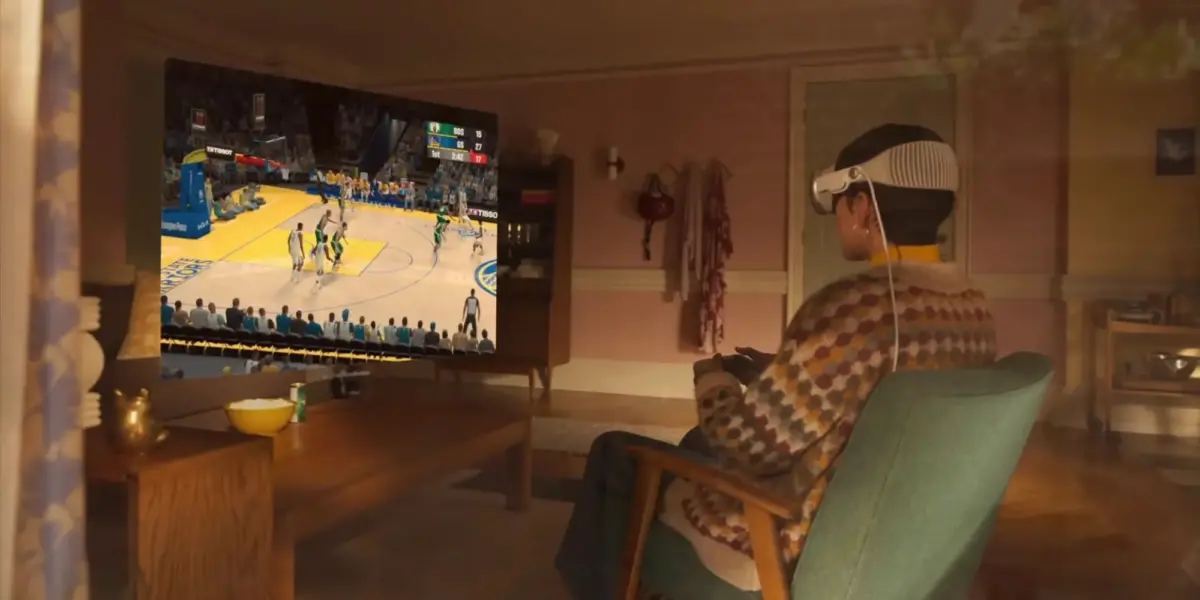
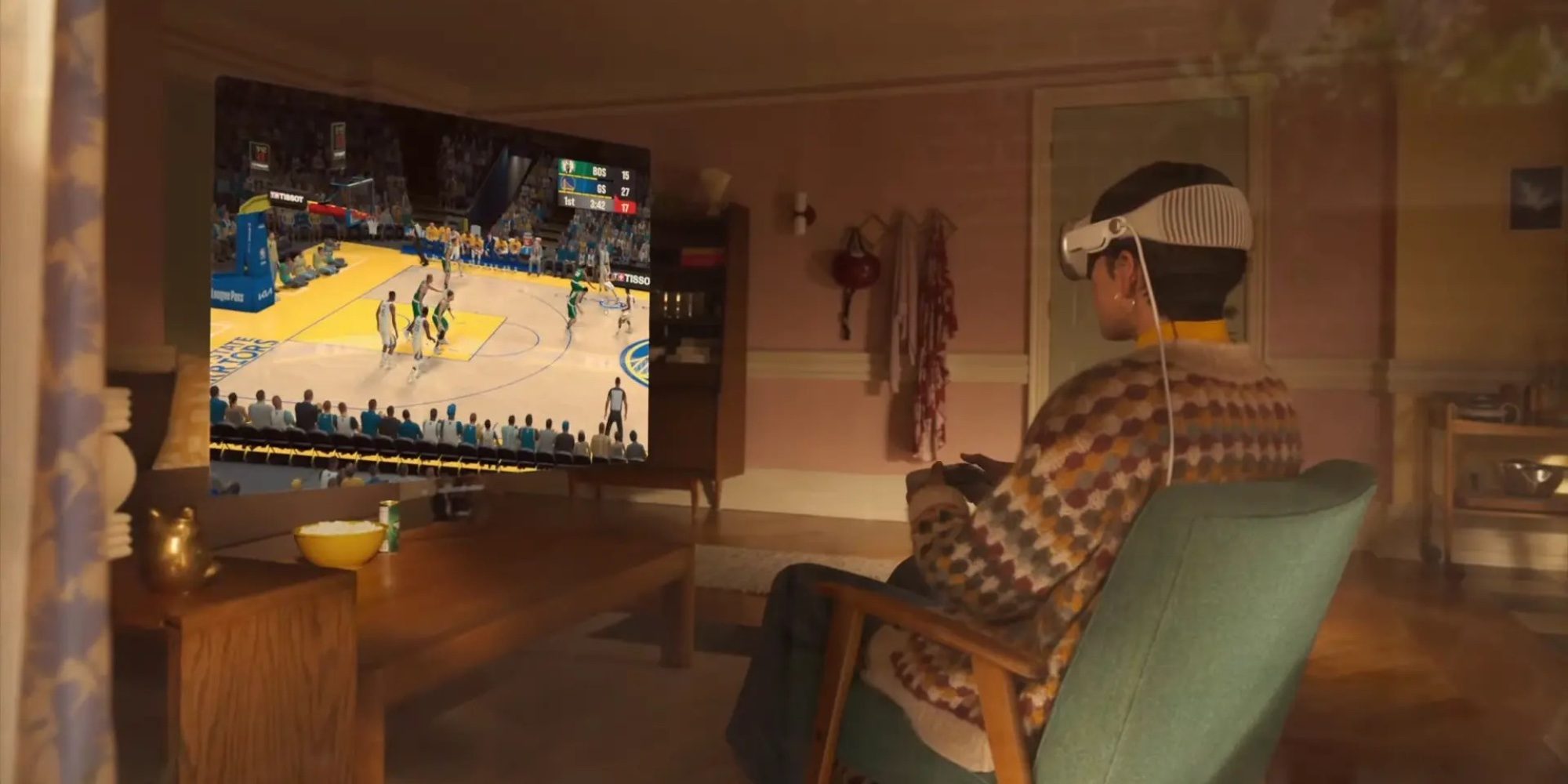
The arrival of a native Steam Link client changes this paradigm dramatically. By allowing users to stream their existing PC and Mac-based Steam game libraries directly into a virtual, adjustable panoramic display within visionOS, Valve and Apple are opening up thousands of traditional titles to the spatial computing environment.
Though the initial beta rollout focuses exclusively on high-performance 2D gaming rather than native virtual reality (VR) headset streaming, the inclusion of features like 4K streaming resolution, enhanced network performance, and dynamic curved display controls signals a major leap forward for Vision Pro enthusiasts. For gamers looking to leverage their existing hardware investments inside a virtual cinematic display, the Steam Link beta—now accessible via Apple TestFlight—represents one of the most consequential software additions to the Vision Pro ecosystem to date.
Detailed Chronology: The Evolution of Steam Link on Spatial Computing
To understand the significance of a native visionOS Steam Link app, it is helpful to examine how Valve’s remote-play technology has evolved across platforms and how the Vision Pro’s software environment has matured to accommodate it.
From Living Rooms to Head-Mounted Displays
Steam Link originally debuted as dedicated hardware—a physical streaming box designed to bridge a gaming PC in a den with a television in the living room. Although that hardware was eventually discontinued, the software lived on, transitioning into a versatile app deployed across iOS, iPadOS, macOS, Android, and Apple TV.
As augmented and virtual reality headsets gained traction over the past decade, users constantly sought workarounds to bring traditional desktop titles into immersive environments. While third-party applications like Virtual Desktop and AirScreen partially bridged the gap for various hardware ecosystems, Apple Vision Pro users lacked an officially optimized, low-latency pathway to their Steam libraries natively built for visionOS.
The Path to visionOS 26.4 and Beyond
The groundwork for advanced peripheral integration and performance optimization on the Vision Pro was laid incrementally through successive iterations of the spatial operating system. Recent system updates, including the rollout of visionOS 26.4, refined graphics rendering pipelines, improved Bluetooth accessory handling, and optimized network handoffs—all crucial prerequisites for high-frame-rate, low-latency game streaming.
Realizing the potential of Apple’s micro-OLED displays and high-resolution spatial canvases, Valve initiated development on a dedicated visionOS client. Rather than forcing users to rely on web-based streaming or generalized iPad compatibility modes, Valve built a tailored application that integrates directly into the spatial computing paradigm.
Today, the release of the Steam Link beta via TestFlight marks the formal entry of Valve’s ecosystem into Apple’s mixed-reality platform, bridging the world’s largest PC gaming marketplace with some of the most advanced consumer display hardware ever manufactured.
Supporting Context & Metrics: Under the Hood of the Steam Link Beta
Bringing high-performance desktop gaming into a spatial computing headset requires overcoming significant technical hurdles, particularly regarding latency, pixel density, and wireless bandwidth. Valve’s initial release notes for the visionOS beta highlight several key performance metrics and engineering achievements designed to ensure a smooth user experience.
Technical Specifications of the visionOS Client
- Resolution Support: The native Steam Link app is engineered to support crisp streaming capabilities up to 4K resolution, fully leveraging the ultra-high pixel density of the Apple Vision Pro’s dual micro-OLED panels.
- Display Flexibility: Users are not locked into a static flat window. The application features a panoramic mode with dynamically adjustable display curvature, allowing players to wrap their virtual gaming monitor around their field of view for an IMAX-style theatrical experience.
- Network Optimization: Upgraded networking protocols within the beta build minimize packet loss and reduce input lag, which is critical when translating controller inputs from a connected DualSense or Xbox controller through the headset to a host PC over a local Wi-Fi network.
- Content Scope: Crucially, the current build is optimized exclusively for 2D game streaming. It does not natively unpack or stream PC VR headset titles (such as SteamVR room-scale games), focusing instead on transforming standard monitor-based games into massive floating spatial displays.
Impact on Hardware and Ecosystem Dynamics
For Apple Vision Pro owners, this development alleviates one of the most frequent criticisms leveled against the hardware: a perceived lack of AAA "traditional" gaming options. While developers have ported select titles to Apple Silicon via the Game Porting Toolkit, the vast majority of high-end PC blockbusters—from competitive multiplayer shooters to sprawling role-playing games—remain locked to Windows PCs and Steam-compatible Macs.
By utilizing Steam Link, a Vision Pro owner can sit on an airplane, in a hotel room, or on their living room couch, fire up a host PC located in another room, and immediately access an expansive backlog of hundreds or thousands of games without needing to purchase dedicated mobile ports.

Official Statements and Access Guide
Valve announced the beta launch through official community channels, detailing the technical parameters of the application and providing clear instructions for early adopters wishing to test the software.
What Valve’s Announcement States
In an official update posted to the Steam community discussions, Valve outlined the primary focus of the new client:
"This update improves network performance, allows streaming up to 4K resolutions, and allows you to dynamically adjust the curve of the display in panoramic mode. This client is for 2D streaming only and does not support VR content."
How to Join the Steam Link Beta on Apple Vision Pro
Because the application is currently in its testing phase, interested users must install it via Apple’s official developer and beta distribution platform, TestFlight.

- Ensure Compatibility: Make sure your Apple Vision Pro is running an up-to-date version of visionOS, and verify that your host PC or Mac has Steam installed and is running on the same local network (or connected via a robust remote connection).
- Access TestFlight: Open the TestFlight link provided by Valve (Join the Steam Link beta via TestFlight) directly from your Apple Vision Pro web browser.
- Install the App: Accept the invitation to download and install the Steam Link beta onto your device.
- Pair and Play: Launch the application inside visionOS, pair it with your host computer running Steam, connect a compatible Bluetooth controller (such as an Xbox Wireless Controller or Sony DualSense), and select a game from your library to begin streaming onto your custom-curated virtual screen.
Future Outlook: What’s Next for Gaming in Spatial Computing?
The launch of the Steam Link beta for visionOS represents an important milestone, but it also raises intriguing questions about the long-term convergence of PC gaming and spatial computing.
The Horizon for Native Spatial Gaming
While 2D streaming inside a massive virtual window offers an immediate upgrade to the Vision Pro library, developers and consumers alike are keeping a close eye on whether full VR streaming support might eventually arrive. Overcoming the architectural differences between visionOS and traditional PC VR runtimes (like OpenXR or SteamVR) presents engineering challenges, but the demand for untethered, high-fidelity spatial gaming remains immense.
Furthermore, as Apple continues to refine its spatial operating system, we may see deeper integrations between visionOS interface elements, hand-tracking controllers, and traditional desktop input devices. For now, however, the ability to play standard PC games on a gorgeous, scalable 4K virtual screen provides an exceptional bridge between traditional desktop gaming and the future of spatial displays.
As testers provide feedback during the beta cycle, Valve is expected to iron out network performance bugs, refine UI scaling, and eventually transition the Steam Link app into a stable, public release on the visionOS App Store. For Apple Vision Pro owners, the gaming library just got infinitely larger.






Belum ada komentar. Jadilah yang pertama berkomentar!