

Executive Overview
The evolution of home and enterprise networking is standing at a historic precipice. While global consumers are still actively transitioning their device ecosystems to embrace the high-speed boundaries of Wi-Fi 7, the hardware manufacturing vanguard is already aggressively looking past the horizon. The recent announcement blitz—sparked by TP-Link at IFA 2026 with its Archer 9 Ultra and Deco 8 Ultra lineups, and fiercely contested by Asus’s earlier Computex reveal of the ROG Rapture GT-BN98 and ZenWiFi BN12—signals the official commencement of the Wi-Fi 8 era.
Yet, contrary to past generational leaps that obsessively hyper-focused on raw, laboratory-conditions peak throughput, the Wi-Fi 8 standard shifts the foundational paradigm entirely. Rather than chasing abstract multi-gigabit speed milestones that practical client devices struggle to saturate, Wi-Fi 8 is engineered as a definitive user-experience and stability overhaul. It directly targets the modern plague of congested airwaves: packet jitter in crowded environments, long-range performance degradation, the seamless handling of sprawling Internet of Things (IoT) ecosystems, and relentless stability under crushing network loads.
As hardware giants race to capture early-adopter market share, consumers are left weighing the value of future-proofing against the practical realities of client hardware availability. This report provides an authoritative, exhaustive deep-dive into the architectural realities of Wi-Fi 8, the flagship hardware leading the charge, and what this technological leap means for the modern digital consumer.
Detailed Chronology of the Wi-Fi 8 Hardware Unveiling
The race to commercialize Wi-Fi 8 hardware has evolved rapidly through the summer and autumn of 2026, characterized by high-stakes corporate positioning and competitive one-upmanship between networking titans Asus and TP-Link.
June 2026: Asus Stakes Its Claim at Computex
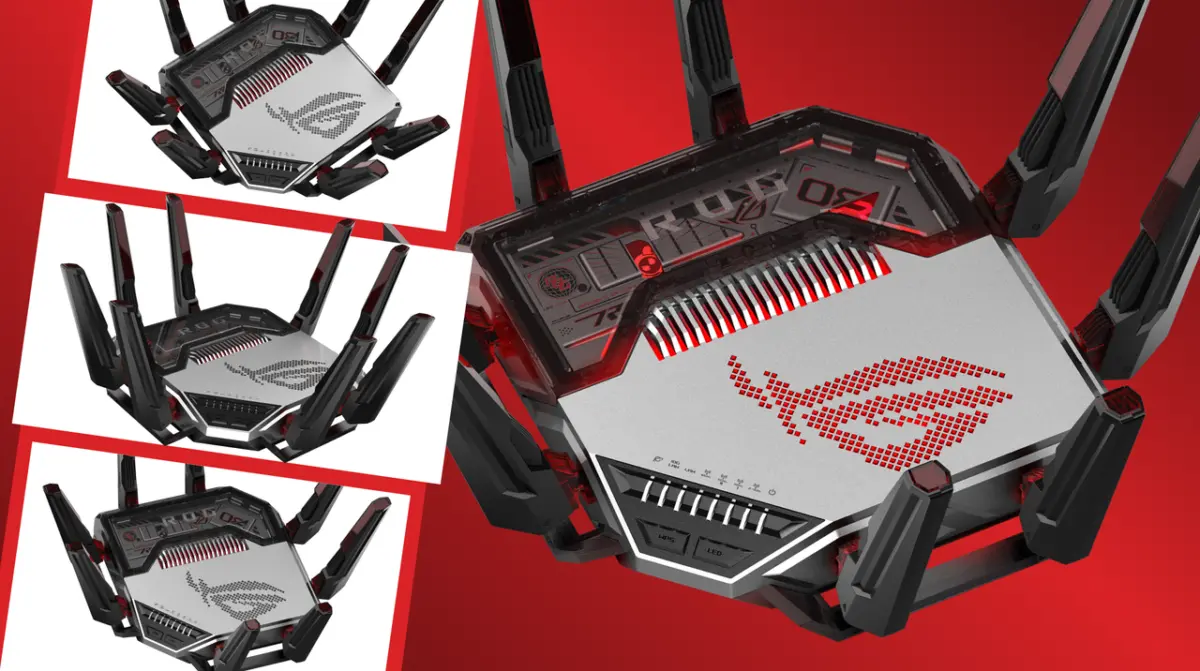
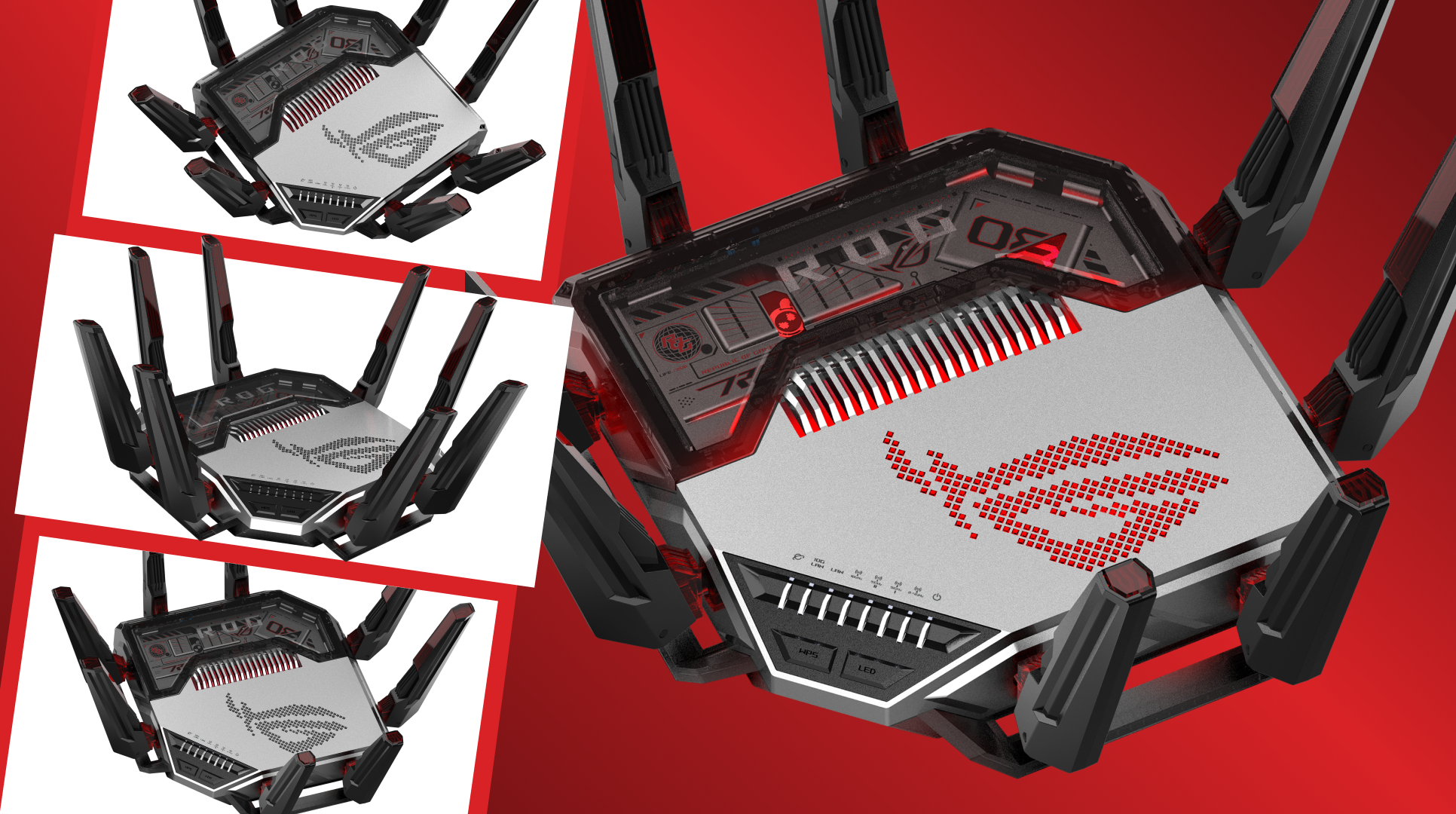
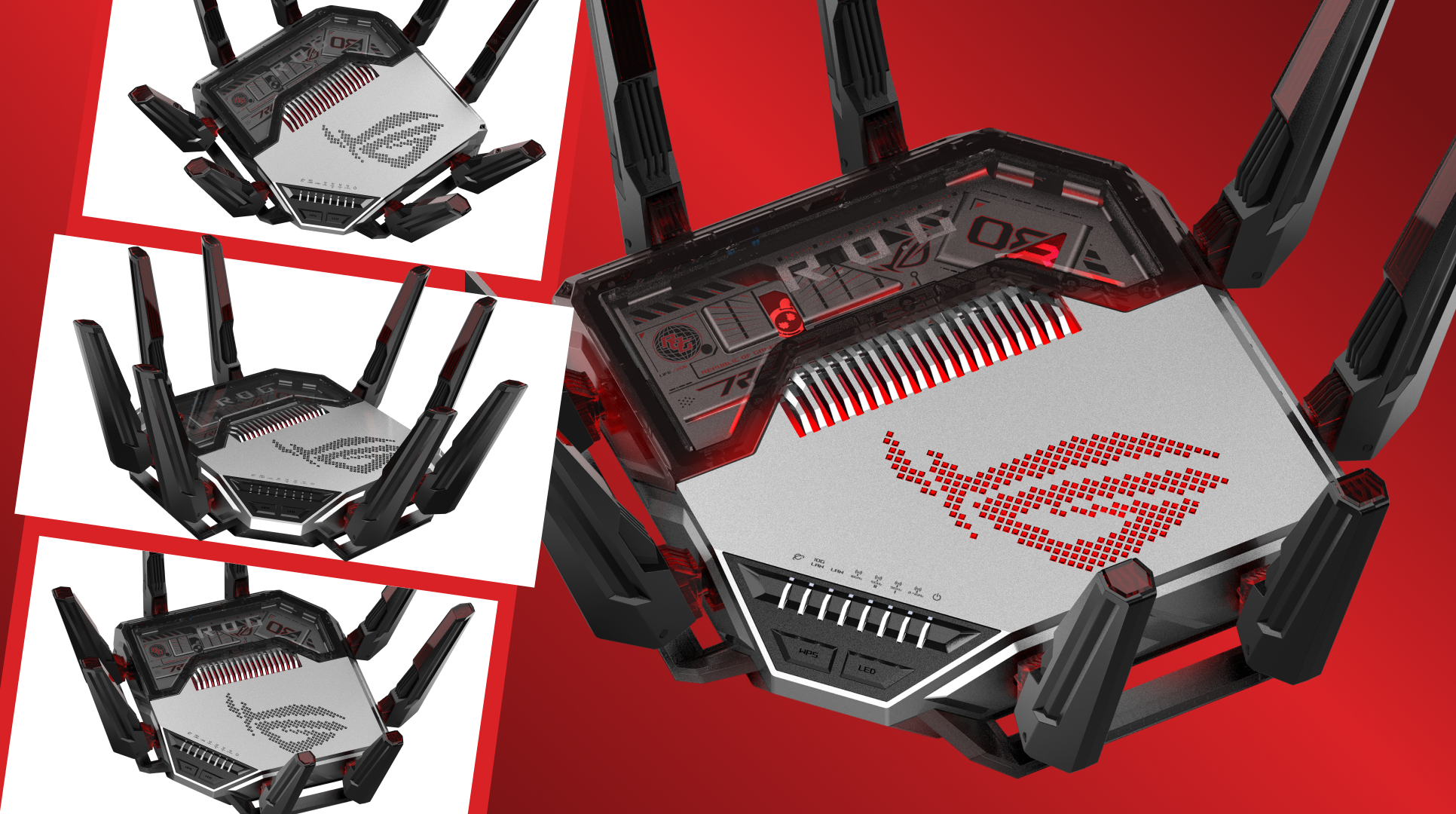
The opening salvo of the Wi-Fi 8 generation was fired quietly yet definitively during Computex in Taipei. While mainstream industry observers anticipated a prolonged life cycle for Wi-Fi 7, Asus broke cover by pulling back the curtain on its premier next-generation hardware ecosystem. Front and center was the ROG Rapture GT-BN98, a quintessential Republic of Gamers flagship that married cutting-edge network architecture with aggressive, over-the-top styling tailored specifically for competitive gaming households.
Alongside the enthusiast-grade ROG hardware, Asus also previewed the ZenWiFi BN12—a more pedestrian, consumer-friendly mesh system targeted at whole-home deployments without the aggressive gamer aesthetic. Crucially, while Asus demonstrated working hardware and confirmed that review samples of the ROG Rapture GT-BN98 would begin circulating to major tech publications imminently, official retail pricing and definitive launch dates were withheld, leaving the industry in a state of high anticipation.
September 2026: TP-Link’s IFA Blitz and the "First" Controversy
The tension surrounding the standard’s commercial birth reached a boiling point at IFA 2026 in Berlin. TP-Link took to the global stage to officially announce its own proprietary Wi-Fi 8 ecosystem, comprising the Archer 9 Ultra router and the Deco 8 Ultra mesh Wi-Fi system. In its press materials and keynote presentations, TP-Link publicly claimed these devices represented the world’s first-ever revealed Wi-Fi 8 router lineup.
However, industry record-keeping quickly challenged this narrative. Hardware historians and journalists promptly pointed back to Asus’s hardware reveals at Computex three months prior. While a minor corporate dispute over semantics and trade show bragging rights, the public posturing underscored the immense strategic value brands place on being perceived as the undisputed pioneer of next-generation wireless technology. Like Asus, TP-Link’s initial IFA rollout stopped short of providing definitive pricing tables or precise retail availability windows, vaguely pointing toward a late-year commercial rollout.
Supporting Context & Metrics: The Engineering Philosophy of Wi-Fi 8
To truly appreciate why manufacturers are pushing Wi-Fi 8 to market so soon after the rollout of Wi-Fi 7, one must examine the distinct engineering limitations the new standard aims to conquer.
The Shift from Raw Speed to Real-World Stability
Historically, Wi-Fi iterations were defined by dramatic upward leaps in maximum theoretical throughput—often measured in tens of gigabits per second. While Wi-Fi 7 introduced massive channel bandwidths (up to 320 MHz) and multi-link operation (MLO) to accelerate data delivery, it occasionally faltered in real-world deployments burdened by physical obstructions, extreme distance, and rampant radio-frequency (RF) congestion.
Wi-Fi 8 deliberately pivots away from this "speed-for-speed’s-sake" philosophy. Its core design mandate focuses on Ultra High Reliability (UHR). The standard is architected to optimize network efficiency, reduce latency spikes in densely populated urban environments, and dramatically improve performance metrics where it matters most: at medium-to-long ranges and under heavy, multi-device saturation.
Key Performance Advantages of Wi-Fi 8
- Enhanced Range Performance: Early technical metrics indicate that Wi-Fi 8 technologies can facilitate nearly double the effective throughput at mid-to-long ranges compared to predecessor standards, neutralizing signal degradation caused by walls and distance.
- IoT Network Scaling: Smart home ecosystems frequently choke under the weight of dozens of connected sensors, smart bulbs, and cameras. Wi-Fi 8 delivers nearly double the effective IoT network coverage and management efficiency.
- Latency Mitigation in Crowded Environments: In apartment complexes or office buildings saturated with overlapping Wi-Fi networks, Wi-Fi 8 employs advanced spatial reuse and coordination mechanisms to drastically curb packet jitter and latency spikes.
- Legacy Device Lifting: Surprisingly, Wi-Fi 8 architectures improve the network handshake and performance metrics of older, weaker legacy devices connected to the same access point, ensuring a smoother overall home network lifecycle.
Official Hardware Breakdown: Inside the Flagship Routers
The hardware hitting the market from Asus and TP-Link showcases an uncompromising commitment to physical connectivity and intelligent software allocation.
The Asus ROG Rapture GT-BN98 Pro
Pitched squarely at high-end PC gamers, content creators, and power users, the ROG Rapture GT-BN98 Pro combines the baseline performance gains of Wi-Fi 8 with Asus’s proprietary software suite.
- AI-Powered Adaptive QoE: The router features a real-time, AI-driven Quality of Experience (QoE) engine. By actively analyzing packet contents and behavioral patterns on the fly, the system instantly categorizes application demands. It dynamically isolates and prioritizes gaming data streams, effectively starving out background bandwidth hogs—such as large cloud backups or 4K video streams—during critical competitive gaming moments.
- Comprehensive Interface & Wired Ports: Abandoning any notion of wireless-only reliance, the Rapture GT-BN98 features dual 10Gbps ports (with one port preconfigured explicitly for priority game optimization) alongside dedicated 2.5Gbps WAN and LAN ports, guaranteeing zero compromise for hardwired gaming rigs and NAS devices.
- Advanced Telemetry: The onboard management interface has been overhauled to provide hyper-granular visual data regarding the local RF environment, client device health, and real-time traffic distributions.
- Subscription-Free Security: Eschewing the industry trend of locking robust security behind recurring monthly paywalls, Asus bundles its triple-level network security package—including AiProtection and comprehensive parental controls—completely free of ongoing subscriptions.
The Asus ZenWiFi BN12 Mesh System
For consumers prioritizing whole-home coverage over aggressive gaming aesthetics, Asus’s ZenWiFi BN12 offers a modular alternative available as a standalone unit or a multi-node mesh system.
The system leverages advanced Multi-Link Operation (MLO) backhaul between nodes, effectively eradicating the severe performance drop-off traditionally plaguing multi-hop wireless mesh topologies. Each node is heavily fortified with physical connectivity options, sporting dual 10Gbps ports and triple 2.5Gbps ports. Like its stablemate, it inherits the full suite of VPN integrations, multi-SSID capabilities, robust server functionality, and free AiProtection suite.
Future Outlook: Should You Upgrade?
As consumers gaze at the impending commercial availability of Wi-Fi 8 hardware, a critical strategic question looms: Should you purchase these routers as soon as they hit shelves later this year?
The Client Hardware Bottleneck
For the vast majority of consumers, an immediate, day-one upgrade is ill-advised—particularly for those who have recently transitioned to a robust Wi-Fi 7 setup. The bottleneck preventing an immediate migration lies in client-side adoption.
Routers transmit and receive data, but they require compatible client network cards, smartphones, laptops, and USB adapters to fully harness a new wireless standard. Historically, consumer electronics manufacturers introduce Wi-Fi client hardware weeks or even months after standalone routers hit the retail market. Purchasing a Wi-Fi 8 router on day one means running state-of-the-art infrastructure communicating with older Wi-Fi 7 or Wi-Fi 6E client devices, preventing users from experiencing the standard’s true architectural benefits immediately.
The Strategic Value of Future-Proofing
Conversely, for consumers whose legacy routers are failing, or those planning a major home network overhaul in the near-to-medium future, waiting for or investing in Wi-Fi 8 hardware represents the ultimate long-term play. Because Wi-Fi 8 backward-compatible engineering encompasses all the raw performance benefits of Wi-Fi 7 while aggressively solving stability, congestion, and range limitations, these next-generation units offer superior longevity.
As review samples of the Asus ROG Rapture GT-BN98 and TP-Link’s Ultra series flood test benches in the coming weeks, real-world benchmarks will soon reveal whether the marketing promises of Wi-Fi 8 match its messy, brilliant execution in the field. Until then, network enthusiasts would do well to monitor pricing announcements closely while preparing their device ecosystems for the inevitable wave of UHR connectivity.









Belum ada komentar. Jadilah yang pertama berkomentar!