

Executive Overview
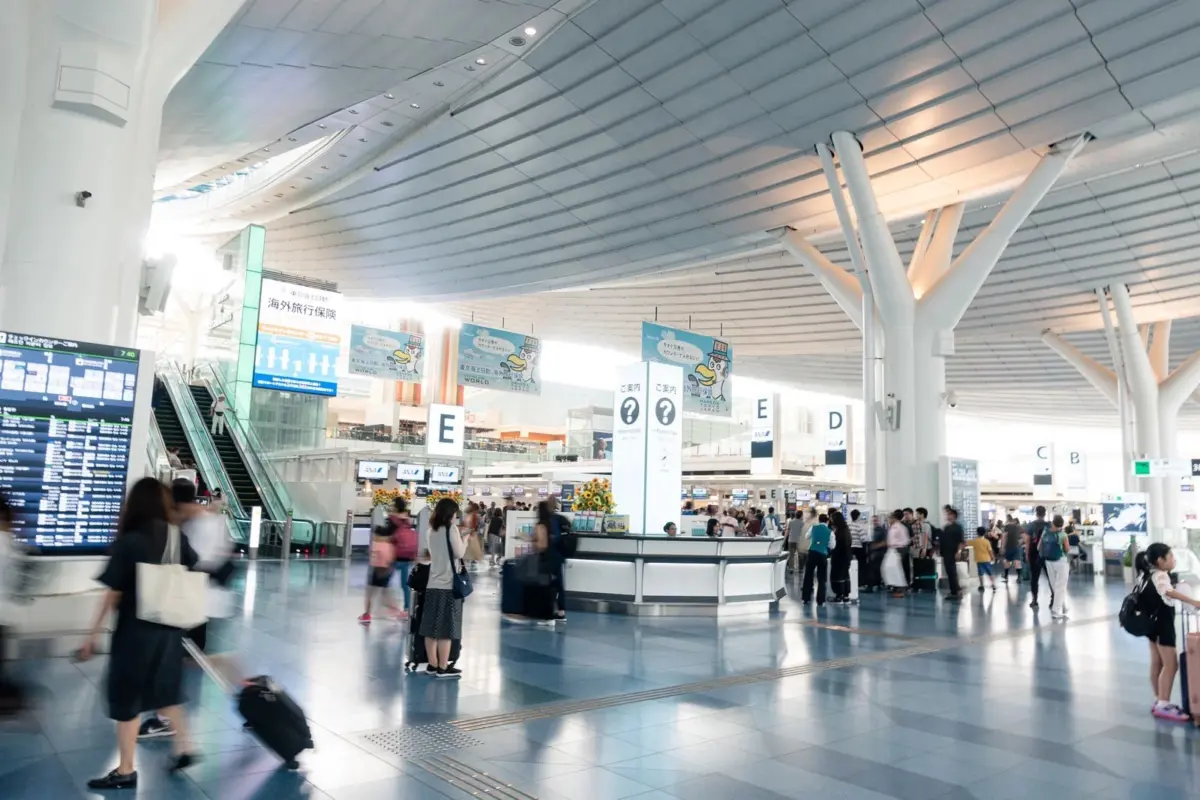
Japan’s notoriously strict stance against illicit substances has once again claimed international headlines following a major narcotics interception at Tokyo’s Haneda Airport. Two United States citizens arriving on an international flight from New York were apprehended by Japanese customs and law enforcement officials after a routine baggage inspection uncovered a massive illicit cargo: approximately 30 kilograms (66 pounds) of dried cannabis hidden deep inside their suitcases.
The intercepted haul, valued on the illicit market at an estimated 150 million yen (roughly $1 million USD), represents one of the more brazen attempts to bypass Japan’s ironclad border security in recent years. For the suspects, the dream of experiencing Japan’s rich culture, scenic landscapes, and historic landmarks has been abruptly replaced by the harsh reality of the nation’s stringent legal system. One of the suspects readily admitted to investigators that she agreed to act as an international drug courier primarily to secure a free trip—covering flights and accommodations—to a destination she had long desired to visit. The second suspect has formally denied all allegations.
This high-profile arrest serves as a stark, uncompromising reminder to international travelers that Japan’s zero-tolerance laws regarding controlled substances apply universally, with zero exceptions for ignorance, cultural differences, or naïveté. As these two American women prepare to navigate Japan’s formidable criminal justice system, legal experts emphasize that foreign nationals caught attempting to import narcotics face severe prison sentences, permanent reputational damage, and a lifetime ban from entering the country.
Detailed Chronology of the Haneda Airport Operation
The operation that led to the arrest of the two U.S. citizens was the result of coordinated intelligence, heightened border vigilance, and standard customs profiling protocols at one of Tokyo’s primary international aviation hubs.
Arrival and Initial Screening
On September 5, an international commercial flight touching down at Haneda Airport from New York City carried the two American women among hundreds of other travelers. While clearing immigration and customs, the pair was selected for secondary baggage inspection by customs officers. Such selections are typically driven by a combination of passenger travel profiles, behavioral analysis, and flight origin risks.
The Discovery of the Illicit Cargo
Upon conducting a physical examination of the suspects’ checked luggage, customs inspectors uncovered 35 distinct vacuum-sealed bags of dried cannabis cleverly concealed within the lining and compartments of two large suitcases. The sheer volume of the contraband—weighing a staggering 30 kilograms—immediately escalated the routine customs check into a major criminal investigation. The case was swiftly handed over to the Tokyo Metropolitan Police and narcotics control division for formal processing.
Interrogation and Confessions
Following their detention, the two suspects were subjected to intensive questioning. According to investigative reports released by Japanese media outlets including Nikkei and NTV News, a 25-year-old suspect confessed to the smuggling allegations. She reportedly disclosed to authorities that she was recruited as a drug courier under the premise that all travel expenses—including airfare and lodging—would be completely subsidized. Lured by the prospect of a complimentary vacation to Japan, she agreed to transport the suitcases without fully comprehending the legal precipice she was stepping onto. Conversely, the second suspect has maintained her innocence, outright denying any knowledge of or involvement in the smuggling operation. Both women remain in custody as the investigation deepens to uncover potential domestic accomplices or wider international drug trafficking syndicates operating between the United States and East Asia.
Supporting Context & Metrics: Navigating Japan’s Legal Labyrinth
For foreign nationals accustomed to Western legal traditions—such as constitutional protections for bail, speedy trials, and the presumption of innocence—Japan’s criminal justice system presents an entirely different, highly formidable landscape.
The Japanese Judicial Environment
Japan’s legal system operates under procedural rules that heavily favor prosecutors and place immense pressure on suspects. Several critical metrics and practices define the country’s penal process:
- Extended Detention Without Charge: Under Japanese criminal law, suspects can be held in police custody without formal indictment for up to 23 days. During this prolonged interrogation period, suspects are frequently isolated, and access to legal counsel during questioning can be heavily restricted.
- The "Guilty Until Proven Innocent" Culture: While the Japanese constitution technically guarantees the presumption of innocence, the operational reality of the justice system is starkly different. Prosecutors rarely bring a case to trial unless they are overwhelmingly confident in securing a conviction.
- The 99 Percent Conviction Rate: Due to rigorous prosecutorial filtering and a heavy reliance on confessions—often obtained during extended detentions—Japan maintains an astonishingly high conviction rate hovering around 99 percent for tried criminal cases.
Penalties for Drug Importation
The legal ramifications for smuggling cannabis into Japan are severe, reflecting the government’s unwavering stance on narcotics:
- Standard Importation: Importing cannabis carries a maximum sentence of up to seven years in prison.
- Importation for Profit: If prosecutors can establish that the narcotics were imported with the intent to distribute or sell for financial gain, the maximum penalty increases to 10 years’ imprisonment, coupled with a crushing financial penalty of up to 3 million yen (approximately $19,500 USD).
- Zero Tolerance for Personal Use: Japan’s Ministry of Health, Labour and Welfare explicitly prohibits the importation of cannabis, cannabis resin, and related derivatives. Even trace amounts or medically prescribed cannabis products legally obtained in other jurisdictions (such as various U.S. states) are strictly illegal to bring across Japanese borders.
Official Statements and Precedents
While formal statements from the Tokyo Metropolitan Police and customs authorities remain focused on the ongoing investigation, government officials consistently reiterate that Japan’s borders are closed to illicit substances in any form or quantity.
International legal analysts and diplomatic missions frequently issue advisories warning citizens traveling to East Asia about the vastly different legal standards concerning recreational drugs. The prevailing message from Tokyo is clear: foreign laws regarding the legalization or decriminalization of cannabis hold zero validity within Japanese sovereign territory.
High-Profile Precedents
This case is far from the first time international travelers—including high-profile figures—have learned about Japan’s uncompromising drug laws the hard way. Over the decades, numerous celebrities, musicians, and public figures have faced severe travel restrictions or detention after attempting to enter Japan with prohibited substances:
- Paul McCartney: The legendary Beatles member was famously arrested at Narita International Airport in 1980 after customs officials discovered approximately 200 grams of marijuana in his luggage. He spent nine days in a Tokyo jail before being deported without formal charges, though the incident left an indelible mark on his touring history.
- The Rolling Stones & Paris Hilton: Other prominent international figures have experienced strict entry denials or interrogation at Japanese borders due to historical drug convictions registered in their home countries.
Japan’s immigration control laws stipulate that foreign nationals convicted of serious criminal offenses—including drug trafficking and possession—can be denied entry with no specified period of exclusion. Unlike jurisdictions where criminal records are eventually expunged or lose relevance after a set number of years, Japan imposes no statutory expiration date on these entry bans. Individuals barred under these provisions may find themselves permanently locked out of the country for the remainder of their lives.
Future Outlook and Warnings for International Travelers
As the legal proceedings against the two American women move forward, the case will undoubtedly serve as a cautionary tale broadcast across global media outlets. The immediate future for the suspects involves enduring the grueling realities of Japan’s penal system—facing trial, potential imprisonment in a maximum-security facility, and ultimate deportation upon the completion of any sentence.
For the broader international community, this incident underscores several vital takeaways:
- Beware of "Free Trip" Scams: Transnational criminal organizations frequently exploit economically vulnerable individuals or naive travelers by offering complimentary vacations in exchange for carrying seemingly innocuous luggage across international borders. Travelers are strongly advised never to transport bags or packages given to them by third parties.
- Research Local Laws Meticulously: Ignorance of the law is never accepted as a valid legal defense in foreign jurisdictions. Travelers must familiarize themselves with the legal codes of their destination countries, particularly regarding substances that may be legally accessible in their home regions.
- Respect Sovereign Enforcement: Japan’s stringent border controls and judicial procedures are designed to protect domestic public safety according to national standards. Visitors must respect these laws unconditionally or accept the profound, life-altering consequences of violating them.
Ultimately, the aspiration to witness Japan’s breathtaking cherry blossoms, historic temples, and vibrant modernity should be pursued through lawful, legitimate means. For these two travelers, the price of bypassing legal entry channels has resulted in the forfeiture of their freedom, a looming prison sentence, and a permanent exile from the country they so badly wished to see.








Belum ada komentar. Jadilah yang pertama berkomentar!