

Executive Overview
Japan’s bustling culinary and entertainment landscape is famously accommodating to the solitary traveler. From single-person counter seating at ramen shops to soundproofed private karaoke booths, the archipelago has mastered the art of the solo outing. Yet, certain cultural cornerstones remain stubbornly intimidating for those navigating the neon-drenched streets alone. Chief among these formidable strongholds is the traditional Japanese rooftop beer garden—a sprawling, convivial summer institution historically reserved for boisterous corporate groups, student clubs, and tight-knit circles of friends.
For many locals and international tourists alike, pulling up a chair at a bustling open-air beer garden by oneself feels akin to scaling an insurmountable social peak. However, recent field reporting from Tokyo’s pulsating entertainment district challenges this entrenched assumption. When SoraNews24 reporter Yuuichiro Wasai found himself facing an empty social calendar at the tail end of summer, he refused to forgo one of Japan’s most quintessential seasonal rites of passage. Biting the bullet, he ventured upward into the neon-lit canopy of Kabukicho to test the waters of solo rooftop dining.
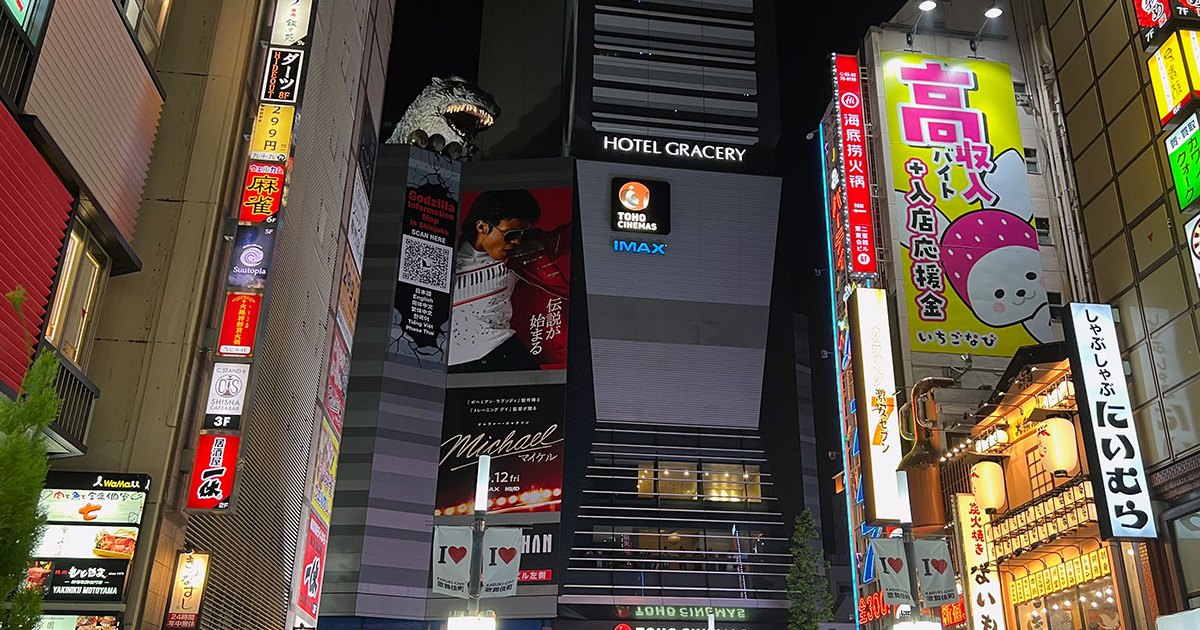
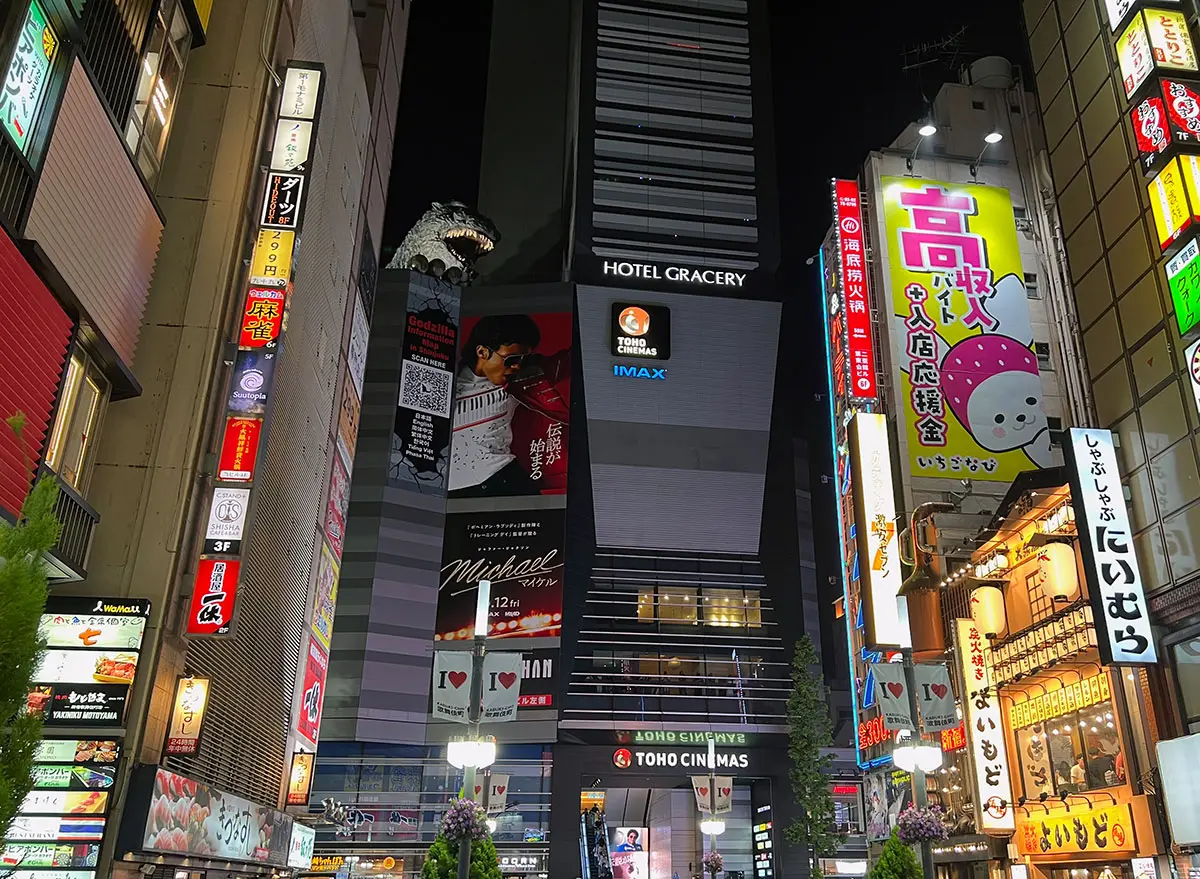
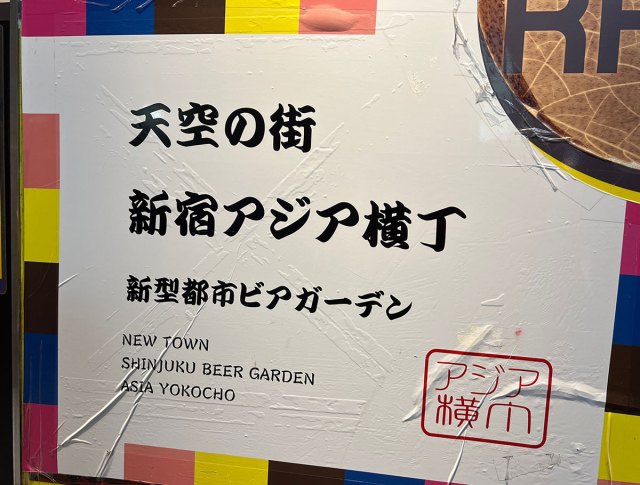
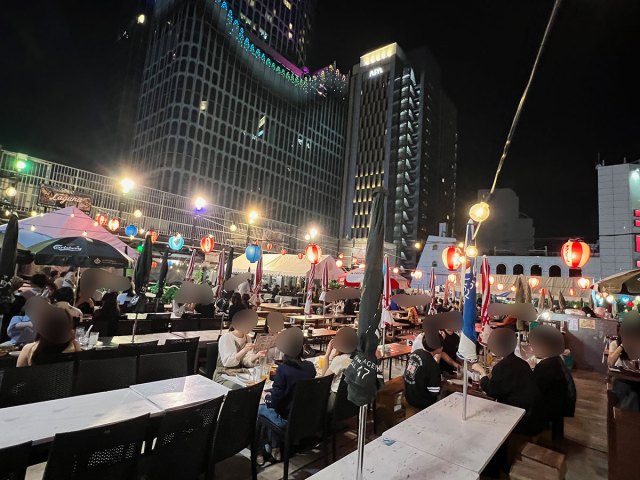
His destination: Tenku no Machi — Shinjuku Asia Yokocho (loosely translated as the "City of Heaven Asian Yokocho"). Perched on the rooftop of the Daini Toa Kaikan building—directly adjacent to Shinjuku’s iconic, towering Godzilla head—this venue bridges the gap between high-altitude escapism and urban grit. Challenging the preconceived notion that beer gardens are strictly exclusive zones for large parties, this rooftop oasis offers an unexpectedly welcoming atmosphere for the solitary epicurean.
This deep-dive investigative report examines Wasai’s solo journey into Shinjuku’s high-altitude dining scene, analyzing the shifting social dynamics of Tokyo’s post-pandemic hospitality sector, the economics of solo dining in premium entertainment districts, and why venues like the Shinjuku Asia Yokocho are redefining the modern izakaya experience for travelers of all configurations.
Detailed Chronology: An Evening in the Shinjuku Sky
Ascending the Threshold of Anxiety
The psychological hurdle of entering a high-energy social space alone is well-documented among solo travelers. For Wasai, the anxiety began the moment he decided to forgo waiting for friends and embarked on the mission independently. As he entered the elevator lobby in the heart of Kabukicho—Tokyo’s most notorious and vibrant nightlife district—his apprehension peaked. Beer gardens, by design, are built for communal bonding; their acoustic profile is defined by clinking beer mugs, overlapping conversations, and the shared warmth of summer evenings.
Yet, the anxiety proved to be short-lived. Upon stepping off the elevator and onto the open-air rooftop, Wasai was immediately enveloped by an atmosphere that struck a delicate balance between unpretentious casual flair and high-energy urban bustle. Rather than feeling exposed under the gaze of large groups, he found that the sheer scale of the venue and the ambient distraction of the Tokyo skyline worked in his favor, allowing him to seamlessly blend into the dynamic crowd.
Navigating the Menu and Culinary Paradox
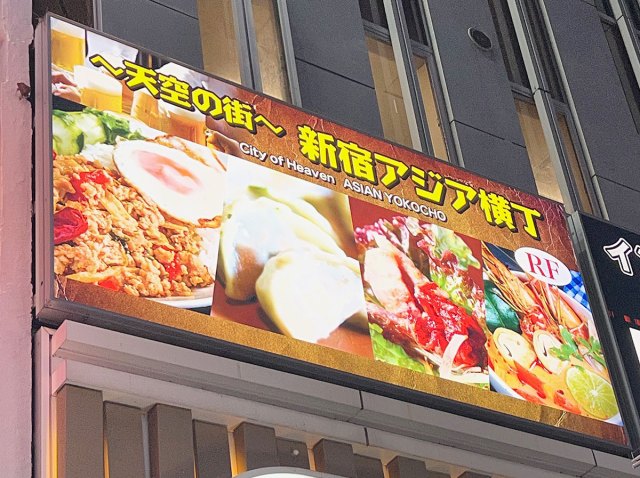
Seated at a spacious, well-isolated table that offered an unobstructed view of the surrounding cityscape, Wasai was presented with a menu that playfully defied the establishment’s moniker. While the venue brands itself as an "Asian Yokocho"—evoking narrow, smoky alleyways lined with traditional yakitori stalls and lantern-lit izakayas—the culinary offerings span a surprisingly global spectrum.
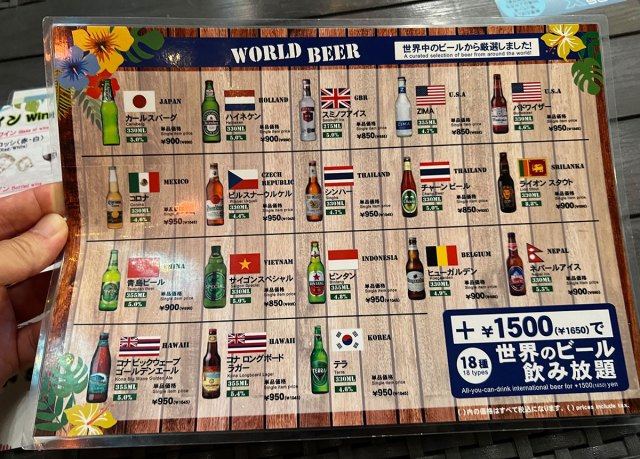
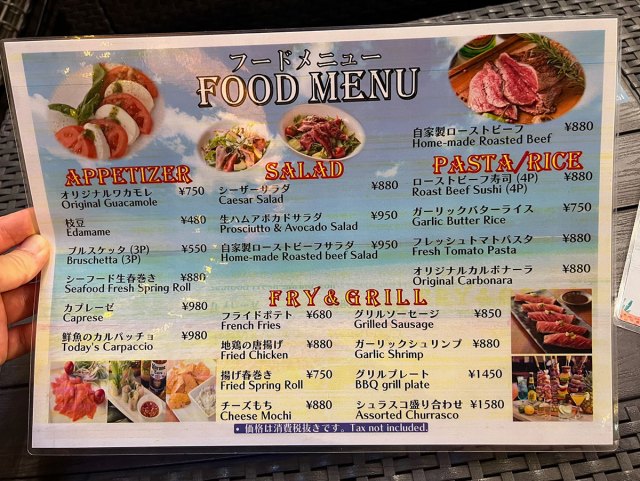
Scanning the pages, diners are greeted by an eclectic mix of international comfort foods. Italian carbonara sits comfortably alongside Brazilian churrasco platters, while the beverage menu ranges from standard Japanese draft beers to imported favorites like Heineken and Zima. Although this cosmopolitan fusion might raise eyebrows among culinary purists expecting regional Asian street food, the execution of the dishes quickly dispels any skepticism.
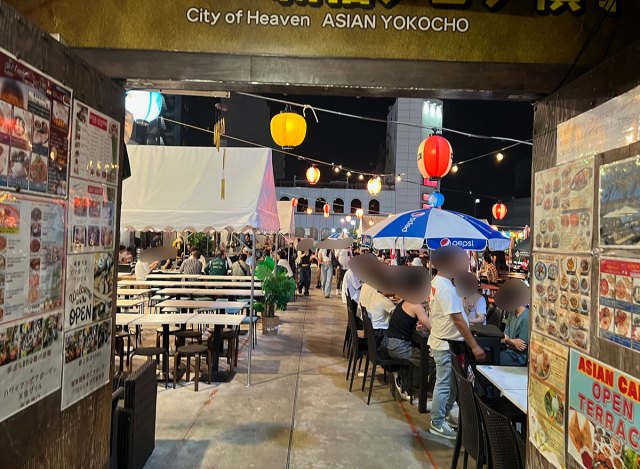
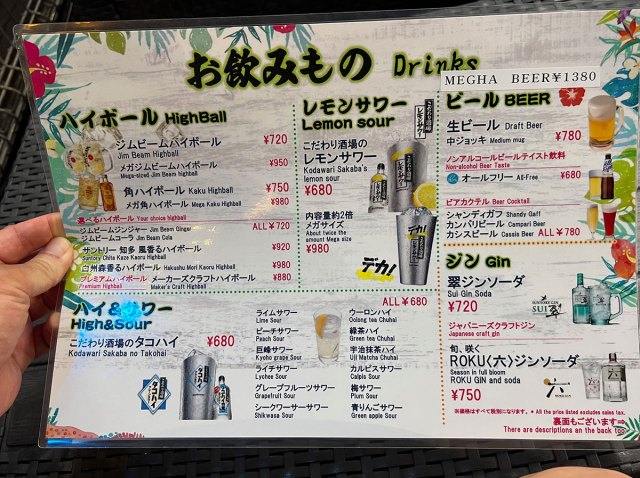
While initial table service provided à la carte menus for individual food and drink items, Wasai later discovered that the venue also accommodates larger parties and hearty eaters with comprehensive all-you-can-eat (tabehoudai) and all-you-can-drink (nomihoudai) plans. Tailoring his evening to a more measured pace, he opted for individual selections, a choice that proved both economically prudent and perfectly suited to a relaxed solo outing.
The Culinary Execution: Quality Above the Clouds
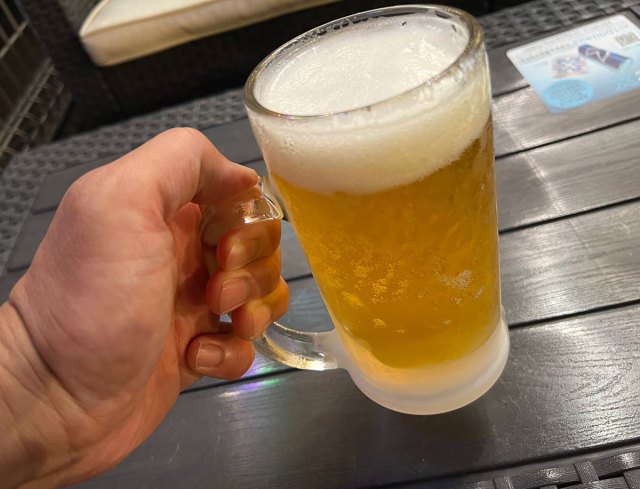
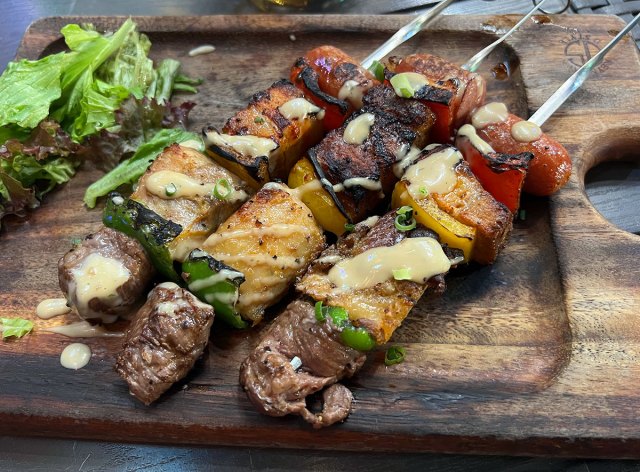
For his meal, Wasai selected a classic medium mug of chilled draft beer, priced at 780 yen, paired with a substantial churrasco platter costing 1,580 yen. Combined with the standard 330-yen table seating charge—a ubiquitous operational fee across Japanese drinking establishments (otoshimono or table fees)—his subtotal remained comfortably under the 3,000-yen threshold.
Upon arrival, the draft beer was served at an optimal, frosty temperature, providing a sharp and refreshing contrast to the humid late-summer Tokyo air. The churrasco platter delivered on both presentation and flavor, featuring tender, well-seasoned cuts of meat that rivaled ground-level specialty restaurants.
So comfortable did the environment prove that Wasai extended his stay, placing a second order for a refreshing plate of fresh spring rolls priced at 880 yen. This secondary course allowed him to linger longer, savoring the shifting hues of the Tokyo twilight as it bled into a brilliant canopy of urban neon.
Supporting Context & Metrics: The Economics and Ergonomics of Solo Dining
The Geography of the Skyline Oasis
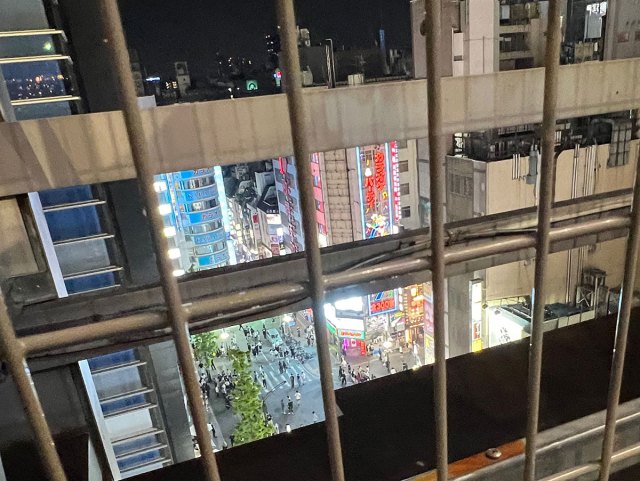
The strategic location of Tenku no Machi is central to its appeal. Situated at Tokyo-to Shinjuku-ku Kabukicho 1-21-1, atop the Daini Toa Kaikan building, the venue occupies prime real estate in the heart of Shinjuku’s entertainment sector. Its immediate proximity to the famous Godzilla road landmark places diners eye-to-eye with one of Tokyo’s most recognized pop-culture monuments, offering an experiential angle that ground-level izakayas simply cannot replicate.
| Metric / Feature | Specification |
|---|---|
| Establishment Name | Tenku no Machi – Shinjuku Asia Yokocho (Shinjuku Tenku Beer Garden 2026) |
| Address | Daini Toa Kaikan Rooftop, 1-21-1 Kabukicho, Shinjuku-ku, Tokyo |
| Operating Hours | 11:00 AM – 5:00 AM (Daily) |
| Seating Charge | 330 yen (approx. $2.06 USD) |
| Draft Beer (Medium Mug) | 780 yen |
| Churrasco Platter | 1,580 yen |
| Fresh Spring Rolls | 880 yen |
| Average Solo Spend | Under 3,000 yen (approx. $20 USD) |
Spatial Ergonomics: The Illusion of a VIP Section
One of the primary deterrents for solo diners in Japan is the fear of cramped seating arrangements—often referred to as semai spaces—where solitary patrons are squeezed into high-traffic corners or forced to rub elbows with adjacent parties. The Shinjuku Asia Yokocho shatters this convention through thoughtful spatial architecture.
The rooftop layout features generously spaced tables with comfortable physical separation between parties. For a solo diner, this layout transforms a potentially vulnerable seating assignment into an asset. Without neighboring patrons encroaching on his personal space, Wasai reported feeling as though he had secured a private VIP section. This spatial autonomy effectively neutralizes the psychological pressure of dining alone, ensuring that the focus remains squarely on the culinary offerings and the cinematic night view.
The Evolution of the Japanese "Yokocho" Concept
Historically, yokocho (alleyways) were cramped, hyper-localized networks of tiny wooden shacks born out of post-war black markets. They were spaces of radical proximity, where salarymen sat shoulder-to-shoulder on wooden crates, sharing smoke, gossip, and cheap sake.
The evolution of these spaces into vertical, open-air complexes like Tenku no Machi represents a fascinating paradigm shift in Japanese urban planning and hospitality. By taking the intimate, chaotic spirit of the traditional alleyway and transplanting it onto a sprawling concrete rooftop overlooking the metropolis, developers have created a hybrid environment. It retains the democratic, accessible pricing of working-class izakayas while incorporating the aesthetic drama and comfort of modern architectural design.
Official Statements & Industry Insights
While formal corporate press releases from hospitality groups often focus on marketing metrics and seasonal menu rotations, the broader restaurant industry in Tokyo has increasingly recognized the economic imperative of catering to single-person households and solo tourists.
Hospitality analysts note a steady rise in "solo-friendly" infrastructure across urban centers. According to demographic data from the Tokyo Metropolitan Government, single-person households now account for over 50% of the capital’s population. Consequently, dining establishments that stubbornly enforce party-minimum policies or fail to accommodate single walk-ins risk alienating a massive, lucrative demographic.
Industry observers have praised venues that successfully bridge the gap between communal entertainment and individual comfort. By maintaining flexible seating arrangements, transparent à la carte pricing alongside all-you-can-eat packages, and multilingual service frameworks geared toward international tourists, rooftop operations in high-density districts like Kabukicho are pioneering a more inclusive model of nightlife entertainment.
Future Outlook: Redefining Summer Traditions in the Capital
As Tokyo continues to grapple with extreme summer heatwaves interspersed with sudden evening storms, the operational window and functional design of outdoor dining venues are undergoing rapid transformation. Traditional beer gardens, once strictly seasonal pop-ups operating exclusively during the humid months of July and August, are increasingly extending their operating calendars well into the shoulder seasons, aided by modular canopies, patio heaters, and weather-resistant architectural upgrades.
Furthermore, the integration of digital ordering systems via QR codes at venues like the Shinjuku Asia Yokocho has quietly revolutionized the solo dining experience. By removing the linguistic and social friction of flagging down a busy server to place an order—a task that frequently induces anxiety in foreign tourists and introverted locals alike—digital menus empower solitary patrons to curate their dining experience at their own pace.
The success of Wasai’s excursion signals a broader cultural softening toward solo indulgence in Japan. No longer must the desire for a cold draft beer and a panoramic skyline view be subjugated to the logistical challenge of group scheduling. As rooftop venues across Shinjuku, Shibuya, and Ginza continue to refine their spatial layouts and service models, the "City of Heaven" stands as a testament to a new era of urban hospitality—one where the solitary traveler is not merely tolerated, but welcomed into the very heart of the celebration.
For further information, reservations, or to view seasonal updates regarding the Shinjuku Asia Yokocho rooftop venue, visitors can access the official Shinjuku Asia Yokocho Portal.






Belum ada komentar. Jadilah yang pertama berkomentar!