Urban transportation policy is often a delicate exercise in balancing public safety, infrastructure limitations, and human behavior. In the spring, Japan enacted a sweeping overhaul of its national bicycle regulations, introducing a controversial "blue ticket" penal system designed to crack down on reckless sidewalk riding, smartphone usage while cycling, and the hazardous practice of riding with an umbrella.
At first, the policy appeared to achieve its intended effect. Cyclists across the nation traded their umbrellas for raincoats, and police departments ramped up enforcement. However, as the oppressive heat of the summer months set in and seasonal downpours tested the limits of compliance, public patience wore thin. Faced with the choice of enduring torrential rain or sweltering in full-body rain gear, citizens overwhelmingly returned to using umbrellas.
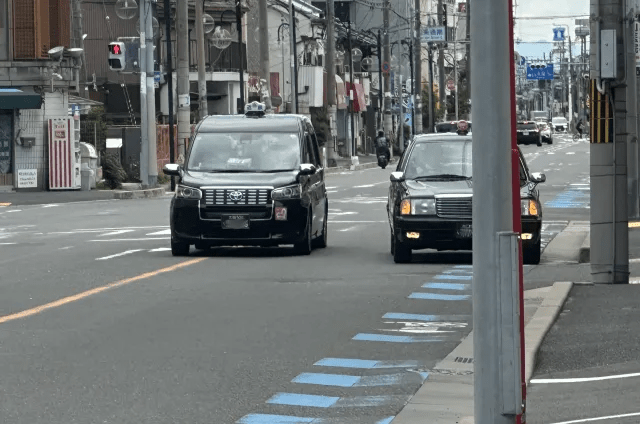
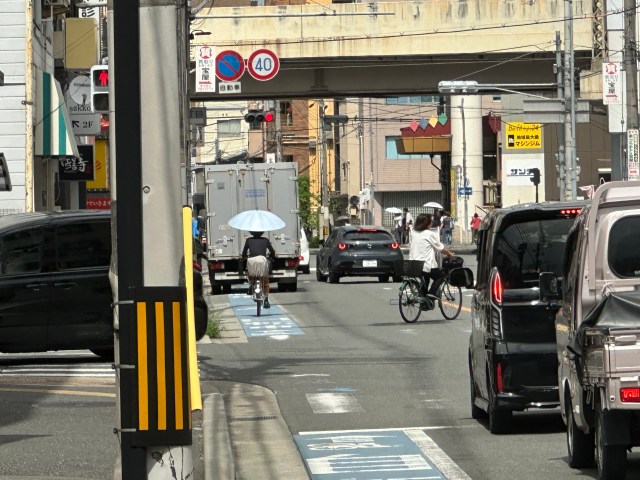
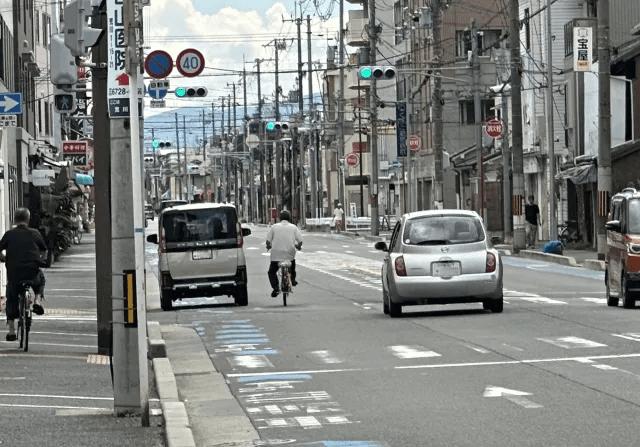
This mass return to the umbrella, paired with the strict enforcement of the prohibition against riding on sidewalks, has precipitated a cascading traffic crisis on Japan’s narrow roadways. Cyclists are now forced onto asphalt alongside cars, delivery trucks, and mopeds. This has created a logistical nightmare governed by paradoxical traffic laws: motorists are legally required to maintain a one-meter clearance when passing bicycles, yet they are strictly forbidden from crossing solid yellow center lines. Furthermore, honking to alert slower-moving cyclists can result in a fine for "abuse of the horn."
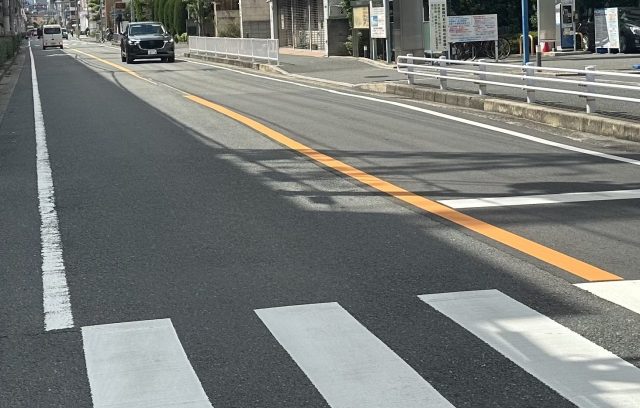
To prevent widespread gridlock and protect motorists from inevitable legal infractions, municipal authorities have been forced into emergency remediation. The Tokyo Metropolitan Police recently announced plans to repaint approximately 1,700 kilometers (1,056 miles) of yellow center lines into white lines—which legally permit crossing during maneuvers like overtaking bicycles—while Tokyo’s Nakano Ward has committed to converting all of its yellow lines.
Despite these measures, the crisis has exposed a deeper systemic flaw in Japan’s urban planning: ancient, densely packed cities featuring narrow road networks simply cannot accommodate the segregated infrastructure required to make the new laws work.
Detailed Chronology: From Legislative Crackdown to Infrastructure Gridlock
Phase 1: The Spring Legislative Overhaul
The roots of the current crisis trace back to sweeping amendments enacted earlier in the year. Designed to address rising pedestrian-cyclist collisions in dense urban centers, the updated traffic laws targeted high-risk behaviors that had long plagued Japanese sidewalks. Under the new framework, police forces were equipped to issue "blue tickets"—informal summary fines akin to minor traffic citations for motorists—for infractions such as:
Operating a bicycle while using a smartphone or listening to headphones.
Holding an umbrella while navigating a two-wheeler.
National and local law enforcement launched an aggressive public awareness and enforcement campaign. For the first few weeks, the deterrent effect was palpable. Pedestrians reported a noticeable decline in erratic sidewalk cycling, and morning commuters dutifully donned rainwear rather than unfurl traditional umbrellas.
Phase 2: Seasonal Realities and the Return of the Umbrella
Legislative decrees, however, frequently falter when confronted with human comfort and extreme weather. As summer temperatures soared and were subsequently met by torrential seasonal downpours, the practicality of full-body raincoats collapsed. Raincoats trap body heat and humidity in the summer months, making daily commutes deeply uncomfortable.
Driven by necessity, cyclists quietly abandoned raincoats and returned to the ubiquitous utility of the hand-held umbrella. Yet, because police departments continued their strict enforcement of the sidewalk ban, these umbrella-wielding cyclists did not return to the pedestrian pathways. Instead, they took their wide, wind-catching umbrellas—often spanning over a meter in width—directly onto the active vehicular roadway.
Phase 3: The Birth of the Legal Paradox
The sudden influx of cyclists onto roadways already congested with cars, buses, and commercial trucks created an immediate operational gridlock. This operational bottleneck quickly transformed into a legal paradox due to conflicting stipulations in Japan’s Road Traffic Act:
The Clearance Mandate: Motorists are legally mandated to maintain a minimum lateral distance of one meter (approximately three feet) when passing a cyclist.
The Yellow Line Prohibition: On roads designated with a solid yellow center line, vehicles are strictly forbidden from crossing over that line under any circumstances.
The Horn Restriction: Drivers are barred from sounding their horns to prompt slower-moving cyclists to move aside, as doing so constitutes "abuse of the horn" under traffic guidelines.
On Tokyo’s historically narrow streets, these three rules create an impossible geometry. A car cannot maintain a one-meter buffer from a cyclist without crossing the center line. If that center line is yellow, the motorist faces a direct violation of the law. If they stay in their lane, they violate the clearance rule. If they honk, they commit a noise infraction.
[Traditional Narrow Tokyo Street Geometry]
Car (Width: 1.7m) | Yellow Line (No Crossing) | Bicycle with Umbrella (Width: 1.0m + 1m clearance required)
RESULT: Legal impossibility (Total required width exceeds available lane space)
Supporting Context & Metrics: The Scale of the Crisis
To fully understand the severity of the urban friction, one must examine the spatial realities of Tokyo’s road infrastructure.
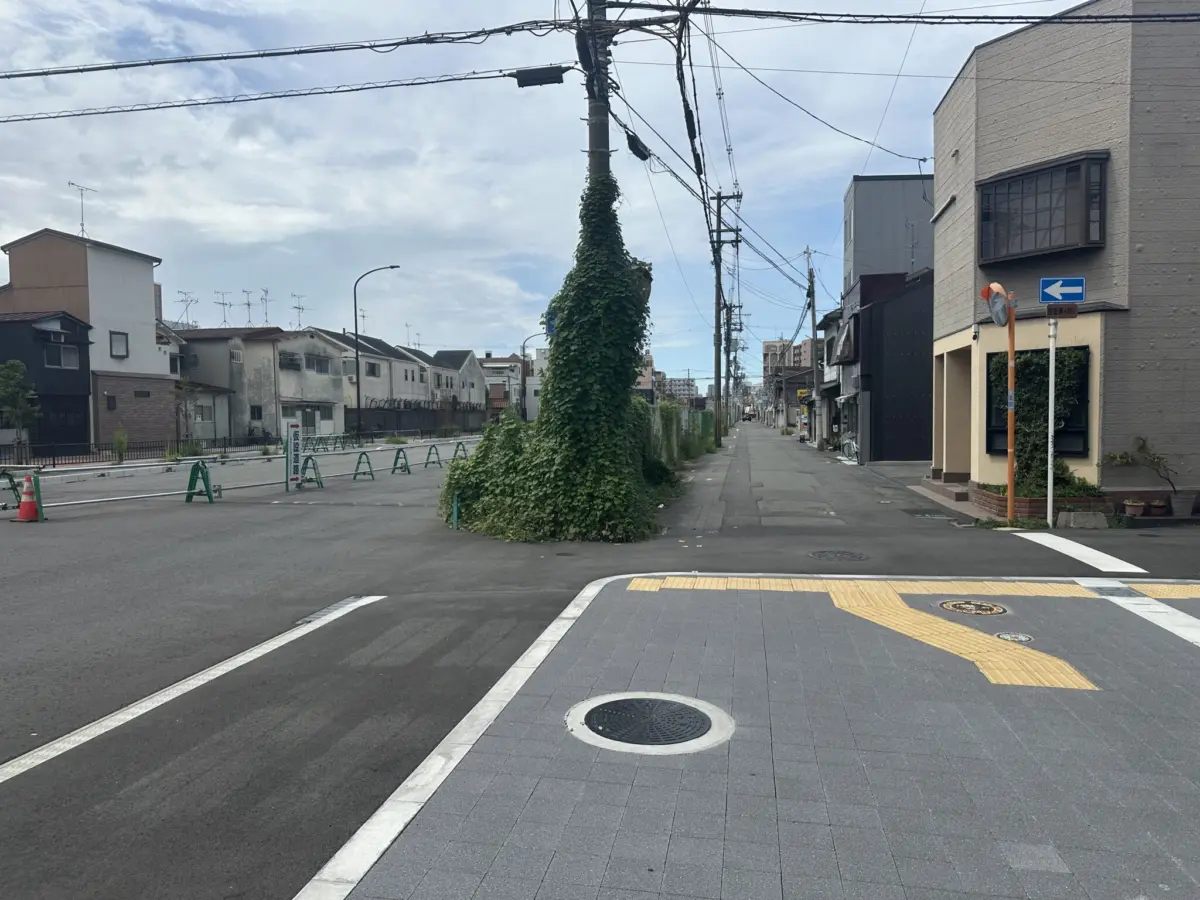
Road Network Constraints: A significant percentage of Tokyo’s road grid traces its layout back centuries, often following feudal-era property lines and paths. Unlike master-planned grid cities, Tokyo’s streets are frequently narrow, winding, and completely bordered by commercial buildings and residential homes.
The Scale of Remediation: Recognizing the untenable nature of the yellow-line paradox, the Tokyo Metropolitan Police announced a massive infrastructure adjustment: approximately 1,700 kilometers (1,056 miles) of yellow center lines will be systematically repainted as white lines. Under Japanese traffic law, motorists are legally permitted to cross white lines when performing necessary passing maneuvers, such as overtaking slow-moving cyclists or parked delivery vehicles.
Aggressive Local Action: Going a step further than the metropolitan directive, authorities in Tokyo’s Nakano Ward have announced plans to convert 100% of their yellow center lines into white lines, effectively eliminating the legal trap for drivers within their jurisdiction.
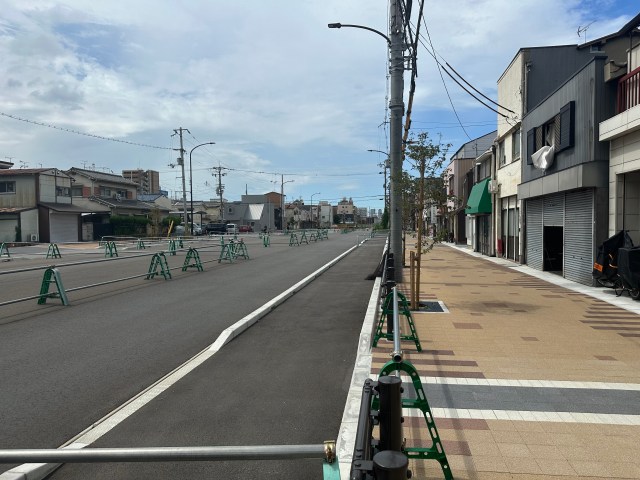
The Cost of Expansion: Infrastructure additions present a near-impossible financial and logistical burden. Recent municipal projects attempting to carve out dedicated bicycle lanes and widened sidewalks have required the complete demolition of entire blocks of homes and retail shops. One heavily publicized municipal project yielded a beautifully designed, multi-modal corridor complete with dedicated bike lanes—stretching a mere 500 meters and requiring years of property acquisitions and heavy construction. In a city spanning thousands of kilometers of roadway, such projects represent little more than a drop in the ocean.
Official Statements and Public Discourse
The disconnect between policymakers and daily commuters has fueled widespread public frustration across Japanese social media platforms and message boards. Critics point out that the legislative bodies drafting traffic regulations are largely insulated from the realities of street-level commuting.
"These rule changes are just screwing up everything. Didn’t they consider this before making the new rules?" — Online Commenter
"On a lot of narrow roads in Tokyo they just got rid of the line altogether. Honestly, they should have just been stricter on the speeds of bikes on sidewalks. Some idiot said they should ride on the road, and now look at this mess." — Traffic Safety Forum Participant
"It’s a broken system for anyone who follows the rules. I’ve seen this so many times on the road since April. Even cop cars are doing it, lol." — Local Motorist
"The people drafting these laws don’t ride bikes or drive. They’re just chauffeured everywhere they go. This will never get better until the infrastructure improves." — Urban Planning Critic
Traffic enforcement officers themselves have been caught in the crossfire. Observers frequently report witnessing police cruisers crossing solid yellow lines to navigate around cyclists—violating the very letter of the law they are sworn to uphold, simply because no alternative exists within the physical confines of the street.
Future Outlook: Navigating an Inflexible Grid
As municipal governments scramble to repaint yellow lines white—or, in extreme cases, erase center lines entirely on hyper-narrow alleyways—it is increasingly clear that Japan’s bicycle law crisis is symptomatic of a permanent physical limitation.
Urban planners face an intractable dilemma. Widening Tokyo’s streets to accommodate modern multi-modal transport standards would require trillions of yen and the displacement of hundreds of thousands of property owners, an urban renewal undertaking of historic proportions. Without the physical space to build protected, segregated bike lanes on every thoroughfare, mixing slow, vulnerable cyclists with heavy motor traffic on ancient, narrow roads will remain a daily hazard.
Until structural modernization catches up with legislative intent, the daily commute in Japan will continue to rely heavily on mutual compromise, spatial awareness, and a healthy dose of improvisation. Whether motorists, cyclists, or pedestrians, daily travelers must navigate a shared urban ecosystem where the roads are simply not wide enough for everyone—proving that even in a society renowned for order and precision, some logistical puzzles defy easy solutions.









Belum ada komentar. Jadilah yang pertama berkomentar!