For the modern traveler navigating Japan’s vast hospitality landscape—ranging from historic hot-spring ryokan tucked deep within mountain ranges to experimental novelty lodgings—finding a property that bridges comfort, cultural immersion, and affordability is an ongoing quest. Hoshino Resorts, one of Japan’s most celebrated hospitality innovators, has long disrupted traditional accommodation models through properties like the luxury-prison conversion Hoshinoya Nara and Hokkaido’s winter wonderlands. Yet, its urban-focused brand, OMO, is quietly revolutionizing how visitors experience Japan’s largest metropolitan centers.
Designed under the concept of an "exciting city-center hotel," the OMO portfolio transcends the traditional paradigm of lodging as a mere place to sleep. Instead, these properties function as high-octane portals to urban exploration, packed with localized intelligence, neighborhood tours, and immersive social programming. When Japanese-language reporter Natsuno Futon set out to visit Osaka, persistent recommendations from travel peers led her to book a stay at OMO7 Osaka by Hoshino Resorts.
Spanning a family-friendly rate of roughly 25,000 yen ($158.41 USD) for a night for two adults and two children, Natsuno’s journey offered an authoritative look into how a full-service urban hotel can successfully honor a city’s gritty, vibrant soul while delivering world-class hospitality, inclusive policies, and interactive nightly entertainment. This in-depth report chronicles her experience, examining the architecture, neighborhood integration, cultural programming, and guest metrics that make OMO7 Osaka a standout destination in western Japan.
Detailed Chronology: A 24-Hour Immersive Journey
Arrival, Architecture, and Urban Oasis: Miyagurin
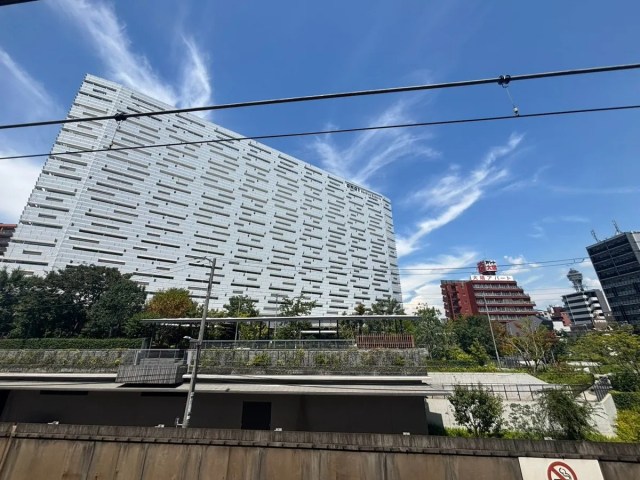
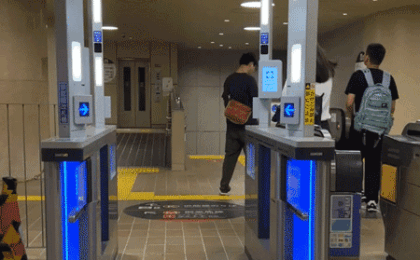
Located mere steps from Shin-Imamiya Station—accessible via JR and Nankai Railway lines—and Dobutsuen-mae Station on the Osaka Metro, OMO7 Osaka boasts a transit-accessible footprint so tight that the property is visible directly from the railway platforms.
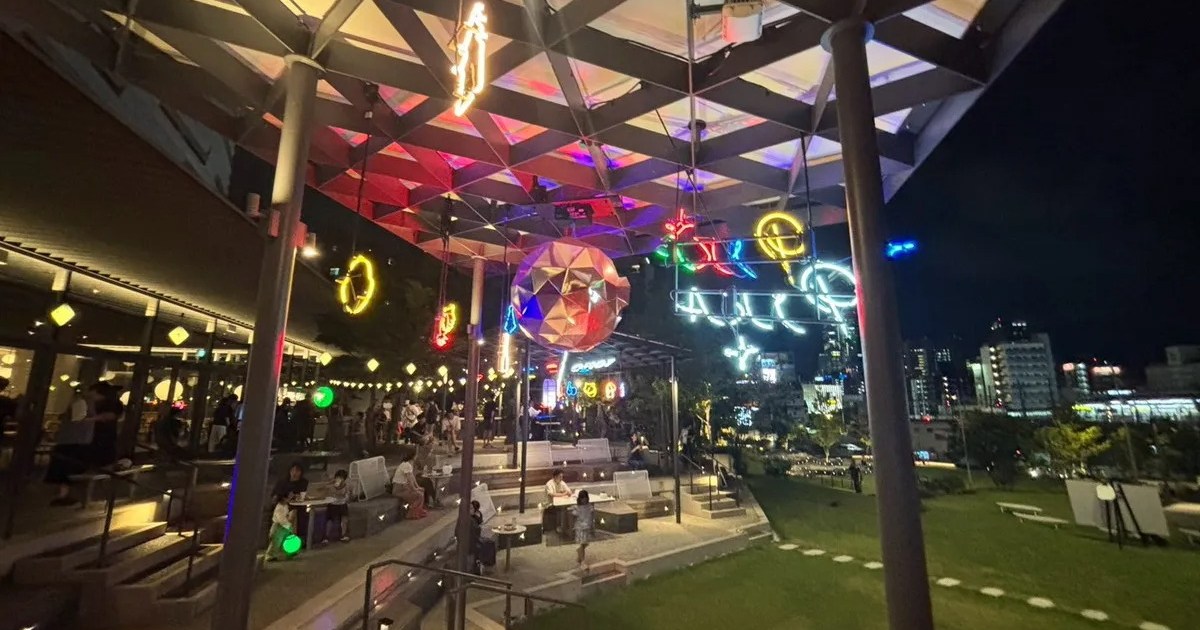
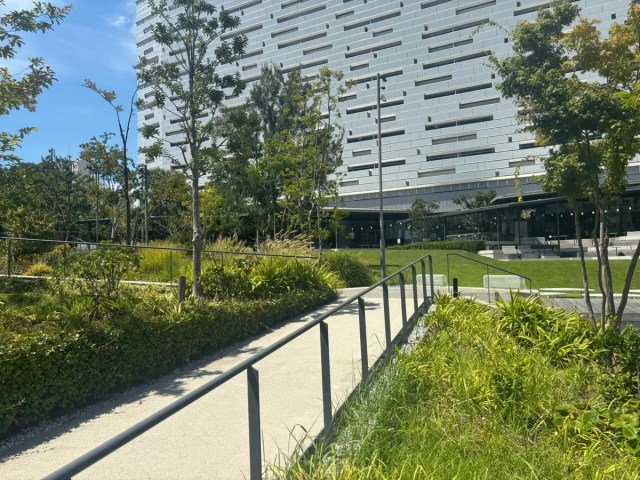
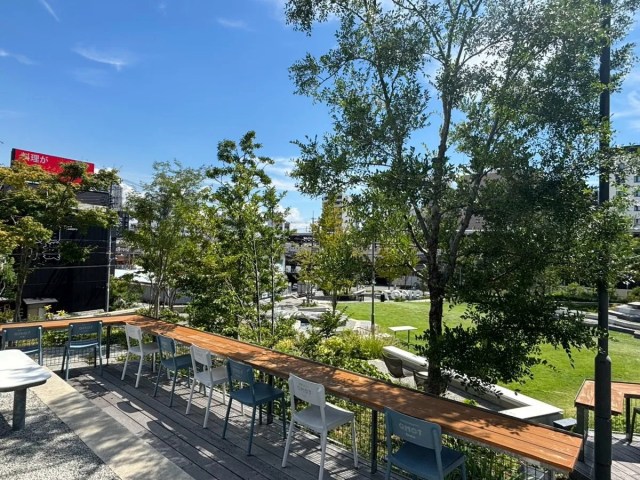
Upon arrival, guests are greeted not by a congested concrete cityscape, but by Miyagurin, a sprawling 7,600-square-meter (approx. 1.88 acres) green sanctuary. Featuring open-air deck terraces, wandering footpaths, and lush lawns, Miyagurin provides an astonishing sense of spatial openness right in the heart of Naniwa Ward, defying the claustrophobic expectations typically associated with major Japanese urban hubs.
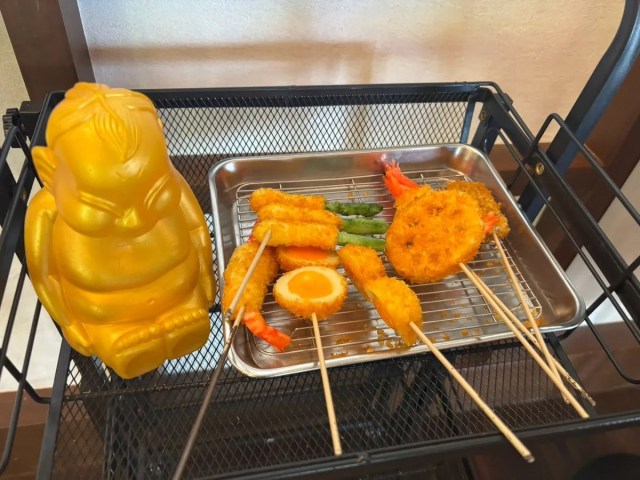
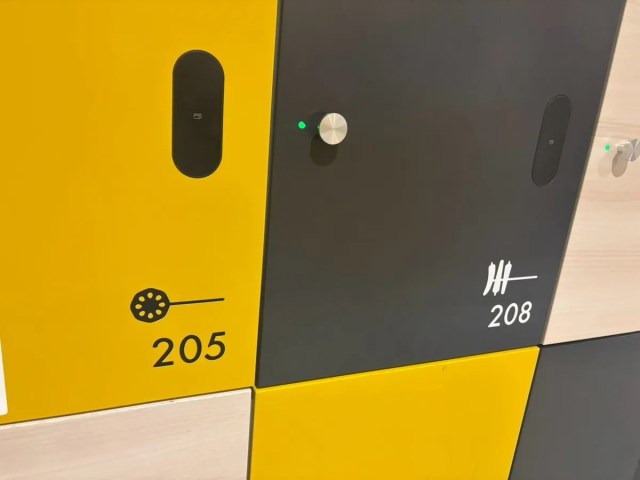
Before official check-in, guests can utilize complimentary self-service luggage lockers humorously themed around kushikatsu—Osaka’s famous deep-fried skewers—before heading into the expansive central common area known as the OMO Base.
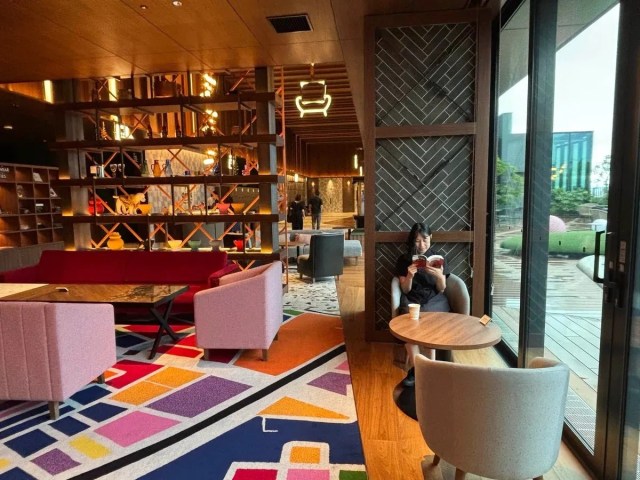
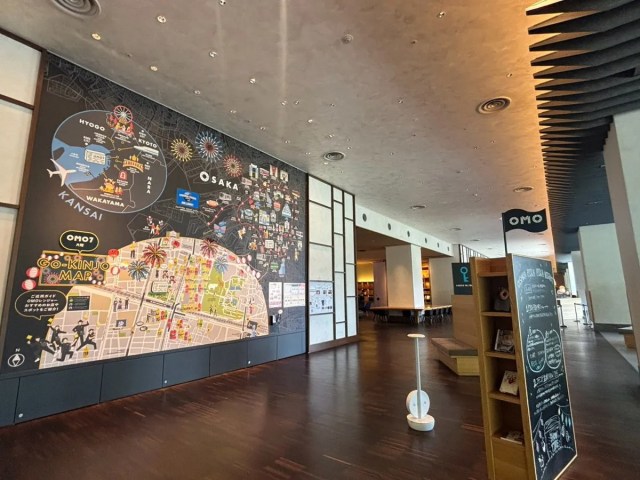
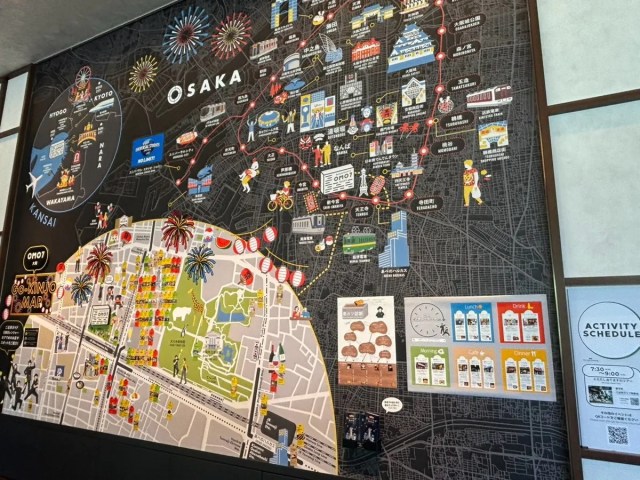
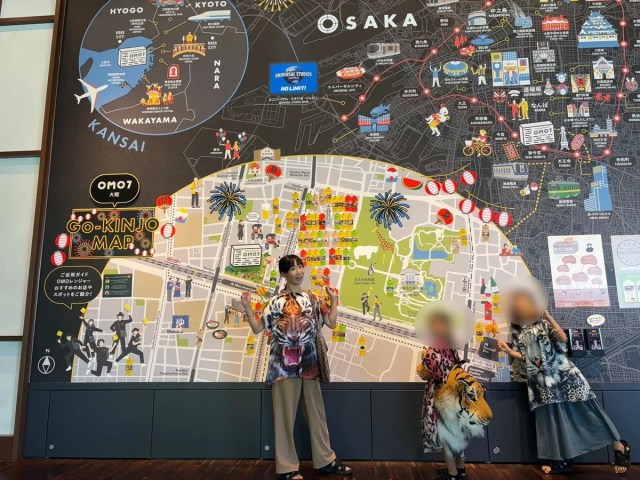
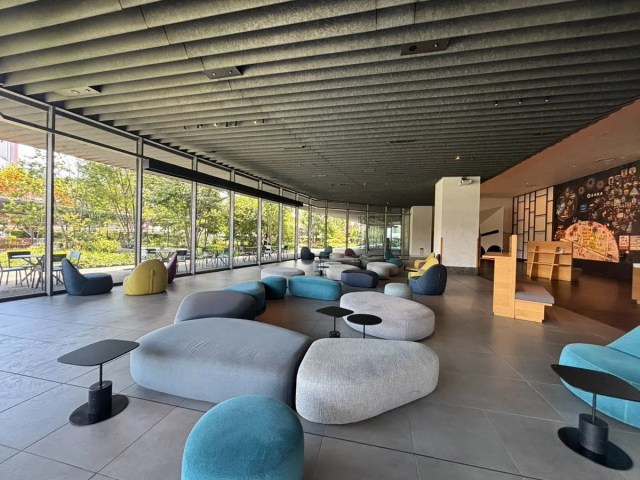
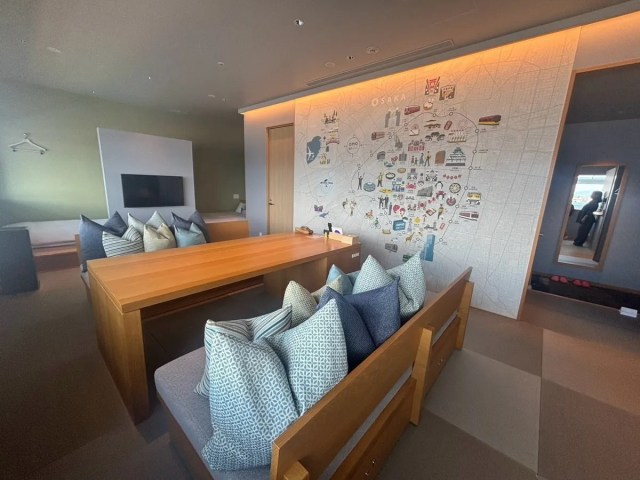
The OMO Base serves as the social heartbeat of the hotel. It features a massive, hand-curated neighborhood map wall designed by staff members who pound the pavement themselves to uncover hidden gems, independent eateries, and cultural touchpoints omitted by conventional guidebooks.
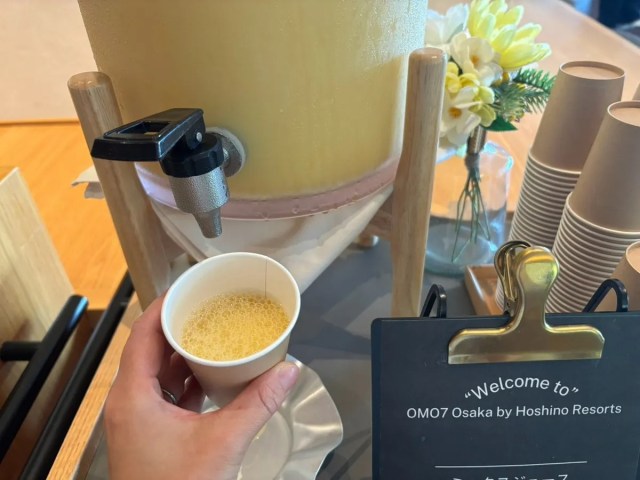
To set an authentic local tone, the hotel welcomes arriving guests with complimentary mixed juice. Originating in the surrounding Shinsekai district, traditional Osaka mixed juice blends milk, crushed ice, and an assortment of fresh fruits, yielding a rich, milkshake-like beverage that embodies the region’s rich culinary history.
For guests opting to settle into their accommodations, the check-in process is seamless, leading to Natsuno’s temporary home: the Dandan Room.
The Dandan Room: A Modern Architectural Hideaway
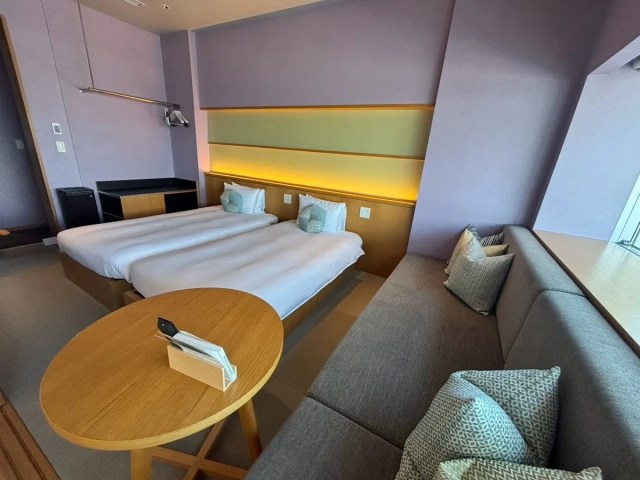
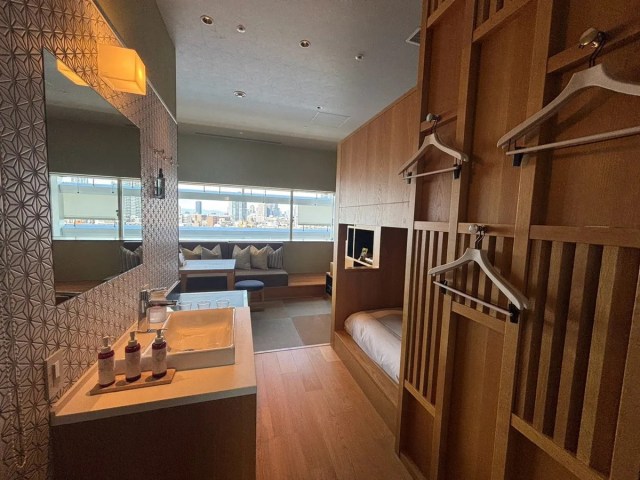
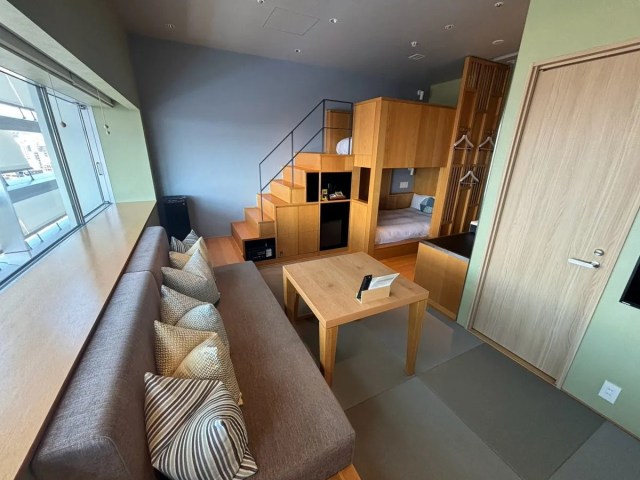
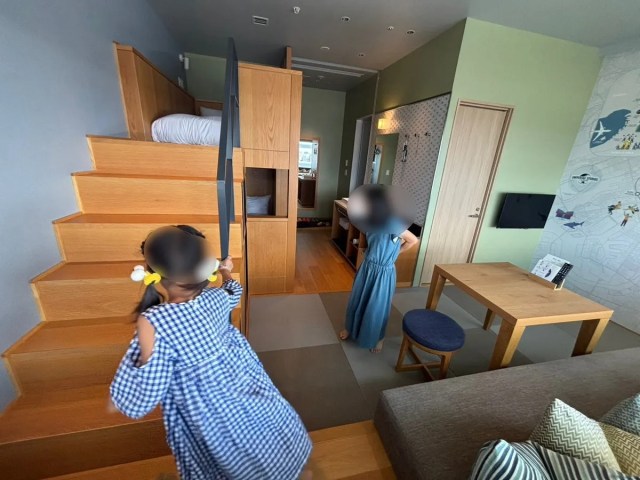
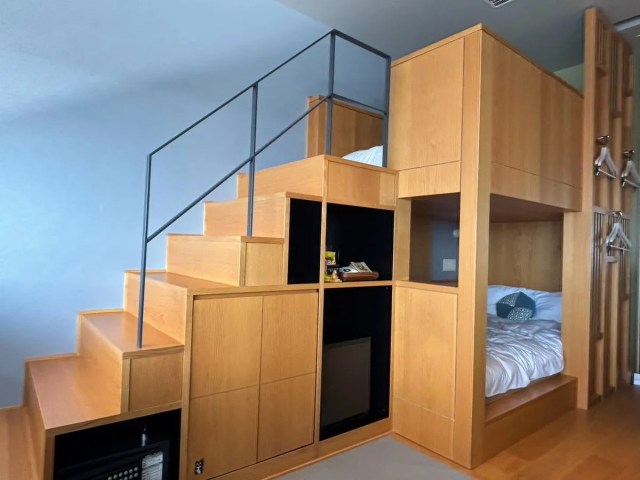
Stepping into the Dandan Room evokes the playful thrill of entering a high-end secret base. The space is anchored by a sophisticated, two-level bunk bed system enclosed with secure wooden framing, offering absolute peace of mind for parents while delighting travelers of all ages.
Despite the substantial furniture configuration, the room avoids any feeling of confinement. A spacious sofa by the window can easily double as an extra bed, while the entryway provides ample clearance to prevent the shoe-clutter typical of family travels. Coupled with separate bathroom and toilet facilities, thoughtful touches like Osaka-blend drip coffee, and local candies, the room represents an exquisite balance of functional utility and whimsical design.
Cultural Exploration: The Go-Kinjo Shinsekai Tour
True to the OMO philosophy that a hotel stay is wasted if confined entirely indoors, Natsuno pre-booked a complimentary guided tour of the adjacent Shinsekai district, spearheaded by a specialized Go-Kinjo ("Neighborhood") Guide OMO Ranger.
The tour navigated historic landmarks including the iconic Tsutenkaku Tower and Janjan Yokocho, a narrow, nostalgic alleyway packed with tiny eateries and retro arcade games. The OMO Ranger provided invaluable local context, steering participants toward hidden establishments and demystifying local storefronts that might otherwise appear intimidating to outsiders. The excursion culminated in a playful photo session where participants donned leopard-print outfits—a tongue-in-cheek nod to the iconic fashion stylings of Osaka obachan (local middle-aged women)—concluding with a traditional parting gift of ame-chan (hard candies).
Evening Festivities: Osaka Pikapika Night and Kotekote Show Time
As dusk settles, OMO7 Osaka transforms through exclusive evening programming. The Osaka Pikapika Night event illuminates Miyagurin with traditional lantern displays, unveiling Pikapika Yokocho, an open-air alleyway serving craft beer, local delicacies like takoyaki (octopus dumplings), and nostalgic carnival games such as target shooting and smart ball (a retro pinball variant related to pachinko).
Room-only guests aged elementary school and above receive three complimentary activity tickets, redeemable for food, beverages, or gaming experiences. The integration of the glowing hotel exterior wall, verdant lawns, and ambient lighting creates an organic, communal festival atmosphere rather than a manufactured marketing gimmick.
The crown jewel of the evening is Kotekote Show Time, held in collaboration with Yoshimoto Kogyo, Osaka’s legendary comedy conglomerate. Comedians and OMO Rangers stage live comedy routines and a massive, high-tech bingo game projected directly onto the hotel’s towering exterior facade. The evening wraps up with an inclusive, high-energy bon dance celebration, leaving guests with memories—and commemorative group photographs alongside comedy troupes like Ambitious—that redefine urban hotel entertainment.
Supporting Context & Metrics
Brand Architecture and Portfolio Segmentation
Hoshino Resorts’ OMO brand operates under a granular tier system designed to match specific travel styles and budgetary parameters. Understanding these categories clarifies the brand’s rapid market penetration across Japan:
OMO1: Historically designed as minimalist capsule hotels geared toward budget-conscious travelers, offering communal spaces, neighborhood maps, and local guides. (Note: As of September 2026, no OMO1 properties remain in active operation).
OMO3: Basic urban hotels providing private guest rooms and grab-and-go breakfast options, optimized for solo and casual travelers.
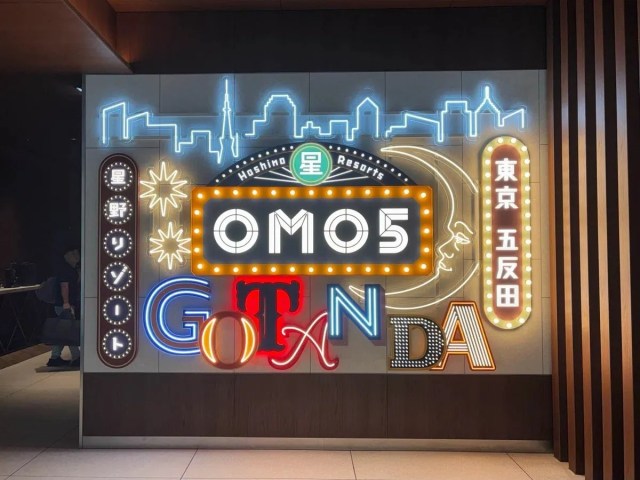
OMO5: Boutique properties featuring integrated cafes and breakfast service, ideally tailored for couples and small travel groups.
OMO7: Full-service flagship hotels featuring comprehensive dining establishments, extensive public bath facilities, banquet halls, and immersive on-site event programming.
OMO Airport: Specialized transit-oriented properties—such as the sole location near Kansai International Airport—focusing on express dining, spa, and fitness services.
Financial and Accessibility Metrics
Average Family Rate: Approximately 25,000 yen ($158.41 USD) per night for a family of four (two adults, two children), benefiting from seasonal family discounts and early-bird pricing tiers.
Property Scale: OMO7 Osaka features approximately 436 guest rooms across diverse layouts, anchored by a 7,600-square-meter public green space (Miyagurin).
Inclusive Bathing Policies: Breaking with conventional, restrictive Japanese hospitality norms, OMO7 Osaka permits guests with tattoos to utilize its striking, art-museum-inspired public bath facilities, provided ink markings do not cause overt discomfort to fellow patrons—a progressive step toward international inclusivity.
Official Statements and Brand Philosophy
Representatives of Hoshino Resorts emphasize that the OMO series was conceived to revitalize urban neighborhoods by transforming hotels into cultural conduits.
"An OMO hotel is never meant to be an isolated island within a city," notes a corporate brand overview. "Our mission is to act as a bridge between the traveler and the heartbeat of the local community. By collaborating with local businesses, entertainers, and municipalities, we encourage our guests to step out, explore deeply, and return with a profound appreciation of the region’s cultural identity."
This philosophy was fully realized during Natsuno’s stay, where the boundary between municipal exploration and hotel residency dissolved entirely through initiatives like the Go-Kinjo OMO Ranger tours and Yoshimoto Kogyo partnerships.
Future Outlook
As OMO7 Osaka continues to capture the imagination of domestic and international travelers alike, Hoshino Resorts is aggressively expanding the brand footprint across the Japanese archipelago. While Natsuno Futon concluded her stay reluctant to check out—and immediately began cataloging future destinations like OMO5 Kanazawa Katamachi—the broader travel industry is taking note.
The success of OMO7 Osaka signals a fundamental shift in urban hospitality. Modern travelers no longer seek sterile, transactional accommodations where the city outside is treated as a logistical hurdle. Instead, properties that integrate local history, inclusive design, family-oriented affordability, and interactive community programming are establishing the new benchmark for Japanese tourism. With 18 properties nationwide and counting, the OMO brand has successfully turned the art of city-staying into a destination in its own right.







Belum ada komentar. Jadilah yang pertama berkomentar!