

Executive Overview
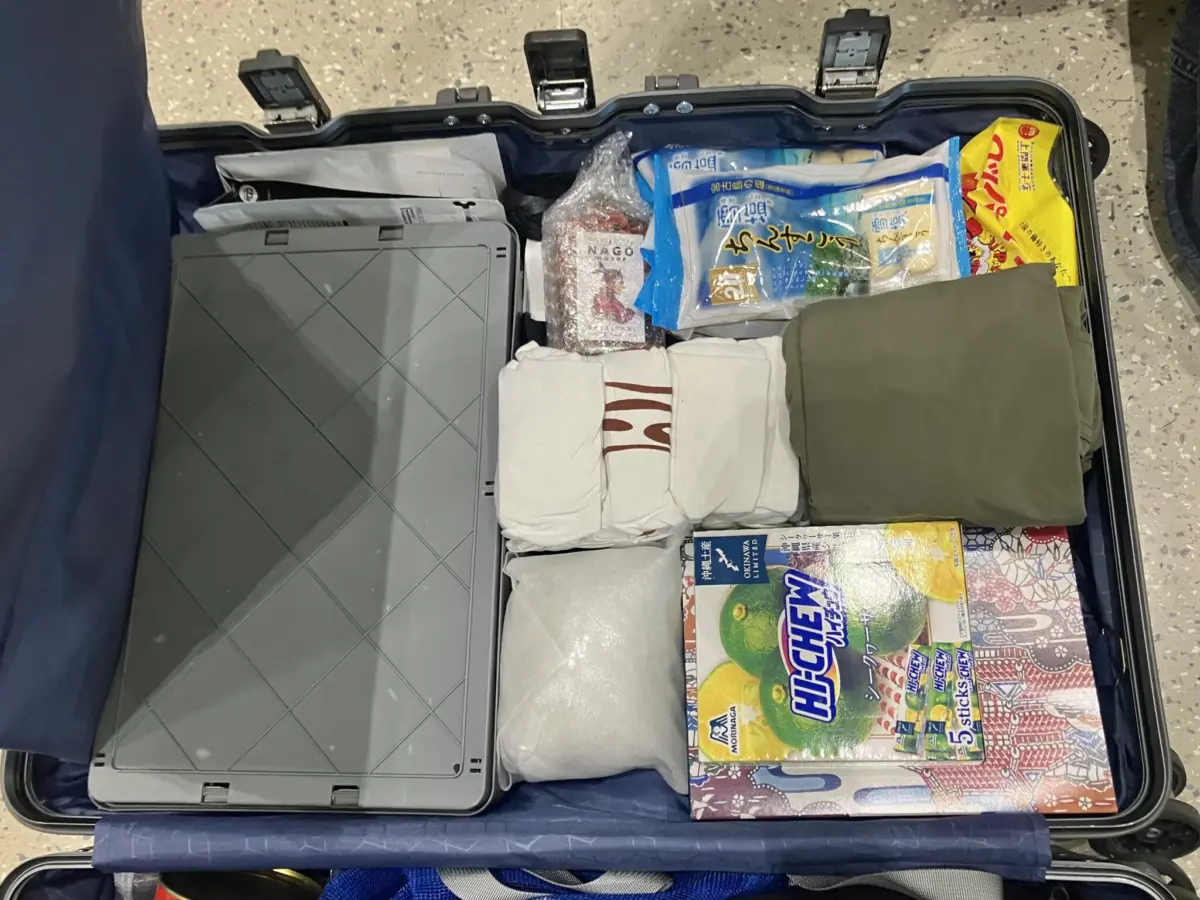
For decades, international globetrotters visiting Japan have faced a universally familiar yet intensely frustrating paradox: the country offers some of the world’s most unique, sought-after, and exclusive retail experiences, yet luggage capacities remain rigidly finite. Travelers routinely find themselves trapped in a high-stakes balancing act at their hotel desks or airport terminal floors, forced to weigh whether they should discard well-worn garments, abandon precious souvenirs, or pay exorbitant airline overweight baggage fees. Traditional packing hacks—ranging from rolling clothes tightly to utilizing manual Ziploc compression bags—offer only marginal relief against the sheer volume of shopping acquired during a modern Japanese itinerary.
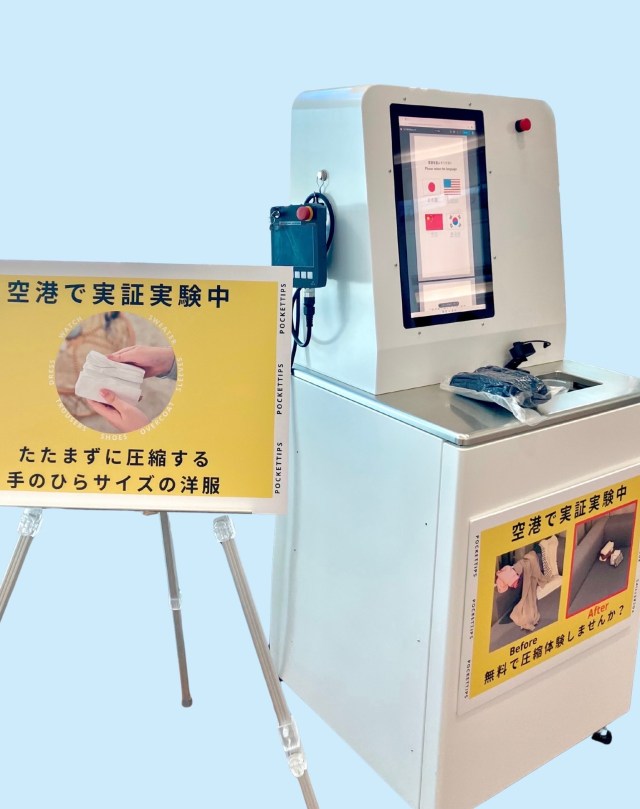
Enter Pocket Tips, an innovative automated clothing compression service engineered specifically to eradicate this logistical headache. Resembling a sleek ATM in both footprint and presence, this groundbreaking technology harnesses advanced mechanical and pneumatic engineering to shrink bulky textiles down to a mere fraction of their original volume. Developed collaboratively by Tokyo-based apparel innovator SJOY and terminal.0 HANEDA—an elite research and development consortium spearheaded by the Japan Airport Terminal Co., Ltd.—the system promises to fundamentally transform how visitors manage their luggage.
Following highly successful trials at four of Japan’s premier aviation hubs, momentum is rapidly building toward a full-scale commercial rollout projected for 2027. By addressing the acute spatial anxieties of an unprecedented tourism boom, Pocket Tips is poised to become an indispensable amenity for international travelers, setting a new global benchmark for airport and hospitality infrastructure.
Detailed Chronology
The genesis of the Pocket Tips compression machine is rooted in years of collaborative design, rigorous prototype testing, and strategic institutional partnerships across Japan’s aviation sector.
The Conceptualization Phase
The project began as an initiative to solve a persistent friction point within Japan’s travel ecosystem. SJOY, a Tokyo-based enterprise specializing in cutting-edge apparel management and textile compression technologies, recognized that the exponential growth in inbound tourism was colliding with physical luggage limitations. Recognizing that traditional consumer-grade compression bags required too much manual effort and often failed under heavy loads, the company envisioned a fully automated, institutional-grade terminal solution.
To bring this vision to fruition, SJOY partnered with terminal.0 HANEDA, a specialized open-innovation R&D hub located within Haneda Airport. This incubator brings together forward-thinking corporations, designers, and airport operators to prototype solutions that enhance the passenger experience.
Airport Trials and Field Testing
With the institutional backing of major aviation authorities, the Pocket Tips system moved out of the laboratory and into the real world. Initial pilot programs were launched across four strategic aviation gateways:
- Haneda Airport (HND): Serving as the primary testing ground and tech hub in partnership with terminal.0.
- Narita International Airport (NRT): Capturing the massive flow of long-haul international tourists departing the Greater Tokyo Area.
- Kumamoto Airport (KMJ): Evaluating regional utility and servicing travelers exploring Kyushu’s burgeoning tourism market.
- Naha Airport (OKA): Testing the machine’s efficacy in tropical resort environments where travelers pack a mix of heavy beachwear and regional souvenirs.
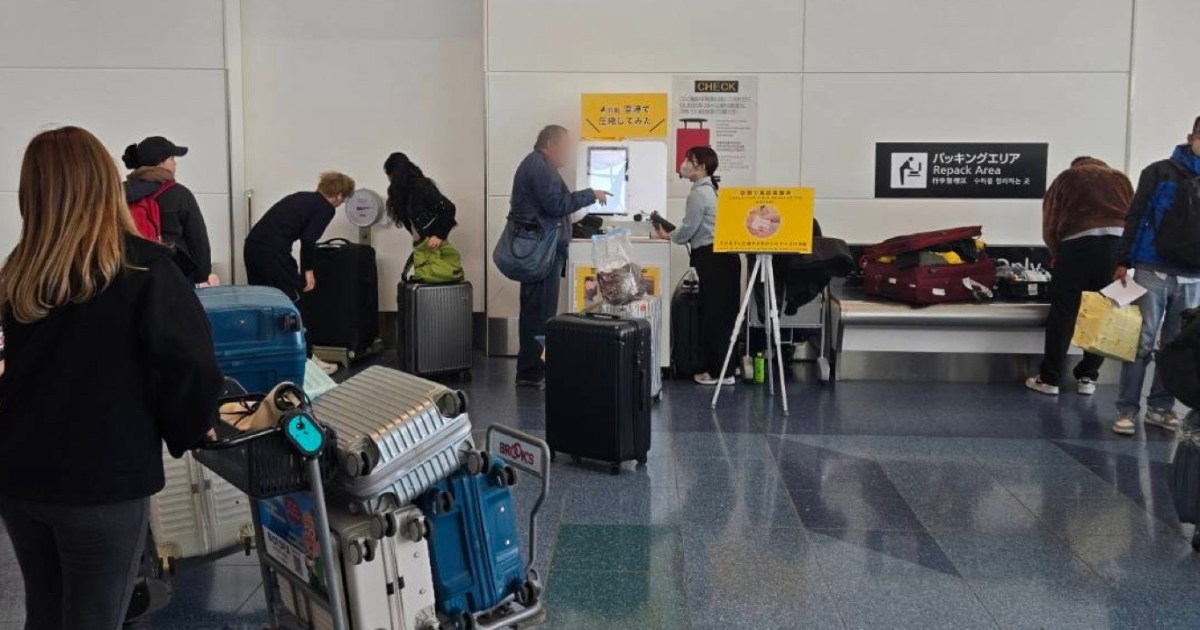
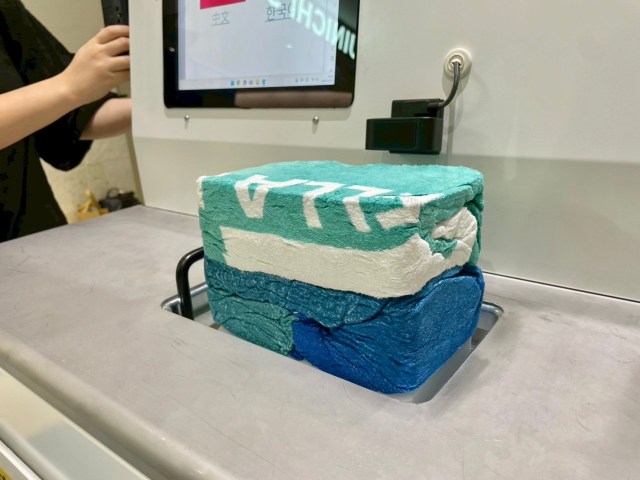
During these trials, passengers passing through departure terminals were invited to test the machinery free of charge. The operational workflow was kept deliberately intuitive: users folded their garments into a specialized proprietary mould, inserted the cassette into the ATM-sized machine, and initiated the cycle via a touchscreen interface. Within roughly 60 seconds, the machine compressed the textiles into dense, uniform blocks without relying on cumbersome plastic vacuum bags.
Path to Full-Scale Implementation (2027 Target)
The overwhelmingly positive data gathered from these initial deployment phases catalyzed institutional commitment. Rather than remaining a temporary novelty, the project stakeholders—including airport operators and SJOY—began formalizing logistical frameworks for permanent, nationwide installation.
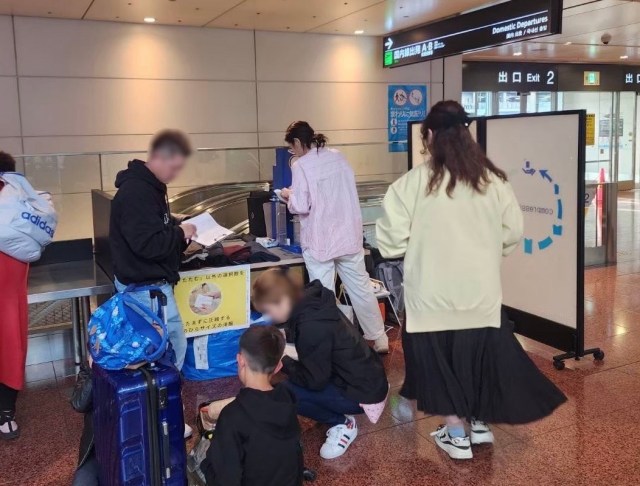
Current development efforts are focused on refining operational safety protocols, determining optimal terminal placement to maximize passenger flow, and structuring user fee models. Industry insiders and corporate disclosures point toward a targeted full-scale commercial rollout by 2027, establishing Pocket Tips as a permanent fixture within Japan’s travel infrastructure.
Supporting Context & Metrics
To truly grasp the disruptive market potential of Pocket Tips, one must examine the quantitative realities of contemporary tourism in Japan, coupled with the rigorous data harvested during the airport trials.
The Inbound Tourism Surge
Japan is currently welcoming international visitors at historically unprecedented rates. Following the full post-pandemic reopening of its borders, the country has shattered previous arrival records month after month. Iconic cultural capitals like Kyoto, Tokyo, Osaka, and regional destinations from Hokkaido to Okinawa are experiencing a profound influx of foreign currency and global explorers.
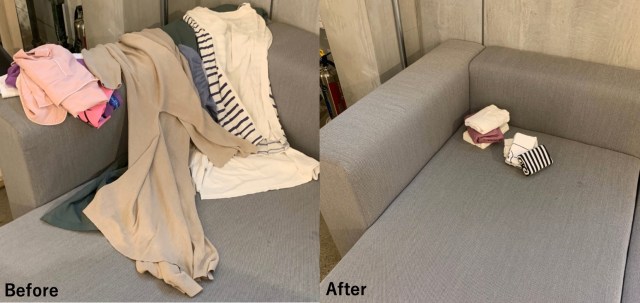
However, this tourism boom has magnified structural inconveniences. Modern airlines have grown increasingly strict regarding checked baggage weight limits and carry-on dimensions, levying steep penalties for excess luggage. Simultaneously, Japan’s retail landscape—spanning high-end electronics, exquisite traditional crafts, limited-edition fashion, and an endlessly inventive culinary scene—exerts a magnetic pull on consumers.
Trial Data and Consumer Sentiment Analysis
During the pilot testing phases of Pocket Tips, researchers conducted comprehensive surveys involving a demographic cross-section of 400 international travelers. The resulting metrics underscore a profound, unmet demand for luggage optimization solutions:
- 70% of Survey Participants reported that they had actively refrained from purchasing desirable souvenirs during their Japanese trip specifically because they anticipated running out of physical suitcase space. This represents a significant missed economic opportunity for local merchants, artisans, and retail districts.
- 89% of Trial Participants stated that they would intentionally seek out and reuse the Pocket Tips service on future journeys to Japan, indicating exceptionally high consumer satisfaction and product-market fit.
- Up to 700% Volume Reduction: Standard apparel processed through the machine was compressed to as little as one-seventh (1/7th) of its original bulk. Notably, even oversized garments—such as 3L (XXXL) sized T-shirts and bulky winter jackets or hotel-grade towels—were successfully transformed into compact, easily manageable cubes.
Physical and Chemical Mechanics of Compression
Unlike traditional vacuum-sealing bags that require manual rolling or external vacuum cleaners to suck out air, the Pocket Tips machine utilizes a proprietary mechanical compression matrix. By applying precisely calibrated, uniform pressure across a specialized garment mould, air is evacuated from the fabric fibers without causing permanent creasing or structural damage to the textiles.
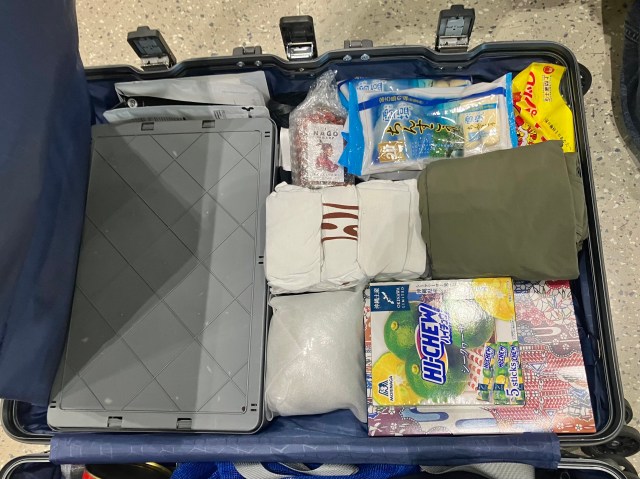
Furthermore, the recovery process is remarkably straightforward: compressed garments automatically return to their original loft, texture, and shape either through standard laundering or simply by being unpacked and left to rest in open air for approximately 15 minutes. This ensures that delicate fabrics remain uncompromised throughout the transit cycle.
Official Statements & Industry Perspectives
The development and commercialization of Pocket Tips represent a milestone in public-private cooperation between Japan’s aviation sector and domestic design innovators.
Representatives from terminal.0 HANEDA have emphasized that the project embodies the core mission of their R&D facility: identifying subtle, pervasive pain points experienced by global travelers and applying localized Japanese engineering prowess to solve them. By treating the airport terminal not merely as a transit checkpoint, but as an active service ecosystem, the consortium aims to elevate the overall travel experience from arrival to departure.
SJOY, the visionary apparel enterprise behind the technology, has highlighted that the machine’s utility extends far beyond airport departures. While early trials focused primarily on outbound tourists eager to pack last-minute duty-free goods and regional trinkets, strategic planners are actively exploring bidirectional implementation. This would allow travelers arriving in Japan to immediately compress their out-of-season or spare travel clothing upon landing, granting them an empty suitcase right at the start of their vacation to fill as they travel across the country.
Industry analysts have also pointed out the immense commercial scalability of the technology. Beyond major international airports, SJOY and its partners are eyeing expansion into the hospitality sector—including high-density urban hotels and resort ryokans—where guests frequently struggle with packing logistics. Additionally, commercial applications within the broader global apparel supply chain and shipping logistics are currently under evaluation.
Future Outlook
As Japan continues to navigate the complexities of managing record-breaking inbound tourism, infrastructural innovations like Pocket Tips signal a proactive, highly customer-centric approach to modern mobility.
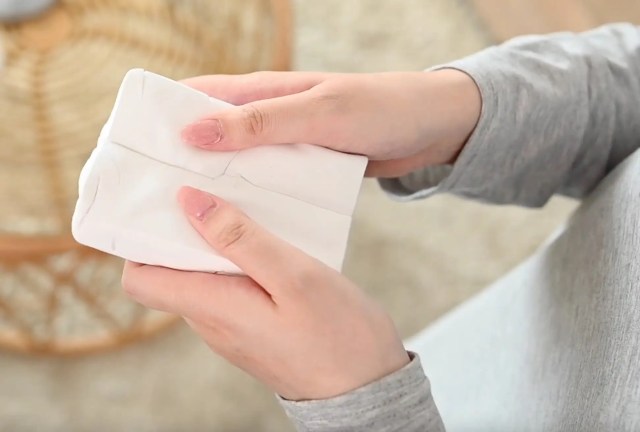
The transition from trial programs to permanent airport installations by 2027 will likely serve as a watershed moment for travel ergonomics. By removing the physical barriers imposed by bulky wardrobes, Japan is not only enhancing the comfort and convenience of its international guests but also directly stimulating local commerce, ensuring that travelers never again have to leave behind a coveted piece of Japanese craftsmanship due to a lack of packing space.
With prospective integrations looming in major hotel chains, regional transit hubs, and international aviation networks, Pocket Tips is well-positioned to evolve from a clever travel hack into an indispensable global standard for modern globetrotters.







Belum ada komentar. Jadilah yang pertama berkomentar!