

Executive Overview
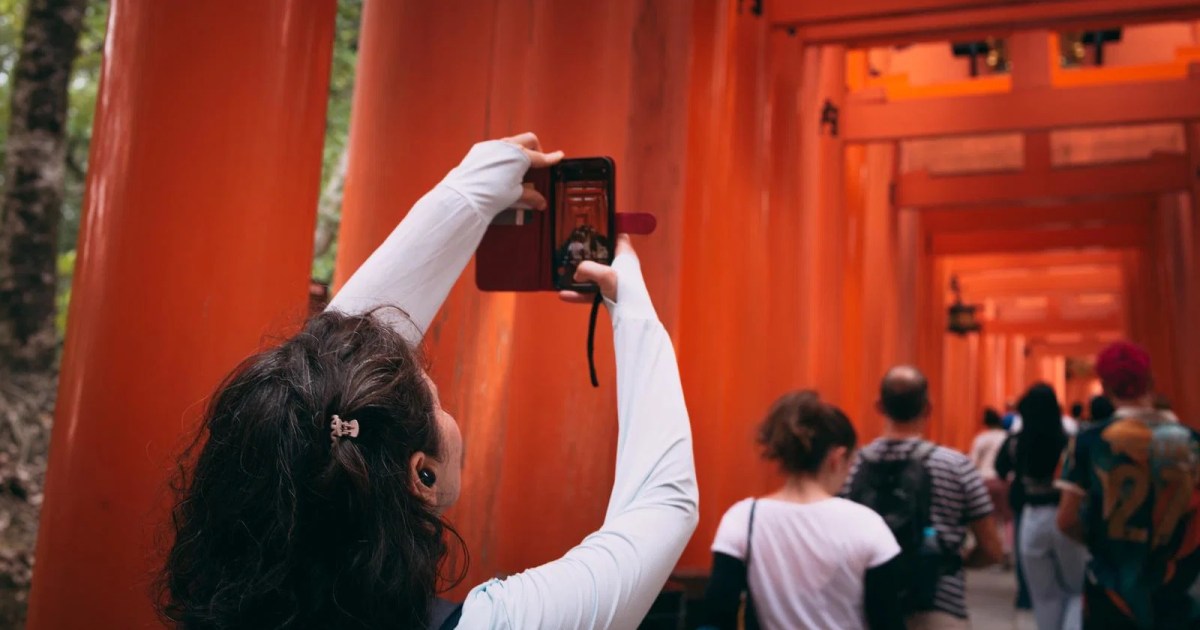
Kyoto, the cultural heart of Japan, stands at a critical historical crossroads. Revered globally for its breathtaking centuries-old shrines and temples, the ancient capital is grappling with the modern scourge of overtourism—compounded aggressively by the pursuit of social media virality. In early September, this friction reached a flashpoint at Fushimi Inari Taisha, one of Japan’s most historically significant and visually iconic Shinto shrines. A series of uploaded videos featuring international tourists performing synchronized routines and traditional dances beneath its world-famous vermillion torii gates sparked international outrage.
The incident highlights a growing, systemic disconnect between modern digital content creation and deeply ingrained cultural preservation. Fushimi Inari Taisha, boasting a legacy spanning over 1,300 years, is far more than a picturesque backdrop for digital creators; it is an active, sacred space of worship where deities reside. In response to the growing wave of tone-deaf digital stunt-pulling, shrine authorities, cultural commentators, and public figures have stepped forward to condemn these acts, prompting the implementation of stricter on-site monitoring and multi-lingual reminder campaigns.
This report delivers a deep dive into the viral incidents, the cultural principles violated, the swift public and community backlashes, and the broader implications for international tourism management within Japan’s most sensitive historical domains.
Detailed Chronology: The September Social Media Storm
The recent controversy unfolded rapidly across mainstream social media platforms—predominantly TikTok, Instagram, and X (formerly Twitter)—during the first week of September.
The Torii Gate Performance
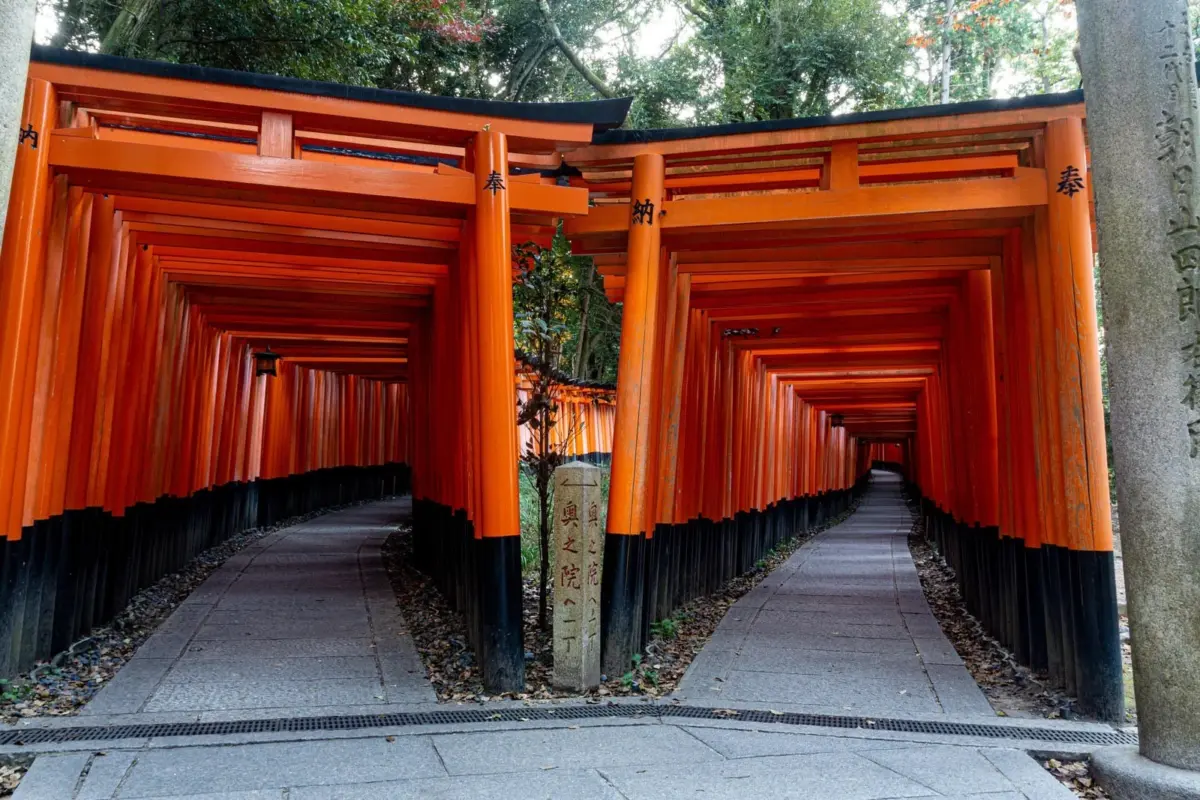
On or around September 5, a video surfaced showing a group of foreign tourists performing a choreographed dance sequence directly underneath the iconic Senbon Torii (thousands of vermillion gates) path at Fushimi Inari Taisha. The participants not only blocked the narrow thoroughfare, forcing other pilgrims and visitors to wait or maneuver awkwardly around them, but they also stepped outside the designated walkway boundaries. In Shinto practice, the physical environment surrounding the shrine paths is considered sacred and unblemished; straying from the path into the surrounding woodland is a direct breach of sacred spatial rules.
The Maori Poi Dance Incident
Almost concurrently, a separate viral clip emerged featuring a group of New Zealand tourists performing a traditional poi dance near the shrine’s main approach. While intended as a cultural expression, the execution of a performance piece within a deeply revered religious sanctuary ignited immediate criticism.
The digital backlash was swift and fierce, drawing condemnation not only from Japanese netizens but also from international cultural defenders. Among the most prominent voices was New Zealand-born professional wrestler and NJPW star Henare, who proudly claims Māori heritage. Henare took to social media to publicly apologize on behalf of his compatriots, explicitly noting that performing unauthorized dances in sacred spaces violates both Japanese Shinto protocols and Māori cultural customs. Demonstrating accountability, Henare actively tracked down the individuals involved in the video, compelling them to issue a formal apology and make a substantial financial donation to Fushimi Inari Taisha as restitution.
The Shrine’s Formal Response
Recognizing the escalating trend of disruptive, clout-seeking behaviors, the administration of Fushimi Inari Taisha acted decisively. On September 7, the shrine management released official notices written in both Japanese and English, posted prominently across the grounds and digital channels. The notices served as a firm reminder of the site’s status as a 1,300-year-old place of prayer, urging visitors to observe basic etiquette and fundamental respect.
Supporting Context & Metrics: Overtourism and Cultural Preservation in Kyoto
To fully understand the gravity of the Fushimi Inari controversy, one must examine the broader socio-economic landscape of post-pandemic tourism in Japan, particularly within the historic prefecture of Kyoto.
The Resurgence of Global Tourism
Following the complete lifting of pandemic-era border restrictions, Japan experienced an unprecedented surge in inbound tourism. According to the Japan National Tourism Organization (JNTO), monthly visitor arrivals have regularly shattered historic records, frequently exceeding pre-pandemic baselines of over 30 million annual visitors. Kyoto, long beloved for its concentration of UNESCO World Heritage sites, has absorbed a disproportionate share of this influx.
| Metric / Indicator | Contextual Overview |
|---|---|
| Shrine Age | Fushimi Inari Taisha was founded in 711 AD (over 1,300 years of history). |
| Primary Deity | Dedicated to Inari Okami, the Shinto god of rice, agriculture, business prosperity, and foxes. |
| Visitor Volume | Millions of domestic and international visitors annually; peak seasons create severe foot-traffic bottlenecks. |
| Primary Infraction | Unauthorized performances, blocking pathways, trespassing on sacred natural grounds for social media views. |
The Sacred Geography of Shinto Spaces
Western visitors frequently misinterpret Japanese shrines and temples through a secularized, architectural lens—treating them similarly to European cathedrals converted into museums or public parks optimized for leisure photography. However, Shinto is an indigenous animistic belief system deeply rooted in the purity of nature (kannagara).
- The Approach (Sando): The central pathway leading to the shrine’s inner sanctuary is historically regarded as the pathway for the gods (shinmichi). Traditional etiquette dictates that visitors should walk along the left or right edges of the path, leaving the exact center open for passing deities.
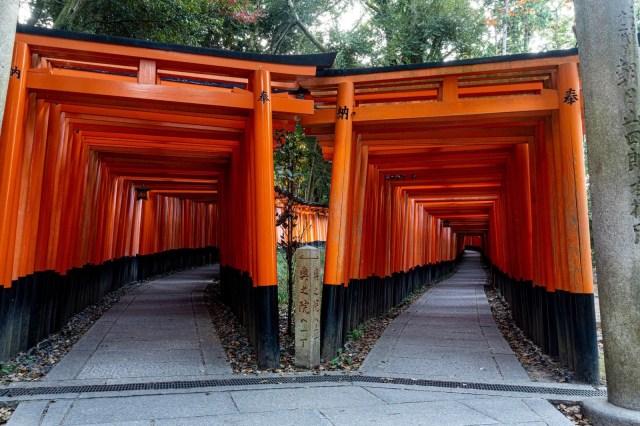
- The Torii Gates: Each vermillion gate at Fushimi Inari Taisha is often donated by businesses or individuals seeking divine favor. They represent a sacred boundary separating the profane everyday world from the holy grounds of the kami (spirits). Using these structures as props for commercial or viral social media videos is viewed by practitioners as a desecration of sacred property.
Official Statements and Institutional Reactions
The confrontation between modern internet culture and ancient tradition has forced religious authorities to transition from passive hospitality to active enforcement.
J-Cast News Interview and Shrine Stance
In an official interview with Japanese media outlet J-Cast News, representatives for Fushimi Inari Taisha confirmed that multiple instances of unauthorized filming and dancing had been documented across the complex. The administration expressed profound disappointment, noting that while no physical structural damage had been sustained to the wooden gates or stone fox statues, the psychological and cultural impact of such behavior deeply undermines the sanctity of the shrine.
Furthermore, the shrine administration explicitly outlined its operational policy moving forward:
"Our staff have been instructed to actively approach any visitors observed engaging in prohibited, disruptive, or disrespectful behavior. Shrines are places of quiet contemplation, ancestral reverence, and prayer—not commercial studios or digital stages."
Cultural Commentary and the Risk of "Digital Cancellation"
Japanese cultural analysts have pointed out a shifting tide in public sentiment. While Japanese society has traditionally practiced gaman (endurance and patience) toward tourists struggling with local customs, the sheer volume of disrespectful digital antics has exhausted public goodwill.
Commentators have warned international content creators that the quest for algorithmic virality carries steep social penalties. Videos recorded in bad taste no longer escape notice; instead, they are aggressively cataloged, cross-referenced, and weaponized by online sleuths. The phenomenon has led to numerous foreign influencers facing rapid digital "cancellation," public shaming, visa scrutiny, and—in severe cases—demands for financial restitution orchestrated by cultural advocates like Henare.
Future Outlook: Protecting Heritage in the Age of Algorithms
As global social media platforms continue to incentivize hyper-visible, attention-grabbing content, heritage sites worldwide face an existential threat. Fushimi Inari Taisha is not an isolated case; similar incidents of tourists behaving inappropriately have plagued historical districts in Kyoto (such as the Gion geisha district restrictions), Rome, Venice, and Machu Picchu.
Moving Forward: Prevention and Enforcement
To safeguard its cultural treasures without completely shutting its gates to the world, Fushimi Inari Taisha and local Kyoto municipal authorities are weighing several proactive measures:
- Enhanced Multilingual Signage: Expanding clear, graphic-based instructions outlining acceptable behavior at key junctures along the mountain trails.
- Active Patrols: Deploying increased security and shrine staff along the miles-long torii pathways to intervene before filming sessions disrupt pedestrian flow or violate sacred boundaries.
- Digital Partnerships: Collaborating with social media platforms to swiftly remove monetized videos that showcase trespassing, property misuse, or culturally insensitive behavior on sacred Japanese grounds.
Conclusion
The message from Kyoto is unequivocal. Fushimi Inari Taisha welcomes respectful global travelers eager to appreciate Japan’s rich spiritual heritage. However, the days of treating sacred Shinto shrines as personal playgrounds for social media clout are rapidly coming to an end. Visitors are reminded that respect must always precede reach, and that preserving a 1,300-year-old legacy requires far more than an eye for aesthetics—it demands a heart of reverence.








Belum ada komentar. Jadilah yang pertama berkomentar!