

Executive Overview
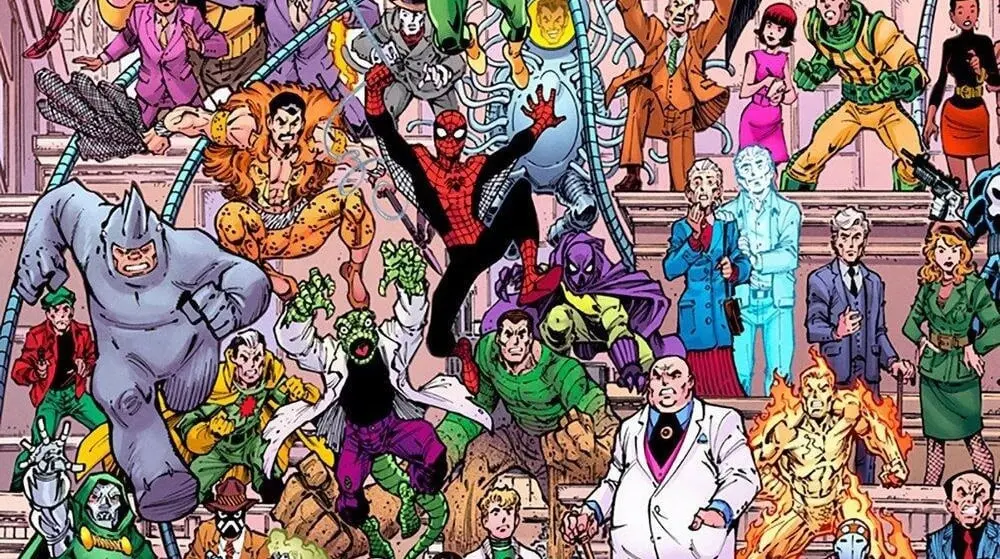
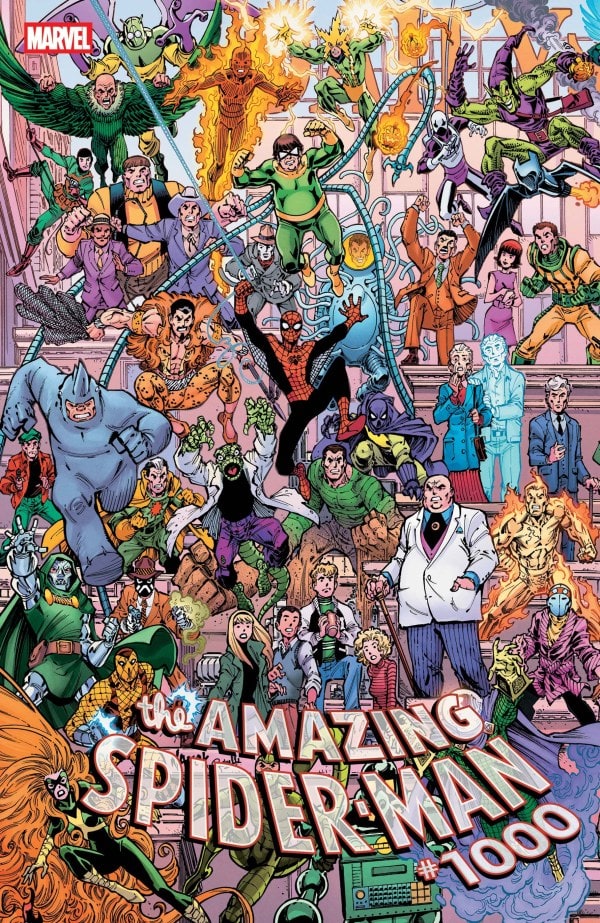
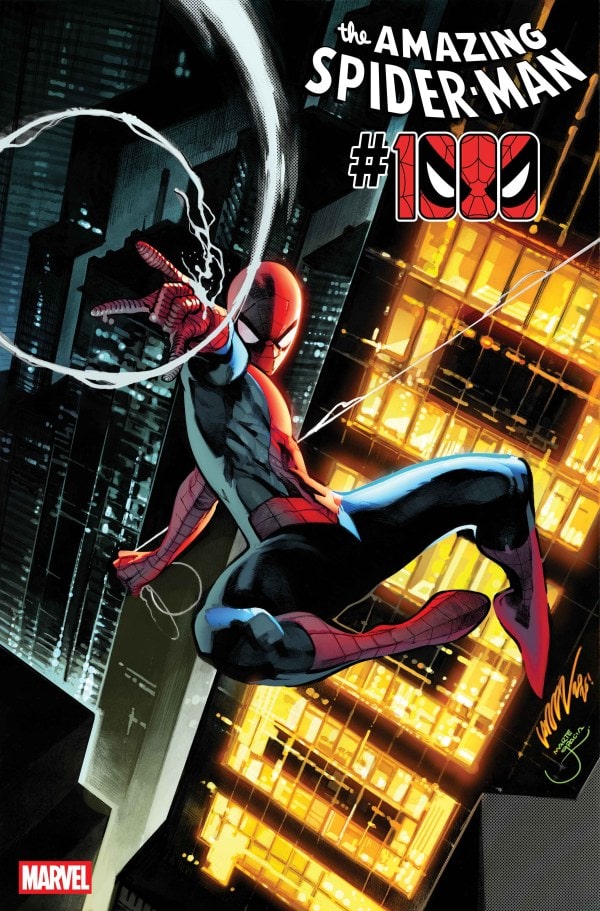
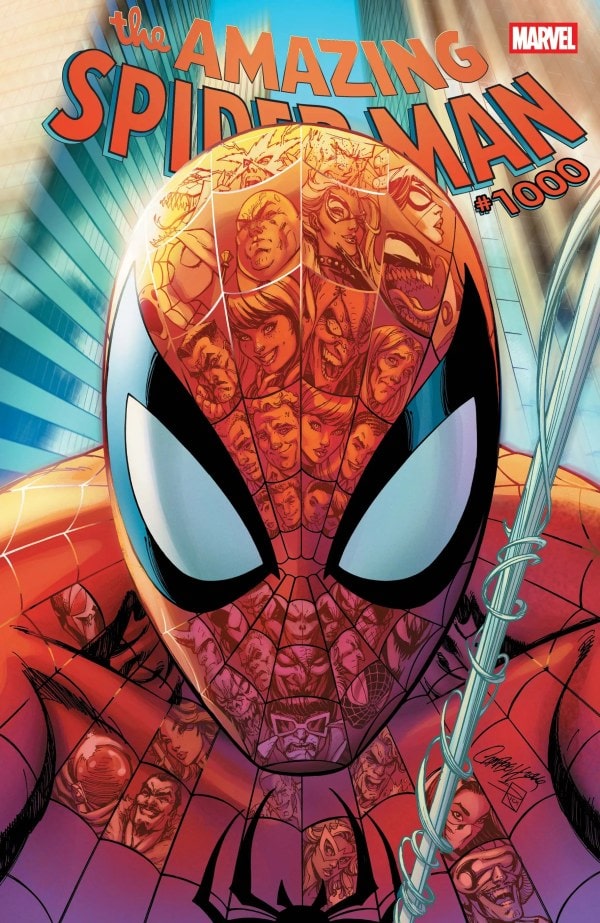
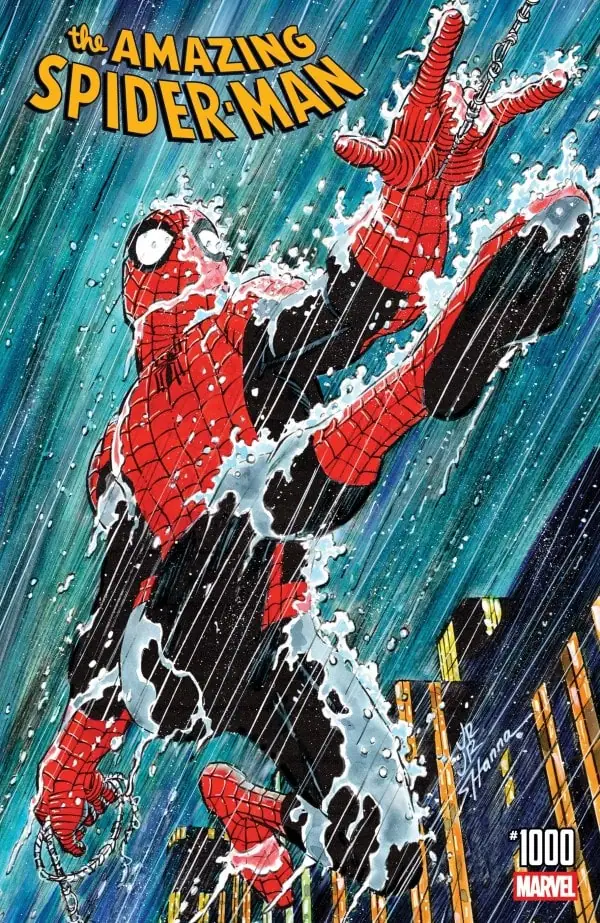
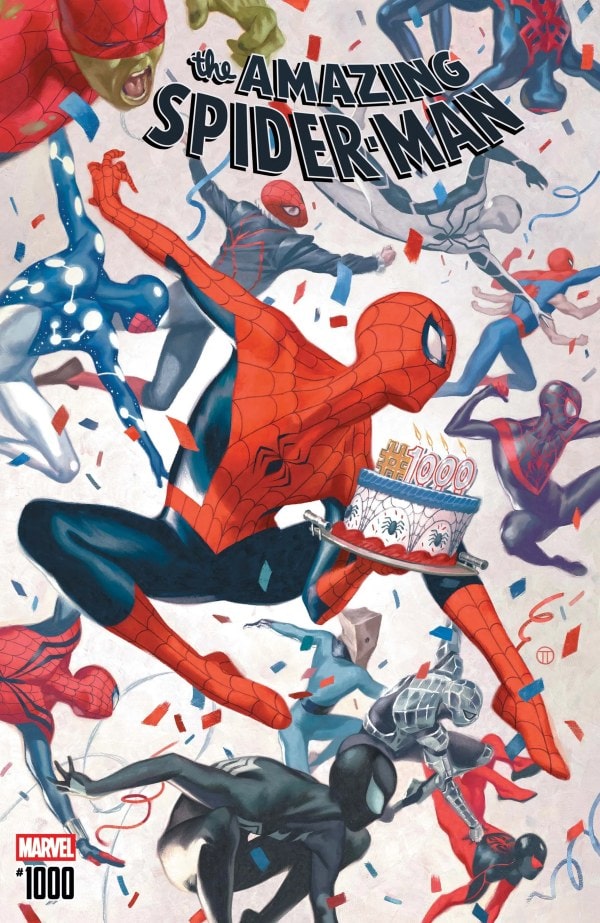
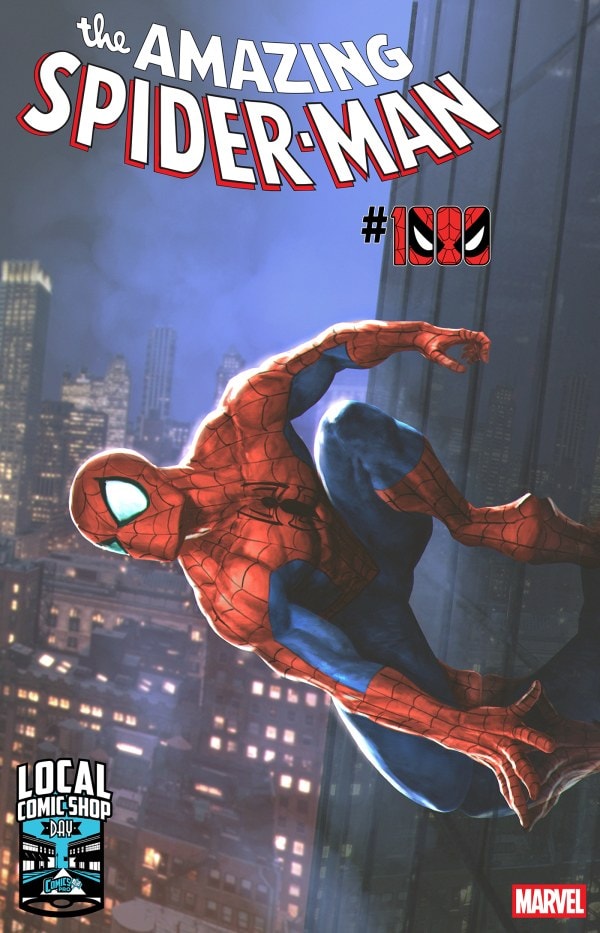
Next week, Marvel Comics achieves a monumental milestone that few publications in the history of serialized media ever reach. The Amazing Spider-Man hits its historic 1000th issue, marking an unprecedented chapter not just for Peter Parker, but for the entire comic book industry. Hitting comic book store shelves and digital platforms on September 30th at a price point of $9.99, Amazing Spider-Man #1000 is positioned as the largest and most ambitious single issue in the web-slinger’s storied history.

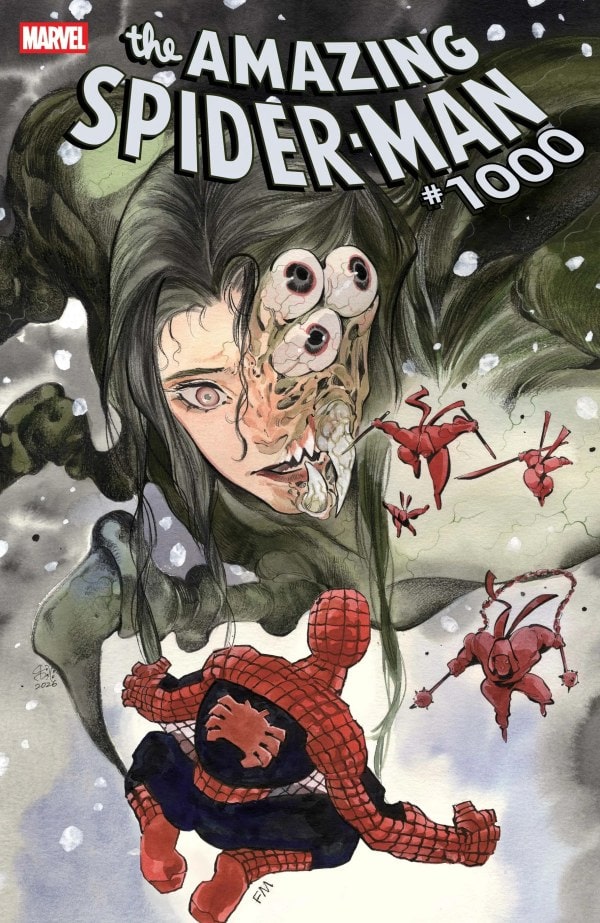
This oversized celebration brings together an all-star roster of visionary creators spanning generations. Beyond celebrating the character’s legacy, the issue introduces a chilling new antagonist, "Ravage," who promises to challenge the Wall-Crawler’s psyche and physical limits alike. Furthermore, the issue serves as a cultural nexus for the medium, featuring the comic book writing debut of acclaimed television auteur Noah Hawley (Alien: Earth, Fargo, Legion), a historic first-time collaboration between comics legend Frank Miller and visionary artist Peach Momoko, and a landmark reunion between creative powerhouses Stuart Immonen and Brian Michael Bendis.
As fans prepare to dive into this massive anthology, Amazing Spider-Man #1000 is more than just a celebratory victory lap—it is a testament to the enduring, cross-generational appeal of a character who redefined what it means to be a superhero.
Detailed Chronology: From Humble Beginnings to a Millennium of Issues
To truly understand the weight of Amazing Spider-Man #1000, one must trace the evolutionary timeline of a publication that transformed pop culture forever.
The journey began in August 1962 with Amazing Fantasy #15, a dying anthology title where writer Stan Lee and artist Steve Ditko introduced a nerdy high school orphan bitten by a radioactive spider. That singular, risk-taking issue—which famously introduced the iconic mantra that "with great power there must also come great responsibility"—was an immediate smash hit. Recognizing gold, Marvel promptly gave the character his own solo series, The Amazing Spider-Man #1, which debuted in March 1963.
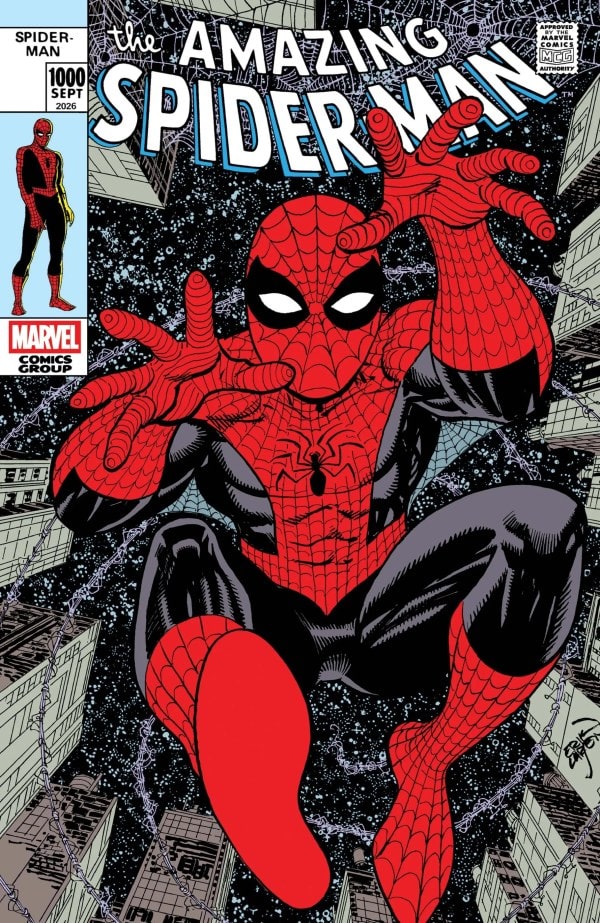
The Silver and Bronze Age Foundations (1963–1980s)
During the Silver Age, Lee and Ditko crafted a revolutionary template for superheroes. Peter Parker wasn’t a billionaire industrialist or an infallible god; he was an anxious teenager struggling to pay rent, care for his ailing Aunt May, and navigate high school social dynamics while dodging the police. When Ditko departed the book, artistic legend John Romita Sr. stepped in, injecting a brighter, more romantic, and universally adored aesthetic that cemented the book’s mainstream dominance.
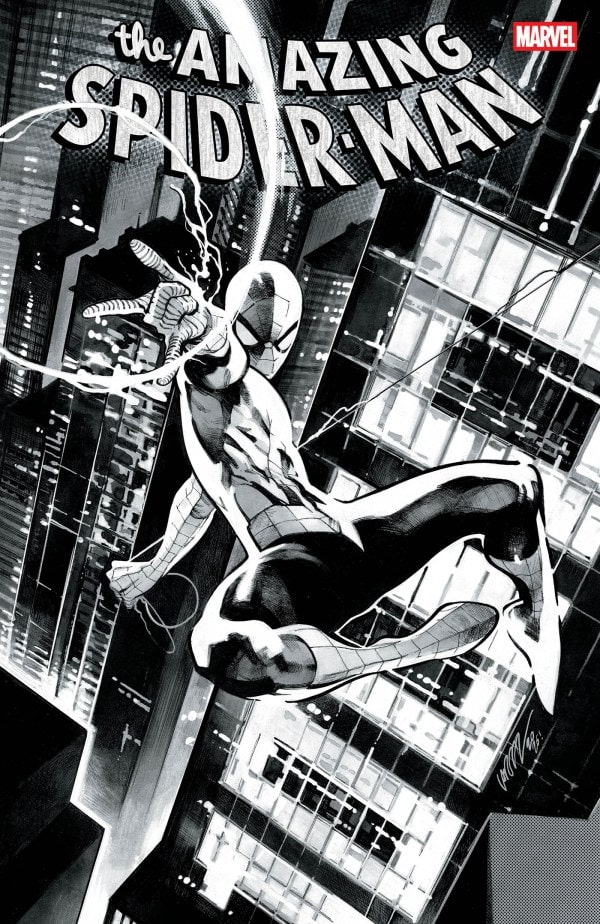
The decades that followed saw generation-defining story arcs. The tragic death of Gwen Stacy in 1973 (The Amazing Spider-Man #121–122) famously shattered the illusion of perpetual innocence in mainstream superhero comics, ushering in the darker, more introspective Bronze Age. Writers like Gerry Conway, Marv Wolfman, Roger Stern, and Tom DeFalco continuously pushed Peter Parker into uncharted emotional territory, introducing legendary adversaries such as the Green Goblin, Doctor Octopus, Venom, and Kraven the Hunter.
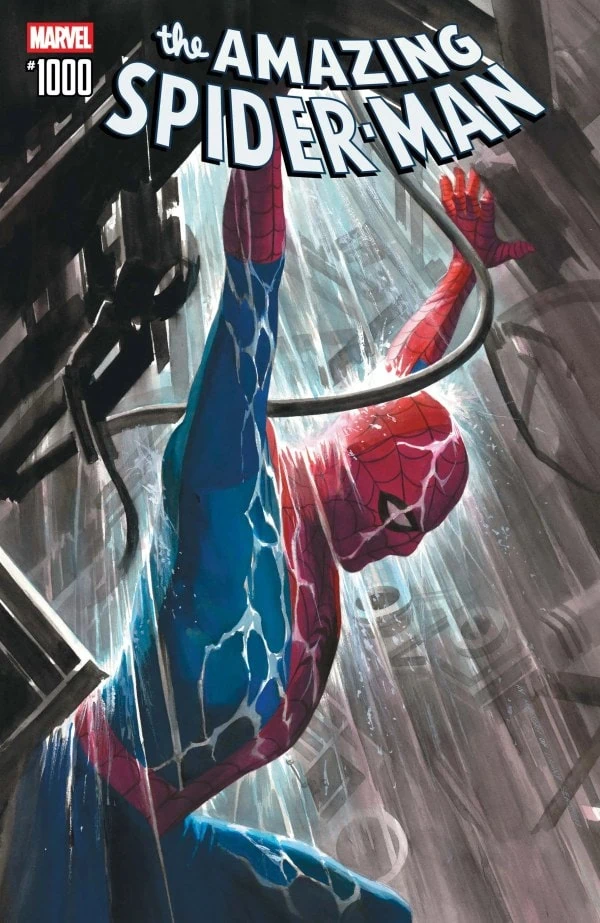
Modern Milestones and Legacy Numbering
Over the last twenty years, Marvel’s editorial strategy for its flagship web-slinger underwent several re-numberings, transitions, and "Brand New Day" initiatives. However, the publisher’s commitment to acknowledging legacy numbering has consistently honored the uninterrupted history of Peter Parker’s adventures.
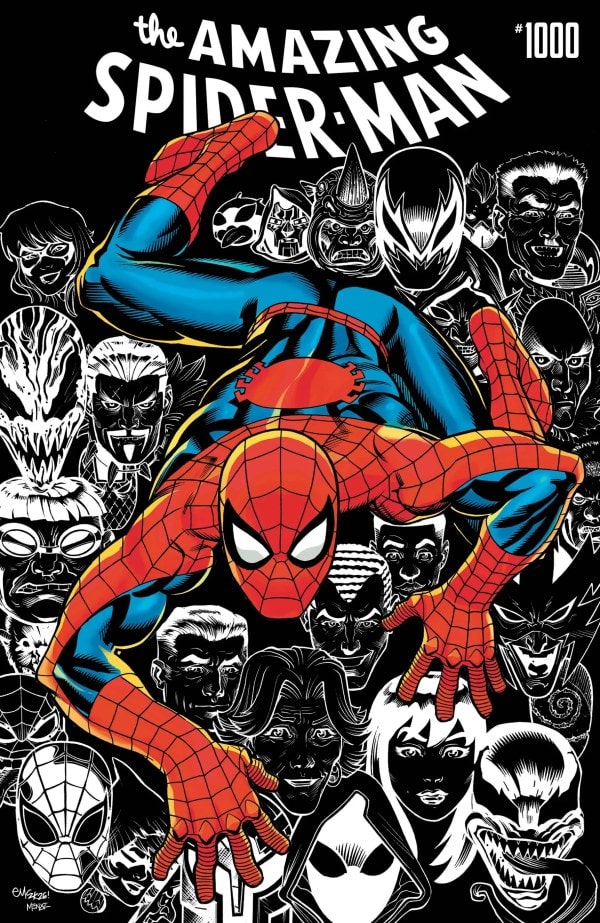
Milestones have always been treated as cultural events in the Marvel universe:
- Issue #500 (2003): Written by J. Michael Straczynski with art by John Romita Jr., this landmark issue explored time-travel, introspection, and Peter’s reconciliation with his dual life.
- Issue #800 (2018): Penned by Dan Slott with art by Ryan Stegman, this colossal issue concluded the "Go Down Swinging" arc, pitting Spider-Man against a Red Goblin powered by the Carnage symbiote.
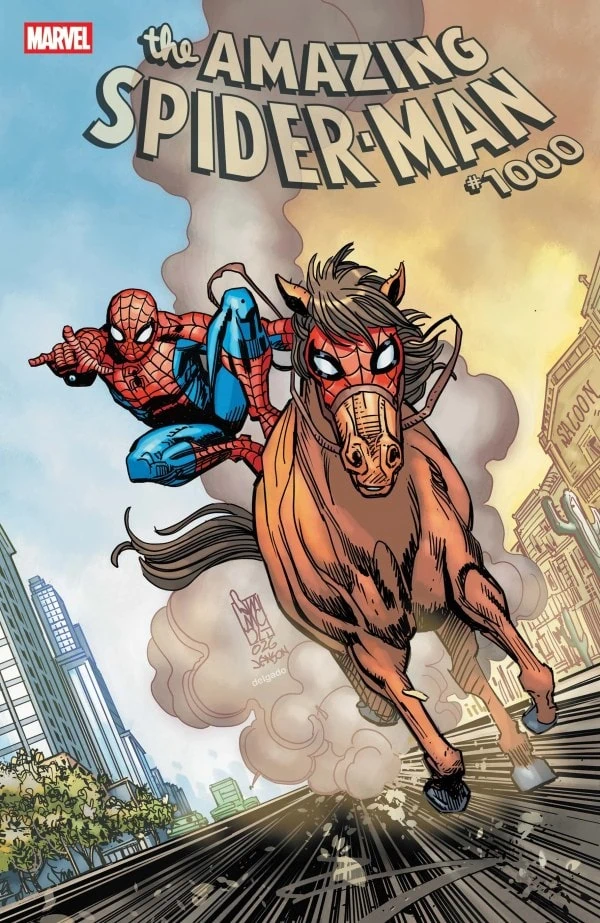
Now, leaping past those historic markers, Amazing Spider-Man #1000 stands as the apex of this continuous publishing heritage, combining legacy storytelling with boundary-pushing narrative experiments.
Supporting Context & Metrics: The Creative Titan Behind the Millennium
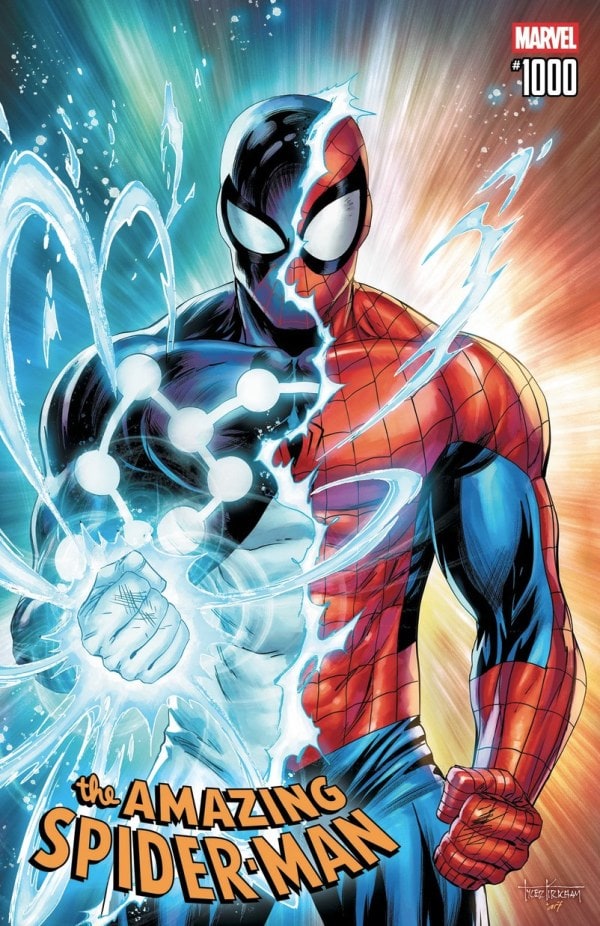
What sets Amazing Spider-Man #1000 apart from standard anniversary issues is the sheer breadth and prestige of its creative lineup. Marvel has assembled a dream team of creators from both traditional comic book roots and prestige television, creating an eclectic tapestry of tales.
| Creator / Team | Role / Contribution | Significance to the Project |
|---|---|---|
| Noah Hawley | Writer (Comic Book Debut) | Brings his critically acclaimed television storytelling sensibilities (Fargo, Legion, Alien: Earth) to the page for the very first time. |
| Frank Miller & Peach Momoko | Writer/Artist Collaboration | A historic first-time pairing uniting the gritty, noir-soaked sensibilities of Miller with Momoko’s ethereal, painterly artistry. |
| Brian Michael Bendis & Stuart Immonen | Creative Reunion | A celebrated pairing returning to Spider-Man together, evoking memories of their legendary modern collaborations. |
| Classic ASM Creators | Various Roles | A curated collective of veteran writers and artists who defined Peter Parker’s modern era returning to the title. |
The Threat of "Ravage"
Central to the primary narrative of this milestone issue is the introduction of a terrifying new adversary: Ravage. Marvel editorial has teased that Ravage is not merely a physical powerhouse designed to test Spider-Man’s acrobatic combat style, but a psychological terror capable of forcing Peter Parker to confront his deepest, most deeply buried fears. In an era where Spider-Man has faced cosmic entities, multiversal threats, and personal demons, the arrival of a villain explicitly engineered to challenge the character’s core ethos is a major selling point for long-term readers.
Official Statements & Industry Perspective
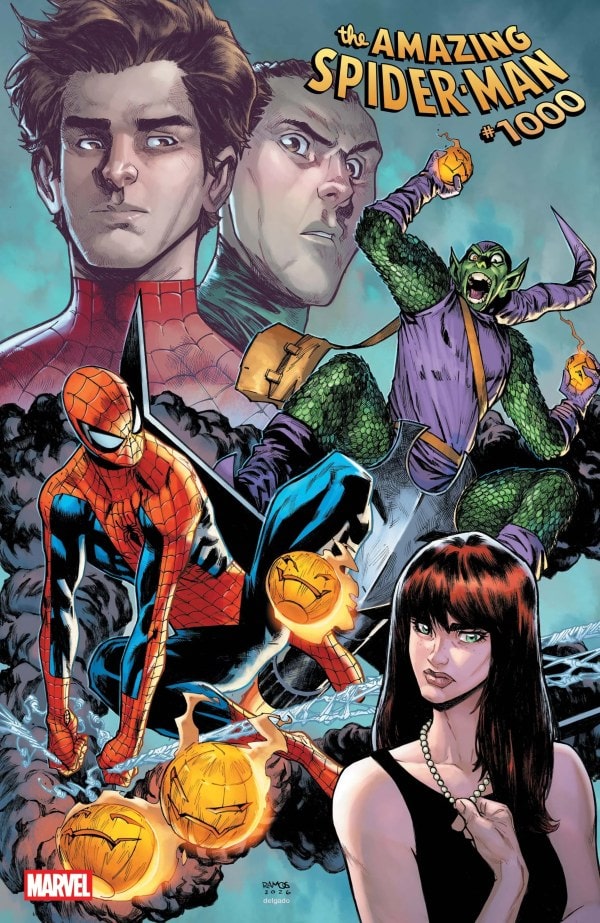
In anticipation of the release, Marvel’s editorial brass and the creative contributors have shared insights into what it takes to curate an issue of this monumental scale.
While specific plot points remain heavily guarded to preserve the reading experience, Executive Editor Nick Lowe and his team have emphasized that Amazing Spider-Man #1000 is designed as a love letter to the fans who have kept the series thriving for over six decades.
"When you talk about a thousand issues of a single ongoing narrative, you are talking about a living, breathing piece of modern mythology," notes industry commentary surrounding the release. "Characters like Superman and Batman have vast multi-title histories, but The Amazing Spider-Man holding down a singular primary numbering track to 1000 is an extraordinary editorial marathon."
The inclusion of television creators like Noah Hawley further signals Marvel’s ongoing strategy to bridge the gap between high-end prestige television and serialized comic book storytelling. Hawley’s transition to the medium is anticipated to bring a cinematic, deeply psychological layer to his contribution, proving that the comic page remains a vital sandbox for visionary directors and showrunners.
Future Outlook: Where Does Spider-Man Go From 1000?
Reaching issue #1000 begs an obvious question for retailers, collectors, and fans alike: What comes next?
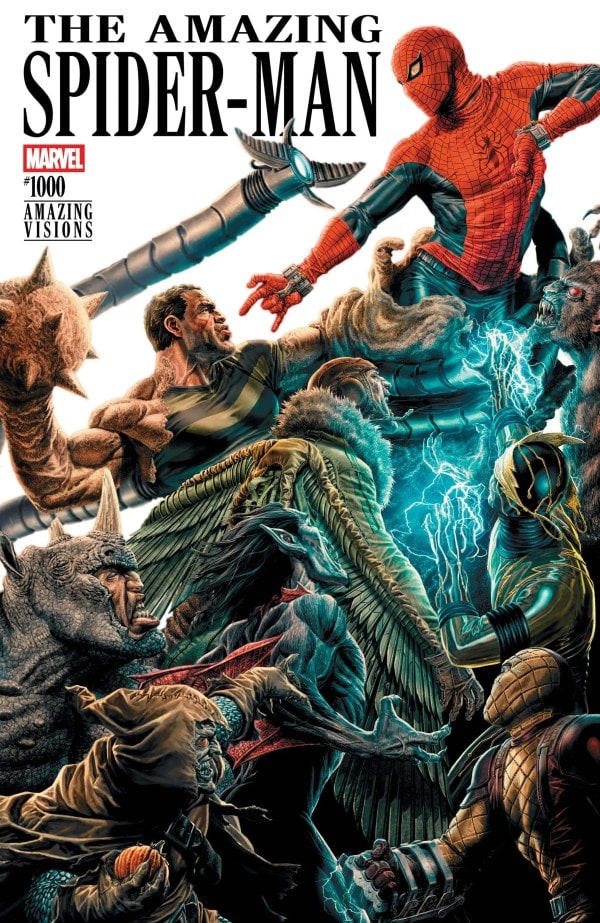
Historically, milestone issues in the comic book industry act as narrative fulcrums. They close old chapters while aggressively planting seeds for future storytelling arcs. With Ravage entering Spider-Man’s rogues’ gallery, readers can expect this new villain to cast a long shadow over upcoming storylines in the core Amazing Spider-Man ongoing series.
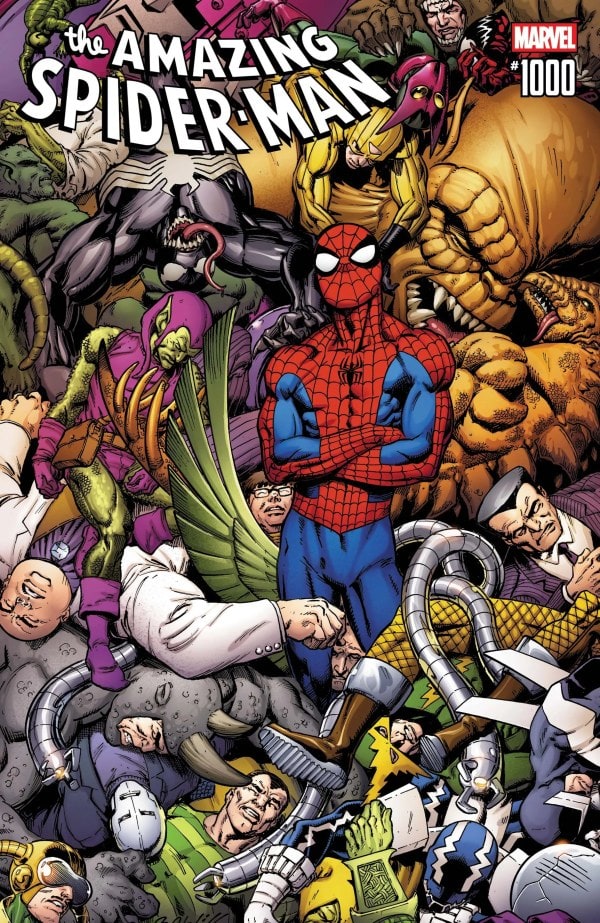
Furthermore, the high-profile involvement of creators like Frank Miller, Peach Momoko, and Brian Michael Bendis demonstrates Marvel’s willingness to experiment with diverse artistic interpretations of the character. As the medium continues to evolve in a digital-first landscape—exemplified by digital reading options via Amazon Kindle and ComiXology—Amazing Spider-Man #1000 proves that the physical and digital comic book ecosystem remains robust, vibrant, and fiercely devoted to its foundational icons.
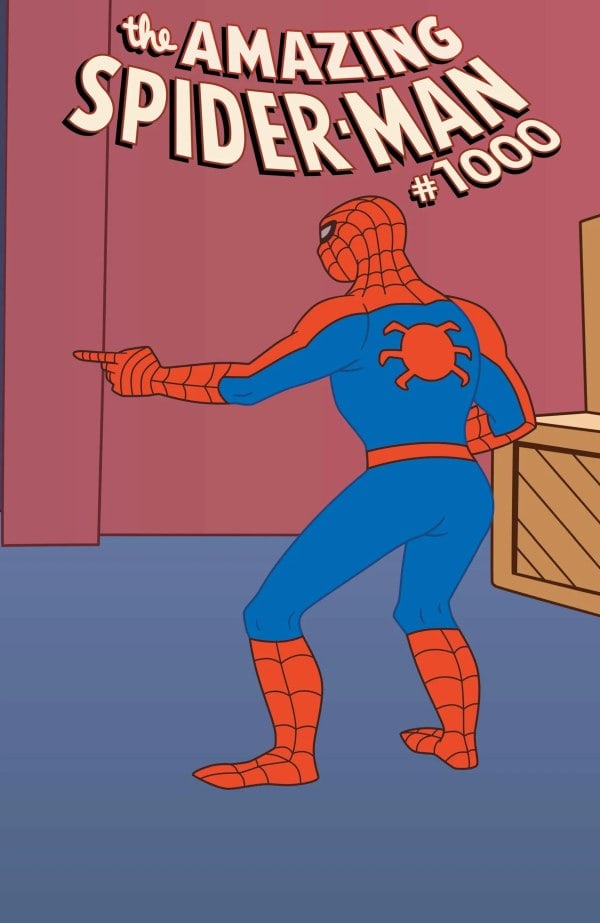
For collectors, completionists, and casual fans looking to witness a historic turning point in pop culture history, Amazing Spider-Man #1000 arrives on September 30th, ready to spin a brand-new web for the next generation of readers.









Belum ada komentar. Jadilah yang pertama berkomentar!