

Executive Overview
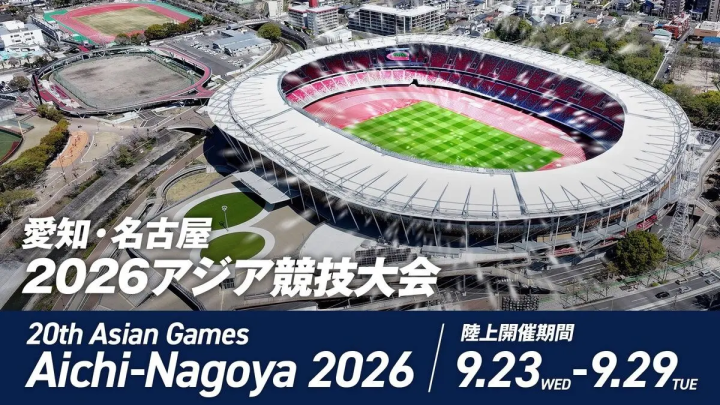
The global athletic community is shifting its gaze toward Japan as the country prepares to host the 20th Asian Games Aichi-Nagoya 2026. Officially scheduled from September 19 to October 4, 2026, this quadrennial multisport extravaganza returns to Japanese soil for the first time in 32 years, succeeding the historic 1994 Hiroshima Asian Games. Centered primarily across Aichi Prefecture and its capital city of Nagoya, the upcoming Games represent a massive logistical undertaking, bringing together roughly 45 Asian nations and territories to compete in 469 distinct events across 43 dynamic sports.
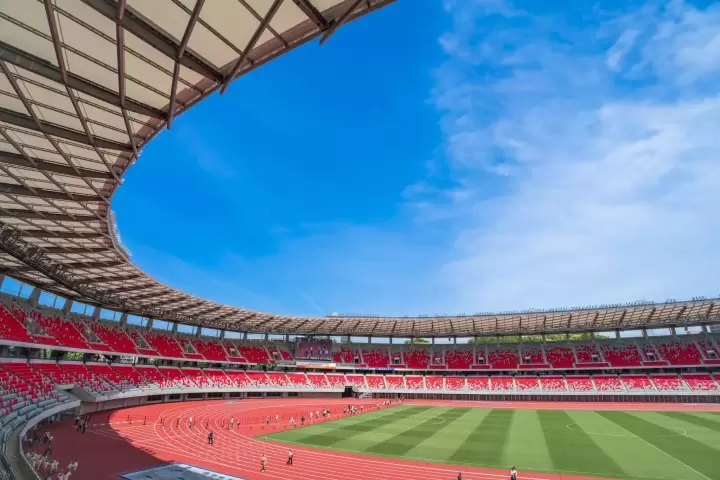
As a showcase of continental athletic supremacy, the Aichi-Nagoya Games will feature premier Olympic disciplines alongside culturally significant regional sports. From the high-velocity track and field events at the newly revitalized Paloma Mizuho Stadium to aquatic showdowns at the state-of-the-art Tokyo Aquatics Centre, the Games offer an invaluable crucible for world-class athletes. With major Japanese medal hopefuls like javelin thrower Haruka Kitaguchi, hurdler Rashid Muratake, and gymnast Daiki Hashimoto leading the host nation’s charge, domestic and international anticipation has reached a fever pitch.
Beyond the stadiums, this comprehensive guide explores every facet of the 2026 Asian Games: a detailed competitive chronology, transport infrastructure, key venue architecture, ticketing frameworks, official broadcasting partnerships, and curated travel itineraries designed to help spectators experience the rich cultural tapestry of Nagoya and the broader Chubu region.
Detailed Chronology and Event Schedule
While the official opening ceremony is slated for Saturday, September 19, 2026, competitive action will commence prior to the formal inauguration. In accordance with the demands of modern tournament structures, select high-stakes sports—particularly team disciplines requiring extended rest intervals—will trigger the opening bell days in advance.
Early-Stage Competitions
- Monday, September 14, 2026: Women’s soccer group-stage matches kick off, setting an energetic early tone for the tournament.
- Wednesday, September 16, 2026: Men’s soccer group-stage fixtures begin, featuring high-profile matches for the U-21 Japan national team at Toyota Stadium.
Core Tournament Milestones
- Saturday, September 19, 2026: Official Opening Ceremony at the Nagoya Mizuho Park Athletics Stadium.
- Sunday, September 20 – Tuesday, September 22, 2026: Early medal bouts across individual medleys in swimming, gymnastics qualification rounds, and early swimming finals. Note that September 21 and 22 fall on Japanese public holidays, guaranteeing maximum domestic attendance.
- Saturday, September 26 – Monday, September 28, 2026: Peak track and field events. This window houses marquee showdowns, including the Men’s 110m Hurdles, Women’s Javelin Throw, and the Men’s 3000m Steeplechase finals.
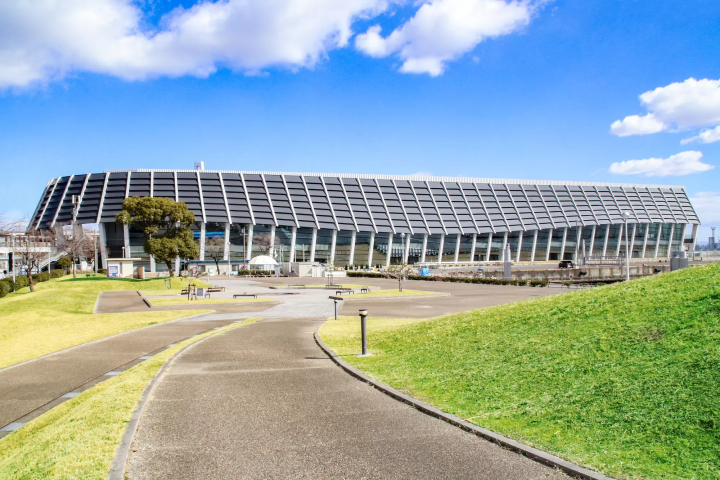
- Wednesday, September 30, 2026: High-flying execution takes center stage with the Men’s 10m Platform diving finals at the Tokyo Aquatics Centre.
- Sunday, October 4, 2026: Closing Ceremony, formally concluding the 20th Asian Games and passing the torch to the next host city.
(Note: Event schedules remain subject to minor adjustments based on broadcast requirements and organizing committee updates. Spectators are strongly advised to cross-reference their itineraries with the official Aichi-Nagoya 2026 portal prior to match days.)
Supporting Context, Infrastructure, and Key Metrics
Hosting an event of this magnitude requires a staggering network of infrastructure, meticulous urban planning, and cross-prefectural cooperation. The 2026 Asian Games utilize 54 distinct venues spread across Aichi Prefecture, alongside specialized co-hosting facilities in metropolitan hubs such as Tokyo, Osaka, Shizuoka, and Gifu.
Key Operational Metrics
- Total Sports: 43
- Total Medal Events: 469
- Participating Delegations: ~45 National Olympic Committees (NOCs) across Asia
- Primary Host Zone: Aichi Prefecture and Nagoya City
- Secondary Host Prefectures: Tokyo, Osaka, Shizuoka, Gifu
Flagship Venues & Urban Integration
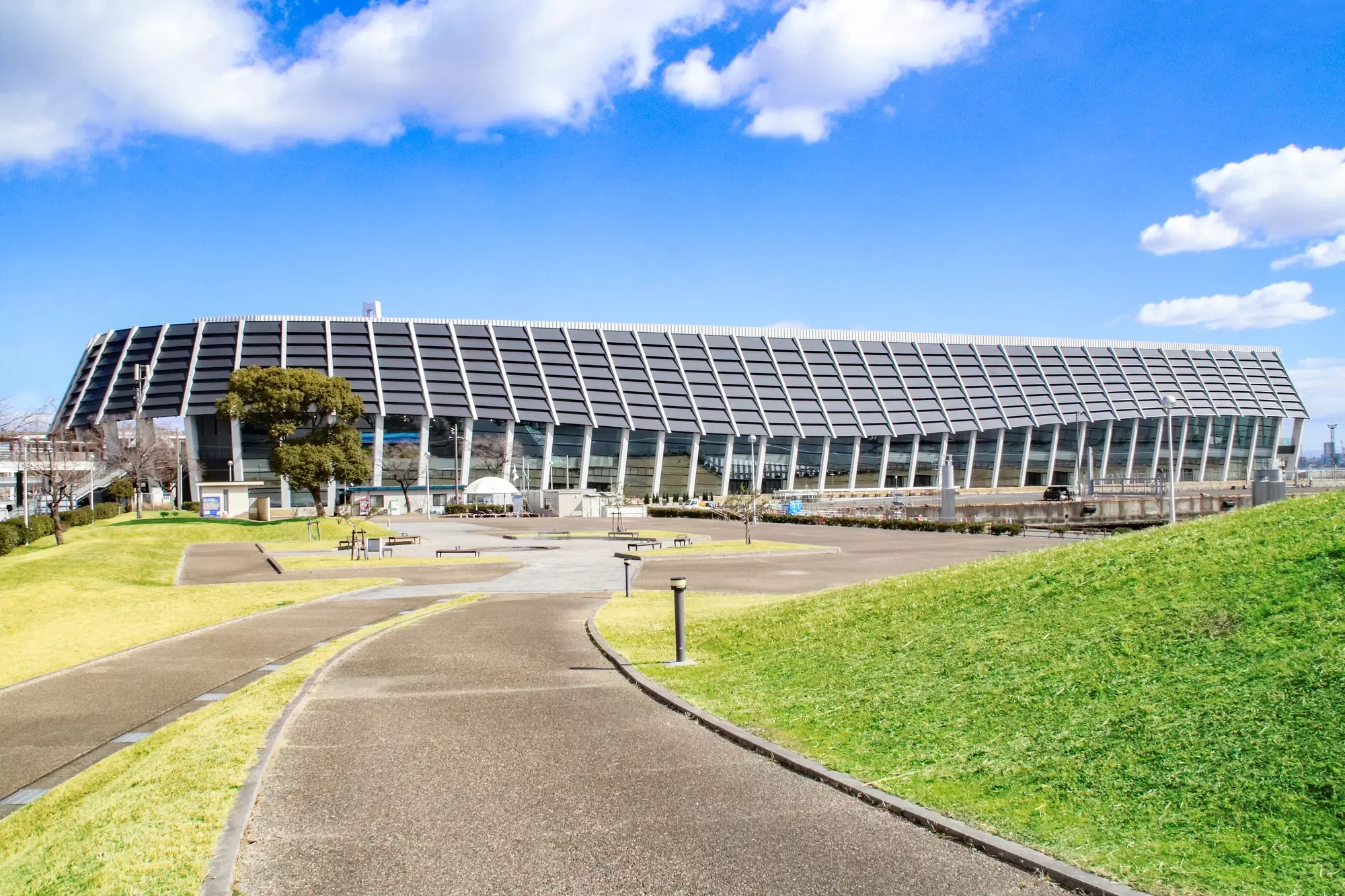
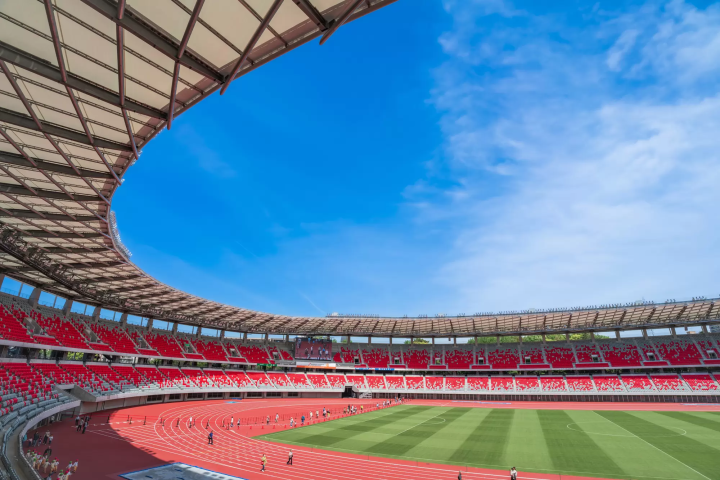
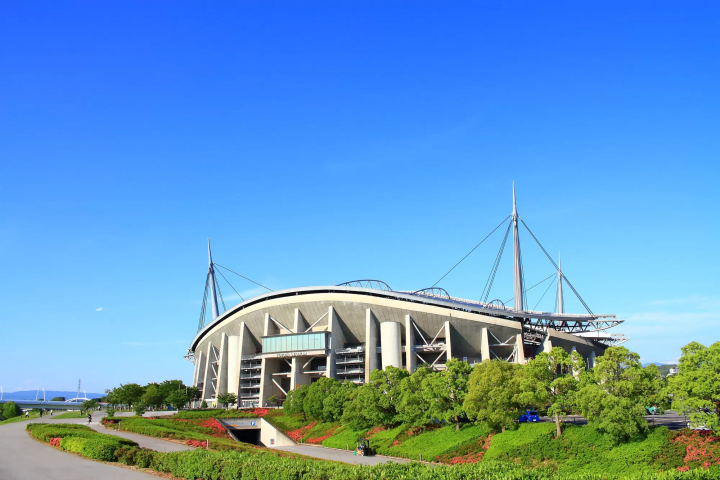
1. Nagoya Mizuho Park Athletics Stadium (Paloma Mizuho Stadium)
- Location: Mizuho Ward, Nagoya City
- Accessibility: Approximately 30 to 35 minutes from Nagoya Station via the Sakuradori Subway Line to Mizuho Undojo Nishi Station, followed by a 10-to-15 minute walk.
- Role: Serving as the structural heartbeat of the Games, this venue hosts both the Opening and Closing Ceremonies, alongside all premier track and field competitions. Its location seamlessly merges athletic pageantry with urban exploration.
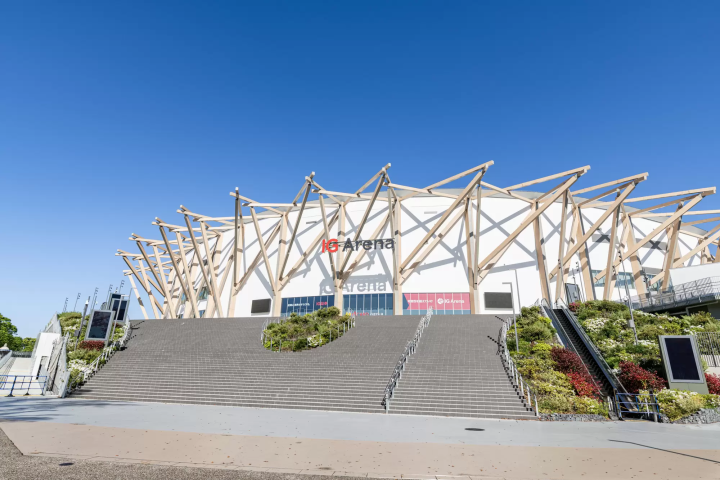
2. Aichi International Arena (IG Arena)
- Location: Meijo Park, adjacent to Nagoya Castle
- Accessibility: Roughly 20 to 25 minutes from Nagoya Station via the Higashiyama Subway Line (transferring at Sakae to the Meijo Line to Meijokoen Station).
- Role: A cutting-edge, large-scale arena hosting high-intensity indoor sports, notably basketball and judo. Positioned near historical landmarks, it offers spectators immediate access to local sightseeing.
3. Port Messe Nagoya
- Location: Kinjo Futo, Minato Ward, Nagoya City
- Accessibility: Approximately 30 minutes from Nagoya Station via a direct, transfer-free ride on the Aonami Line to Kinjo-futo Station, followed by a brief 2-to-5 minute walk via a pedestrian skywalk.
- Role: The Chubu region’s premier exhibition hub, transformed during the Games into a specialized arena for technical and gravity-defying disciplines such as sport climbing.
4. Toyota Stadium
- Location: Toyota City, Aichi Prefecture
- Accessibility: Approximately 1 hour and 15 minutes from Nagoya Station using the Sakuradori or Tsurumai Subway lines connecting to the Meitetsu Toyota Line, concluding with a 15-to-20 minute walk from Toyotashi Station.
- Role: One of Japan’s largest dedicated football venues. Boasting a seating capacity exceeding 40,000, it provides an electrifying atmosphere for crucial group matches and the men’s soccer tournament final.
Official Statements, Ticketing, and Broadcasting Frameworks
Ticketing Protocols
Securing admission to high-demand sessions requires navigating the official ticketing architecture. Tickets can be secured online through the Aichi-Nagoya 2026 Asian Games Official Ticket Sales Website. Additionally, brick-and-mortar physical ticket offices will operate within Nagoya City to assist attendees with on-site purchases.
While same-day tickets may be available for events with remaining venue capacity, high-demand disciplines—such as soccer matches featuring the Japan national teams, athletics finals, table tennis, and basketball—are expected to sell out their preferred seating categories early. Advance digital booking is strongly encouraged.

Broadcast and Live Streaming Partnerships
For fans unable to make the trip to Japan, comprehensive television and digital coverage has been locked in. The TBS Network holds the primary broadcast rights for the Aichi-Nagoya Asian Games, broadcasting extensive daily coverage across Japan from Wednesday, September 16, through Sunday, October 4, 2026.
- Television Coverage: Focuses primarily on Team Japan’s medal pursuits, marquee finals, and daily tournament recaps.
- Digital Streaming: Live-streaming schedules, secondary digital channels, and on-demand highlights will be coordinated through the official TBS portal and companion apps. Viewers should consult the official TBS Asian Games schedule page for real-time updates on streaming rights and regional geoblocking restrictions.
Future Outlook: Team Japan Stars to Watch
With the Games unfolding on home soil, the pressure and expectation resting on Team Japan’s delegation are immense. The roster features a compelling mix of seasoned global champions and emerging prodigies poised to define the future of Asian athletics.

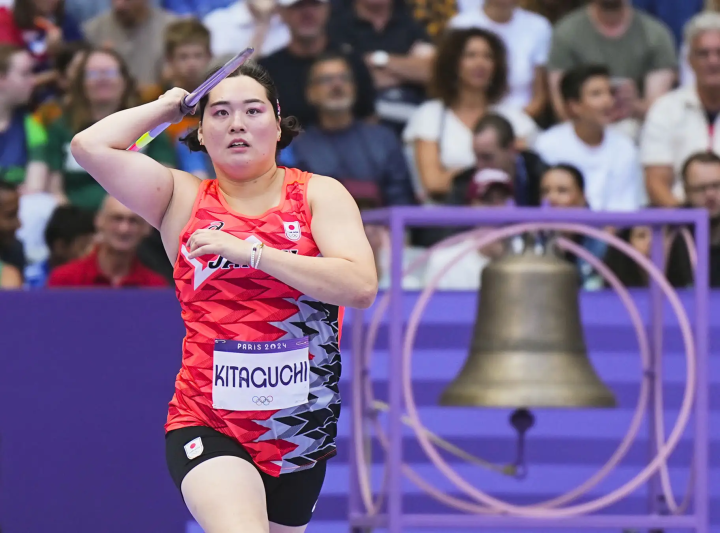
- Haruka Kitaguchi (Women’s Javelin Throw): A global icon in track and field, Kitaguchi combines explosive approach velocity with exceptional mental fortitude. Set to compete directly in the final on September 27 at the Mizuho Park Athletics Stadium, she stands as a premier gold medal favorite.
- Rashid Muratake (Men’s 110m Hurdles): Japan’s premier sprint hurdler relies on blistering blocks and a fluid rhythm across a high-octane 13-second window. His heats (Sept 26) and final (Sept 27) represent absolute must-watch sprinting action.
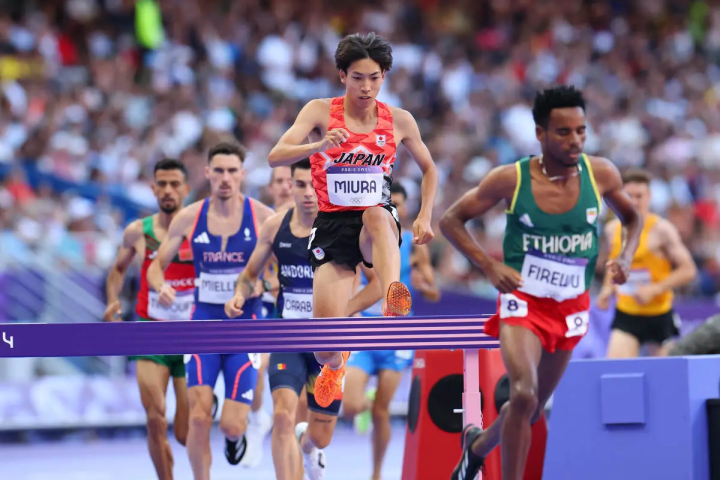
- Ryuji Miura (Men’s 3000m Steeplechase): Renowned for his exceptional clearance technique over barriers and water jumps, Miura anchors Japan’s distance running ambitions in the final scheduled for September 28.
- Tomoyuki Matsushita (Swimming): A versatile individual medley prodigy capable of devastating late-race surges. Matsushita is slated to contest the 200m butterfly, 200m IM, and 400m IM at the Tokyo Aquatics Centre.
- Rikuto Tamai (Diving): Coming off stellar international campaigns, the Olympic-pedigreed diver attacks the 10m platform on September 30 with dizzying rotational complexity and flawless water entries.
- Daiki Hashimoto (Gymnastics): The linchpin of Japanese men’s gymnastics, Hashimoto exhibits peerless elegance and technical precision across all six apparatuses, commencing his campaign on September 21.
- Rion Ichihara (Soccer): Anchoring the U-21 national team’s backline, Ichihara combines defensive robustness with modern, play-initiating distribution from deep positions during group fixtures at Toyota Stadium.
Cultural Enrichment: Nagoya Sightseeing and Hospitality
Visitors making the journey for the Asian Games should take full advantage of Nagoya’s rich historical legacy, culinary identity, and world-class leisure attractions.

Must-Visit Landmarks
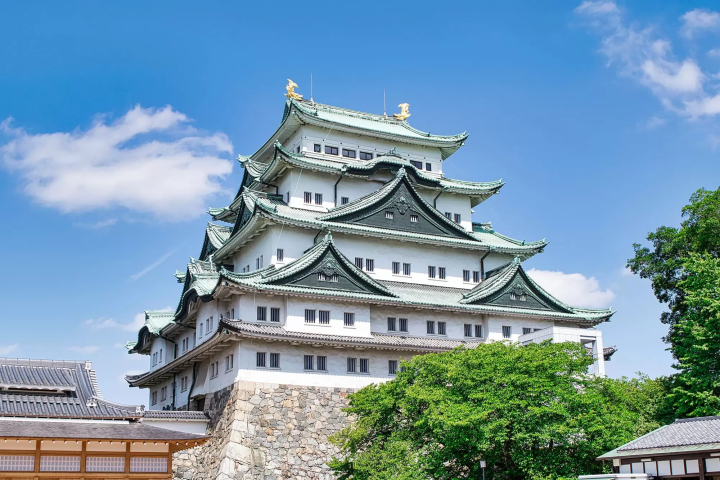
- Nagoya Castle: A historic stronghold famous for its gleaming golden shachihoko (mythical tiger-carp roof ornaments) and the meticulously restored Hommaru Palace. Its proximity to Meijo Park makes it an ideal pairing with events at the Aichi International Arena.
- Atsuta Shrine: Boasting a 1,900-year history, this sacred Shinto sanctuary provides a serene, forested retreat in the middle of the urban landscape.
- Osu Shopping Street: A vibrant, eclectic bazaar blending retro clothing boutiques, modern pop-culture outlets, and stalls serving iconic local Nagoya delicacies (meshi).
- Sakae and Hisaya-odori: The commercial heart of the city, dominated by the Chubu Electric Power MIRAI TOWER and expansive park spaces offering bustling nightlife after matches conclude.
- Ghibli Park: Located a short trip away in Nagakute City, this whimsical theme park brings the legendary films of Studio Ghibli—such as My Neighbor Totoro and Howl’s Moving Castle—to life across five immersive tracts of woodland.
Strategic Accommodation Hubs
Selecting the right base depends on your itinerary:
- Nagoya Station Area: The ultimate transit nexus. Ideal for travelers utilizing the Shinkansen (bullet train) or seeking rapid, direct rail lines to venues across Aichi Prefecture.
- Sakae Area: Perfect for spectators who want to seamlessly blend sporting events with high-end dining, shopping, and nightlife.
- Kanayama Area: A major multi-line transfer hub (JR, Meitetsu, and Subway) offering direct, hassle-free rail connections to Chubu Centrair International Airport.
Conclusion
The 20th Asian Games Aichi-Nagoya 2026 promise to be a watershed moment in modern sports history, marrying athletic excellence with Japanese hospitality and organizational precision. Whether you are occupying a seat at Paloma Mizuho Stadium, tracking live splits via TBS broadcasts, or exploring the historical depths of Nagoya Castle, the Games offer an unforgettable celebration of human potential. Ensure your travel arrangements are confirmed, tickets are secured, and schedules are synchronized to witness the unfolding legacy of Asia’s finest athletes.








Belum ada komentar. Jadilah yang pertama berkomentar!