By the Tech & Platforms Desk Published September 20, 2019
Executive Overview
In the fast-paced ecosystem of digital video content, few symbols carry as much weight, trust, and validation as the verification badge. For creators, artists, public figures, and major brands, a simple checkmark next to a channel name represents the culmination of years of hard work, audience building, and institutional recognition. It is a digital seal of authenticity.
Therefore, when YouTube—owned by multinational tech giant Google—announced sweeping, unilateral changes to its channel verification program in September 2019, the digital creator community erupted in widespread panic, confusion, and outrage.
The initial policy overhaul was pitched by YouTube leadership as a necessary modernization effort. The platform argued that its existing framework, which relied heavily on a straightforward 100,000-subscriber threshold, had become obsolete in an increasingly complex and crowded ecosystem. Furthermore, internal user research suggested that nearly a third of YouTube’s massive global audience misunderstood the checkmark’s function, frequently interpreting it as an active "endorsement of content" rather than a neutral indicator of identity.
To address these concerns, YouTube rolled out a radical redesign aimed at stripping verification from thousands of mid-tier creators, altering the visual aesthetics of the badge, and introducing a subjective, prominence-based evaluation system.
The backlash was swift, loud, and unforgiving. Creators across every genre—from independent educational channels and gaming streamers to niche tech reviewers—accused the platform of elitism, poor communication, and a blatant disregard for the hard-working communities that form the backbone of the site. Facing an escalating public relations crisis, YouTube took the rare step of executing a humiliating, full-scale policy U-turn less than 24 hours later.
This in-depth investigative report examines the chronology of the 48-hour crisis, analyzes the core metrics and motivations driving YouTube’s original decision, parses the official corporate admissions of failure, and looks at the long-term outlook for digital identity verification in the creator economy.
Detailed Chronology: A 48-Hour PR Disaster
To understand the magnitude of YouTube’s miscalculation, one must trace the timeline of events that unfolded between September 19 and September 20, 2019. The speed at which the platform went from introducing a major policy shift to issuing a groveling public apology highlights the immense leverage—and unified voice—that content creators now wield.
Day One: The Original Announcement (September 19, 2019)
On the morning of September 19, YouTube published a blog post and a flurry of support documentation outlining what it called "updates to YouTube’s verification program." The core message was clear: the system was changing, and it was changing immediately.
Under the proposed guidelines, YouTube intended to completely overhaul how creators qualified for and maintained their verification status. Instead of automatically maintaining a checkmark upon surpassing 100,000 subscribers, channels would now be subjected to a strict set of criteria that prioritized "prominence," "authenticity needs," and global reach.
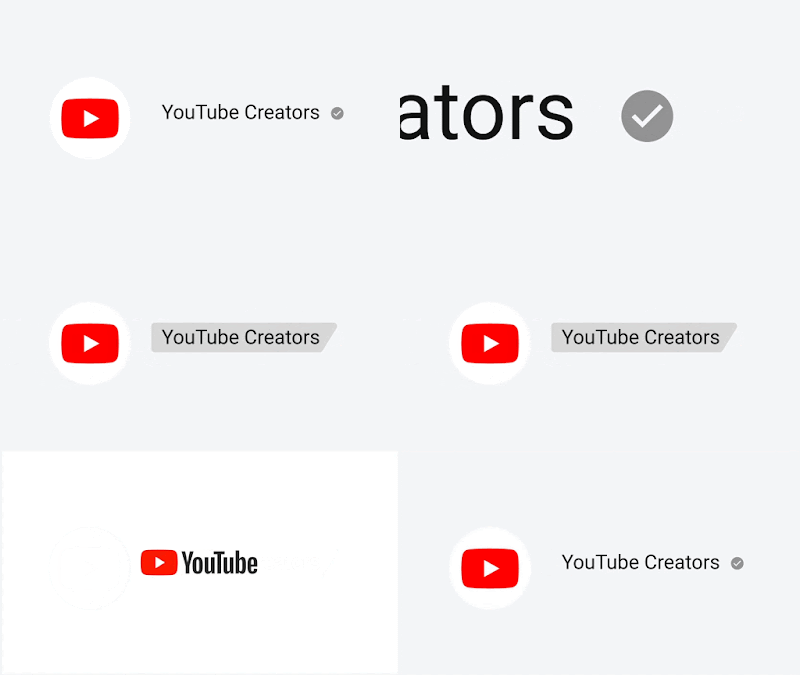
Crucially, the platform announced that millions of channels would no longer be eligible for the badge under the new rules. Creators who had proudly displayed their verification symbols for years suddenly faced the terrifying prospect of having their badges stripped away. To add insult to injury, YouTube also revealed plans to redesign the badge itself, moving away from the traditional checkmark and replacing it with a new, harder-to-replicate visual asset that would roll out globally across desktop, mobile, and living room apps.
The Immediate Backlash
Within hours of the announcement, social media platforms—particularly Twitter and Reddit—became war zones. Creators who had spent a decade building their channels took to the web to express their betrayal.
Many pointed out the practical dangers of losing verification. The badge was not merely a vanity metric; it served as a vital shield against malicious impersonators, copycat channels, and phishing scams. Without it, viewers navigating search results or comment sections would find it exceedingly difficult to distinguish between an authentic creator and a fraudulent actor attempting to steal their identity or scam their audience.
Major tech commentators, educators, and independent journalists slammed YouTube for failing to consult the creator community before implementing such a seismic shift. The narrative quickly solidified: YouTube was once again demonstrating a profound disconnect from the grassroots creators who populated its trending tabs and generated billions of ad impressions.
Day Two: The Rapid Retreat and Apology (September 20, 2019)
Realizing that the situation was spiraling out of control, YouTube’s executive team mobilized an emergency response. At 3:00 p.m. on September 20, less than 24 hours after the initial press release, the platform published a humbling update.
Written in a markedly different tone from the corporate jargon of the day before, the updated blog post opened with a startling concession: "While rolling out improvements to this program, we completely missed the mark. We’re sorry for the frustration that this caused and we have a few updates to share."
YouTube officially walked back its most controversial retroactive punishments. The platform announced that channels that already possessed the verification badge would be allowed to keep it indefinitely, sparing thousands of creators the grueling humiliation of appealing a bureaucratic decision. Furthermore, the timeline for the visual redesign of the badge was pushed back to the following year to allow for a more measured, thoughtful implementation.
Supporting Context & Metrics: Why YouTube Tried to Change
To fairly evaluate YouTube’s actions, one must examine the internal pressures and data points that motivated the platform to touch the third rail of creator politics in the first place. Platforms of YouTube’s scale do not introduce high-risk policy changes on a whim; they are driven by systemic data, trust and safety concerns, and legal pressures.
The Impersonation Epidemic
According to official platform disclosures, YouTube received tens of thousands of complaints every single year regarding channel impersonation. As the platform evolved from a simple video repository into a sprawling social network featuring community posts, live-streaming super chats, and interactive comment sections, bad actors found increasingly lucrative ways to exploit the system.
Impersonators would frequently clone popular creators—replicating their profile pictures, banners, and exact display names—to scam unsuspecting fans, promote crypto-currency fraud, or harvest personal data in the comments section. For YouTube’s Trust and Safety teams, combating this rampant identity theft was an operational nightmare. The legacy verification system, which was originally designed when the platform was a fraction of its current size, was no longer fit for purpose.
The "Endorsement vs. Identity" Confusion
Another major catalyst for the policy overhaul was consumer psychology. YouTube conducted extensive internal user research and discovered a startling disconnect between what creators thought the verification badge meant and how everyday viewers interpreted it.
Creator Perspective: Creators viewed the checkmark as a badge of honor, a milestone of success, and a measure of professional accomplishment.
Viewer Perspective: Nearly one-third of surveyed YouTube users misunderstood the badge entirely. They associated the checkmark with an official platform endorsement of content rather than a neutral indicator of identity.
When a channel with a checkmark uploaded controversial, misleading, or offensive material, users frequently blamed YouTube itself, believing that the platform was implicitly endorsing the creator’s views. This created a thorny moderation and public relations dilemma for the company, pushing leadership to decouple verification from general platform participation and tie it strictly to the necessity of proof of authenticity.
The Math of the 100,000-Subscriber Threshold
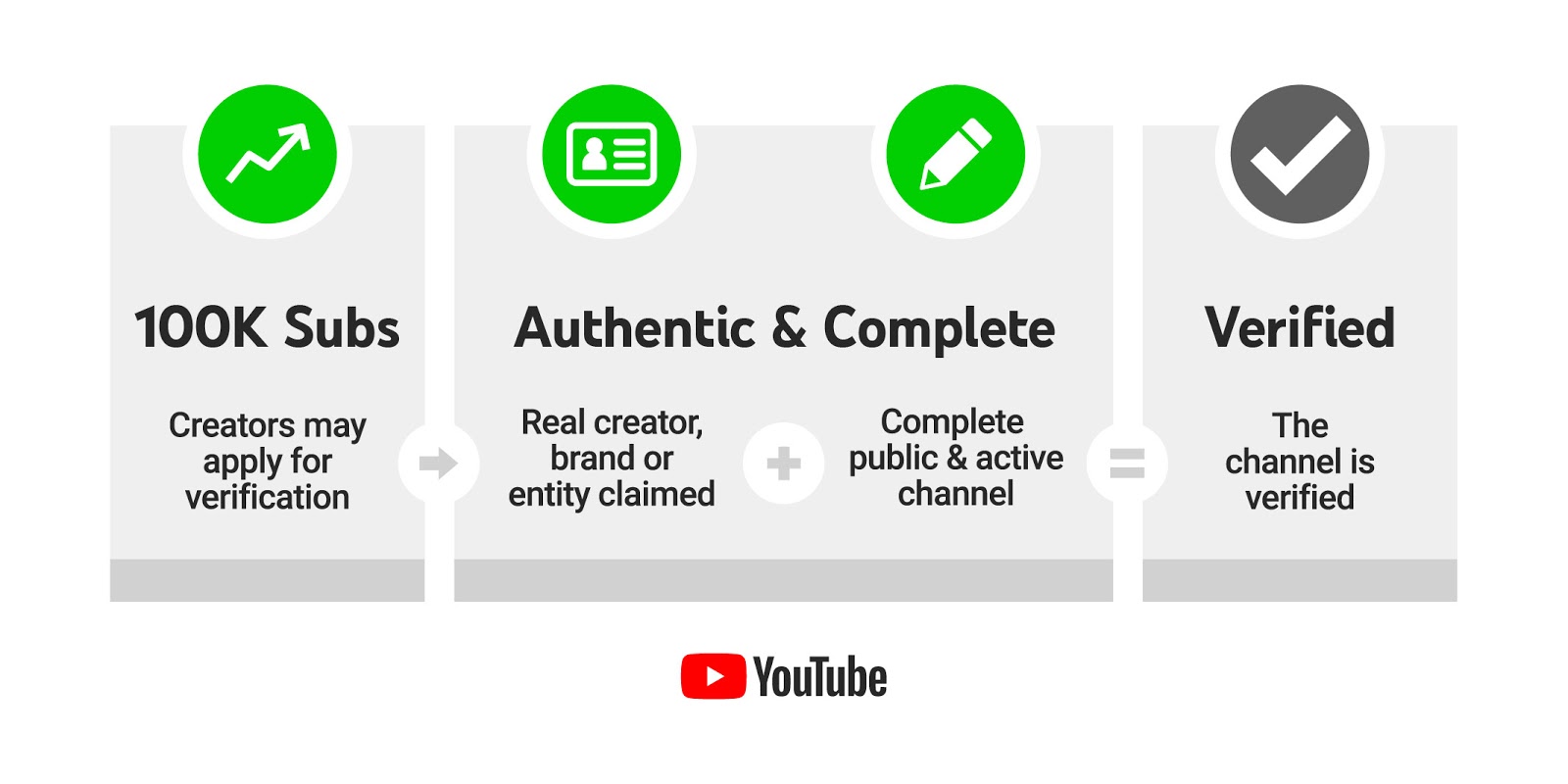
Under the legacy rules, any channel that crossed the 100,000-subscriber mark could apply for verification. While this system was scalable during YouTube’s earlier years, the exponential growth of digital content creation rendered it unsustainable. Millions of channels crossed the threshold, turning what was once an exclusive marker of distinction into a ubiquitous graphic.
YouTube needed a way to filter out the noise and focus verification resources on public figures, artists, and prominent brands with a genuine, demonstrable need for protection against impersonators. Unfortunately, their initial execution sacrificed tact for technical efficiency.
Official Statements and Corporate Accountability
The speed and candor of YouTube’s backtracking offer a fascinating case study in modern corporate crisis management. By taking direct accountability, the platform managed to de-escalate a rapidly growing mutiny.
In its September 20 update, YouTube explicitly addressed the core grievances voiced by the creator community:
"First, we heard loud and clear how much the badge means to you. Channels that already have the verification badge will now keep it and don’t have to appeal. We’ll continue reviewing those channels to ensure we’re protecting creators from impersonation."
This concession was vital. By grandfath-ering in existing verified channels, YouTube removed the immediate existential threat felt by thousands of mid-tier creators.
Furthermore, the platform clarified the future parameters for the application process, which was slated to reopen by the end of October 2019:
Subscriber Eligibility: Channels with over 100,000 subscribers would remain eligible to apply for verification.
Identity vs. Popularity: The review process would strictly focus on determining whether a channel was attempting to impersonate another entity, utilizing enhanced security protocols.
Automatic Application: For channels meeting the newly refined, prominence-based criteria, the verification treatment would be applied automatically without requiring manual applications.
Despite these course corrections, YouTube maintained that its long-term vision for the visual redesign of the badge—intended to make it more distinct across search results, channel pages, and comment sections—would eventually move forward, though delayed to the following year to ensure a smoother rollout.
Future Outlook: The Ongoing Struggle for Digital Identity
The 2019 YouTube verification debacle serves as a cautionary tale for all major technology platforms navigating the delicate social contract between Silicon Valley corporations and the digital creator class. It proved that algorithmic efficiency and top-down corporate mandates cannot simply bulldoze cultural traditions established over a decade of community building.
As the creator economy continues to mature into a multi-billion-dollar global industry, the mechanisms of trust and authenticity will only grow more critical. Platforms face a perpetual balancing act:
They must protect everyday users from sophisticated networks of scammers and impersonators.
They must respect and validate the professional identities of the creators who drive their advertising revenue and user engagement.
They must communicate policy shifts with transparency, empathy, and adequate lead time.
In the wake of the September 2019 crisis, YouTube learned a harsh, highly public lesson in community relations. While the platform ultimately backed down and preserved the status quo for its existing verified creators, the underlying challenges of managing identity, authority, and trust in an open digital ecosystem remain as complex as ever. For creators and viewers alike, the humble verification checkmark remains not just a graphic asset, but the primary currency of digital truth.









Belum ada komentar. Jadilah yang pertama berkomentar!