

Executive Overview
For decades, the agricultural identity of Japan has been inextricably linked to the rolling paddies of Honshu, the terraced tea plantations of Shizuoka, and the meticulously managed family farms of the nation’s temperate zones. Yet, when one examines the literal and economic foundations of what makes Japanese cuisine so rich, vibrant, and consistently high-quality, the spotlight inevitably shifts northward—to the sprawling, windswept plains of Tokachi, Hokkaido.
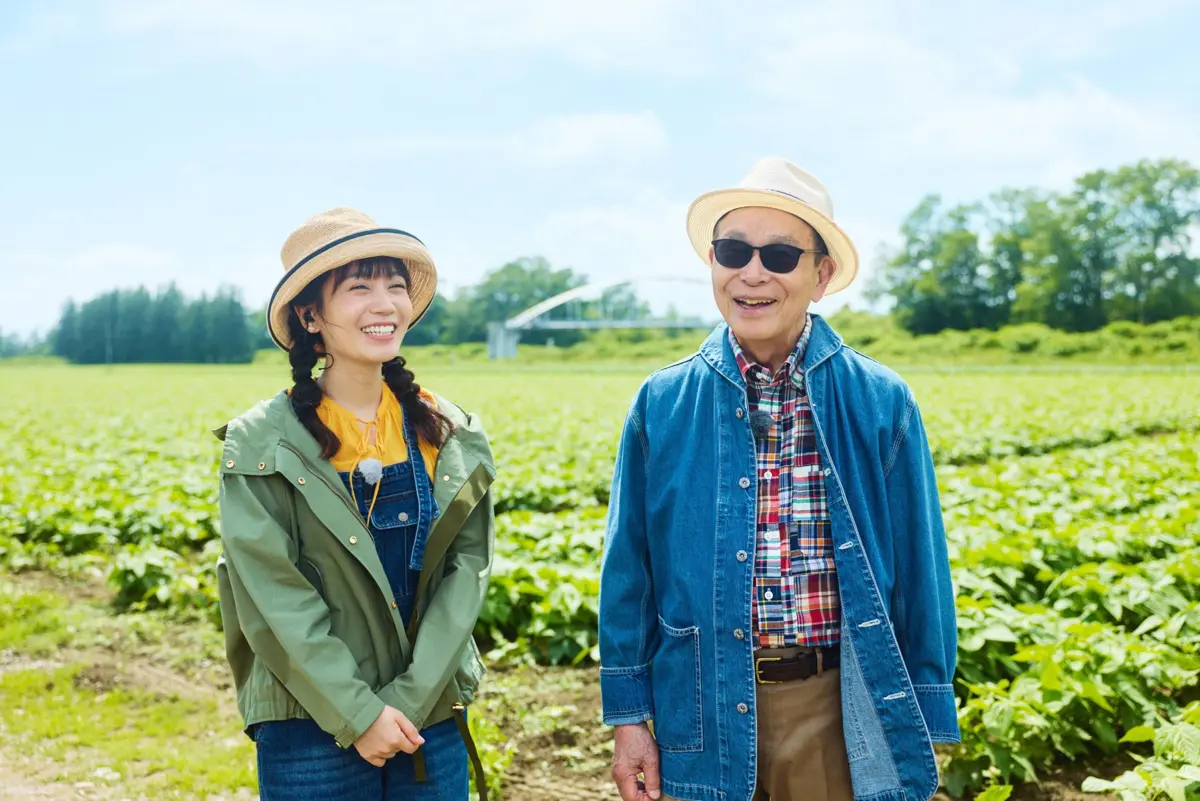
In a special two-part broadcast, NHK’s acclaimed documentary series Bura Tamori (released in October 2026) turns its investigative gaze toward this northern agricultural powerhouse. The program explores a compelling historical narrative: how Tokachi underwent a dramatic, multi-generational transformation from an unyielding, inhospitable wilderness into one of the most productive agricultural hubs on the globe.
This deep dive is not merely a celebration of pastoral landscapes; it is a meticulous examination of human resilience, geological adversity, and engineering ingenuity. Over a span of 140 years, pioneers, agronomists, and local communities tamed an unforgiving ecosystem. Today, Tokachi produces the vital ingredients that anchor Japan’s dairy, confectionery, and staple-crop industries. This article explores the dramatic narrative of Tokachi’s agricultural evolution, examining the geological trials, historical milestones, and modern triumphs that underpin its status as the bedrock of Japanese food security.
Detailed Chronology: From Untamed Wilderness to Agro-Industrial Titan
To understand the magnitude of Tokachi’s success today, one must first confront the sheer scale of the challenge faced by early settlers. Long before tractors and modern irrigation systems mapped the landscape, the Tokachi plain was a vast, heavily forested frontier dominated by volcanic ash soils, harsh winters, and dense undergrowth.
Phase I: The Meiji Era Pioneer Movement (Late 19th Century)
Following the Meiji Restoration of 1868, the Japanese government cast its eyes northward to Hokkaido—then known as Ezo—as a strategic frontier for resource development and national defense. The initial waves of migration to Tokachi were marked by extreme hardship. Settlers encountered acidic, volcanic soils (Kuroboku and pumice-heavy layers) that rapidly depleted nutrients and resisted traditional Honshu farming techniques.
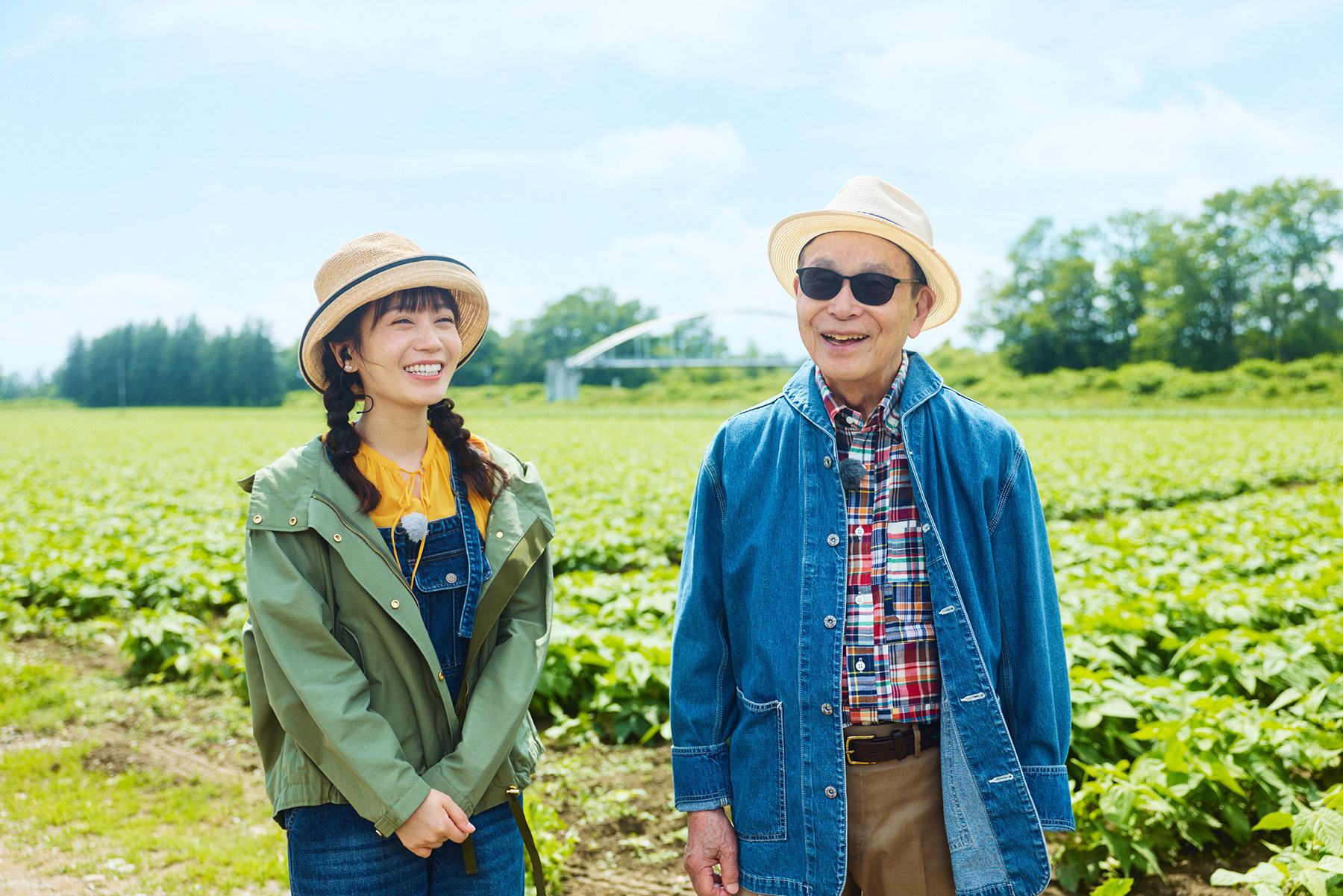
Temperatures fluctuated wildly, with deep winter snowpacks halting outdoor labor for months at a time. Early crops routinely failed due to unseasonal frosts and poor drainage. However, driven by a national imperative for food self-sufficiency and regional development, these early communities persevered. They cleared ancient forests by hand, dug drainage ditches through frozen earth, and began the arduous, multi-decade process of soil conditioning.
Phase II: The Scientific and Agronomic Revolution (Mid 20th Century)
The turning point for Tokachi did not happen overnight; it was engineered through systematic agricultural science. By the mid-20th century, universities, experimental stations, and local cooperatives began treating farming as both a science and an art.
- Soil Management: Agronomists developed innovative methods to neutralize the acidity of volcanic ash soils using lime and organic composts, transforming barren layers into fertile loam.
- Crop Adaptation: Hardier varieties of potatoes, sugar beets, wheat, and soybeans were bred specifically to withstand Hokkaido’s short growing season.
- Mechanization: Recognizing that human labor alone could never cultivate the vast expanses of the Tokachi plain, the region became an early adopter of large-scale agricultural machinery, transitioning from horse-drawn plows to tractors and combines.
Phase III: Modern Integration and the Culinary Backbone (Present Day)
Today, Tokachi is no longer just a surviving frontier; it is a high-tech agricultural ecosystem. The region supplies a staggering percentage of Japan’s domestic sugar beets, wheat, and potatoes, alongside world-class dairy products. It serves as the hidden engine room behind iconic Japanese sweets (wagashi and Western-style confections alike), providing the high-grade Azuki beans and dairy fats that define modern Japanese gastronomy.
Supporting Context & Metrics: The Scale of Tokachi’s Output
The numbers behind Tokachi’s agricultural dominance are staggering. While Hokkaido accounts for a massive share of Japan’s total agricultural land, the Tokachi subprefecture stands out due to its combination of scale, efficiency, and ecological diversity.
| Agricultural Sector | Tokachi Regional Contribution | National Significance |
|---|---|---|
| Dairy & Livestock | High-yield raw milk production, butter, and cheese processing | Anchors Japan’s domestic dairy supply chain; supplies major confectioners nationwide. |
| Field Crops (Wheat & Soybeans) | Extensive rotation farming yielding high-protein wheat and non-GMO soybeans | Crucial for reducing Japan’s reliance on imported grain staples. |
| Root Vegetables & Industrial Crops | Massive output of sugar beets and potatoes | Primary source for domestic refined sugar and processed potato products. |
The Geology of Taste: Why Tokachi Soil Matters
The Bura Tamori broadcast places significant emphasis on the geological origins of Tokachi’s productivity. The region’s soil profile is heavily influenced by volcanic activity from nearby mountain ranges. While volcanic ash (tephra) is notoriously difficult to farm initially, centuries of organic matter accumulation, combined with meticulous human intervention, have created a deep, well-aerated topsoil. This unique geological composition allows root vegetables like potatoes and sugar beets to expand unhindered, developing deep flavors and optimal starch-to-sugar ratios.
Furthermore, Tokachi’s continental climate—characterized by dramatic temperature swings between freezing winters and warm, sun-drenched summers—stresses plants in ways that enhance sugar accumulation in crops like sugar beets and sweet corn. This natural adversity is precisely what yields the exceptional sweetness and quality celebrated by chefs across Japan.
Official Insights & The Bura Tamori Perspective
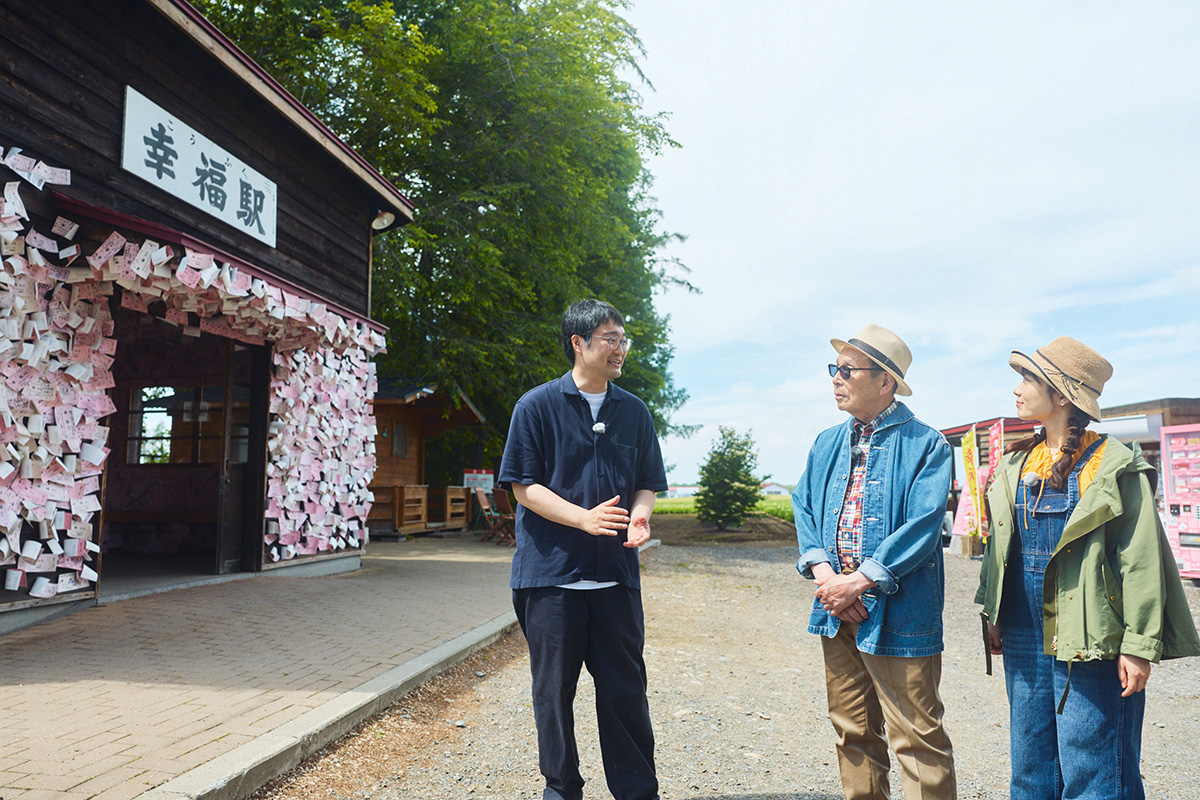
The NHK documentary series Bura Tamori, known for its unique blend of topographical investigation and cultural history, treats the Tokachi landscape as an open-source archive. Co-hosts and geological experts walk the sprawling fields, unearthing the physical layers that tell the story of human adaptation.
In the October 2026 special, the production team highlights several key revelations:
- The Drainage Marvel: How early farmers managed the heavy spring snowmelt without washing away fragile topsoils required sophisticated, community-wide engineering feats that persist in modern irrigation networks.
- The Confectionery Pipeline: The program traces a direct line from the Tokachi farmer’s field to the artisan bakeries of Tokyo and Kyoto, demonstrating how regional topography dictates the nation’s culinary culture.
- The Philosophy of Resilience: Through interviews with multi-generational farming families, the broadcast captures the psychological endurance required to farm an environment where nature dictates the terms. As one local agricultural cooperative leader notes in the series: "We do not fight the land; we listen to its volcanic history and work alongside its rough edges."
Future Outlook: Sustainability and Innovation on the Northern Frontier
As Tokachi looks toward the next century of agriculture, the region faces a new set of complex challenges distinct from the clearing of forests and soil conditioning of the Meiji era.
1. Climate Change and Crop Adaptation
Rising global temperatures and unpredictable precipitation patterns are forcing Tokachi’s agricultural scientists to accelerate the development of heat-tolerant crop varieties. While Hokkaido’s cooler climate was once a barrier, subtle shifts in weather patterns are altering traditional planting and harvesting schedules. Research stations are actively breeding wheat and potato strains capable of withstanding unseasonal heat waves without compromising yield or quality.

2. Labor Shortages and Smart Agriculture
Like the rest of Japan, rural Hokkaido faces an aging demographic and a shrinking labor pool. To maintain its status as the nation’s food basket, Tokachi is rapidly pioneering "Smart Agriculture." The integration of autonomous tractors, AI-driven crop monitoring drones, and IoT-enabled soil sensors is transforming traditional farms into high-tech data hubs. These technologies allow a single operator to manage vast tracts of land with precision, optimizing fertilizer use and minimizing environmental impact.
3. Strengthening Food Security
In an era of global supply chain vulnerabilities and geopolitical instability, domestic food security has transitioned from an economic policy to a matter of national security. Tokachi’s capacity to scale up sustainable, high-yield production positions it as the anchor of Japan’s agricultural self-sufficiency strategy.
Conclusion
The two-part Bura Tamori special on Tokachi does far more than showcase scenic vistas and pastoral charm. It serves as a profound reminder that the food on our plates—and the culinary identity of a nation—is built upon the forgotten sweat of pioneers, the rigorous application of science, and a profound respect for the earth.
From volcanic ash to the backbone of Japan’s food supply, Tokachi’s dramatic turnaround stands as an enduring testament to human ingenuity. As the region embraces the digital age while honoring its rugged history, the plains of Hokkaido will undoubtedly continue to nourish Japan for generations to come.








Belum ada komentar. Jadilah yang pertama berkomentar!